Short answer: restriction problems are settled before packing, not at the border. An item has to be acceptable to the line you booked and admissible in the destination country, and both answers depend on the actual packed carton rather than a general list, so check them before the booking is placed.
The two-question test
Buyers often ask one question, "can this be shipped?", and get a useless answer. Two questions must be answered separately. The first is carrier-side: does the line accept this class of goods at all, and under what packaging conditions. The second is destination-side: does the importing country permit this class of goods, and does it need a permit, a declaration or a certificate. An item can pass the first test and fail the second, and the reverse happens just as often.
Categories that cause most trouble
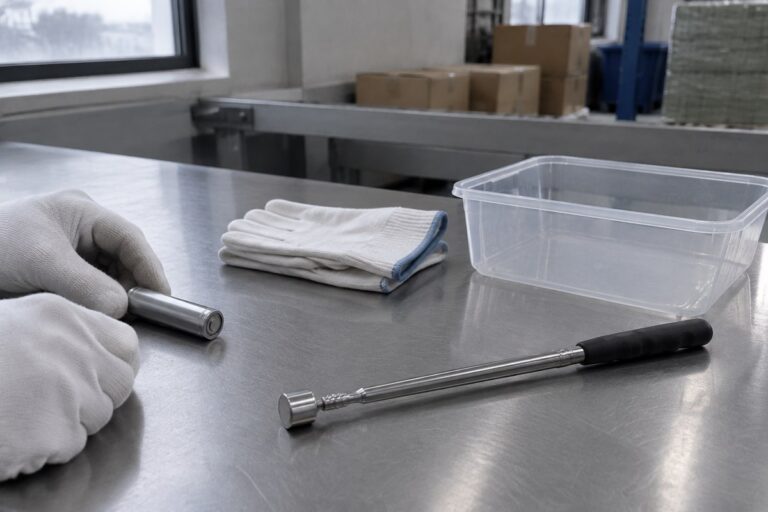
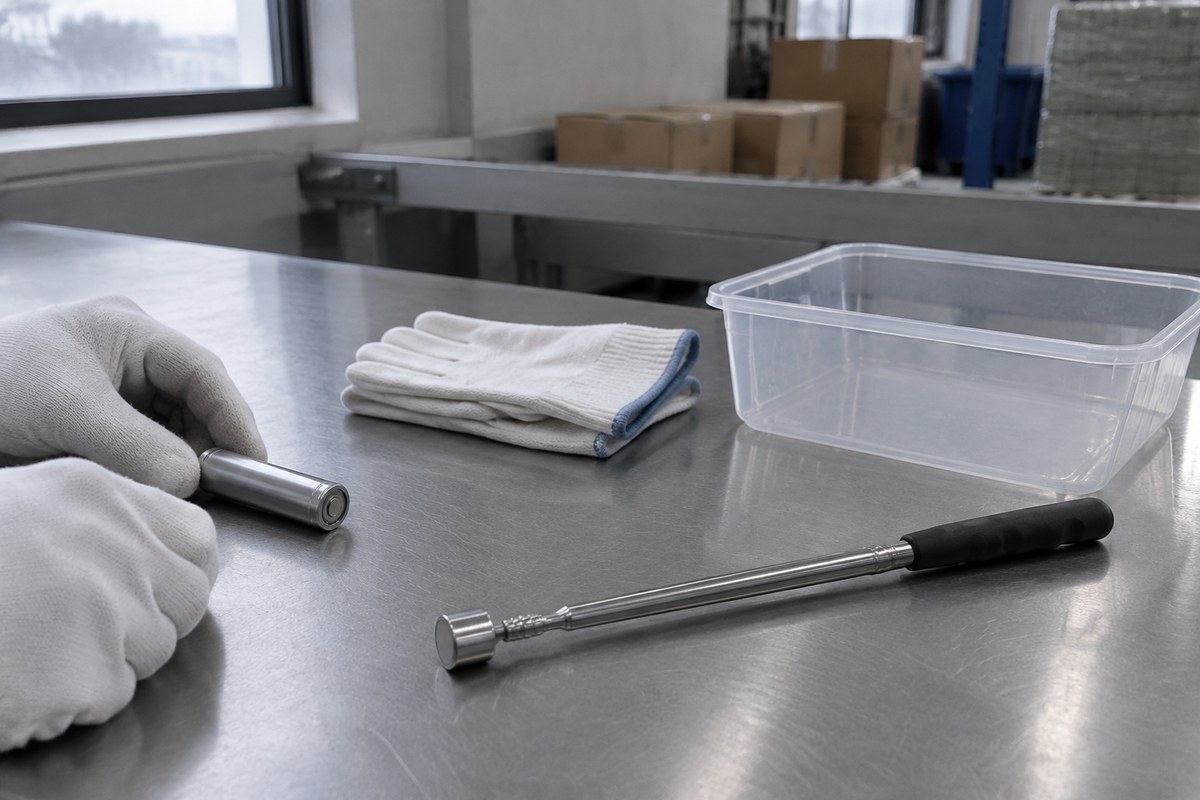
- Lithium batteries. Accepted on many lines with packaging conditions, refused by others. Standalone cells, power banks and devices with large cells each behave differently, and the rules change by line.
- Liquids and cosmetics. Alcohol content, volume per bottle and secondary sealing all affect which routes are open.
- Aerosols. Sprays and pressurised containers are among the most restricted goods on air routes.
- Magnets, motors and speakers. Not dangerous in themselves, but they attract screening and can delay a parcel.
- Knives, tools and replica items. Frequently barred outright or subject to permit conditions at the destination.
- Branded goods. Counterfeit risk makes any border more likely to examine them, and the burden of proof falls on the shipment.
- Food, plant material, seeds and animal products. Almost always destination-controlled, with quarantine rules that vary widely.
- Supplements and medicines. Often restricted or permit-gated, with rules that differ sharply between countries.
Why generic answers are not reliable
Restricted-goods rules are written per carrier and per destination, and they are revised without much notice. A list copied from a forum thread is a snapshot of somebody else's route on somebody else's date. That is why the honest answer to "can I ship this?" is a question about your specific item, your chosen line and the country at the other end. Where our own summary of a category is out of date, the live pages and the carrier's current conditions govern.
How to get a fast, reliable answer
- Send the product link, and say plainly what the item is and what it contains.
- State the destination country, and whether a business or a private recipient will import it.
- Mention anything that affects carriage: battery watt-hour rating, liquid volume, aerosol propellant, magnet, or brand name.
- Attach or describe the seller's packaging so we know what the line will actually be handed.
- Ask before payment if the item is borderline, because cancelling a purchase is harder than not placing it.
Describing the item honestly is the fastest way through this process. A parcel presented as "accessories" that turns out to hold a power bank creates a problem at the worst possible moment, and a delivery agent's question is much harder to answer abroad than it is in Guangzhou.
Where the check actually happens
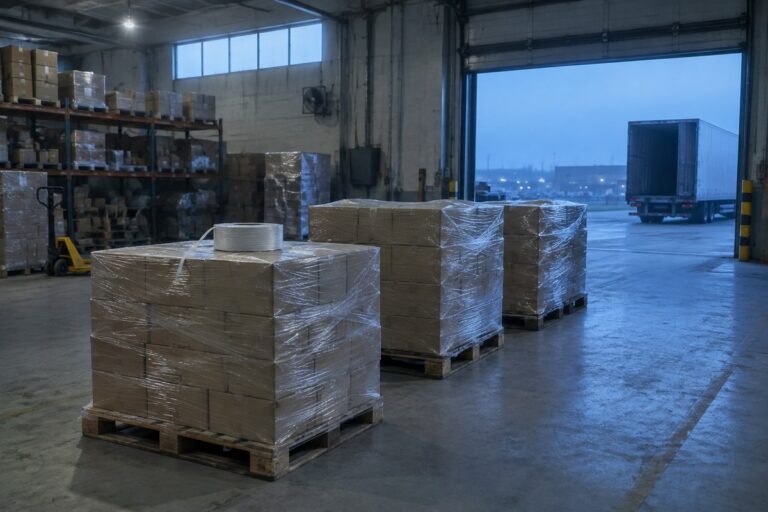
Restricted-goods status is verified at intake, when the parcel is counted and photographed at our warehouse at 广州市白云区钟落潭镇乌溪村乌溪路奋进街61号. That is the moment to compare the real contents against the line's current conditions: a swollen battery, an aerosol can the seller slipped in as a gift, or a branded item that was not mentioned in the listing. Because the check happens before export, an unsuitable item can be removed, returned domestically or routed on a different line while the correction still costs only a domestic courier fee.
Storage is free for the first 100 days, then ¥0.1 per parcel per day up to a maximum of 180 days, so a parcel can wait while a permit question is resolved or while a second order is added to the same shipment. Handling a purchase carries a service fee of 6–15% of order value, with international freight quoted from the packed parcel and reconciled after weighing.
Before you approve a restricted or borderline shipment
- Item class identified for both the carrier and the destination
- Packaging conditions for that class confirmed, not assumed
- Destination permits or certificates checked where the category requires them
- Declared description accurate and specific
- Alternative line identified in advance, in case the first choice is refused
- Storage window checked so the decision is not made under time pressure
Restricted-goods lists are among the fastest-moving content on any logistics site. Use this article to learn which questions to ask, and expect the answers to come from the carrier's current conditions and the destination's own rules rather than from a fixed list.
Related guides
If an item may be restricted, the related decisions are worked through below.
- Restricted Items When Shipping From China to Australia: Checks Before You Buy
- China Freight Calculator: What Overseas Buyers Should Check Before Trusting an Estimate
- Battery Shipping From China: Manual Checks Before a Parcel Leaves the Warehouse
- Customs Duties After China Shopping: What Buyers Should Prepare Before Shipping
- Before You Ship Sensitive Items From a China Warehouse: 9 Mistakes to Avoid