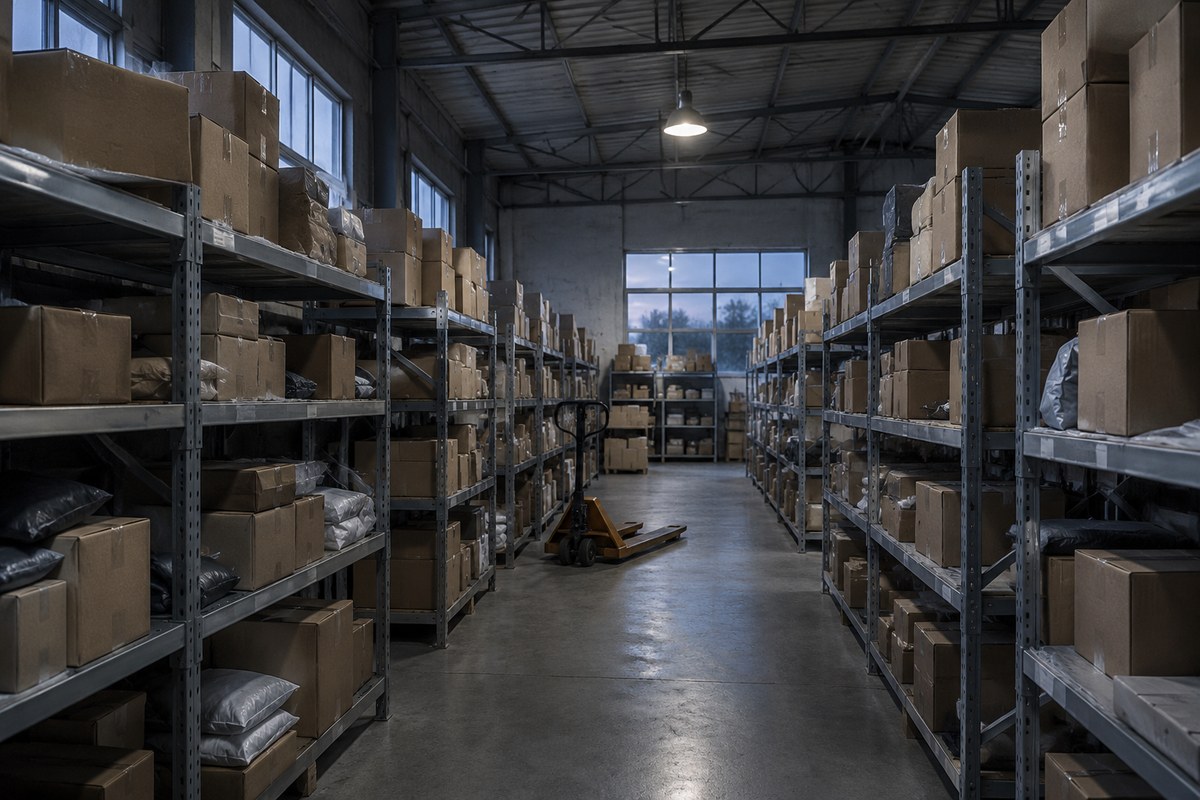
Where the international part of the order actually begins
For CNCartGo buying-agent orders, purchase charges and international freight are separate. Pay for the goods, domestic delivery and applicable buying-service charges before CNCartGo purchases from the seller. International freight is confirmed after warehouse receipt and parcel preparation using packed weight, dimensions and the eligible route's billing rules, then paid before dispatch. Use the current receiving instructions for your order rather than an address copied from another parcel. The first 100 days of storage are free from the date the order is marked "Received."
What the warehouse does with an arriving parcel
Check the warehouse receipt record and available photos against the ordered quantity, model, colour and accessories. If a visible mismatch or damage is shown, raise it before authorizing international shipment and review the seller's available return or exchange options. Photos do not establish authenticity, materials, fit, function or safety; the scope, availability and charges for any extra check must be confirmed separately.
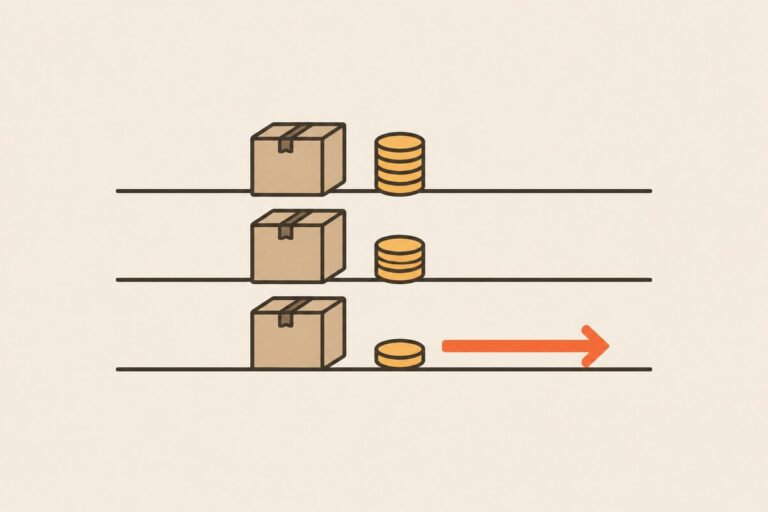
Then the parcel is stored. CNCartGo's Warehouse Storage Policy gives the first 100 days free from the date the order is marked "Received." From day 101 through day 200, storage costs USD $0.10 per parcel per day, with a maximum of 200 days from Received. After 200 days, the parcel is treated as automatically destroyed and is no longer available for recovery or shipment. Check each parcel's Received date while waiting for other sellers.
Consolidation: what it is and when it pays
Consolidation means combining eligible parcels into one international shipment when the contents, destination, route and packing requirements are compatible. It can reduce repeated shipment charges or unused packing space, but a new box can also change the billable weight and handling costs. Use the prepared-parcel quotes to compare the options rather than assuming one carton is cheaper.
It is not automatically cheaper. A small, light parcel that would travel inexpensively on its own can end up sharing the freight of a heavy item in the same box. Compare the quote for the combined parcel against the quotes for the separate ones before approving.
What to check before you approve the packed parcel
Ask for the packed dimensions and the actual weight, not an estimate from the listing. Light and bulky is the classic trap: volumetric weight can exceed the scale on a carton full of clothing or foam, and that difference shows up on the invoice.
Check the protection as well. Fragile items need internal filling and separation from hard objects. Confirm acceptance under the prohibited and restricted items rules before purchasing or sending liquids or lithium battery products to the warehouse; packing does not make a prohibited item eligible. Confirm the packing instructions before approving the parcel.
How the quote works, and why it is not a fixed menu
International freight is confirmed for the prepared parcel under the eligible route's billable-weight rules. Check which packed measurements, minimum charges and any handling or destination charges apply before paying; do not assume an estimate includes every charge or that a difference is refunded automatically. Buying-agent service charges are separate and follow the order quote and the current fee guide. This buying-service schedule is not a blanket rate for Shop purchases or standalone forwarding.
Transit options and estimates depend on the current route, destination and parcel contents. Compare the available estimates and what they cover in the Shipping Policy and your quote, including customs and final-mile handling. Choose an eligible route for the actual goods; a paid quote or prepared label is not evidence of carrier handover or a guaranteed arrival date.
Payment and the order flow
Use the payment methods actually offered at the relevant checkout or payment step. For buying-agent orders, settle the goods, domestic delivery and applicable service charges before procurement; pay the separate confirmed international freight before dispatch. Shop and forwarding orders follow their own displayed charges and payment instructions. Read the Payment Policy when planning cash flow.
Tracking a parcel between the seller and the warehouse
Domestic tracking inside China connects seller dispatch with warehouse receipt. Record every tracking number against the order as soon as the seller provides it, and check it against the actual warehouse receipt record rather than treating a carrier "Delivered" scan as the order being marked "Received." Orders that arrive in several boxes should carry several numbers, all filed together.
If warehouse receipt is still pending, compare the seller's dispatch update with the carrier scans. Contact the seller or support with your order reference and tracking numbers, and keep the listing, payment and tracking records. Check the seller's or marketplace's reporting deadlines promptly rather than assuming the parcel is lost or that a refund is automatic.
Getting a quote for your own parcel
Figures from someone else's order are only a rough guide. To request an international shipping workflow quote, send the packed dimensions, the weight if known, the destination and the contents; confirm whether a route is available and distinguish a planning estimate from the measured-parcel quote. If something goes wrong at the payment step in the meantime, the common payment failures are listed with their fixes.
Frequently asked questions
Can I consolidate parcels from different platforms? Eligible parcels from different platforms may be combined when matched to your account and receiving instructions and compatible with the same destination, route and packing plan.
How long can goods wait? The first 100 days are free from "Received." Days 101–200 cost USD $0.10 per parcel per day, with a 200-day maximum from Received. After 200 days, the parcel is treated as automatically destroyed and is no longer available for recovery or shipment.
Can I ship one parcel before the rest arrives? Ask whether a separate shipment is available for the ready parcel and compare its route, packing and freight charges. Confirm which other parcels remain in storage; splitting does not remove restrictions.
Do I see the parcel before paying freight? Review the receipt record and available photos or packing details for the selected service before approving shipment. Ask support about a visible issue or a needed extra check before paying the final freight; images alone do not prove authenticity or function.
About the author: Prepared by the CNCartGo editorial team as a guide to the order records, parcel details and current policy terms buyers should check before international shipment.
Last reviewed: September 2026. Warehouse procedures, storage terms and freight rates are adjusted periodically; read the current pages for today's terms.
Related guides
Buyers often follow this with the pages below.
- Before You Pay International Shipping: 7 Address Mistakes to Check at Your China Warehouse
- Can You Change the Delivery Address After a China Warehouse Packs Your Parcel?
- China Warehouse Consolidation Quote: What Photos, Weight and Seller Links Change
- Can You Change the Shipping Method After a Parcel Arrives at a China Warehouse?
- What Happens After Your Parcel Arrives at a China Warehouse?