How to Buy Beauty Products From China in 2026: A Practical Guide for Overseas Buyers and Small Brands
 Nicholas Chen
By Nicholas | CNCartGo Editorial Team
Beauty is one of the most attractive China-sourcing categories for overseas buyers because the range is huge, packaging can look premium long before the price does, and there is real demand from personal shoppers, small e-commerce stores, and salon-adjacent resellers. It is also one of the easiest categories to get wrong if you buy like a casual retail customer instead of a buyer managing formula risk, packaging risk, and shipping risk at the same time.
The reason is simple. A beauty listing can look convincing while hiding the details that actually decide whether the order is usable after export: ingredient naming, fill size, seal quality, leakage resistance, destination-market labeling, battery restrictions for devices, and whether the parcel still makes economic sense once glass, pumps, or bulky cartons are packed for international shipping. In this category, the cheapest visible price often loses to a better-controlled order with cleaner packaging and fewer surprises.
For overseas buyers, the most reliable beauty orders follow a strict workflow. Narrow the product type first, confirm the exact SKU and packaging logic before payment, send the goods to a China-side checkpoint, inspect the received parcel for visible and practical problems, and only then decide how to ship it. That is the difference between a repeatable buying system and a box of random stock that creates refunds, leakage, or slow-moving inventory.
Short Answer: Is Buying Beauty Products From China a Good Idea?
Yes, but only when you separate safer beauty categories from higher-risk ones and treat shipping and compliance as part of the buying decision from day one.
The category works well when the product value can be checked through visible finish, bundle count, packaging quality, closure strength, and practical warehouse inspection. It becomes much harder when the item depends on aggressive performance claims, ingredients that need destination-market review, difficult liquid handling, or battery-powered functions that change how the parcel can travel.
That means the real question is not just whether you can buy beauty products from China. The better question is whether the exact beauty product can survive a practical workflow: clear sourcing, clear packaging checks, realistic inspection, compliant labeling decisions, and a shipping method that will not erase the margin.
Which Beauty Categories Usually Work Best for Overseas Buyers
The strongest first orders are usually the ones where quality can be judged through physical details instead of marketing promises alone.
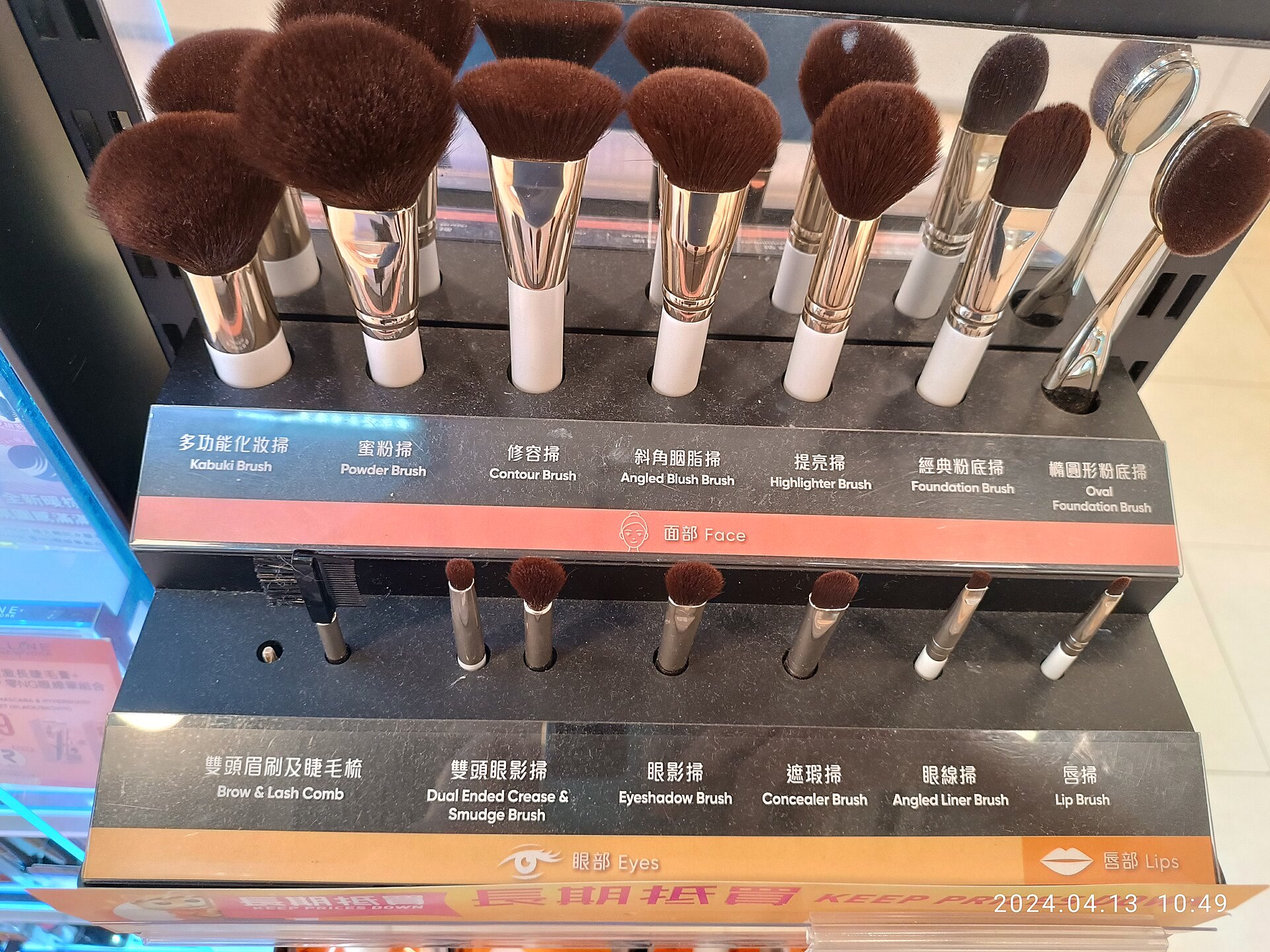
- Beauty tools and accessories: makeup brushes, puffs, organizers, spatulas, travel bottles, empty jars, mirrors, tweezers, and non-powered salon accessories are often the easiest first buys.
- Low-complexity skincare accessories: headbands, cleansing cloths, applicators, sheet-mask tools, and storage items usually create fewer formula and customs problems than finished liquids.
- Packaging components and trial merchandising items: empty cosmetic containers, sample tools, display accessories, and brand-neutral support items can work well for small brands testing a workflow.
- Simple non-battery beauty devices with clear visible build quality: these can work, but only when packaging, fragility, and destination-market suitability are reviewed carefully.
These categories perform better because a warehouse can help confirm obvious defects, count the received pieces, check whether seals and cartons are intact, and flag bulky or fragile packing before export. If you are still deciding whether you need purchase help before the parcel exists, start with buying agent vs parcel forwarder. Beauty orders often need both sourcing judgment and forwarding discipline.
Which Beauty Products Need More Caution
Not every beauty SKU belongs in a first order. Some products create too much uncertainty if you do not already have a mature supplier review process.
- Liquids, creams, and serums: these raise leakage, labeling, customs, and sometimes temperature-stability questions.
- Claim-heavy skincare or cosmetics: the more the sales page relies on medical, whitening, anti-aging, SPF, or certification-heavy claims, the more carefully you should slow down.
- Shade-sensitive color cosmetics: photos, screens, and listing language do not always translate into a predictable sellable shade mix.
- Battery-powered beauty devices: LED masks, heated tools, mini devices, and rechargeable beauty gadgets can change the export route and sometimes the economics of the order entirely.
- Glass-packed beauty lines: premium packaging can look right for resale but become a breakage and volumetric-weight problem during export.
This does not mean you should never buy them. It means you should treat them like a controlled project, not a casual add-to-cart purchase. Our article on shipping battery items and regular goods together from China is especially relevant if the beauty order includes devices or rechargeable tools.
A Practical Beauty-Product Buying Workflow
The cleanest beauty orders usually follow seven steps:
- Narrow the product type before comparing suppliers. Separate tools, accessories, formulas, and devices because they do not belong in the same risk bucket.
- Save the full product evidence. Keep the link, screenshots, variant details, fill size, net weight, color list, and any packaging photos used in the decision.
- Clarify the hidden details before payment. Ask about materials, closures, seal type, included accessories, battery status, outer carton size, and dispatch timing.
- Route the order to a China receiving point. This is where you keep control before international shipping locks the parcel into a cost structure.
- Inspect the goods after arrival. Check visible defects, broken seals, damaged cartons, missing units, and whether the real packaging matches the sales promise.
- Adjust the packing plan. Decide whether fragile cartons need extra protection, whether outer retail boxes should stay, and whether the order should be split by product type.
- Choose the export line after the parcel is real. Beauty shipping decisions should come after the warehouse sees the actual mix of liquid, glass, accessories, or devices.
This process is slower than ordinary online shopping, but it is cheaper than discovering a leaking jar, crushed carton, missing pump, or restricted battery after the package has already crossed a border. In beauty, the workflow itself is part of quality control.
What to Confirm Before You Pay
1. Exact SKU, size, and bundle logic
Beauty listings often make a set look bigger than the selected option really is. Confirm whether the order includes one item, a multi-pack, a brush set, refills, lids, applicators, or only the base unit. Save that confirmation in writing before payment.
2. Label language and what is printed on the package
For personal use, a plain Chinese label may be workable if you know exactly what you are buying. For resale, this is a much bigger issue. You need to know what is physically printed on the bottle, jar, or box, not just what the listing says. Do not assume destination-market labeling can be improvised later without cost or delay.
3. Seal, pump, lid, and closure quality
Many beauty losses start with packaging, not with the formula itself. Ask whether jars have inner seals, whether pumps lock, whether droppers are packed separately, and whether lids loosen in transit. These details directly affect leakage risk and customer confidence after arrival.
4. Glass, fragile components, and carton dimensions
A premium-looking box can be good for shelf appeal and terrible for forwarding. If the item uses glass, mirrored parts, or shaped gift packaging, ask about master-carton size and how the units are packed domestically. Our guide on shipping fragile items from China matters here because beauty packaging often turns a low-cost item into a damage-prone parcel.
5. Product limitations and claims you cannot verify from photos
Overseas buyers get into trouble when they treat marketing language as proof. If the beauty product depends on ingredients, shelf-life details, compliance files, or testing claims that will matter in your market, pause before payment. Warehouse inspection can confirm what arrived. It cannot magically validate every claim on the sales page.
What Warehouse Inspection Should Actually Check
For beauty products, the warehouse stage is where an average order becomes a controlled order. The right inspection request is practical, visual, and tied to the export decision.
| Inspection point | Why it matters for beauty orders | What to do if it fails |
|---|---|---|
| Seal and closure condition | Loose lids, weak pumps, or missing inner seals create leakage and refund risk | Pause export and recheck whether repacking or replacement is needed |
| Count and variant accuracy | Shade mix, brush quantity, or accessory count often changes the resale value | Compare against saved supplier evidence before shipping |
| Visible packaging damage | Crushed cartons and chipped glass can turn good stock into unsellable stock | Request extra photos and decide whether to return, replace, or re-pack |
| Real parcel size | Beauty cartons can be much bulkier than the product itself | Recalculate landed cost before committing to the line |
| Product-type mix | Liquids, tools, and devices do not always ship best in the same parcel | Split the order if route options or damage risk improve |
A useful beauty inspection is not about taking pretty warehouse photos. It is about answering the exact questions that decide whether you still want to export the order. For a broader view of what this stage can realistically do, see what a China warehouse inspection actually checks before shipping.
How to Keep Beauty Shipping Costs Under Control
Beauty products often look margin-friendly until packaging and route restrictions are included. A jar set with padded inserts, a glass bottle line with premium cartons, or a mixed parcel that includes rechargeable devices can change the shipping math very quickly.
Three rules help keep the order commercially sane:
- Judge the order by landed cost, not supplier price. A cheaper SKU is not the better buy if it requires more protective packing, more split shipments, or a slower line that hurts cash flow.
- Let the warehouse measurements guide the line choice. Use the real parcel, not the listing photos, to decide whether express, air freight, or another route makes sense. Our guide on the best shipping method from China in 2026 is the right companion before dispatch.
- Split mixed-risk beauty orders when needed. Tools and accessories may travel well together, while liquids, glass, or devices may need a different packing plan.
Beauty buyers also need to respect customs reality. Ingredient-heavy products, liquids, and unusual label claims can attract more scrutiny than a simple brush set or organizer. If the route looks too optimistic for the product type, slow down and fix the parcel before it becomes a customs problem. Our piece on avoiding customs delays when shipping from China is especially useful at this stage.
When a Buying Agent Adds Real Value
A buying agent adds the most value in beauty when the risk starts before the parcel exists. That happens when the listing is vague, bundle logic is confusing, packaging details are not shown clearly, or the supplier communication is not strong enough to confirm label and closure details in one pass.
In real workflows, the expensive problems are usually not dramatic fraud events. They are ordinary mistakes with costly consequences: the wrong shade mix, the pump that does not lock, the jar that leaks when laid sideways, the brush set that arrives as loose singles, the LED tool that changes the shipping route, or the premium carton that kills the margin on a small order. A good China-side contact can reduce those mistakes before export turns them into customer-service problems.
For small brands and trial resellers, the smartest first order is rarely the biggest one. It is a controlled sample batch that tests three things at once: supplier consistency, packaging reality, and landed cost after the real parcel is measured.
Who Should Buy Beauty Products From China, and Who Should Not
This category is a strong fit for overseas buyers who can work through a methodical sourcing process, understand that packaging quality is part of product quality, and are willing to make shipping decisions after warehouse inspection instead of before. It is also a good fit for small brands testing components, tools, accessories, and practical low-complexity beauty lines.
It is a weak fit for buyers who want instant certainty from the listing page, plan to resell claim-heavy products without market-specific review, or assume all beauty items travel like ordinary consumer goods. In this category, operational discipline matters more than speed.
Final Take
Buying beauty products from China can be a strong move in 2026, but only if you buy with the full workflow in mind. The reliable pattern is clear: choose a beauty category that matches your risk tolerance, confirm hidden packaging and label details before payment, route the order through a China-side checkpoint, inspect the parcel for seals, damage, and bulk, and choose the shipping line only after the real parcel is known.
That process protects margin and protects trust. In beauty, the product is not just the formula or the tool. It is the condition it arrives in, the packaging it travels in, and whether the order still makes business sense once the parcel is ready to leave China.