What Does a China Warehouse Inspection Actually Check Before Shipping?
 Nicholas Chen
By CNCartGo Editorial Team
One of the most common questions overseas buyers ask after payment is simple: what can a warehouse inspection actually catch before the parcel leaves China? That question matters because many buyers imagine inspection as a full product test, while others underestimate it and treat it like a box-opening formality.
The truth sits in the middle. A good China warehouse inspection before shipping is a practical checkpoint. It is there to catch visible mistakes, confirm key order details, and help the buyer decide whether the goods are still worth forwarding internationally. It is not the same thing as factory QA, destructive testing, or a lab-grade compliance review.
In the orders we see most often, inspection earns its value when the risk is visible and specific: the wrong color, the wrong size tag, a missing accessory, obvious damage, packaging that is too weak for export, or a variant mismatch that would become expensive after international shipping. Used well, it prevents a small mistake from turning into a frustrating landed-cost mistake.
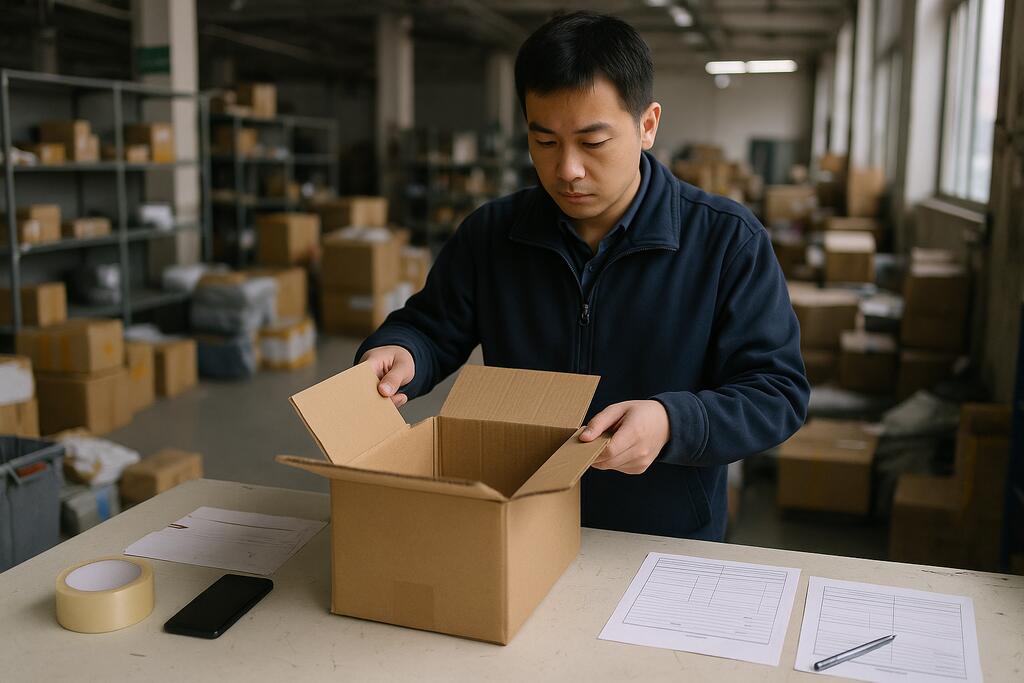
Short Answer: What Does Warehouse Inspection Check?
A warehouse inspection usually checks the things that can be confirmed quickly and visually after the parcel arrives in China:
- whether the parcel matches the expected order
- whether the visible product variant appears correct
- whether quantity, color, size, or model markings line up with the request
- whether there is obvious damage, leakage, or packaging failure
- whether the goods look suitable to keep, return, combine, or repack before export
That makes inspection especially useful for apparel, accessories, samples, mixed-platform orders, giftable items, and any purchase where one visible mismatch would ruin the value of forwarding.
What a Good Warehouse Team Can Usually Confirm
The most useful checks are concrete, not vague. Buyers get the best result when they ask the warehouse to verify one or two decision-making details instead of asking whether the item is simply "good."
1. Variant accuracy
This is the most common checkpoint. If the order depended on the correct size, color, finish, plug type, pack count, or style version, the warehouse can often compare the received goods against the saved order note or product screenshot. That is why the discipline described in how to buy correct sizes and colors on Taobao without costly returns matters before the parcel ever reaches the warehouse.
2. Obvious physical condition
Inspection can usually catch cracked plastic shells, crushed boxes, wet packaging, broken seals, stained fabric, missing presentation parts, or signs that the parcel was packed poorly for the domestic leg. This is often enough to stop a bad order before it becomes an international problem.
3. Basic quantity and accessory check
If the order should include two units, a charger, a lid, a strap, or one specific bundled item, the warehouse can often confirm whether those visible pieces are present. That is useful on 1688 sample orders and seller bundles where missing small parts create disproportionate frustration later.
4. Packaging condition for forwarding
Sometimes the product itself is fine, but the carton is too weak, too bulky, or too loosely packed for export. A warehouse team can flag whether repacking makes sense, whether original packaging should be preserved, or whether the parcel shape will create avoidable volumetric cost. That connects directly to guides like when to consolidate parcels and when to ship separately from China and what to do before forwarding battery items from China.
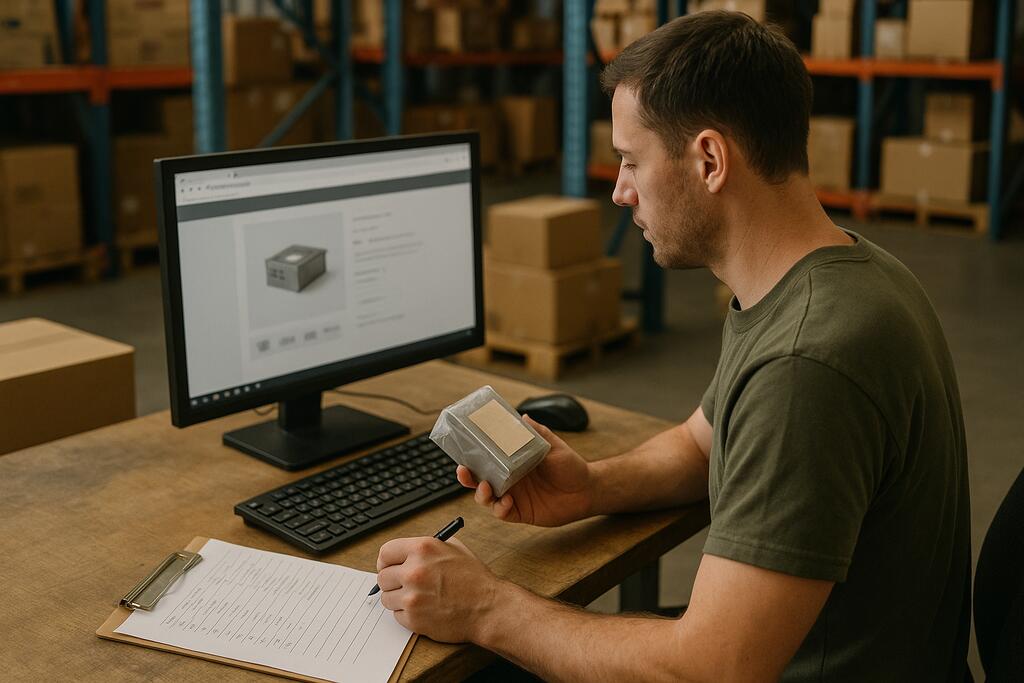
What Warehouse Inspection Usually Cannot Confirm Reliably
This is where buyers need realistic expectations. A warehouse inspection before shipping is valuable, but it has limits.
- It usually cannot prove long-term durability.
- It usually cannot verify hidden internal defects without opening or testing the item beyond a normal service level.
- It cannot replace a factory audit or pre-production quality process.
- It cannot guarantee that every unit in a large batch is identical if only spot checks are practical.
- It cannot remove customs restrictions or make a restricted item easy to ship.
That limitation matters most with electronics, cosmetics, sealed goods, and products where performance matters more than visible appearance. For those categories, inspection helps, but only if the buyer understands what visible evidence can and cannot prove.
When Inspection Is Worth Paying Attention To
Inspection is most valuable when the order has one visible failure point that would make international shipping irrational. In real workflows, that often includes:
- fashion items with confusing size or color names
- sample orders where packaging and finish affect reorder decisions
- mixed orders from Taobao, 1688, JD.com, and Weidian that need one clean approval point
- electronics or accessories where the visible model or plug version matters
- gift or resale items where packaging damage changes the order value
That is also why the warehouse stage matters so much in the post-payment warehouse workflow. It is the point where the buyer finally gets evidence instead of promises.
When Inspection Helps Less Than Buyers Expect
If the real risk sits before payment, inspection is not the main fix. For example, if the supplier is vague, the MOQ is uncertain, the listing translation is poor, or the item should never have been purchased without a pre-payment clarification, the warehouse can only help after part of the risk is already locked in.
That is why buyers should pair warehouse inspection with earlier control points, such as confirming supplier details before payment and keeping clean screenshots of the chosen variant. Inspection is a checkpoint, not a time machine.
What Information Buyers Should Send With an Inspection Request
The warehouse can work faster and more accurately when the buyer provides a short inspection brief. In practice, the most helpful brief contains:
- the product link or order reference
- the exact variant to verify
- one or two photos or screenshots of the expected item
- the single most important thing to confirm before shipping
- what decision should happen if the check fails: hold, replace, return, or ask first
That is much more effective than sending a general request like "please inspect carefully." Specific questions create useful warehouse photos and faster buyer decisions.
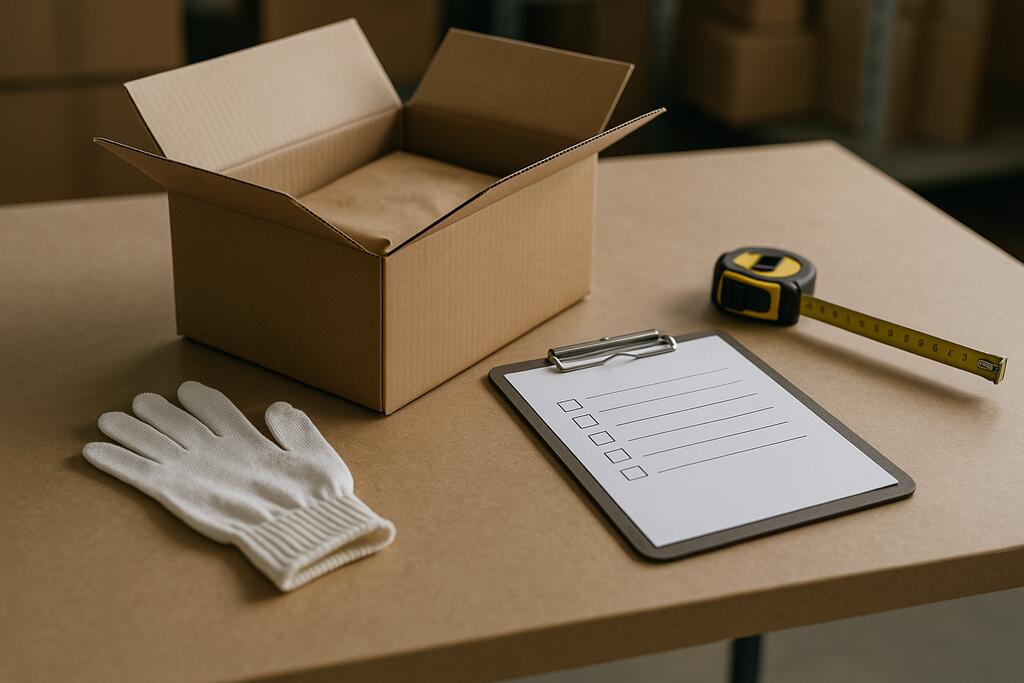
Common Mistakes Buyers Make With Inspection
- Expecting a full product review: warehouse inspection is not product testing in the consumer-review sense.
- Requesting inspection too vaguely: the check becomes less useful when the warehouse does not know what matters most.
- Skipping the evidence trail: without screenshots or variant notes, it is harder to confirm whether the received item is correct.
- Approving export too quickly: once the parcel ships internationally, fixing a visible mistake usually gets much more expensive.
- Using inspection to solve a pre-payment problem: issues like seller ambiguity or poor sourcing discipline should be handled earlier in the workflow.
We see the cost of that last mistake often in orders that also run into seller changes. If the item was not stable before purchase, the safer approach is the one described in what to do when a China seller cancels or runs out of stock, not blind reliance on warehouse inspection later.
A Practical Rule for Overseas Buyers
If a visible mismatch would make you stop the shipment, request inspection. If the item is cheap, standardized, easy to reorder, and unlikely to suffer from variant confusion, a deep inspection may matter less than efficient receiving and forwarding.
That rule keeps inspection tied to business value instead of habit. For overseas buyers, the useful question is not whether inspection sounds reassuring. It is whether inspection changes the shipping decision.
Three Companion Decisions That Usually Sit Around Inspection
Inspection works best when it fits into a wider buyer workflow. If the parcel may need size reduction or protection changes after arrival, the next decision is usually what to check before approving a warehouse repack. If the buyer is unsure whether the original seller packaging should stay on the goods, the next useful question is whether product boxes should be removed before export. And if the real uncertainty is still upstream, the more important comparison may be whether the order needed buying-agent support before it ever reached the warehouse.
That is why warehouse inspection should not be treated as an isolated feature. It is one checkpoint inside a longer chain of purchase, receiving, repacking, and export decisions. The better those checkpoints connect, the more likely the order is to stay rational all the way to final delivery.
Final Answer
A China warehouse inspection before shipping usually checks visible order accuracy, obvious condition issues, basic quantity or accessory completeness, and whether the parcel is sensible to repack, combine, or forward.
It does not replace supplier due diligence, factory QA, or long-term product testing. Its real value is practical: it gives overseas buyers one last controlled checkpoint before international shipping turns a manageable mistake into a much costlier one.