Should You Remove Product Boxes When Shipping From China?
 Nicholas Chen
By CNCartGo Editorial Team
Yes, in many cases removing retail boxes before international shipping from China can reduce shipping cost, especially when the box adds bulk but not much protection. But it is not a universal rule. Some orders should stay in the original box because the packaging affects resale value, gift presentation, product safety, or warranty expectations.
The practical question is not whether boxes are good or bad. It is whether that specific box is helping your shipment more than it is hurting your shipping bill.
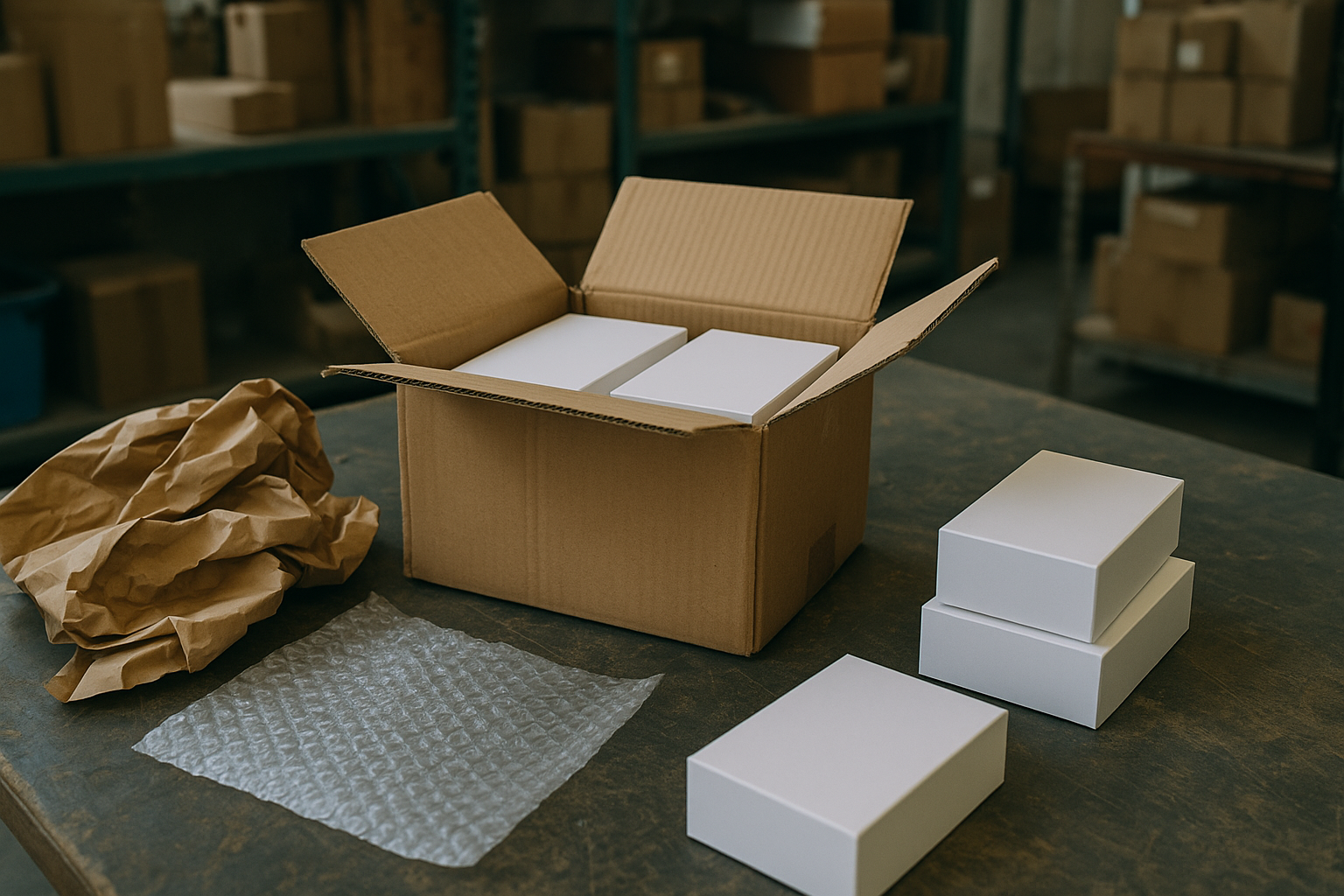
Short Answer
Remove product boxes when they add a lot of size, the item itself can be protected safely with better export packing, and the original packaging is not important to the final use of the order. Keep product boxes when presentation, resale condition, fragile structure, or product-specific handling matters more than the space savings.
That is why good warehouse teams do not treat repacking as a blind cost-cutting step. They look at the item category, the box-to-product size ratio, and what the buyer needs the goods to look like when they arrive.
When Removing Boxes Usually Makes Sense
- Low-value everyday items: accessories, soft goods, simple home items, and similar orders often do not need bulky retail packaging for international transit.
- Consolidated multi-seller orders: when several small orders are being combined, outer retail boxes often create wasted air space and awkward carton shapes.
- Items where the product is already durable: if the actual item can be wrapped and packed more efficiently than the seller's retail box, repacking is often the better option.
- Orders where shipping cost matters more than presentation: personal-use parcels and sample shipments often benefit from compact packing.
This is especially true when your parcel is being billed by volume as much as by weight. If a lightweight order suddenly looks expensive, the reason is often packaging shape rather than product value. That cost pattern is easier to understand once you see how volumetric billing works in How Final Shipping Costs Are Calculated After Warehouse Arrival.
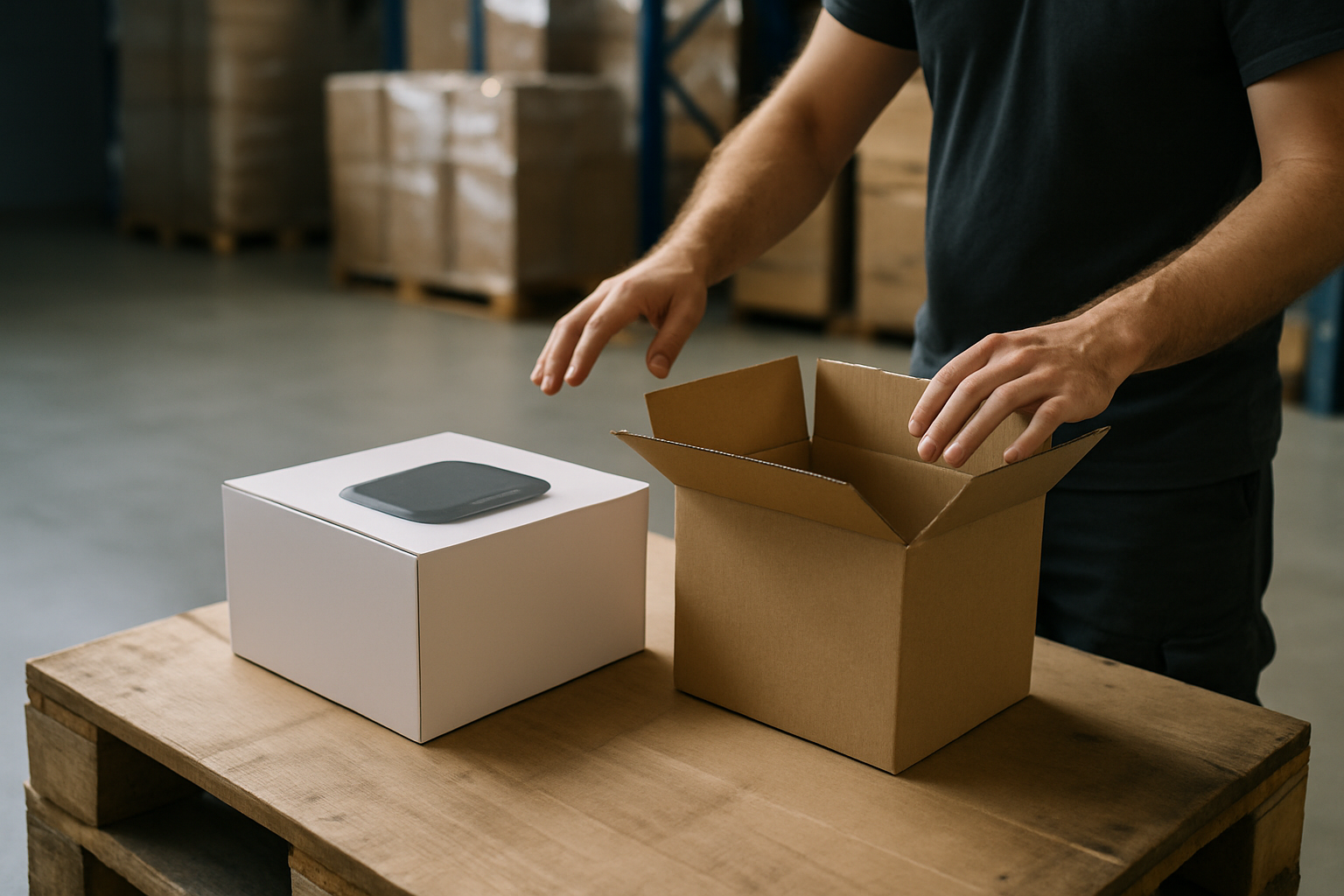
When You Should Usually Keep the Original Box
- Giftable or resale-sensitive items: if the receiver expects retail presentation, removing the box can reduce the item's perceived value.
- Fragile goods with molded internal protection: some boxes are not just decorative, they are part of the safest way to support the product.
- Collector, branded, or premium items: original packaging may matter for authenticity, completeness, or future resale.
- Products with accessories that are easy to lose: if the retail insert keeps small parts organized, removing it can create more risk than savings.
In practice, overseas buyers often regret box removal when the product arrives safe but no longer feels presentable enough to give, display, or resell. Shipping efficiency matters, but so does the condition standard you actually need at destination.
The Real Decision Framework
A useful warehouse question is this: if we remove this box, what do we gain, and what do we give up?
For most parcels, the answer comes down to four checks:
- How much empty space does the original box create? Large shoe boxes, toy boxes, and display-style cartons are common cost inflators.
- Can the item be protected just as well after repacking? Bubble wrap, corner protection, and tighter cartons often protect simple items better than oversized retail packaging.
- Does the buyer need the original presentation? Personal use, resale, gifting, and sample review do not have the same requirement.
- Will the parcel be combined with other orders? Mixed shipments often benefit most from selective repacking and shape control.
If you are already deciding whether to wait for more arrivals before shipping, the timing of repacking and consolidation should be handled together. That is where How Package Consolidation Saves Money When Buying from Multiple Chinese Sellers becomes relevant, because consolidation savings can disappear if bulky retail packaging stays on every item.
What We Usually See in Real Warehouse Workflows
One common pattern is a buyer ordering several pairs of shoes, fashion accessories, and small household items from different sellers. If everything ships in original retail packaging, the parcel gets bigger very quickly. The goods themselves may still be lightweight, but the final carton becomes expensive because it is awkward to pack tightly.
By contrast, when the warehouse removes only the non-essential boxes, keeps protective wraps where needed, and combines the order into one cleaner export carton, the parcel is usually easier to protect and cheaper to ship. The important word is selective. Good repacking is not about throwing away everything. It is about removing waste without creating damage risk.
Cases Where You Should Ask Before Repacking
- Battery items or electronics: packaging and labeling may affect handling, so ask before simplifying the parcel. See Buying Agent vs Parcel Forwarder: Which One Do Overseas Buyers Actually Need? if you need more judgment during the pre-shipping stage.
- Fragile ceramics, glass, or boxed sets: the retail insert may still be the safest support layer.
- Sample orders for product evaluation: if you are reviewing how the item will look to customers, the original box may be part of what you are evaluating.
- Orders needing inspection first: box removal should happen after the warehouse confirms the item and visible condition. That workflow is explained in What Does a China Warehouse Inspection Actually Check Before Shipping?.
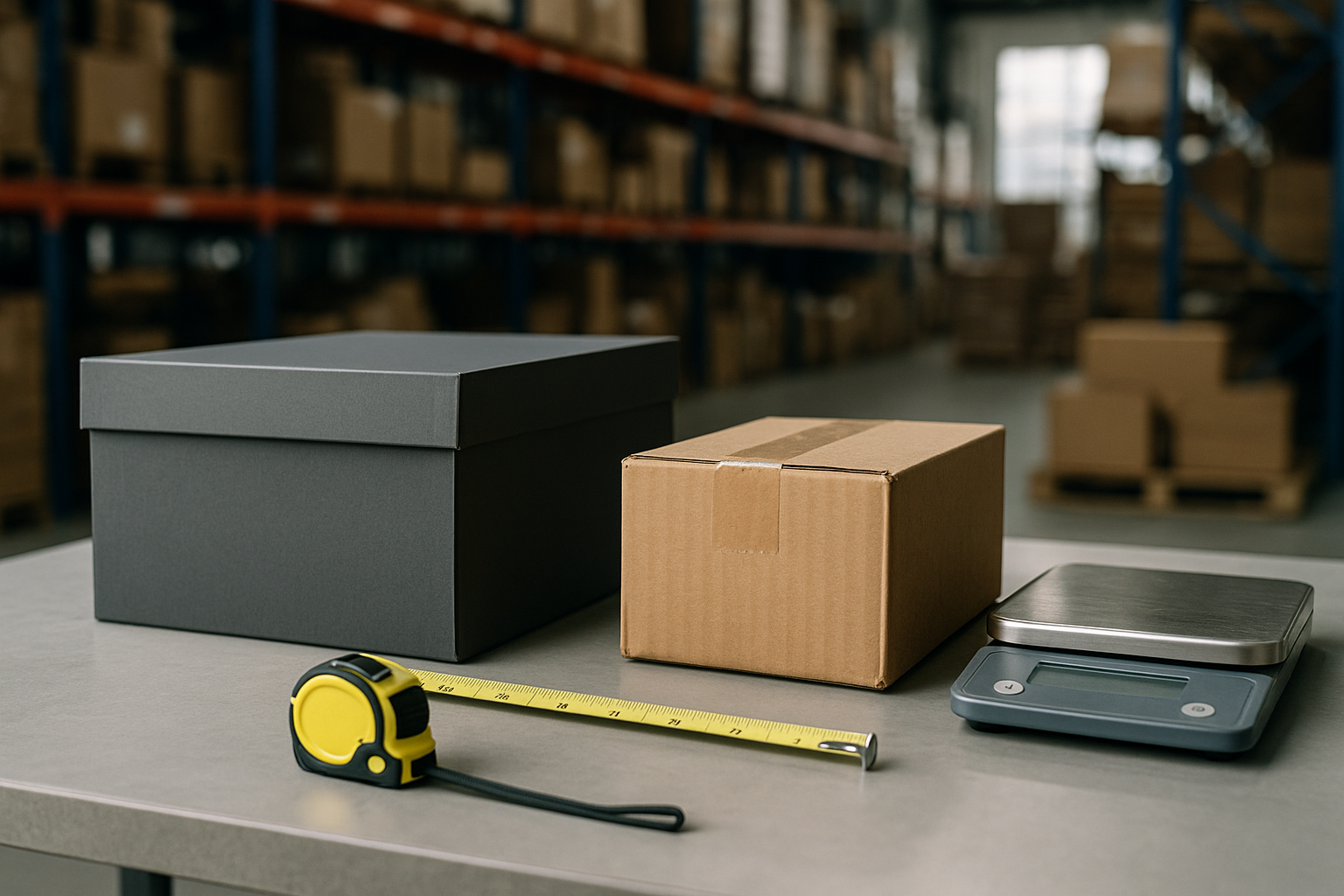
What to Tell the Warehouse Before They Repack
Buyers get better results when they give the warehouse a simple instruction instead of a blanket command like "remove all boxes." The better message is usually: remove non-essential retail packaging where it saves volume, keep any packaging that protects fragile structure or keeps small parts together, and flag any item where presentation still matters. That kind of instruction gives the warehouse room to make a sensible shipping decision without guessing what the buyer values most.
It also helps to tell the warehouse whether the parcel is for personal use, gifting, resale evaluation, or a product sample review. The same pair of shoes or boxed baby accessory may be packed differently depending on whether the buyer only wants the item to arrive safely or still needs the original shelf presentation intact.
Three Cases Where Box Removal Is Often Misjudged
Shoes and fashion goods: buyers often remove boxes to save volume, then regret it if the item arrives looking compressed or unsuitable for gifting. Toys and display-style items: the box may add a lot of bulk, but it can also hold shaped inserts that reduce damage risk. Beauty or premium accessory orders: buyers may not need the full retail carton, but they may still need the inner tray, seals, or presentation pieces to preserve perceived value.
That is why selective box removal usually beats an all-or-nothing rule. The goal is not to make every parcel as small as possible. The goal is to remove packaging that behaves like empty air while keeping the packaging that still performs a real job in protection, organization, or presentation.
A Simple Rule That Works for Most Buyers
If the original box mainly adds display value, remove it only when you do not need that display value. If it adds real protection, structure, or completeness, keep it or ask the warehouse to preserve the useful parts of the packaging.
That balanced approach works better than blanket instructions like "remove all boxes" or "keep everything original." In cross-border shipping, the cheapest parcel is not always the smartest parcel. The best result is the one that arrives in the right condition at a sensible total cost.
Final Answer
You should remove product boxes when shipping from China only when the box adds avoidable volume and the item can still be packed safely without it. Keep the original box when presentation, resale condition, fragile protection, or product handling makes the packaging part of the value.
For mixed orders, ask the warehouse to repack selectively instead of applying one rule to every item. That usually gives the best balance between shipping cost, protection, and buyer expectations.