How Final Shipping Costs Are Calculated After Warehouse Arrival

How Final Shipping Costs Are Calculated After Warehouse Arrival is one of the most important questions for overseas buyers using a China buying agent. Many first-time buyers assume shipping can be priced exactly at checkout, but that is usually not how cross-border buying really works. On CNCartGo, the public Buyer's Guide says that for shopping-service orders, international shipping costs are not shown before the initial product payment. Instead, the final shipping price is provided later, based on the actual weight and the shipping method before dispatch.
That approach makes sense because the real parcel does not exist yet when the buyer first places the order. At the beginning, the platform may know the product link, seller, and product options, but it still does not know the final export carton size, the packed weight, whether multiple items will be combined, or which shipping route will be selected. CNCartGo's published workflow shows that procurement happens first, then warehouse receipt and inspection, then parcel submission, then international shipping payment.
For overseas buyers, that means the shipping bill becomes accurate only after warehouse arrival, not before. A buying agent like CNCartGo can receive the goods in China, inspect them, photograph them, store them, combine them if needed, and then calculate freight using the parcel's real destination, weight, and route. CNCartGo's Shipping Policy says shipping costs are calculated automatically at checkout based on destination, package weight, and shipping method.

Why can't final shipping costs be confirmed before warehouse arrival?
The parcel is still incomplete at the beginning
When a buyer first submits a Taobao, 1688, or Weidian order, the platform usually only knows the product listing information and the buyer's requested options. But warehouse-level shipping calculation depends on what physically arrives. CNCartGo's Buyer's Guide says the warehouse receives and inspects goods, weighs and stores them, and then the buyer can move into parcel submission and international shipping payment later.
This is why early estimates can only be estimates. The seller may use larger packaging than expected. The item may come with extra accessories. Several products may arrive at different times. The buyer may decide to remove unnecessary outer packaging or combine several orders into one parcel. Those decisions affect the final shipping cost, so they cannot be known with certainty at the start. That logic is consistent with CNCartGo's stated process and with standard carrier pricing practices that rely on real package measurements.
International carriers price the parcel that actually ships
Carriers do not charge based only on the product page. They charge based on the shipment that enters the delivery network. FedEx explains that dimensional weight is used to determine shipping costs and that a carrier may charge based on the higher of dimensional weight or actual weight. FedEx also notes that dimensional weight is calculated from the package's length, width, and height.
That is one of the biggest reasons shipping is finalized after warehouse arrival. Before the package is packed, measured, and weighed, there is no reliable way to know whether the billable weight will be driven by actual weight or by the space the parcel takes up. For cross-border buyers, this is especially important because lightweight but bulky parcels can cost much more than expected.
What happens before the final shipping bill is generated?
Step 1: The buyer pays for the item and domestic shipping first
CNCartGo's Buyer's Guide states that the buyer first submits the purchase order, selects a payment method, and pays for the product price plus shipping to mainland China. The guide also says that for shopping-service orders, international shipping costs will not be displayed before this payment.
This payment structure matters because it separates the China-side buying step from the export-shipping step. In simple terms, the first payment gets the goods purchased and sent into the warehouse workflow. The second payment happens later, once the export parcel is real. That two-stage structure is also summarized in CNCartGo's published purchase process: first pay for the item and domestic shipping, then pay for international shipping.
Step 2: CNCartGo procures the goods in China
According to the Buyer's Guide, CNCartGo's procurement team contacts the seller on the buyer's behalf and places the order. During this stage, the buyer can also contact customer service through the Work Order System or WhatsApp to provide extra details.
This matters for shipping because procurement comes before warehouse receipt. Until the item is actually bought, shipped domestically, and received in China, there is still no export parcel to price. That is why final freight belongs later in the workflow.
Step 3: The warehouse receives, inspects, photographs, and stores the goods
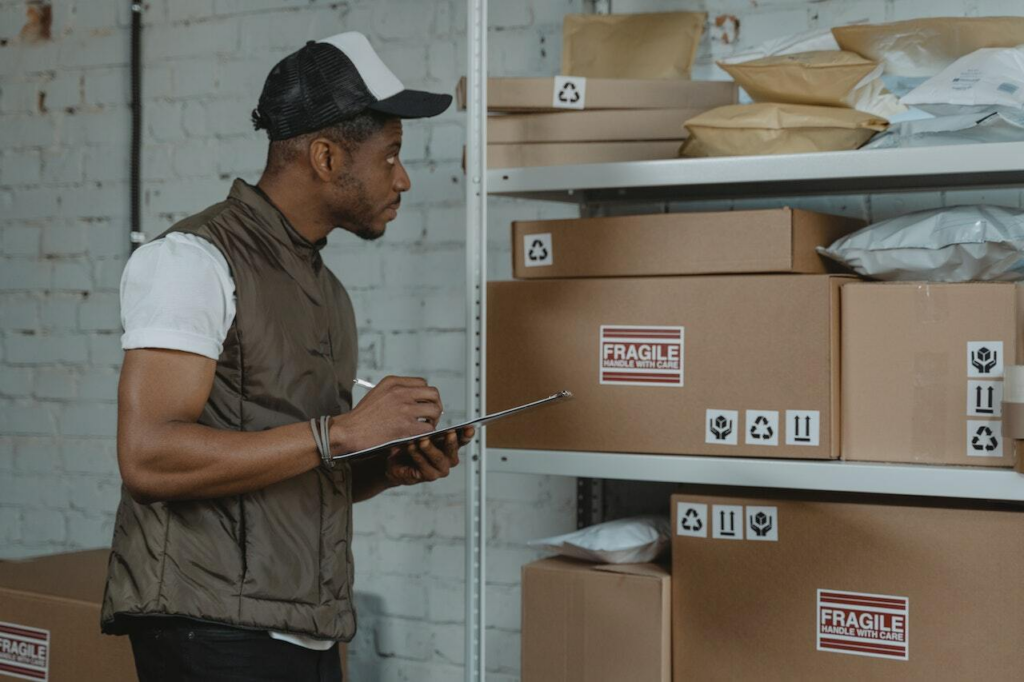
CNCartGo says its designated warehouse receives and inspects goods, weighs and stores them, and takes actual product photos for the buyer's review. It also says the warehouse offers 30 days of free storage.
This is the point where shipping starts to become calculable. Once the goods are physically present, the platform can confirm what arrived, whether there are multiple items, and how the parcel should be prepared. If the buyer wants to wait for additional items, combine packages, or request services such as reinforcement, that can change the parcel's final size and shipping cost. CNCartGo's guide specifically notes available services such as unpackaging, reinforcement, and insurance, all of which can affect how the parcel is prepared before shipment.
What factors determine the final shipping cost after warehouse arrival?
Destination country
CNCartGo's Shipping Policy says shipping costs are calculated automatically based on destination, package weight, and shipping method. That means the same parcel can have a different cost depending on where it is going.
This is normal in cross-border logistics. Different countries involve different carrier networks, linehaul costs, customs procedures, and last-mile arrangements. So even if two parcels are identical in size and weight, the final price may still differ because the destination is different.
Package weight
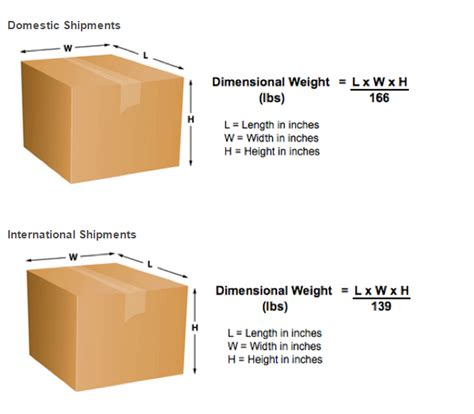
Weight is one of the most obvious cost drivers, and CNCartGo says shipping costs are calculated using package weight. But buyers should remember that "weight" is not always just what the product weighs by itself. Warehouse handling usually means the shipment is priced after packaging is completed and the parcel is ready for export.
This is why warehouse arrival matters. Before the warehouse packs the parcel, the platform does not know the final packed weight. One seller may ship in a thin bag. Another may send a product inside multiple boxes. The warehouse may also add protective packaging. All of that affects the weight used for final freight pricing.
Shipping method
CNCartGo's Shipping Policy lists three broad shipping categories: Standard Shipping with examples such as EMS, ePacket, and Postal Service; Express Shipping with DHL, FedEx, and UPS; and Economy Shipping with local postal services. It also gives estimated delivery ranges of 10–25 business days for standard, 5–10 business days for express, and 20–35 business days for economy, while noting that delivery times are only estimates.
That means the final shipping bill depends not only on the parcel itself, but also on the service level the buyer chooses. Faster routes usually cost more. Slower routes may cost less but have different handling rules, tracking quality, or delivery windows. So the final bill is linked to the buyer's route choice after the warehouse stage, not just to the product order.
Parcel size and dimensional weight
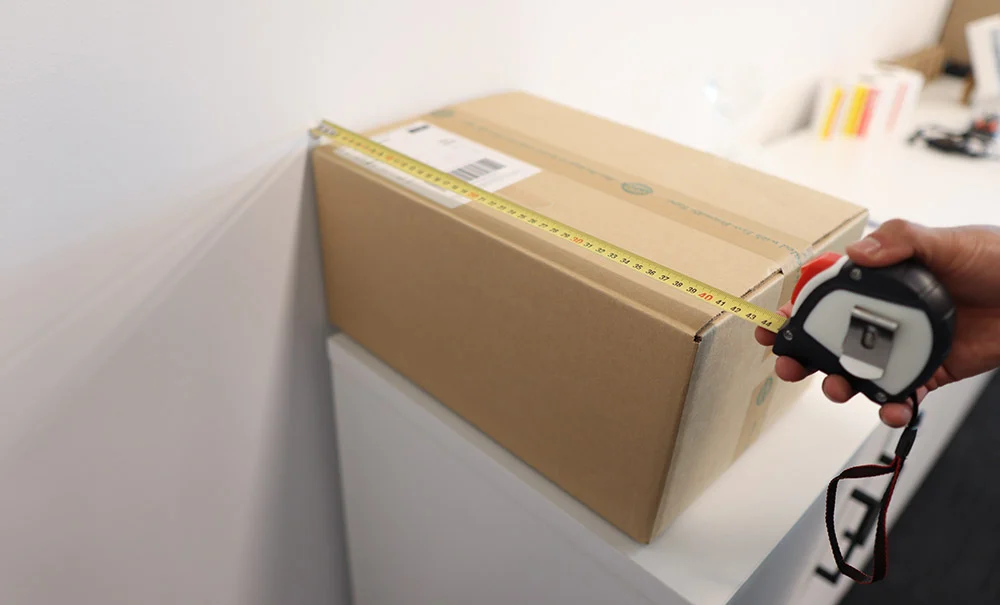
FedEx explains that dimensional weight reflects how much space a shipment occupies and that a package may be charged based on the higher of actual weight or dimensional weight. The formula uses length × width × height divided by a carrier divisor.
This is one of the most misunderstood parts of international shipping. A parcel may contain lightweight items, but if the box is large, the billable weight may be driven by volume rather than scale weight. That is another reason CNCartGo's final freight cannot be locked in before the warehouse measures the real parcel. The export carton dimensions only become known after the goods arrive and are packed for shipment.
Combined or split shipments
CNCartGo's Shipping Policy says orders may be split into multiple shipments based on warehouse availability, size, or weight. It also says combined shipments can be requested before dispatch, but orders already shipped cannot be merged. The Buyer's Guide further explains that when multiple items have been purchased, only the items that have actually arrived will appear in the warehouse, and the buyer can then proceed with parcel handling.
This is a big part of final shipping calculation. If a buyer sends items separately, each parcel may have its own base freight cost. If the buyer combines them, the total may be lower or more efficient, depending on the route and package structure. That is why many overseas buyers wait until all items arrive before paying the final shipping bill.
Restricted-item rules and route eligibility
CNCartGo's Buyer's Guide says some items are subject to shipping restrictions and may not be available via all logistics routes, and that the system filters the available delivery options. Its Shipping Policy also says oversized parcels may be split or incur extra charges, and that restricted or prohibited items such as batteries, liquids, creams, powders, foods, pharmaceuticals, and hazardous materials may require special handling or may not be shippable internationally.
That means final freight is not just math. It is also route eligibility. A parcel containing common clothing may have many route options. A parcel with cosmetics, batteries, or sensitive goods may have fewer choices and different pricing. So the warehouse stage matters because it confirms what is actually being shipped and which routes remain valid.
Why do many buyers see the most accurate price only after packaging?
Because packing changes the real shipment
CNCartGo's workflow shows that the warehouse can handle unpackaging, reinforcement, and insurance based on buyer requirements. Those are practical warehouse services, but they also affect the final export parcel.
For example, a parcel may become smaller if unnecessary outer packaging is removed. It may become heavier if reinforcement is added. It may need to be split if the route has weight or size limits. CNCartGo's shipping policy says shipments must comply with carrier and route limits for maximum weight and dimensions, and oversized parcels may be split or incur additional charges.
Because customs-related costs are separate from freight
CNCartGo's Shipping Policy says shipping fees do not include customs duties, import taxes, or other fees charged by destination authorities, and that those fees are the responsibility of the recipient where applicable.
This is important for buyers reading a final shipping bill. The freight invoice is not always the full landed cost. A buyer may still need to handle customs duties or import taxes later, depending on the destination country and the parcel type. So "final shipping cost" on the platform usually means the final carrier shipping charge, not every possible destination-side government fee.
What does this look like in a real buyer scenario?
Example 1: A student buying from Taobao and Weidian
A student in the UK buys stationery from Taobao and daily-use items from Weidian. At checkout, the student can pay for the products and domestic shipping first, but CNCartGo's guide says the international shipping cost is not shown yet. The goods then go through procurement, warehouse receipt, inspection, and storage. Only after the student sees what arrived and decides whether to combine the items does the final freight become clear.
In this case, the final shipping cost depends on the total packed parcel, not just the original product pages. If both orders are combined into one parcel, the buyer may save money compared with two separate exports. If one item is bulky, the route and billable weight may also change. That is why the warehouse stage is the key moment for accurate pricing.
Example 2: A buyer using Sourcing for a platform not covered by standard search
CNCartGo's Buyer's Guide says the Home-page search supports Taobao, 1688, and Weidian, while other platforms should go through Sourcing (DIY Orders). It also says sourcing orders require the buyer to wait for a quote notification after the items have been received into the warehouse.
That means the warehouse is even more important in sourcing cases. The platform may not be able to finalize outbound shipping until it has physically received the goods and confirmed the parcel details. For buyers using Pinduoduo, JD, or other non-standard sourcing flows, this makes the post-arrival pricing stage especially important.
What should buyers pay attention to before approving the shipping bill?
Check whether all items have arrived
CNCartGo's Buyer's Guide says that when multiple products are purchased, only the items that have actually arrived will be shown in the warehouse.
So before paying freight, buyers should make sure they are not accidentally shipping too early. If one parcel goes out before the other items arrive, the buyer may lose the chance to consolidate and lower the overall shipping cost.
Check route options and speed
CNCartGo's policy lists standard, express, and economy routes with different carrier examples and delivery windows.
That means the buyer should compare not just price, but also urgency, route suitability, and product type. The cheapest route may not always be the best one. The fastest route may not be necessary for every parcel. The correct shipping bill is not only about the number itself, but also about whether the route fits the order.
Check whether extra handling changed the parcel
CNCartGo's guide notes services such as unpackaging, reinforcement, and insurance.
If any of those services were used, buyers should expect the final freight calculation to reflect the parcel that was actually prepared, not the product listing as originally seen online. That is normal and is part of why the warehouse stage exists.
Conclusion
How Final Shipping Costs Are Calculated After Warehouse Arrival comes down to one simple truth: international freight can only be priced accurately when the parcel is real. CNCartGo's published workflow makes that clear. Buyers first pay for the item and domestic shipping, CNCartGo procures the goods, the warehouse receives and inspects them, and only then does the buyer move into parcel submission and international shipping payment. The Shipping Policy says the final shipping charge depends on destination, package weight, and shipping method, while carrier pricing logic such as dimensional weight explains why size can matter as much as scale weight.
For overseas buyers, this means the post-arrival shipping bill is not a delay or a hidden step. It is the stage where the estimate becomes a real logistics price. Once the parcel has been checked, packed, weighed, and matched to an eligible route, the buyer can finally see the most accurate shipping cost and decide whether to proceed. That is exactly why warehouse arrival is the turning point between a product order and a real international shipment.