How to Buy Baby Products From China Without Missing the Safety, Labeling, and Shipping Details
 Nicholas Chen
By CNCartGo Editorial Team
Baby products are one of the most attractive categories for international buyers sourcing from China because the range is huge, pricing can be very competitive, and many useful items are small enough to forward efficiently. They are also one of the easiest categories to get wrong if you buy only by product photos and headline price.
That is because the real buying decision usually sits below the surface. A baby item can look fine in a listing and still create problems later because the material feels thinner than expected, the age-stage detail is unclear, the accessories are incomplete, the package size changes the shipping cost, or the product needs market-specific compliance review before resale. In this category, the cheap mistake is rarely cheap once forwarding, repacking, and replacement are added.
For overseas buyers, the strongest baby-product orders usually come from a controlled workflow: define the exact item type, confirm what will actually arrive, send it to a China receiving point, inspect visible details before export, and only then make the final shipping decision. That process is especially important if you are buying for a family order, a trial retail batch, or a small business that cannot afford a messy first shipment.
Short Answer: Is Buying Baby Products From China a Good Idea?
Yes, when you stay inside the right product types and use a tighter checking process than you would for ordinary low-risk consumer goods.
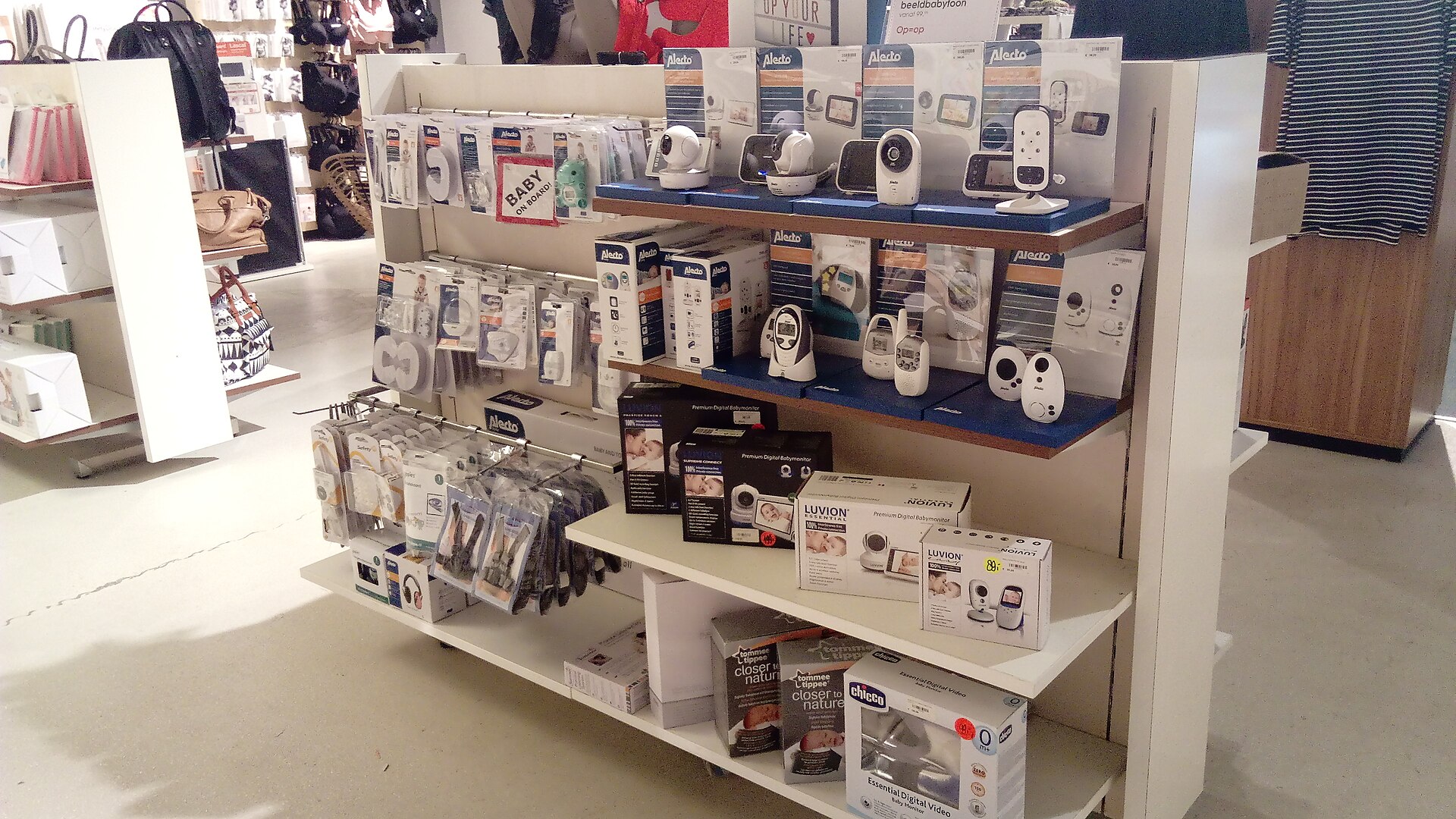
Soft goods, nursery accessories, feeding accessories without complicated electronics, stroller add-ons, storage items, bibs, muslin textiles, and everyday practical baby-use products can all be workable categories. The risk climbs fast when the item depends on a safety claim you cannot verify from a listing, a precise age-grade requirement, a battery-powered function, or a market-specific regulatory standard for resale.
So the right question is not only, "Can I buy baby products from China?" The better question is, "Can I define the item clearly, inspect the visible details realistically, and judge whether this product still makes sense after shipping and destination-market requirements are considered?"
Which Baby Product Categories Usually Work Best
The best-performing orders are usually the ones where the buyer can evaluate value through visible details, material feel, dimensions, and packaging logic, rather than through complicated technical promises.
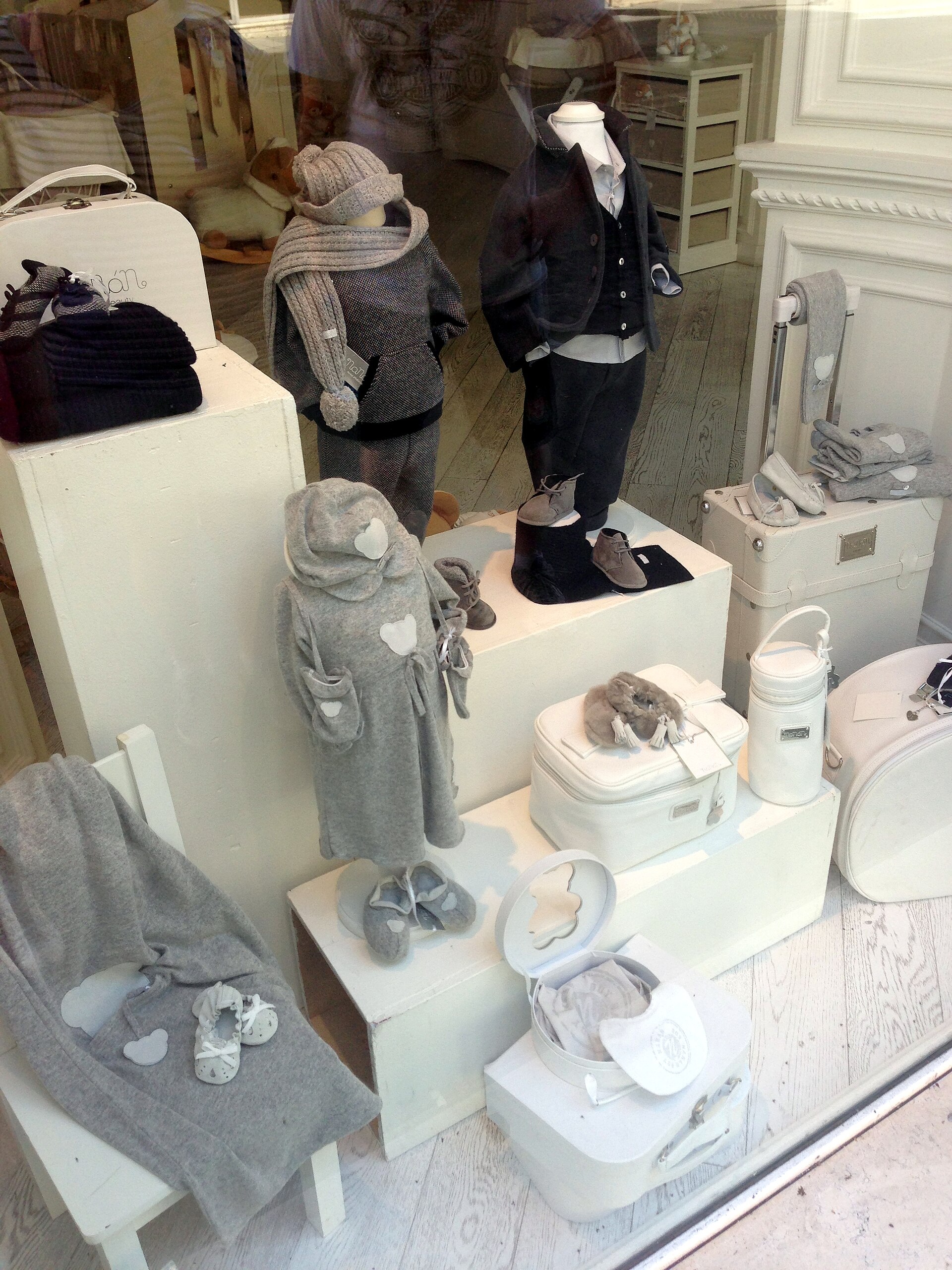
- Baby clothing basics: bodysuits, bibs, socks, hats, mittens, muslin cloths, and seasonal basics where fabric, stitching, sizing, and set count can be checked clearly.
- Nursery organizers: storage baskets, stroller hooks, diaper caddy organizers, changing-pad covers, and simple room accessories.
- Feeding accessories: silicone bibs, simple bowls, spoons, and non-electric accessories, provided the material and finish are confirmed carefully.
- Travel and stroller accessories: rain covers, clips, bags, liners, cup holders, and add-ons where dimensions and compatibility matter more than branding.
- Low-risk sample orders for small sellers: simple textile or accessory SKUs that let you test quality control and landed cost before scaling.
These categories fit cross-border buying better because a warehouse can usually help confirm visible details before export. If you need a broader view of how China-platform buying works before you choose the platform, start with How to Shop on Taobao, JD.com, and 1688 Internationally.
Where Buyers Usually Get Into Trouble
In this category, problems usually come from assumptions, not from the checkout screen itself.
We regularly see four trouble patterns. First, buyers treat the lead photo as proof of exact quality, when the shipped item may differ in fabric weight, trim quality, zipper strength, clasp finish, or accessory count. Second, they assume the item is suitable for their market without checking destination requirements for labeling, documentation, or product-category restrictions. Third, they buy several low-cost SKUs and only discover after warehouse arrival that the packaging is bulkier than expected. Fourth, they underestimate how much risk sits in battery-powered or more technical nursery items, where visual inspection alone is not enough.
That is why baby products are not one category in practice. A muslin bib set and a baby monitor should never be treated as the same kind of order. One is usually a visible-spec purchase. The other may involve electronics, battery rules, plug compatibility, manuals, and compliance considerations that require much stricter review.
A Safer Buying Workflow for Baby Products
The strongest baby-product orders usually follow a predictable sequence:
- choose the exact product type and use case before comparing listings
- save the product link, variant details, dimensions, and screenshots
- confirm material, size, included pieces, and packaging before payment
- send the order to a China receiving address, buying agent, or warehouse
- inspect the received goods for visible defects, quantity, and packaging reality
- repack or remove unnecessary retail boxes if shipping cost would otherwise spike
- dispatch internationally only after the final parcel is visible and costed correctly
This is where many first orders improve. Instead of trying to solve every problem after export, you solve the biggest problems at the China-side checkpoint while they are still manageable. If you are deciding whether you need hands-on purchase help or only forwarding, read Buying Agent vs Parcel Forwarder: Which One Do Overseas Buyers Actually Need?. For baby products, the answer depends on whether your risk is mostly shipping-related or already present at the sourcing stage.
What to Confirm Before You Pay
1. Exact material and finish
For textiles, ask about fabric composition, thickness, and whether the listing photos show the shipped version or only a styled sample. For silicone, plastic, or mixed-material accessories, ask for close photos of the finish, seams, edges, closures, and contact surfaces. If the item depends on softness, flexibility, or texture, do not buy from a vague listing.
2. Age stage and dimensions
Baby categories are full of products that look interchangeable until the size is wrong. Bib width, bowl depth, strap length, organizer pocket size, stroller-fit dimensions, blanket size, and clothing measurements all matter more than the title suggests. Ask for the actual size chart or product dimensions and save them before payment.
3. What is included in the shipment
Many low-price baby listings create confusion through bundle logic. The main image may show a full set while the selected option covers only one unit, one color, or a smaller bundle. Confirm exactly how many pieces will arrive, which accessories are included, and whether packaging inserts are part of the order.
4. Packaging size and export practicality
Bulky packaging changes the economics fast. That matters for gift-boxed sets, stroller accessories with shaped packaging, and products that ship well domestically but inefficiently overseas. If the item is mainly for personal use and not retail presentation, the better decision is often to ship the product safely but more compactly. Our guide Should You Remove Product Boxes When Shipping From China? is especially relevant here.
5. Destination-market requirements for resale
If the order is for resale, do not assume a China supplier listing answers your local compliance needs. Ask for documentation early, but do not mistake supplier-sent files for a complete destination-market approval process. Warehouse inspection can confirm what physically arrived. It cannot replace proper product, documentation, or legal review for your country. If that review is essential and the supplier cannot support it clearly, slow down before placing the order.
Best First Orders, and Categories to Treat More Carefully
A practical way to reduce risk is to split the category into easier and harder first purchases.
Better first orders: baby textiles, bibs, organizers, stroller accessories, diaper-bag accessories, simple storage, and non-technical nursery add-ons. These are easier because the product value can be judged through dimensions, visible finish, quantity, and packaging.
Higher-risk orders: battery-powered baby items, products that depend on formal safety or performance claims, highly structured feeding gear where fit and finish matter heavily, and any item where destination-market compliance determines whether you can legally resell it. Those orders require more than a warehouse photo check.
That does not mean you should never buy them. It means your process should become stricter. A battery-powered baby monitor, for example, has a different export and compatibility profile from a fabric stroller organizer. A large playpen has a different volumetric-weight problem from a pack of bibs. Treating all baby products as one simple category is the mistake that usually creates waste.
What Warehouse Inspection Should Actually Check
For baby products, the warehouse stage is where you protect yourself from visible mismatches before the parcel becomes an international shipment.
A useful inspection request usually includes:
- matching the received item to saved listing screenshots
- confirming color, quantity, and visible size or bundle count
- checking stitching, edges, snaps, closures, and obvious cosmetic defects
- checking whether accessories, straps, inserts, or spoons are actually inside the package
- confirming whether retail packaging is too bulky for efficient forwarding
- flagging damaged cartons, contamination, or visible material problems before export
This stage is especially valuable for textiles and accessory sets because one wrong color mix, one incomplete bundle, or one visibly weak finish can change whether the parcel is worth shipping at all. For a clearer look at what a warehouse can and cannot realistically verify, see What Does a China Warehouse Inspection Actually Check Before Shipping?.
How to Keep Shipping Costs Under Control
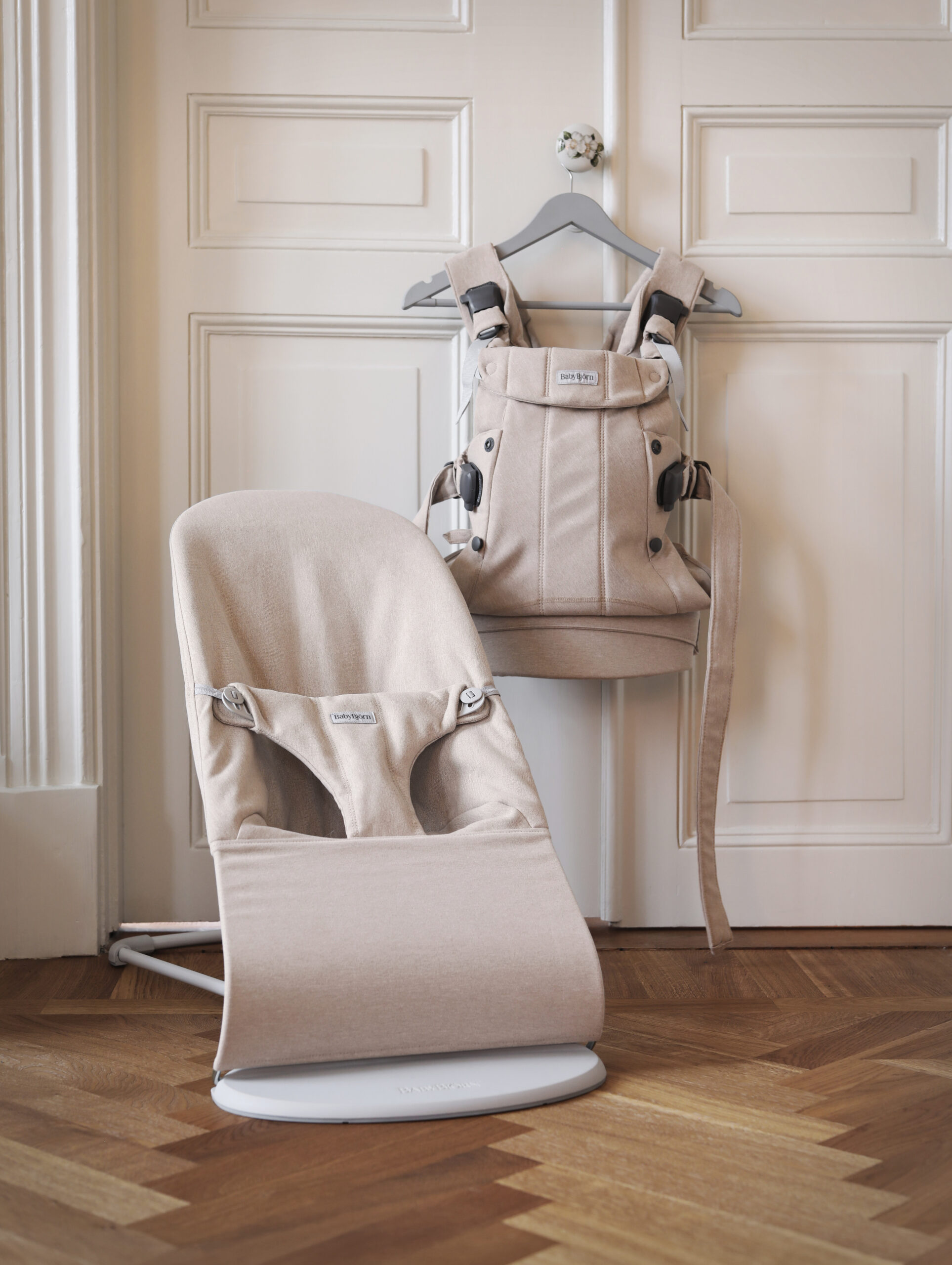
Baby products often look affordable at the item level but can become mediocre deals when parcel volume is ignored. That is common with gift-ready packaging, padded sets, travel gear, and multi-SKU trial orders where each unit is cheap but the outer carton is not.
Three habits help:
- wait for warehouse measurements before making a final cost judgment
- remove non-essential retail packaging when the presentation does not matter
- group soft goods separately from bulky structured items when that improves packing efficiency
Shipping math matters even more when your basket mixes lightweight clothing with awkward nursery accessories. The parcel that looked cheap on the supplier side can become expensive through dimensional weight. Before dispatch, review How to Reduce Cross-Border Logistics Cost When Buying From China. If you will need a customs value decision on the outgoing parcel, What Value Should You Declare When Shipping From China? is the right companion guide.
When a Buying Agent Adds Real Value
Baby-product sourcing is one of the categories where a buying agent can create value before shipping even starts. That is true when the listing is unclear, the size and material details need to be confirmed in Chinese, the bundle logic is confusing, or the order mixes several sellers and item types.
In practical workflows, the agent is useful because the biggest failure points are often simple but expensive: wrong variant, wrong set quantity, wrong size, unclear material, or bulky packaging that was never discussed early enough. Those are not dramatic sourcing failures. They are routine mistakes that become expensive only because nobody tightened the process in time.
For small business buyers, a good first order is often not the biggest order. It is a compact, highly checkable sample batch that reveals whether the supplier descriptions, quality consistency, packaging reality, and forwarding economics are good enough to justify reordering.
Final Answer
Buying baby products from China can make excellent sense for international buyers, but only when the category is narrowed intelligently and the workflow is stricter than the listing makes it look.
The safest approach is to focus on products that can be evaluated through visible details, dimensions, bundle count, and packaging reality, confirm those details before payment, inspect the goods at a China warehouse, and make the final shipping decision after the real parcel is known. For resale, do not treat warehouse inspection as a substitute for destination-market compliance review. For personal-use and low-risk accessory categories, however, a disciplined China-side workflow can turn baby products into one of the more practical and repeatable sourcing categories.