How to Buy Kitchen Accessories From China Without Letting Food-Contact, Packaging, and Margin Problems Sneak In
 Nicholas Chen
By CNCartGo Editorial Team
Kitchen accessories are one of the easiest China-buying categories to underestimate. The listings look simple, the unit prices are often low, and the products can feel interchangeable until the order reaches the warehouse and the real questions start. Is the silicone actually food-contact grade for your market? Does the utensil set include the holder shown in the lead image? Is the "lightweight" organizer still worth shipping once the carton size is measured? Will fragile glass or ceramic pieces survive the export leg without expensive protective packing?
In practical workflows, the best kitchen-accessory orders are usually the boring ones in a good way. The buyer chooses products that are easy to define, easy to count, easy to inspect, and still worth forwarding after repacking. The weak orders usually combine low-price temptation with vague material claims, oversized retail boxes, or products whose safety and compliance cannot be judged from a warehouse photo alone.
If you want the short version, here it is: kitchen accessories from China work best when you separate easy visible-spec products from higher-risk food-contact or fragile items before you pay.
Short Answer: Is Buying Kitchen Accessories From China a Good Idea?
Yes, especially for practical tools and organizers where the main buying questions can be answered before export. Silicone spatulas, measuring spoons, drawer organizers, prep bowls, utensil crocks, storage bins, dish racks, sink accessories, and simple non-electric kitchen tools are often workable categories. The risk rises when the item depends on food-contact claims, fragile materials, electrical compatibility, blade quality, coating performance, or destination-market compliance that a quick warehouse check cannot really prove.
That is why kitchen accessories are not one category in real buying terms. A stainless measuring-cup set, a ceramic bakeware gift set, and a plug-in cooking gadget should never be treated as the same sourcing decision. If you still need the broader platform view first, start with How to Shop on Taobao, JD.com, and 1688 Internationally.
Which Kitchen-Accessory Categories Usually Work Best
The strongest first orders are the ones where visible construction and dimensions matter more than hidden performance claims.
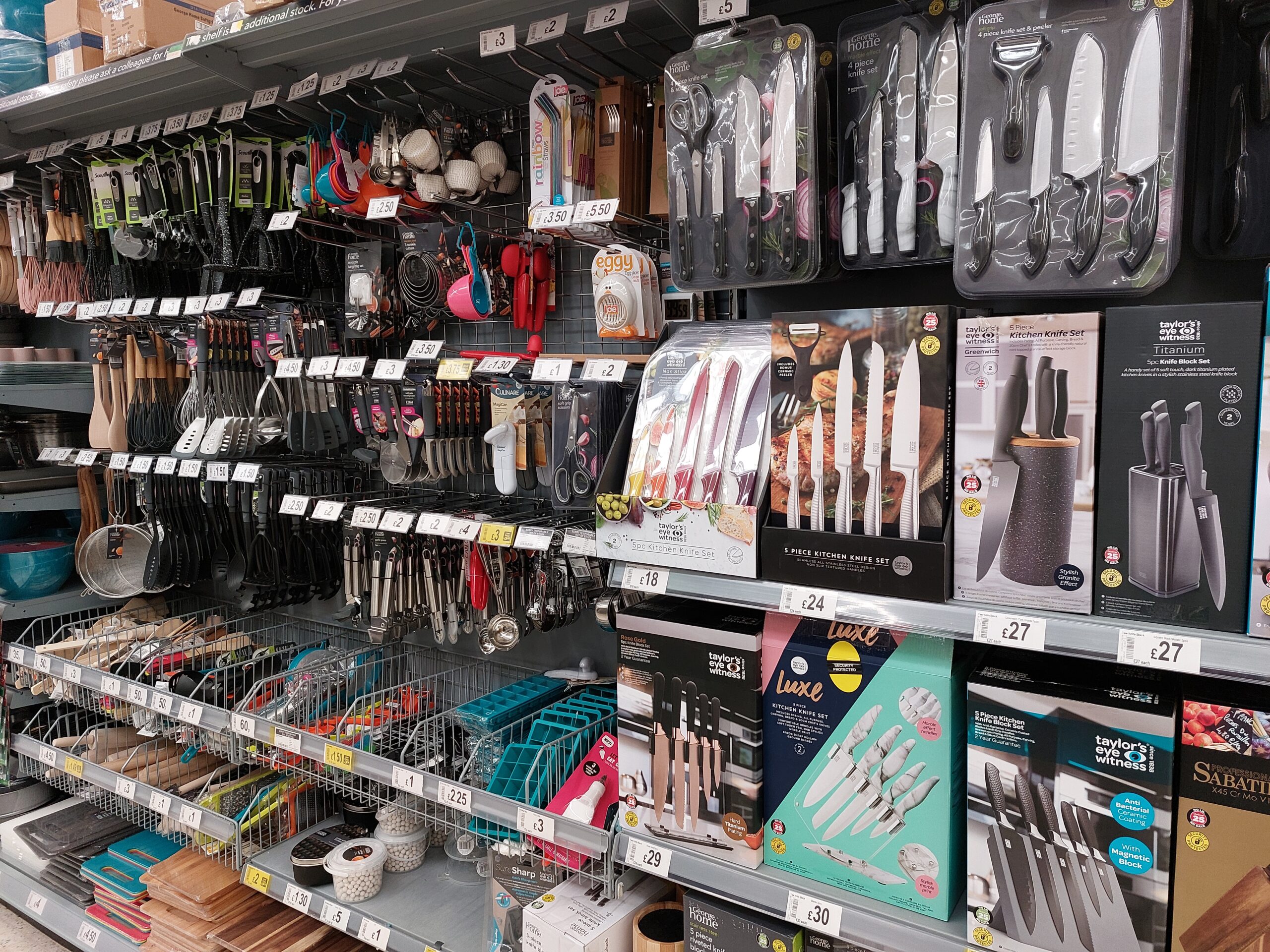
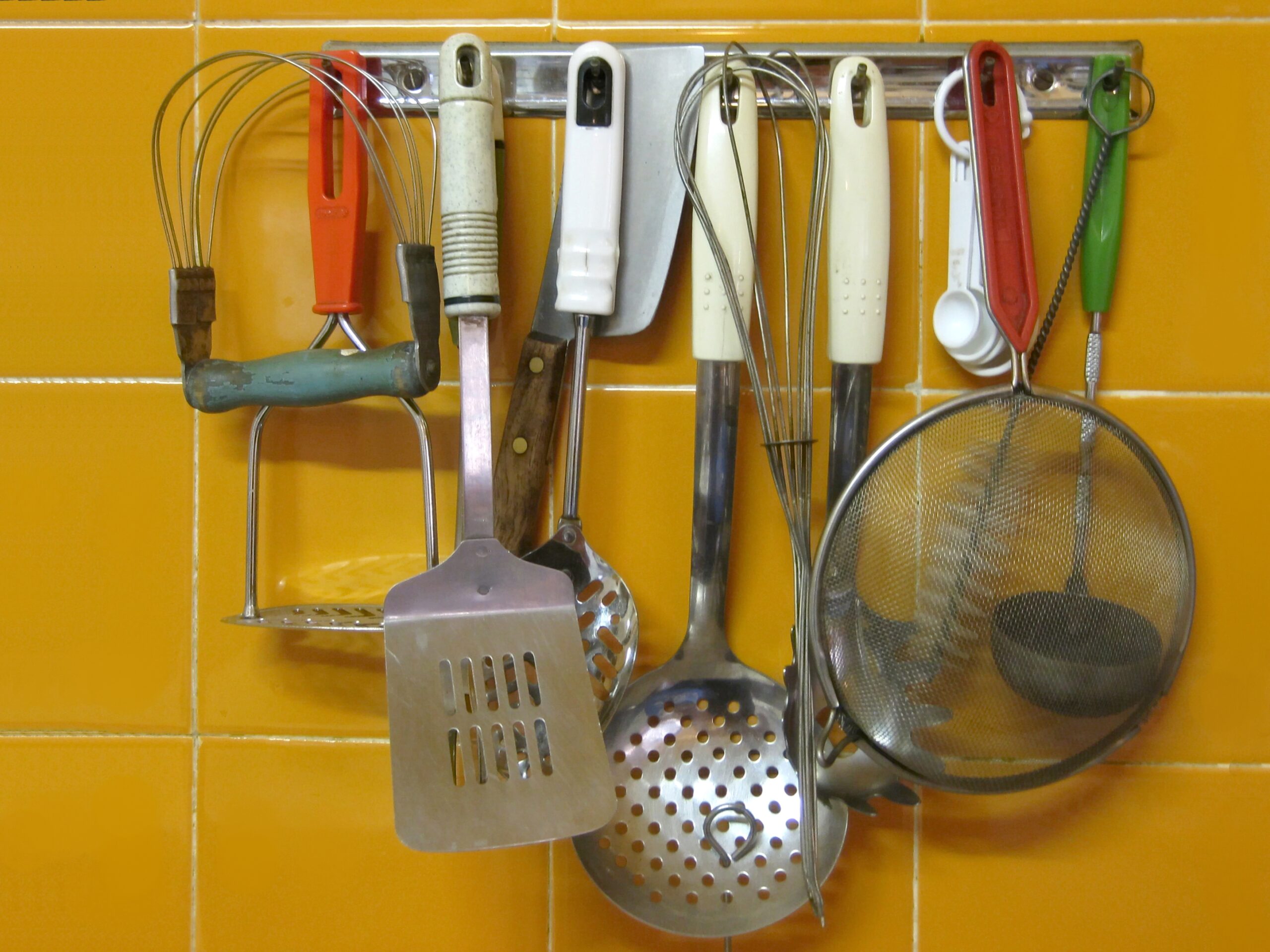
- Simple kitchen tools: measuring spoons, spatulas, tongs, peelers, funnels, whisks, strainers, and manual prep tools with clearly visible construction.
- Storage and organization: drawer dividers, spice-rack accessories, sink caddies, cabinet organizers, shelf risers, and countertop storage items where dimensions and finish can be checked easily.
- Non-fragile tabletop add-ons: utensil holders, placemat sets, storage canisters, and serving accessories that do not depend on complex electronics or coating claims.
- Sample-friendly small business SKUs: compact accessory sets that let a buyer test supplier consistency, packaging reality, and shipping economics before committing to a larger reorder.
These categories tend to work because a warehouse can confirm the visible details that decide whether the order is still worth shipping. When the real uncertainty sits before purchase, a front-loaded service model often matters more than the warehouse alone. That is exactly where Buying Agent vs Parcel Forwarder: Which One Do Overseas Buyers Actually Need? becomes useful.
Where Buyers Usually Get Burned
We see four recurring mistakes in this category. First, buyers trust the main image more than the variant details, then discover the set count, material, or included accessories do not match the photo. Second, they treat all food-contact items as low risk, even though local compliance expectations, labeling, and material documentation can matter a lot for resale. Third, they ignore parcel volume on bulky organizers and racks, which makes a low-cost item look much weaker after forwarding. Fourth, they mix fragile and non-fragile items into one trial order without deciding how much repacking protection the export leg will need.
That last point matters more than people expect. A dish rack or acrylic organizer may be cheap at checkout and still turn into a bad order once dimensional weight and protective packing are added. If retail presentation is not essential, the advice in Should You Remove Product Boxes When Shipping From China? often improves the math immediately.
A Safer Buying Workflow for Kitchen Accessories
- choose the exact use case before comparing listings
- save product links, dimensions, material notes, and screenshots of the selected variant
- confirm what is included in the set, what the actual material is, and how the item is packed
- send the order to a China warehouse or buying agent for receiving
- request a visible-spec inspection for count, finish, packaging, and obvious damage
- decide whether repacking, box removal, or split shipping improves the parcel economics
- ship internationally only after the real parcel size and route fit are known
For kitchen accessories, that workflow usually protects margin better than trying to solve everything after dispatch. If the order includes fragile goods, glass inserts, or a mixed basket of compact and bulky items, the warehouse checkpoint matters because it gives you one last rational decision point before export. For a clear explanation of what that checkpoint can and cannot verify, read What Does a China Warehouse Inspection Actually Check Before Shipping?.
What to Confirm Before You Pay
1. Exact material, not just the marketing label
For spatulas, bowls, trays, canisters, and storage accessories, ask what the product is actually made from. Silicone, PP, stainless steel, bamboo, glass, ceramic, and mixed-material products all create different risk profiles. If the product is for direct food contact or resale, do not treat a vague material claim as enough evidence on its own.
2. What the set really includes
Kitchen listings often show a styled setup that makes one SKU look like a full countertop arrangement. Confirm how many pieces are included, whether lids or holders are separate, and whether the displayed stand, tray, or rack belongs to the selected variant.
3. Real dimensions and packaging
Drawer organizers, shelf racks, and sink accessories are classic dimensional-weight traps. The product itself may be light, but the carton can be large enough to damage the economics of the order. If you are buying several units, plan around parcel shape early and compare that with the guidance in How to Reduce Cross-Border Logistics Cost When Buying From China.
4. Fragility and repacking needs
Ceramic jars, glass prep containers, and decorative tabletop accessories can still be valid buys, but they need a stricter margin threshold. Ask whether the standard packaging is built for ordinary domestic delivery only or whether it will need heavier export protection after warehouse arrival.
5. Destination-market limits for resale
If the item will be resold, remember the warehouse can confirm what physically arrived, not certify that every food-contact or labeling obligation in your country has been met. That limitation should be stated clearly before you scale the order.
What the Warehouse Should Actually Check
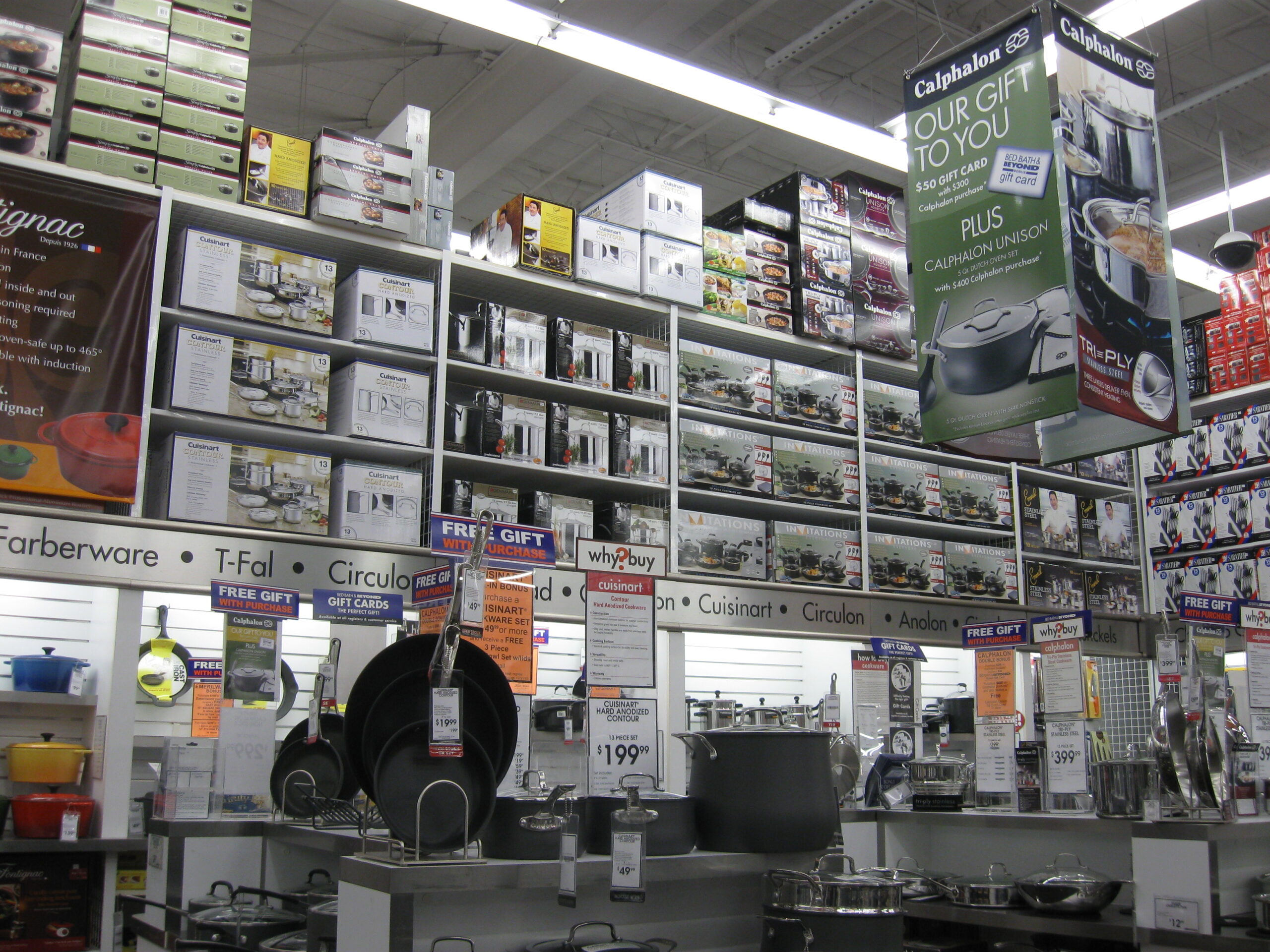
A useful kitchen-accessories inspection request is narrow and practical. Ask the warehouse to confirm:
- the correct variant, color, and piece count
- obvious finish issues such as dents, chips, scratches, weak seals, or poor edges
- whether lids, inserts, holders, or bundled parts are actually inside the package
- whether the retail box is too bulky or too weak for efficient forwarding
- whether fragile items need extra protection or should be removed from the shipment
That is usually enough to stop the most expensive mistakes before the parcel becomes an international shipping problem. If you will also need to choose a realistic customs value on the outbound parcel, pair the final dispatch step with What Value Should You Declare When Shipping From China?.
Best First Orders, and Items to Treat More Carefully
Better first orders: manual prep tools, measuring sets, strainers, organizers, utensil holders, spice accessories, storage bins, and other compact visible-spec items.
Higher-risk orders: electric kitchen gadgets, fragile ceramic or glass gift sets, knife-heavy bundles, coated cookware where performance claims matter, and food-contact products being bought for resale without a proper documentation plan.
That does not mean the higher-risk products are never worth buying. It means they need a tighter sourcing threshold, clearer documentation, and better margin discipline. For most first-time overseas buyers, a compact kitchen-accessories order is a better test of supplier reliability than a mixed basket full of fragile, coated, or electrical products.
Final Answer
Buying kitchen accessories from China can be a very good move when the order stays inside products that are easy to define, easy to inspect, and still worth shipping after the real parcel is measured.
The safest approach is to start with simple tools and organizers, confirm materials and set contents before payment, use the warehouse as a real decision checkpoint, and make the final shipping call only after packaging and landed cost are visible. If you do that, kitchen accessories can become a repeatable, low-drama category. If you ignore food-contact limits, bulky packaging, or fragile-item protection, the "cheap" order can become expensive fast.