How to Buy Fashion Jewelry From China in 2026: A Practical Guide for Small Sellers and International Buyers
 Nicholas Chen
By Nicholas | CNCartGo Editorial Team
Fashion jewelry is one of the easiest China-sourcing categories to start and one of the easiest to misjudge. The visible price is often attractive, style turnover is fast, and small sellers can test new designs without the cash commitment required in heavier categories. The hidden problem is that jewelry quality fails in quiet ways. Plating fades after a few wears, clasps loosen, stone setting varies from pair to pair, and a set that looked premium in the listing can arrive with thin cards, scratched metal, or packaging that does not survive international forwarding.
That is why the strongest fashion-jewelry orders are not built around the cheapest listing. They are built around repeatability. A buyer needs to know what material is actually being used, whether the finish is consistent across the batch, how the pieces are packed domestically, and whether the landed cost still works after sample checks, warehouse inspection, and export shipping. In practice, a profitable order usually starts as a controlled sample order, not a blind bulk purchase.
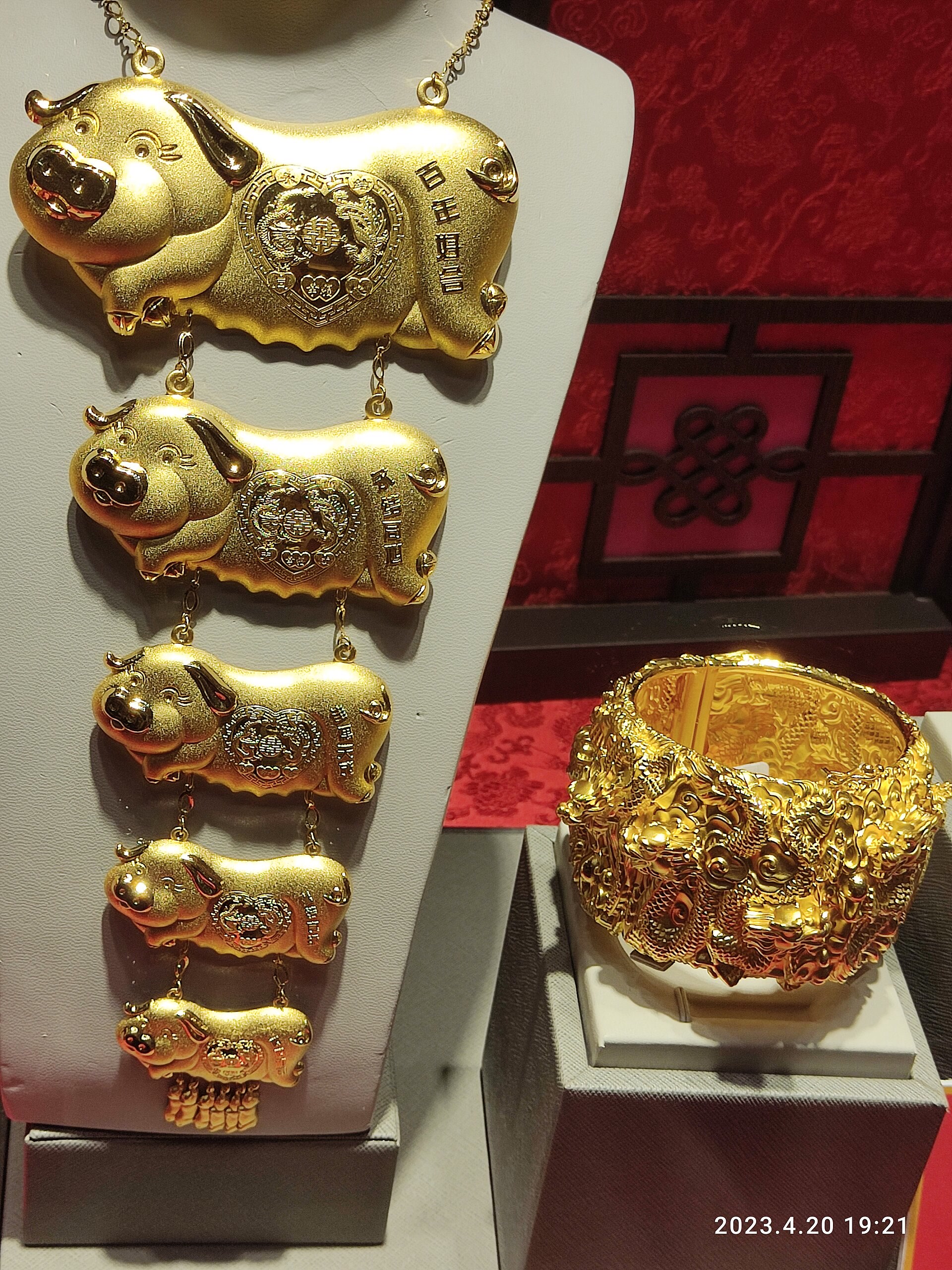
Short Answer: Is Fashion Jewelry a Good Category to Buy From China?
Yes, for many overseas buyers it is a strong category because the style range is huge, unit value is manageable, and small-batch testing is realistic. It works best for boutiques, online sellers, and sourcing teams that can compare samples carefully before scaling.
The category goes wrong when buyers treat photos as proof of quality. In jewelry, small details decide whether the order is sellable: plating thickness, post straightness, clasp tension, backing quality, matching color across a set, whether rhinestones are seated cleanly, and whether the packaging feels giftable or disposable. If you cannot control those details before export, the low supplier price stops meaning much.
Which Fashion Jewelry Products Usually Work Best
The safest starting point is fashion jewelry with clear visual checkpoints and low packaging complexity.
- Simple earrings, necklaces, bracelets, and rings: these are easier to sample, count, and compare for finish consistency than complicated multi-part sets.
- Trend-led but low-fragility pieces: resin, stainless-look, alloy, or bead-based designs often work better than delicate pieces with many moving parts.
- Small carded or pouched items: these usually travel more efficiently and make warehouse counting easier.
- Private-label test runs with simple packaging: small sellers often learn faster from a disciplined sample batch than from trying to build a full brand line immediately.
If you are still deciding whether the order needs upstream sourcing help or only forwarding support, start with buying agent vs parcel forwarder. Jewelry often looks simple, but the risk usually begins before the parcel exists.
What Makes Fashion Jewelry Risky
Most jewelry problems are not dramatic fraud problems. They are batch-quality problems that only become expensive after shipping.
- Material mismatch: "stainless" can mean stainless parts, stainless color, or a mixed-material piece if you do not confirm carefully.
- Plating inconsistency: one sample can look excellent while the production batch shifts in tone or durability.
- Stone and glue issues: loose rhinestones, weak adhesive, and uneven setting create immediate return risk.
- Weak packaging: tangled chains, bent posts, scratched surfaces, and crushed display cards often come from ordinary domestic packing, not from the international route itself.
- MOQ pressure: buyers sometimes accept a big quantity just to hit a supplier threshold before proving that the item can hold up in real use.
The smartest anti-risk move is usually a sample run. Our real-world 1688 sample order review shows why small test orders often save more money than they cost, especially in categories where finish and packaging consistency matter more than raw function.
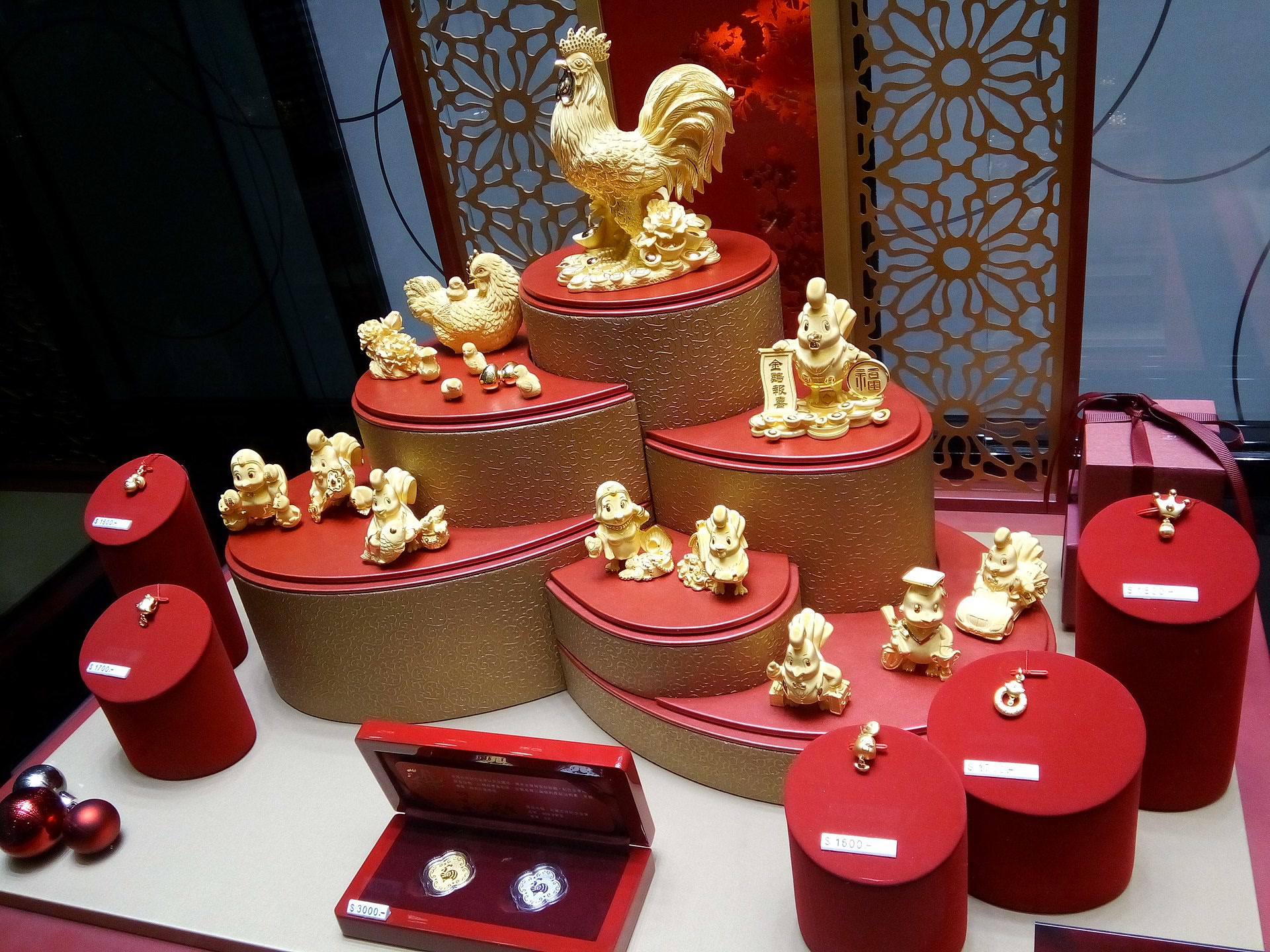
A Practical Buying Workflow for Fashion Jewelry
- Narrow the collection before contacting suppliers. Do not mix minimalist stainless-style earrings, crystal occasion pieces, and kid-safe accessories into one comparison file. They belong in different risk buckets.
- Request exact material and finish details. Ask what the base metal is, whether posts and clasps use the same material, what plating or coating is applied, and what packaging is included by default.
- Order samples before chasing price breaks. A small sample batch tells you more than a polished chat thread ever will.
- Save SKU evidence carefully. Keep screenshots, dimensions, color notes, and packaging promises. Jewelry styles are easy to confuse after they reach a warehouse.
- Inspect after warehouse arrival. Check count, visible scratches, bent posts, missing backs, clasp feel, card alignment, and whether mixed finishes are still sorted correctly.
- Choose the export plan after the parcel is real. Jewelry is light, but gift boxes, branded cards, and bundled sets can still change the shipping math.
This workflow feels slower than casual marketplace shopping, but it is much cheaper than receiving 300 pieces that look right in photos and wrong in hand.
What to Confirm Before You Pay
1. Base material, plating, and parts mix
Ask direct questions. Is the whole piece made from the stated material, or only the hook, post, or chain? Are backs included? Are extenders the same finish as the main chain? This matters because mixed parts are one of the most common reasons a "good sample" turns into inconsistent stock.
2. Dimensions and weight
Jewelry photos routinely distort scale. Save exact measurements for hoop diameter, chain length, pendant size, and piece weight before paying. Oversized pieces can look premium online and become hard to wear, while undersized pieces can feel cheaper than expected on arrival.
3. Packaging standard
Confirm whether the default shipment includes OPP bags, cards, pouches, barcodes, or gift boxes. For small sellers, packaging affects both resale value and export efficiency. A premium box can help conversion, but it can also damage margin if the box is bulky or easy to crush.
4. Batch consistency expectations
Ask whether color lots, plating tone, or stone color can vary between runs. This is especially important if the order will be restocked later and you care about repeatability across product photos and future inventory.
5. Rework options if samples fail
Before paying for production, know whether the supplier can swap cards, separate colors, improve packing, or remake obvious defects. If that answer is vague, treat the order as higher risk.
What Warehouse Inspection Should Check
In jewelry orders, a warehouse does not replace full wear testing, but it is still the stage that prevents many avoidable exports. A useful inspection request is specific and visual.
| Inspection point | Why it matters | What to do if it fails |
|---|---|---|
| Count and SKU separation | Mixed styles and colors are easy to confuse in small packaging | Recount and relabel before export |
| Visible finish quality | Scratches, uneven plating, and missing stones create immediate return risk | Pause shipment and request closer photos or replacement |
| Clasp, post, and backing condition | Weak functional parts ruin otherwise good-looking pieces | Remove defective units or split the batch |
| Packaging integrity | Tangles, bent cards, and crushed boxes often happen before forwarding | Repack before the international leg |
| Real parcel size | Gift boxes and bundled sets can add surprising volume | Recalculate landed cost before dispatch |
For a broader operational view, see what a China warehouse inspection actually checks before shipping. The key limitation is worth stating clearly: a warehouse can confirm visible condition and packing quality, but it cannot guarantee long-term wear performance from a quick photo review alone.
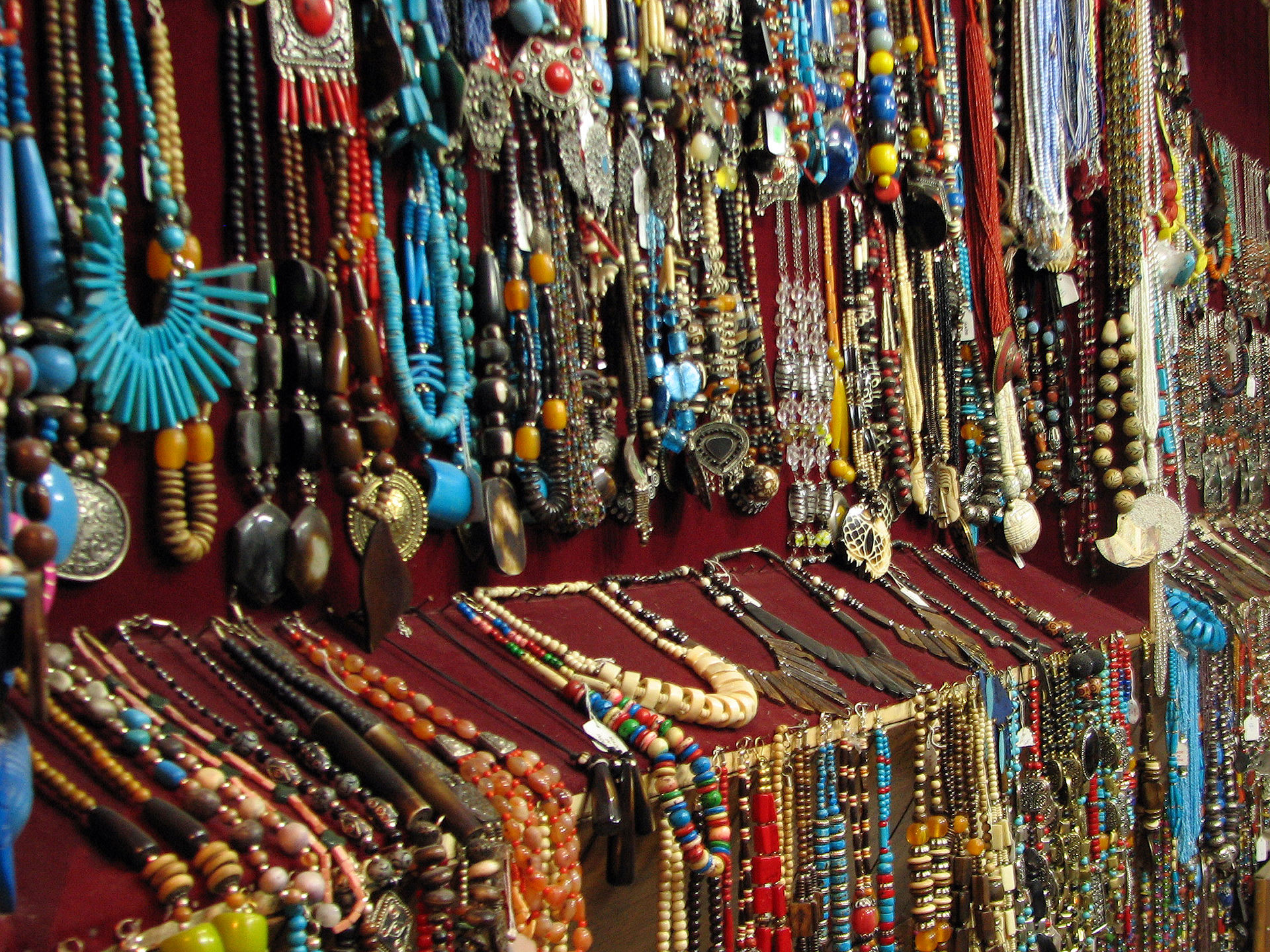
How to Keep Shipping and Margin Under Control
Fashion jewelry is usually light, which is an advantage, but buyers still lose margin when they ignore packaging and order structure. Three rules matter most:
- Price the order by landed cost, not unit cost. Small pieces can still become expensive if the carding, pouches, boxes, and repacking work are inefficient.
- Use simple packaging for the first run. Clean pouches or flat cards often protect margin better than bulky gift presentation on an unproven SKU.
- Let the real parcel guide the route. Once the warehouse sees the final weight and volume, compare line options. Our guide to the best shipping method from China in 2026 is the right reference before dispatch.
If you are testing several small jewelry styles together, it also helps to review how to reduce cross-border logistics cost when buying from China. The biggest savings usually come from packaging discipline and order structure, not from chasing unrealistic freight shortcuts.
Who This Category Fits Best
Fashion jewelry is a strong fit for boutiques, online resellers, gift shops, and trend-driven sellers who can evaluate design appeal quickly and are willing to sample before scaling. It is also a good fit for small brands testing private-label accessories in controlled batches.
It is a weak fit for buyers who need guaranteed material performance without a proper verification process, who plan to jump straight to a large MOQ, or who expect the listing photos to tell the full quality story. In jewelry, operational discipline matters more than the first quoted price.
Final Take
Buying fashion jewelry from China can be a smart move in 2026 because the category gives small sellers room to test styles quickly and keep inventory flexible. The reliable path is simple: narrow the product type, confirm exact materials and packaging, run samples before scaling, inspect the real batch after China-side receipt, and choose the shipping route only after the final parcel is honest.
That sequence protects both margin and reputation. In fashion jewelry, customers notice the details fast, so the buyer has to control the details even earlier.