A Real-World 1688 Sample Order Review: Was a Low-MOQ Packaging Test Worth Shipping Overseas?
 Nicholas Chen
By Nicholas | CNCartGo Editorial Team
This review is based on a common small-business sourcing decision: ordering a low-MOQ packaging sample from 1688 before committing to a larger print run. In this case, the buyer was not chasing the cheapest carton on the platform. They were testing whether a supplier's kraft mailer box sample still looked like a sensible overseas shipment after real dimensions, board stiffness, print alignment, and repacking cost were visible together.
The search intent behind 1688 sample order review is practical. Buyers want to know whether a trial order from a China supplier can reveal enough before a bigger commitment. They are not looking for marketplace hype. They want to know if the sample tells the truth about product quality and export viability.
Short Answer
Yes, this 1688 sample order was worth shipping overseas, but only because the buyer treated the trial as a decision checkpoint, not as a symbolic first purchase. The order stayed useful because the sample answered four real questions: did the carton material feel strong enough, did the printed logo sit cleanly, did the folded size match the product, and did the final packed weight still make sense for an international test shipment?
If two of those checks had failed, the order would have stopped at the warehouse. That is the point of a good sample run. It should protect the next decision, not create false confidence.
What the Buyer Was Testing
The buyer runs a small e-commerce brand and wanted 50 custom-style kraft mailer boxes as a first commercial batch later, but only after seeing one supplier sample in person. The 1688 listing looked promising on price and photos, yet sample orders like this often go wrong in ordinary ways: thin board, oversized folds, weak print registration, or a finished parcel that costs too much for the learning it provides.
That is why the workflow matters more than the list price. Buyers who still need help deciding whether they need a buying agent or only a parcel forwarder should solve that first. A sample order only works when someone is clearly responsible for confirming the right details before export.
What We Checked at the Warehouse
Once the sample reached the warehouse, the useful checks were concrete rather than fancy:
- Board quality. The carton walls needed enough stiffness that the box would not soften immediately under normal product weight.
- Fold accuracy. The sample had to open and close cleanly without misaligned edges or awkward bulges.
- Print position. The front logo placement was close to the proof, with only minor variance that would still be acceptable on a first commercial run.
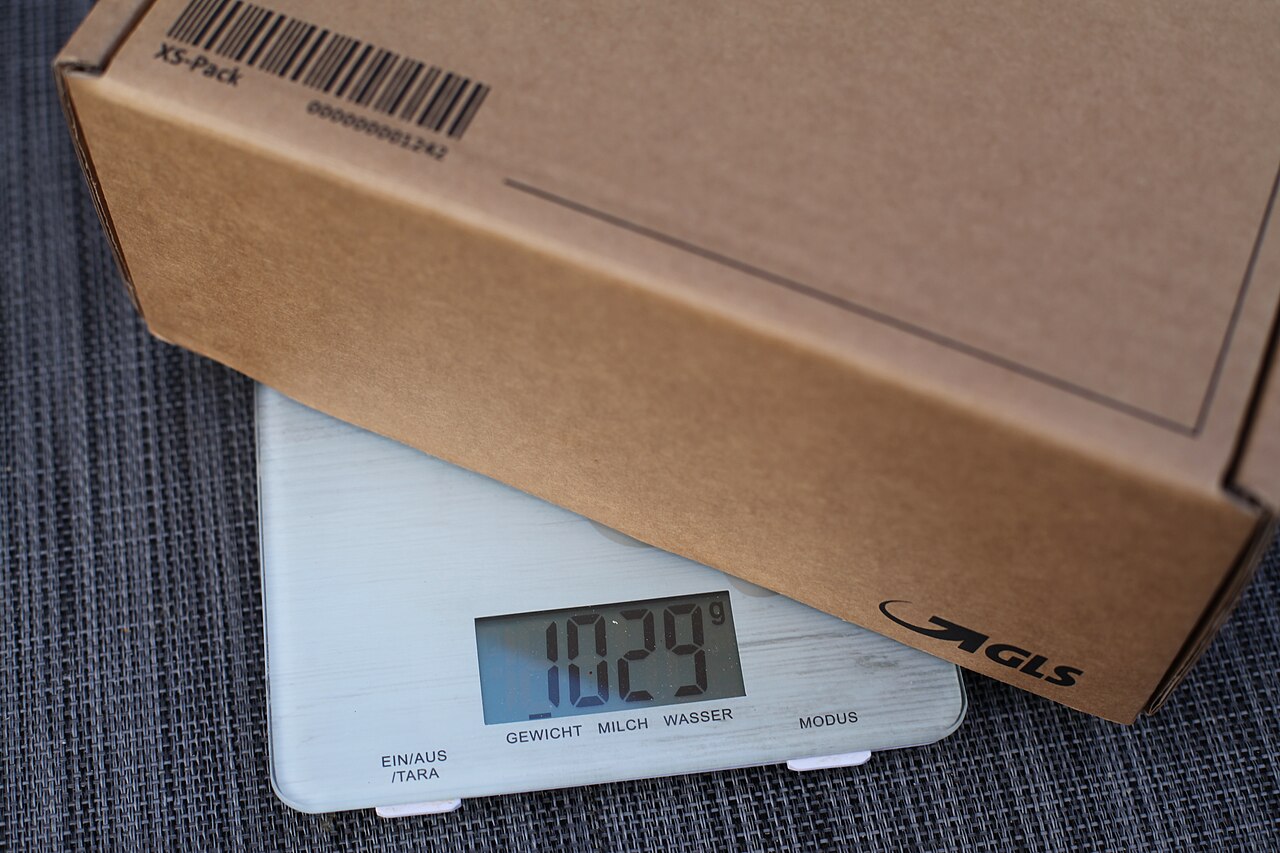
- Packed measurement. The actual parcel size and weight needed to stay reasonable for a sample shipment rather than turning into an expensive lesson.
That is the same practical boundary we describe in what a warehouse inspection can realistically check before shipping. The warehouse cannot replace a full packaging lab, but it can reveal whether the supplier delivered something close enough to the promised sample to justify the next step.
What Nearly Made the Buyer Stop
The weak point was not the print. It was the way the sample had been packed for the domestic leg. One outer corner was compressed, which made it harder to tell whether the slight crease came from manufacturing weakness or from rough handling after dispatch. That is exactly why sample orders should not be approved casually.
Before export, the better move was to review the same repacking questions covered in this warehouse repack checklist. The buyer needed clearer protection around the sample so the second leg would not add fresh damage and distort the test result.
Why the Shipment Still Passed
Even with that caution point, the sample still passed because the core product signal was strong. The board quality looked acceptable for the intended lightweight item, the fold lines were usable, and the logo sat close enough to center that the supplier appeared operationally competent. Most importantly, the final shipment stayed small enough to feel like a rational test, not a sunk-cost mistake.
The buyer also chose to keep the sample box intact instead of flattening it aggressively. For some orders, it makes sense to remove boxes before shipping from China. For a packaging sample, that would defeat the purpose. The intact structure was part of what the buyer was paying to evaluate.
What Overseas Buyers Should Learn From This 1688 Sample Order Review
- Use a sample to answer one business decision. Here, the decision was whether this supplier deserved a larger packaging run.
- Judge packed weight early. A cheap sample that ships badly is still a weak sample.
- Do not hide handling damage in the evaluation. If packing weakened the result, say so plainly.
- Keep the sample structure when structure is the product. Packaging samples should arrive in a form the buyer can actually assess.
- Choose the route after the real parcel exists. Use the same logic as choosing the best shipping method from China, not the assumptions made before the sample was packed.
Final Take
This real-world 1688 sample order review ended with a yes, but a conditional yes. The supplier did enough right to stay in consideration for a larger order, and the sample was worth forwarding because it delivered usable evidence rather than vague reassurance.
That is the best use of a low-MOQ 1688 trial. A sample shipment should reduce decision risk, expose limitations honestly, and make the next sourcing step clearer than it was before the parcel arrived.