How Long Will a Parcel Forwarder Hold Your Packages in China? A Practical FAQ for Overseas Buyers
 Nicholas Chen
By Nicholas | CNCartGo Editorial Team
This is one of the most common questions overseas buyers ask after their first few China orders start arriving: how long will a parcel forwarder hold your packages in China before you have to ship them, combine them, or pay extra? The short answer is that most forwarders do not hold parcels forever, and the useful answer depends on what still needs to happen during the hold window. If your warehouse time is being used to wait for another seller parcel, check arrivals, remove dead space, or choose a better route, holding can save money. If parcels are simply sitting because nobody has decided what to do next, storage time turns from a benefit into a cost risk.
In real forwarding workflows, the pressure usually starts after the first two or three seller parcels arrive. Buyers feel they should dispatch immediately, even when another important parcel is still in transit. We regularly see the opposite mistake as well. Buyers wait too long, miss the free storage window, and then discover that the final shipment decision is now happening under fee pressure instead of calmly. A good warehouse timeline should support inspection, repacking, and route selection, not create a last-minute scramble.
That is why this FAQ matters. Buyers searching for answers about parcel forwarder storage time are not really asking for a single universal number. They are trying to understand when waiting helps, when storage fees start to become a problem, and when it is smarter to split, repack, or ship. Those are practical questions with direct business impact for anyone buying from Taobao, 1688, JD.com, Xianyu, or multiple Chinese sellers at the same time.
Short Answer
Most parcel forwarders in China offer a limited free storage period, often somewhere between about one week and one month, then add storage fees or require action if parcels stay too long. The right move is not to chase the longest holding promise. It is to use the hold window for something useful: waiting for the last relevant parcel, checking item condition, approving repacking, or matching the final package to the right shipping line. If none of those steps are improving the shipment anymore, you are usually better off dispatching before storage time turns into friction.
Why Forwarders Hold Parcels in the First Place
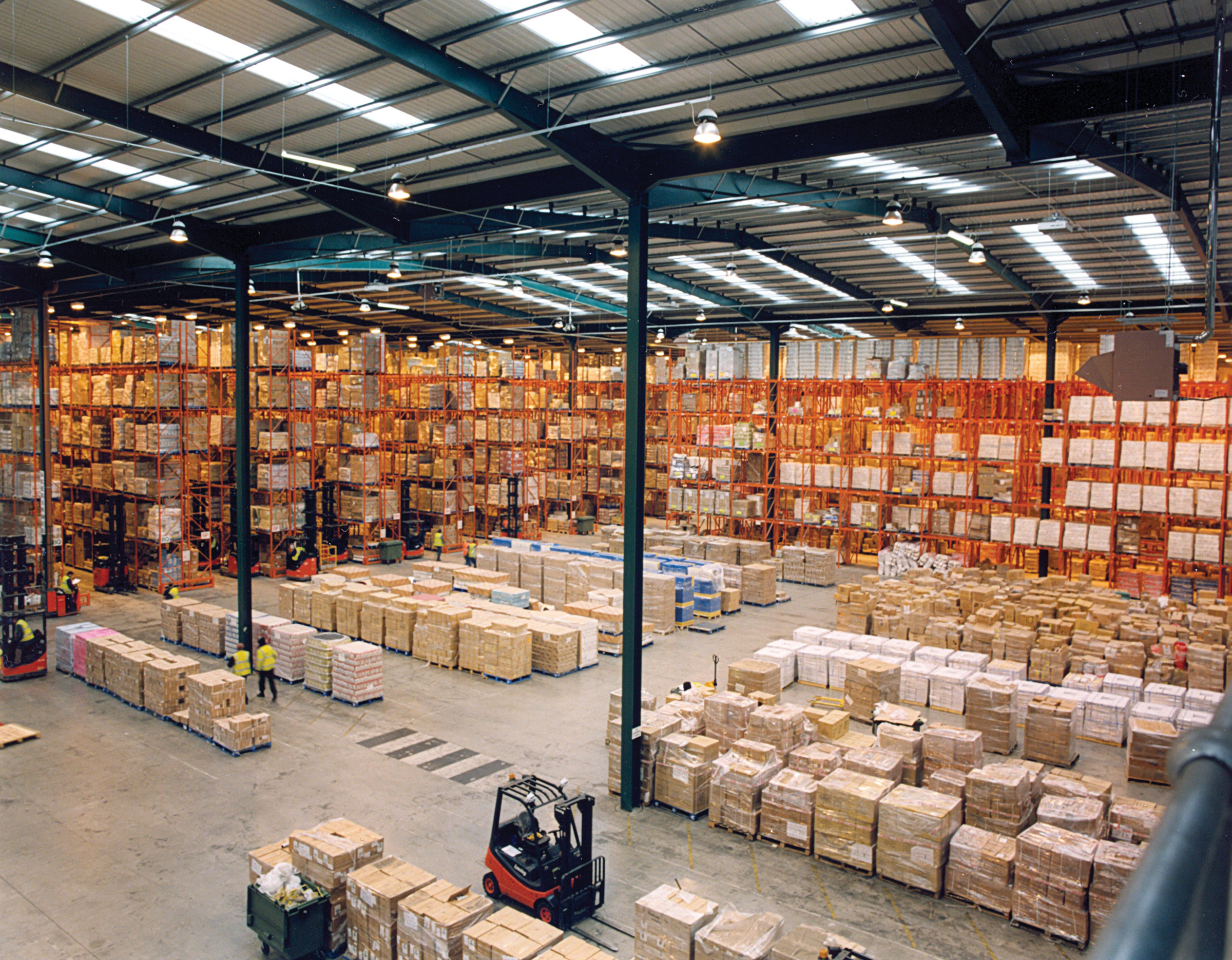
A forwarding warehouse is not only a mailbox. It is a decision point. Parcels arrive from different sellers on different days, and the warehouse needs enough time to receive them, record them, inspect what matters, and ask the buyer for the next instruction. That is especially important when one overseas order is really five or six small seller shipments that need to become one cleaner export parcel later.
The hold period is what makes services like package consolidation from multiple Chinese sellers possible in the first place. Without that holding window, buyers would be forced to dispatch each parcel almost immediately, which usually means repeated base freight, more handling, and less control over the final box size. Holding gives the warehouse a chance to make the shipment smarter, but only for a limited time.
In practice, the warehouse is balancing space, labor, and customer timing. A few days of storage is normal. Several weeks may still be workable. Beyond that, the warehouse starts carrying real cost, and that is why free storage limits exist. They are not a penalty invented to annoy buyers. They are a guardrail against turning a forwarding warehouse into long-term inventory storage.
How Long Is "Normal" for Parcel Forwarder Storage?
There is no single China-wide rule, and any honest FAQ should say that directly. Different forwarders set different policies. A common pattern is a free holding window long enough for ordinary multi-seller orders, followed by daily or weekly fees, reminders, or manual review if the parcel sits too long. Some platforms are generous if parcels keep moving. Others become strict when storage space is tight or when the order has unusual handling needs.
From a buyer perspective, the safer assumption is this: treat free storage as a short operational window, not as open-ended warehouse rental. If your final parcel plan is not clearer after that first window, the problem is usually not that you need more storage. The problem is that a buying, inspection, or route decision is still unresolved.
| Order situation | Healthy hold pattern | Risk if you wait too long |
|---|---|---|
| One last seller parcel still in transit | Wait briefly if the missing parcel materially improves the final shipment | You start paying storage fees for a box that was already good enough to ship |
| Warehouse still needs inspection or count confirmation | Use the hold period to verify condition, variants, and quantities | Dispatching too early can lock in mistakes or damaged items |
| Repacking decision is still open | Wait until you know whether dead space should be removed | Indecision can erase the cost benefit of consolidation |
| No more useful information is coming | Ship once the final parcel profile is clear | Storage becomes passive cost instead of active value |
What Usually Happens After the Free Storage Window Ends
Once the free window ends, forwarders usually do one of four things. They start charging storage fees. They ask the buyer to choose a shipping method immediately. They ask whether parcels should be consolidated or shipped separately. Or they escalate the order for manual support because it has become stale. The exact policy differs, but the pattern is consistent. The warehouse wants the order moving again.
This is also the stage where buyers often become confused about total cost. Storage fees are only one part of the picture. If the warehouse is still waiting to weigh the final parcel after repacking, the shipping quote may not even be final yet. That is why it helps to understand how final shipping costs are calculated after warehouse arrival. The cost decision is tied to the final parcel shape, not just the number of days your goods sat on a shelf.
There is another limitation worth stating clearly. Long storage can also create hidden operational risk even before fees show up. Buyer messages get delayed. The exact reason for keeping a parcel may get forgotten. A missing seller parcel that once looked worth waiting for may no longer matter. The longer an order stays unresolved, the easier it becomes to make the final shipping decision with incomplete context.
When Waiting Is Smart, and When It Is Not
Waiting is smart when the next few days are likely to improve the shipment in a visible way. A common good example is a nearly complete multi-seller order where one last low-volume parcel is still on the way. If that final parcel fits naturally into the combined carton and saves you from opening a second shipment later, the extra wait can be worth it.
Waiting is also smart when the warehouse still needs to confirm something important. That may be a count mismatch, visible packaging damage, a product color issue, or a question about whether retail boxes should be removed. In that situation, the hold period is supporting risk control. It is buying clarity.
Waiting is not smart when the shipment is already operationally ready and the only reason for delay is indecision. At that point, the hold window is no longer helping you. It is just extending the time before export while introducing more chances for fee buildup, message lag, and rushed decisions later. Buyers sometimes keep waiting because they hope for a dramatically cheaper quote if they add one more small item. In real workflows, that extra saving is often smaller than expected.
What to Check Before You Ask a Forwarder to Keep Holding
Before you ask for more hold time, run through a short warehouse checklist:
- Are all expected seller parcels already visible in the warehouse system?
- Is there still an unresolved inspection issue?
- Would repacking or box removal materially change the final parcel?
- Is the missing parcel important enough to avoid a second shipment later?
- Do you already know which route you are likely to use once the parcel is ready?
If you cannot answer yes to at least one strong operational reason, more waiting is usually weak value. That is especially true once the warehouse has already completed the basic checks covered in a normal China warehouse inspection before shipping. After inspection is done, every extra day should have a purpose.
The same logic applies to repacking. If the warehouse has enough information to show which cartons are dead space, which retail boxes still help, and what the combined parcel will probably look like, then the next meaningful step is approval. Buyers who want to go deeper on that stage should read what to check before approving a warehouse repack from China. Repacking is often the moment when a hold period either pays off or stops making sense.
Does a Longer Hold Period Always Mean a Better Forwarder?
No. A longer hold promise is not automatically better service. What matters more is whether the forwarder gives you a clean workflow during the hold window. Can the warehouse confirm arrivals clearly? Can it surface inspection problems early? Can it support consolidation, repacking, and line selection without confusion? A warehouse that holds parcels for a long time but communicates poorly can still create an expensive order.
For most overseas buyers, a better forwarder is one that helps you make the shipping decision at the right moment. That usually means holding long enough for the order to become complete and honest, then moving quickly once the final parcel profile is clear. Good forwarding is not passive storage. It is active order handling.
This is also why route selection should happen late enough in the process. Choosing a line before the parcel is fully inspected or repacked often means you are choosing based on the wrong dimensions, the wrong weight, or the wrong assumptions about urgency. A more reliable sequence is to finish the warehouse decisions first, then choose the route. That matches the logic behind how to choose the best shipping method from China.
Common FAQ: Straight Answers for Overseas Buyers
Can a parcel forwarder keep my packages until all sellers have delivered?
Usually yes, but only within the warehouse policy. The practical question is whether the remaining parcels are close enough and important enough to improve the shipment. If one seller is heavily delayed, waiting can stop being worth it.
Will I be charged if I leave parcels too long in the warehouse?
Many forwarders charge after the free storage period ends. Even before formal fees appear, long unresolved holds can still create service friction and slow decision-making.
Should I ship immediately after the first parcels arrive?
Not by default. Early shipping is only the right move when the remaining parcels add little value, the order is urgent, or waiting would create higher risk than dispatching now.
Can holding parcels reduce my final shipping cost?
Yes, when it gives the warehouse time to consolidate parcels, remove dead space, and build a better outbound carton. No, when parcels are simply sitting without improving the final shipment.
What if one seller parcel is delayed for too long?
That is often the moment to split the order. A healthy forwarding plan does not let one slow seller hold the entire export decision hostage forever.
Final Take
If you are asking how long a parcel forwarder will hold your packages in China, the number matters less than the workflow. A useful hold period is long enough to receive the important parcels, inspect what matters, approve repacking, and choose the right shipping line. After that, extra days usually add less value than buyers expect.
The best rule is simple. Keep holding while the warehouse can still make the shipment better. Ship once the parcel is complete enough, inspected enough, and clearly structured enough to move. That is the point where storage stops being a service and starts becoming a delay.