What If One Parcel Never Arrives at Your China Warehouse? A Practical FAQ for Consolidated Orders
 Nicholas Chen
By Nicholas | CNCartGo Editorial Team
One missing parcel can freeze an entire China forwarding order, especially when the buyer planned to consolidate everything into one outbound shipment. This is where overseas buyers often make the wrong move. They either panic too early and assume the parcel is lost, or they keep waiting without a decision until the whole order becomes slower, messier, and more expensive. The better response is a structured warehouse workflow: confirm whether the parcel is truly missing, check whether it was signed for under the right intake details, decide how long it is still worth waiting, and then either split, refund, or move the rest of the order forward.
This question comes up most often after buyers order from several sellers on Taobao, 1688, JD.com, or Xianyu and expect all parcels to show in the warehouse dashboard within a similar time frame. In reality, seller handling speed, domestic courier timing, labeling mistakes, and warehouse intake queues can all create gaps. A parcel that looks missing on day one may simply still be in domestic transit. A parcel that still does not appear after the courier shows delivery is a different problem. Those two situations should not be treated the same way.
For Sunday's FAQ slot, the practical answer is not "always wait" or "always split." It is to figure out whether the missing parcel still has a realistic path into the shipment and whether it is important enough to hold the rest of the order back.
Short Answer
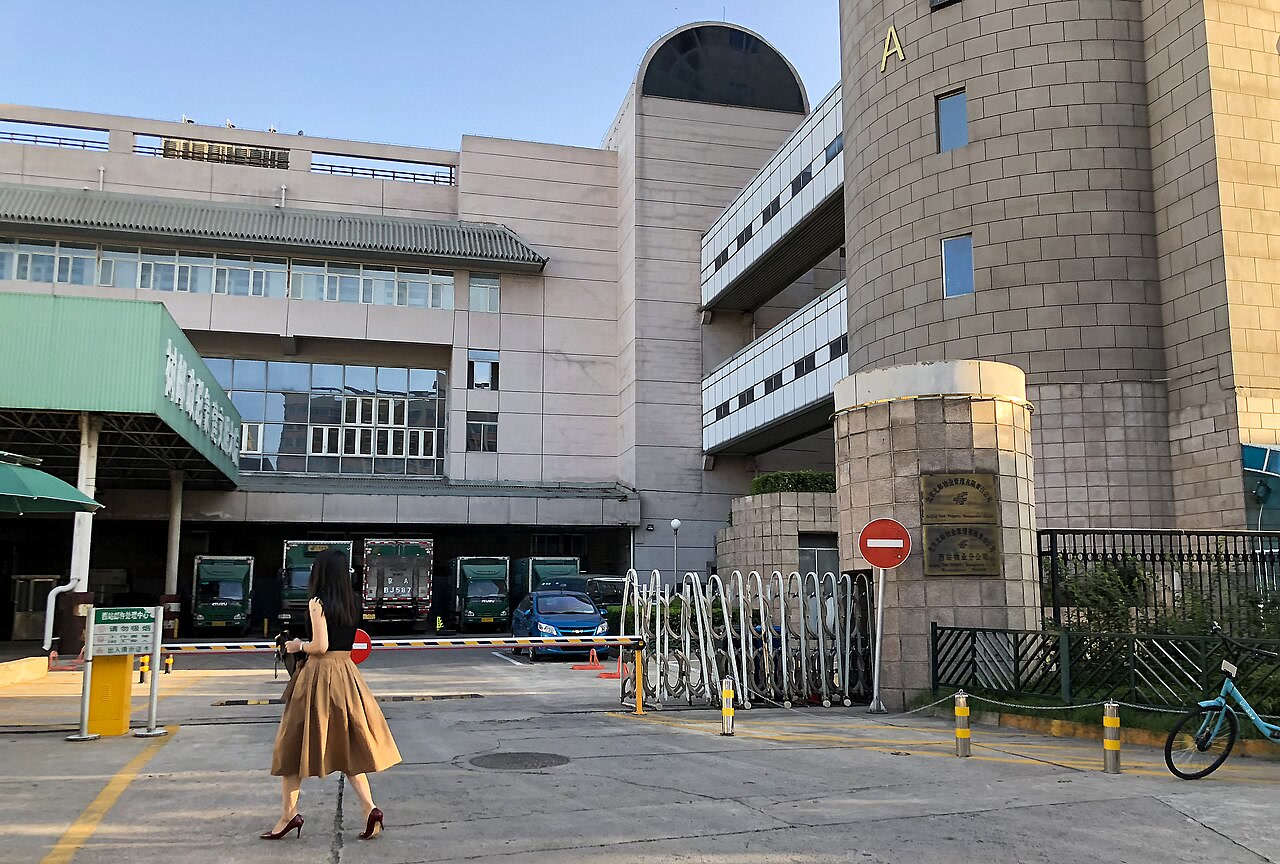
If one parcel never arrives at your China warehouse, first verify the seller tracking record, recipient code, and warehouse intake status before you change the outbound plan. If the parcel is only delayed, waiting can still make sense. If the courier shows delivery but the warehouse cannot match the parcel, or if the seller cannot prove dispatch clearly, do not let one uncertain package trap the rest of the shipment forever. At that point, it is usually smarter to split the order, ship the ready items, and start a refund or seller follow-up for the missing parcel separately.
Step 1: Separate "Late" From "Actually Missing"
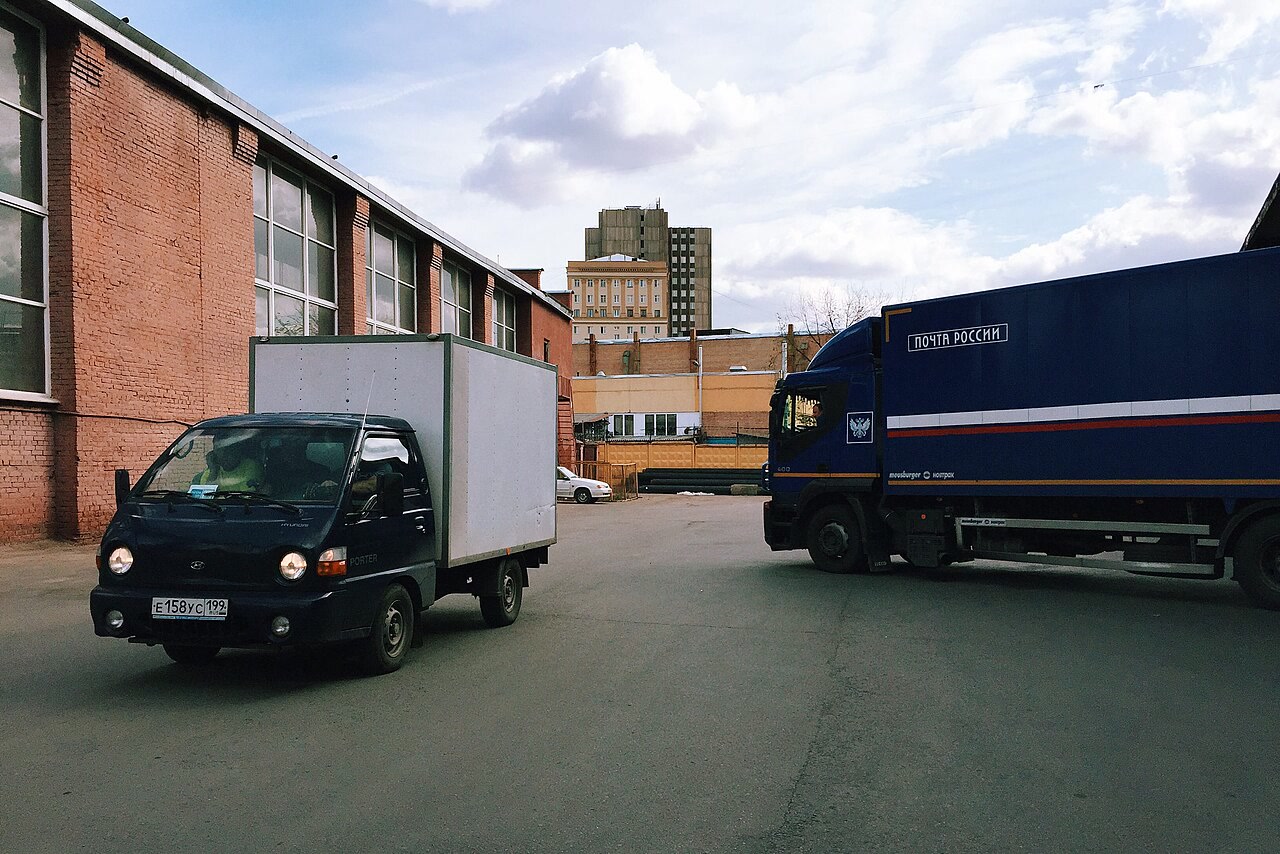
A parcel is not truly missing just because it is absent from the warehouse panel today. Start with the domestic tracking trail. If the seller has only created the label, the parcel is still in the seller stage. If the parcel is moving through domestic hubs, it is late but traceable. If the courier status shows signed delivery to the warehouse, then the question changes from seller delay to warehouse intake matching.
This distinction matters because each cause leads to a different decision. Seller-side delay usually means you can still wait if the parcel is important to the consolidated order. Intake mismatch means the parcel may already be on site but not attached correctly to your account. That is why buyers should gather the courier number, seller name, item description, and recipient code before asking support to investigate. A vague message like "my box is missing" wastes time. A precise intake request gets answers faster.
If the rest of your order is already at the warehouse, it also helps to compare the missing parcel against the available holding window. The more complete your order becomes, the more important it is to understand how long a parcel forwarder will hold your packages in China. A missing parcel problem is partly a logistics issue and partly a timing issue.
Step 2: Ask the Warehouse the Right Questions
Once a parcel looks genuinely overdue, ask the warehouse to check against the specific intake signals that can surface mismatches:
- Was a parcel received under the seller tracking number but not matched to my account?
- Was the parcel labeled with the wrong recipient code, buyer name, or warehouse note?
- Was the parcel received but held aside because of damaged packaging or unclear contents?
- Is there an intake backlog that delayed warehouse registration after courier delivery?
These are realistic warehouse questions. They are better than asking for generic reassurance. In real forwarding operations, parcels can be delayed by ordinary admin friction: the label is unclear, the wrong code is printed, the outer carton is damaged, or the intake team needs manual review. That does not automatically mean the parcel is lost.
It also helps to know what the warehouse normally confirms after intake. Buyers who want a clear benchmark can review what a China warehouse inspection usually checks before shipping. If the parcel never makes it to that stage, the problem happened before or during intake, not during export preparation.
Step 3: Decide Whether the Missing Parcel Is Important Enough to Wait For
Not every missing parcel deserves to hold the whole order back. The key decision is commercial, not emotional. Ask four practical questions:
| Question | If the answer is yes | If the answer is no |
|---|---|---|
| Does the missing parcel materially change the value of the shipment? | Waiting may still make sense | Ship the ready parcels sooner |
| Would splitting the order create a second expensive shipment later? | Keep the parcel under review briefly | Do not over-wait |
| Can the seller still provide credible tracking proof? | Allow a short investigation window | Escalate to refund or replacement faster |
| Is the rest of the order already inspected and ready? | Set a firm decision deadline | Use the wait time for other warehouse checks |
A small accessory that is easy to reorder should not freeze a complete shipment of higher-value goods. A product that is critical to the order, seasonal, or difficult to replace might justify a short extra wait. The important word is short. Once the missing parcel stops having a realistic arrival path, waiting becomes dead time.
This is also where buyers should think about the quality of the final parcel, not just the count of boxes. If the ready items can already be repacked cleanly and shipped well, there is little reason to delay that process forever. If you are near the final packing decision, revisit what to check before approving a warehouse repack from China. The more ready the shipment already is, the less useful endless waiting becomes.
Step 4: Split the Order Before One Parcel Creates a Bigger Problem
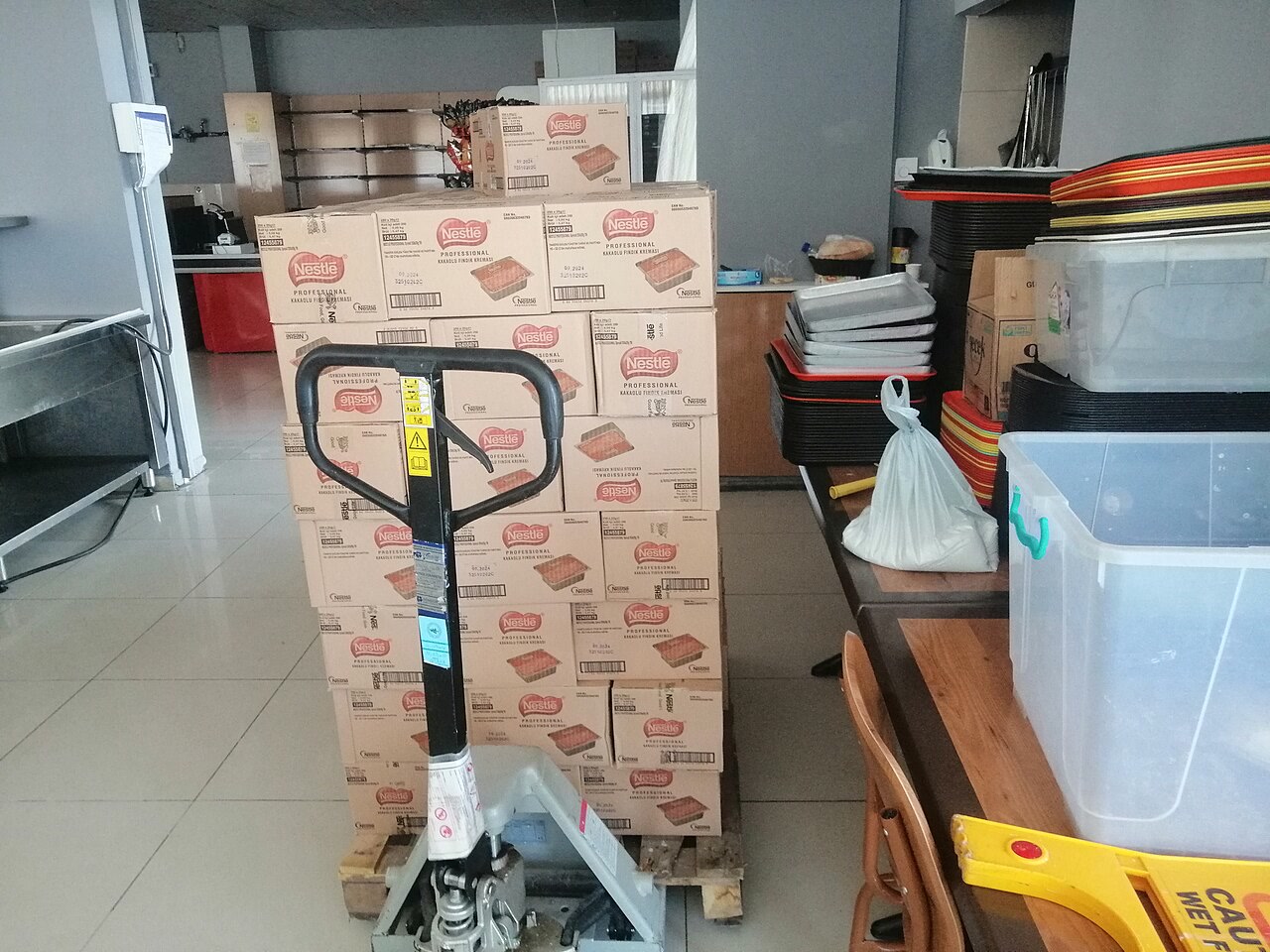
One of the most common buyer mistakes is letting one uncertain parcel hold the rest of the order hostage. That usually leads to storage pressure, rushed route selection later, and avoidable support noise. When the rest of the shipment is already stable, splitting is often the cleaner option. You can ship the ready parcels now, then either forward the late parcel later or cancel it entirely if the seller never resolves the issue.
There is no shame in splitting when the facts support it. In fact, it is often the more professional buying decision. Real consolidated orders work best when the buyer knows when to stop optimizing. The best workflow is not always the most compressed shipment. It is the one with the lowest avoidable risk. That same discipline shows up in a good package consolidation workflow, where the final shipment moves once the main savings and handling benefits are already captured.
Splitting can also reduce downstream issues. Orders that sit too long while one parcel remains uncertain are more exposed to stale seller communication, forgotten packing instructions, and messy label history. In some cases, prolonged indecision even increases the chance of returns or failed routing, which is why it helps to keep return-to-sender risk in mind when the shipment has already become operationally ready.
Step 5: Know When to Start Refund or Seller Escalation
If the seller cannot prove dispatch properly, if the domestic tracking has stopped without explanation, or if the courier shows delivery but nobody can match the parcel to your account after a reasonable warehouse check, it is time to move into refund or replacement mode. That does not require drama. It requires clean evidence:
- Seller order screenshot
- Courier tracking number
- Tracking timeline screenshot
- Warehouse statement that the parcel is not matched or not received
- Item description and value
This evidence package matters because it shortens the dispute path. The strongest refund cases are not based on frustration. They are based on traceable contradictions. For example, the seller claims dispatch, but cannot show a delivered domestic scan to the correct warehouse. Or the courier shows delivery, but the seller address note and recipient code do not match the buyer instructions. Those are operational facts, not opinions.
Another realistic limitation should be stated plainly. Even when the parcel is truly lost, the warehouse may not be able to solve it alone. Some cases must go back to the seller or domestic courier. Buyers who accept that early usually make better decisions because they stop waiting for the warehouse to fix a seller-side problem it does not control.
FAQ: Straight Answers for Overseas Buyers
How long should I wait before treating a parcel as missing?
Wait long enough to separate normal domestic delay from a real exception. If tracking is still moving, it is late, not missing. If delivery is shown but the parcel still cannot be matched after warehouse review, treat it as an exception quickly.
Should I ship the rest of the order without the missing parcel?
Yes, if the missing parcel is low value, easy to replace, or no longer worth delaying the completed shipment for. Do not let a weak parcel hold a strong order hostage.
What should I send the warehouse when asking them to look for the parcel?
Send the seller tracking number, seller name, product name, recipient code, and any delivery screenshot. Specific intake data is what helps the warehouse search properly.
What if the seller says the parcel was delivered but the warehouse cannot find it?
Ask both sides for concrete evidence. You need the courier proof of delivery, the delivery timestamp, and a warehouse check against the recipient code or intake log. If those details do not line up, escalate the seller case.
Does splitting the order ruin the cost benefit of consolidation?
Sometimes it reduces the savings, but not always. The real question is whether the remaining parcel still adds more value than the delay and uncertainty it causes. Often it does not.
Final Take
If one parcel never arrives at your China warehouse, the right response is a decision ladder, not blind waiting. Verify the tracking trail, check whether the parcel is delayed or mismatched, decide whether it still matters to the shipment, and then move the ready order forward once the extra wait stops earning its keep.
That is how practical overseas buyers protect both cost and momentum. A consolidated order should stay flexible, but it should not stay frozen. When one parcel becomes the exception, handle the exception directly and keep the rest of the workflow clean.