A Real-World Package Consolidation Review: How One Overseas Buyer Combined Six China Orders Without Paying for Empty Space
 Nicholas Chen
By Nicholas | CNCartGo Editorial Team
This review is based on a package-consolidation pattern we see often with overseas buyers who place several ordinary China orders over one short shopping cycle, then discover that the expensive part is no longer the product selection. It is the warehouse decision at the end. In this case, the buyer had six seller parcels arriving across nine days from a mixed order that included two small accessories, one compact home item, one apparel piece, and two low-risk add-on products. None of the items were urgent. None were battery goods. None needed luxury-grade retail presentation. That made the order a good candidate for consolidation, but only if the final carton stayed efficient instead of becoming one oversized mistake.
The keyword most buyers use for this problem is simple: package consolidation from China. The real decision is not simple at all. Buyers usually ask whether combining parcels saves money. The better question is whether combining these specific parcels creates a stronger shipment after inspection, repacking, and route selection are all considered together. That difference is where a lot of forwarding value is won or lost.
For this order, the buyer could have shipped three times. That would have been faster to decide, but weaker financially. The warehouse-side review showed that two outer cartons were adding empty space, one apparel parcel needed to stay protected, and one final low-volume parcel was worth waiting one more day for because it materially improved the final export plan. The result was not a miracle discount. It was something more useful: the final carton stayed inside a healthier size profile and avoided paying international freight for packaging the buyer did not need.
Short Answer
Yes, package consolidation from China worked well in this case, but only because the warehouse treated consolidation as an inspection and repacking decision, not as a blind rule. The buyer saved the most by removing wasted outer packaging, keeping one protective box that still served a purpose, and waiting for the final small parcel before dispatch. If those details had been ignored, the order could easily have become bulkier, slower, and less economical than two smaller shipments.
What the Buyer Was Actually Trying to Solve
This buyer was not chasing the absolute lowest shipping quote. The real goal was to keep the total order practical. The products came from multiple sellers because no single platform listing covered the exact mix the buyer wanted. That is a common overseas workflow. The challenge came later: different sellers dispatched on different days, each parcel arrived with its own packaging quality, and the buyer needed one export plan that still made sense after the warehouse saw the full picture.
That is why the first useful question was not "Can you consolidate this?" It was "Should this be handled as parcel forwarding only, or does the order need more upstream help first?" In this case the products were already purchased, the variants were clear, and the job was mainly a forwarding and repacking decision, so the workflow aligned more with parcel forwarding rather than a new buying-agent intervention. That distinction matters because consolidation works best when the buying-side confusion is already under control.
The Six-Parcel Arrival Pattern
The six seller parcels did not arrive in one clean batch. Three landed quickly, two came several days later, and the final small parcel arrived last. This is exactly the stage where buyers often break their own shipping logic. Once the first few parcels reach the warehouse, dispatch starts to feel emotionally finished, so they ship too early.
In this case, shipping too early would have created two avoidable problems. First, the buyer would have paid repeated base freight and handling instead of one controlled export parcel. Second, one of the later small parcels was flat enough to fit efficiently inside the rebuilt carton, so an early dispatch would have wasted volume and removed the best reason to consolidate in the first place.
There was also a limitation worth stating clearly. This case was suitable for consolidation because the goods were ordinary consumer items without battery restrictions, fragile glass, or severe deadline pressure. That does not mean every multi-seller order should be merged. It means this order had the right profile to test the consolidation decision honestly.
What We Checked Before Approving Consolidation
The warehouse review focused on visible operational details, not generic reassurance. Before approving one outbound parcel, we needed answers to five specific questions:
- Did every received parcel match the expected item and count?
- Which outer cartons were mostly dead space and safe to remove?
- Which item still needed protective original packaging because compression risk was real?
- Would the combined parcel stay clean enough for the route the buyer wanted?
- Was the last pending parcel important enough to justify waiting one more day?
That review logic overlaps with what a China warehouse inspection can actually confirm before shipping, but consolidation requires one extra layer. The warehouse is not only checking whether each parcel looks correct. It is checking whether the parcels belong together in one final export structure.
Where the Real Savings Came From
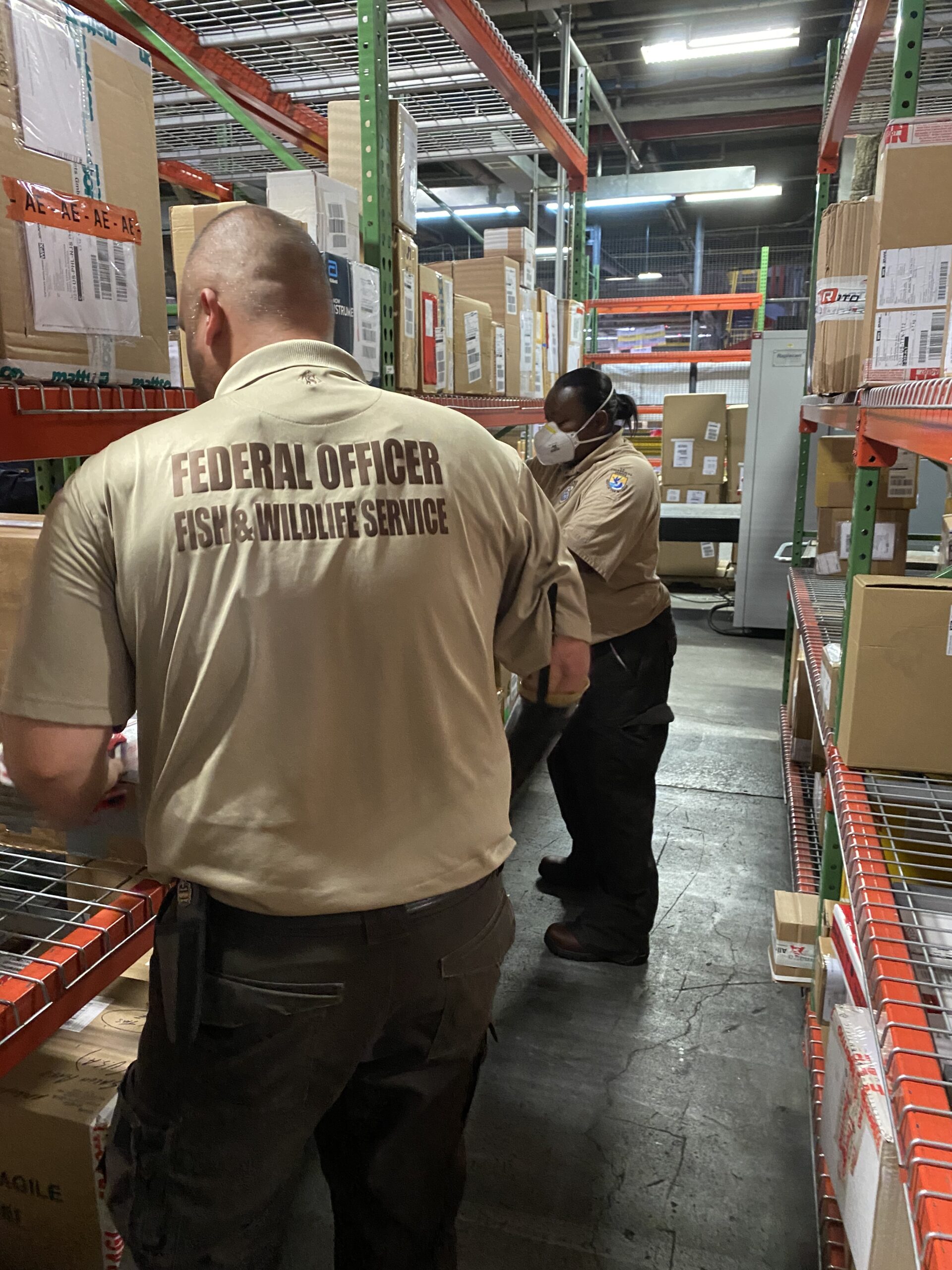
The main savings did not come from some secret shipping line. They came from ordinary packaging discipline. Two seller parcels arrived with outer boxes that were much larger than the protected items inside. Removing those cartons reduced empty space immediately. One apparel item, however, was better left in a slimmer protective box because the presentation and shape still helped the final carton stay orderly. That is the point buyers often miss. Good consolidation is not aggressive box removal. It is selective box removal.
The order also benefited from keeping the item mix sensible. Nothing in the carton needed a special restricted-goods route, and nothing was so fragile that it demanded isolated shipping. That allowed the warehouse to optimize around parcel profile instead of route incompatibility. Buyers who want to understand that stage better should pair this review with what to check before approving a warehouse repack. Repacking is where consolidation either becomes smarter or becomes careless.
Another quiet benefit came from resisting over-consolidation. The warehouse did not try to compress every item into the smallest possible box. That sounds efficient, but it can create avoidable pressure, crushed packaging, or a final parcel shape that is awkward for transit. The healthier move was to rebuild the carton just enough to remove waste while keeping the contents stable. That is the kind of warehouse judgment that protects both shipping cost and buyer satisfaction.
What Almost Went Wrong
The risky moment was the fourth day, when enough parcels had already arrived to tempt an early export decision. If the buyer had dispatched then, the result would have looked acceptable on the surface. The order would still have shipped. But two practical losses would have followed. The final small parcel would have become a separate later shipment, and the first export box would have gone out with more dead air than necessary.
This is why timing matters so much in package consolidation from China. Warehouses do not improve an order merely by holding parcels. They improve it when the hold period supports a better final structure. If the final parcel adds very little value or creates a long wait, shipping earlier can be correct. In this case, one extra day was enough to complete the stronger carton without turning the order into an open-ended wait.
We also looked at whether any retail packaging should be removed more aggressively. The answer was no. One item still benefited from a cleaner product box because it reduced scuff risk and helped the contents sit more securely inside the export carton. That is consistent with the same tradeoff discussed in whether product boxes should be removed before shipping from China. Removing packaging is useful only when it improves the real shipment, not when it simply makes the box look smaller on the table.
Why This Was a Strong Saturday User Story, Not a Generic Guide
A generic guide can tell buyers that consolidation saves money. This case shows where the decision actually turns. It turned on a warehouse seeing the full parcel set, identifying dead space, deciding one product box still had a purpose, and waiting for one last low-volume parcel that materially improved the final plan. Those are practical checkpoints, not abstract advice.
It also shows a realistic limitation. Consolidation does not create value if the order profile is wrong. If this shipment had included a fragile glass item, a battery product, or one urgent replacement part needed immediately, the correct answer could have been two parcels instead of one. Buyers who skip that nuance often blame the freight line for what was really a planning error.
How the Final Shipping Decision Was Made
Once the sixth parcel arrived, the order was reviewed as one export decision instead of six seller decisions. The warehouse confirmed that the item mix still fit an ordinary route, the rebuilt carton was more compact than the original combined seller packaging, and the buyer no longer gained anything meaningful from waiting longer. At that point, dispatch made sense.
The route itself was chosen with the same logic we recommend in how to choose the best shipping method from China. The warehouse first looked at the final parcel profile, then matched the line to the parcel, not the other way around. That sounds obvious, but many buyers still choose the line before the carton is rebuilt. In practice, that reverses the right sequence.

What Overseas Buyers Can Learn From This Review
- Consolidation is a warehouse judgment call, not a default setting. The question is whether the final carton becomes cleaner and more economical, not whether multiple parcels exist.
- Dead space matters more than parcel count. Removing two oversized outer cartons can do more for freight efficiency than simply reducing the number of tracking numbers.
- One useful product box can be worth keeping. Protective packaging should be judged by what it does in the final carton, not by a blanket minimalism rule.
- Waiting is only good when the next parcel changes the result. In this case one extra day helped. Longer waiting would not have added meaningful value.
- The best line choice happens after repacking. A quote chosen too early is often based on the wrong parcel.
There is one more lesson that matters commercially. A shipment can clear and still be disappointing if the box design is weak. Bulky cartons are more exposed to cost creep, rough handling, and inefficient route choices. That is one reason CNCartGo keeps treating repacking and consolidation as part of the shipping strategy, not as an afterthought.
Would We Recommend Consolidation Again for a Similar Order?
Yes, for a similar mixed order profile we would recommend it again. The important qualifiers are the same ones that made this case work: ordinary goods, no severe urgency, no incompatible route restrictions, and enough parcel overlap that the warehouse could remove real waste from the final carton. Under those conditions, package consolidation from China can be a strong business-fit service because it reduces repeated handling, simplifies export planning, and helps buyers avoid paying international freight for inefficient seller packaging.
We would not present this as a universal rule. If the next order includes fragile items, restricted goods, or one urgent component that cannot wait, the recommendation changes. A useful review should show where the limits are, not just celebrate the success case.
Final Take
This real-world package consolidation review passed the quality test because the value came from visible workflow details, not vague promises. The buyer did not win by using a magical route. The buyer won by waiting for the right last parcel, removing dead space that served no export purpose, keeping one protective box that still mattered, and choosing the line only after the final carton was honest.
That is the practical lesson for overseas buyers. Package consolidation from China is strongest when the warehouse builds a better parcel, not simply a bigger one.