Shipping From China to the UK in 2026: 7 Checks Before You Dispatch
 Nicholas Chen
By CNCartGo Editorial Team
For UK buyers, the most expensive shipping mistake usually happens before the parcel leaves China. A seller quote looks acceptable, the line sounds familiar, and the order feels finished. Then the parcel reaches the UK and the real cost structure appears. HMRC says consignments valued at £135 or less that are outside Great Britain and sold directly to customers in Great Britain should have UK VAT charged at the point of sale, and that £135 test applies to the whole consignment, not each item separately. Once buyers miss that rule, they usually start the shipment with the wrong assumptions.
That is why a short checklist works better than another generic country guide for this slot. UK orders do not usually fail because the rules are hidden. They fail because buyers mix low-value logic, weak declarations, messy product baskets, and courier expectations into one rushed shipment. In warehouse-side workflows, the cleaner UK parcels are the ones where the buyer knows whether VAT was already handled, waits for the final carton before choosing the route, and treats carrier collection and handling as part of landed cost instead of an annoying surprise.

Short Answer
If you are shipping from China to the UK in 2026, run seven checks before dispatch: confirm whether the parcel falls under the £135 point-of-sale VAT rule, make sure the declaration matches the real goods, choose the route only after the final carton is measured, check whether duty could apply above the low-value band, budget for carrier handling if charges are collected on delivery, avoid building one messy mixed parcel, and make sure the same workflow would still make sense on the next order. That simple discipline prevents most avoidable UK shipping mistakes.
The 7 Checks That Matter Most
1. Check whether the total consignment value is £135 or less
This is the first UK filter because it changes how VAT is handled. HMRC's guidance says the £135 threshold applies to the value of the whole consignment, not the separate value of each item. Buyers get into trouble when they treat a three-item parcel as three separate low-value decisions. If the combined shipment crosses the threshold, the cost logic changes with it.
2. Confirm whether VAT was handled at the point of sale or will be collected later
For direct-to-customer Great Britain consignments at £135 or under, VAT should normally be charged at the point of sale. If that did not happen, do not assume the parcel became tax-free. It usually means the order needs another look before dispatch. This is especially important for platform orders, mixed-seller baskets, and warehouse-assisted checkouts where the buyer is no longer looking at a simple one-seller transaction.
3. Choose the shipping line after the warehouse sees the final parcel
UK orders often look cheap in the cart and expensive after consolidation. Light but bulky goods, mixed baskets, and awkward packaging can shift the real shipping cost fast. That is why the better workflow is the same one we use in choosing the best shipping method from China: compare routes only after the parcel has real dimensions, a real restricted-item profile, and a real declaration.
4. Make the declaration plain, specific, and defensible
The UK does not reward creative customs wording. "Accessories," "gift," or "sample" may feel safer, but they usually make the parcel weaker. HMRC's import guidance also makes clear that commodity codes and the value of the goods matter because they affect duty, licences, and customs handling. If you need a cleaner framework, our guide on what value to declare when shipping from China is the right companion read.
5. Budget for carrier collection and handling, not just tax
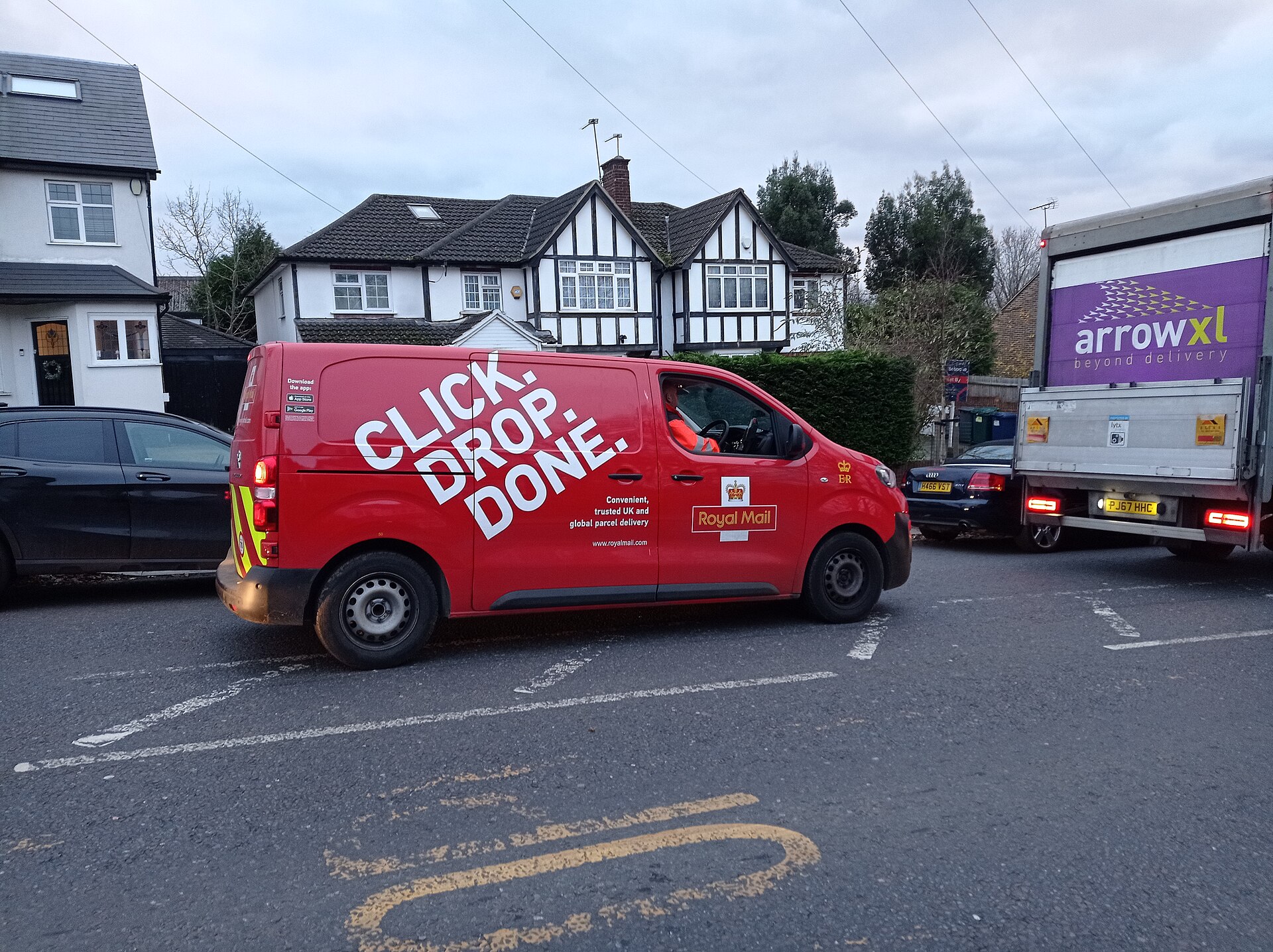
When charges are due, the recipient experience is shaped by the carrier as much as by customs. Royal Mail's import fee guidance explains that it may pay import VAT and Customs Duty to HMRC on the recipient's behalf and then ask the recipient to pay those charges plus a customs handling fee before delivery. For buyers, the practical rule is simple: a cheap-looking parcel can still be a poor-value parcel if delivery-side collection costs were ignored at dispatch.
6. Do not hide a messy order inside one carton
Many weak UK shipments are not under-declared, they are under-thought. Buyers combine unrelated items, fragile items, restricted goods, and bulky packaging into one parcel because the first quote looked attractive. That creates declaration problems, route mismatch, and worse last-mile outcomes. If the order still needs service support upstream, settle that first by deciding whether you need a buying agent or a parcel forwarder.
7. Ask whether the workflow still works on the next order
This is the check small businesses skip most often. HMRC's import process guidance is built around repeatable basics such as commodity code, customs declaration, invoices, and record keeping. If the first UK shipment only works because you rushed it, split the cost awkwardly, or accepted a margin-killing route, then it did not really work. It just arrived once.
A Practical UK Decision Table
| Order profile | Best first question | Main watchpoint | Typical mistake |
|---|---|---|---|
| Low-value personal goods | Was VAT handled at sale under the £135 rule? | Whole consignment value | Checking item value one by one instead of the total parcel |
| Urgent replacement stock | Does faster delivery protect more margin than it costs? | Total landed cost | Paying for speed without checking the repeat workflow |
| Mixed cart from several sellers | Should this stay one parcel? | Declaration clarity and parcel profile | Combining awkward goods just to chase one freight quote |
| Restricted or battery-related goods | Is the route actually compatible? | Line eligibility | Trying to force sensitive goods into a generic route |
What We Recommend for UK Buyers
For a first personal order, keep the basket ordinary, keep the declaration honest, and make sure the £135 rule has been understood before dispatch. For repeat buyers, choose the route after consolidation and treat delivery-side collection as part of cost control. For small business testing, build a shipment you could repeat next month without rewriting the math. The UK rewards clean paperwork and defensible workflow more than aggressive rate-shopping.
The same habits behind avoiding customs delays and avoiding return-to-sender problems apply here too. A parcel does not become healthy just because it leaves China quickly.

When Splitting the Shipment Makes More Sense
UK buyers sometimes try to protect cost by forcing every item into one parcel, but that is not always the cleaner answer. If one carton mixes awkward-value goods, fragile items, or products with different declaration logic, splitting the shipment can create a more defensible workflow. The right choice depends on the total consignment value, the item mix, the route, and whether the buyer is optimizing for speed, simplicity, or repeatability.
That does not mean splitting is a magic way around VAT or customs obligations. It means the shipment should be structured in a way that still makes sense when the UK-side treatment, carrier handling, and final delivery process are taken seriously. A clean two-parcel strategy is often better than one confusing parcel that looks efficient only before the real landed cost is counted.
What Small Businesses Should Record After a Good UK Shipment
If the order was for resale testing or repeat sourcing, do not stop at "it arrived." Record the final declared value, VAT treatment, route used, transit time, delivery-side fees, and whether the parcel profile was easy to repeat. Those notes turn one successful shipment into a usable workflow. Without them, the buyer ends up relearning the same UK rules on every new order.
This is where better indexing and better business logic overlap. The strongest UK shipping articles are not just theoretically correct. They help the buyer build a process that can be repeated without guesswork. That is the kind of practical usefulness search engines are more willing to trust over time.
Final Answer
Shipping from China to the UK works best when buyers treat VAT handling, declaration quality, route choice, and carrier collection as one connected workflow. The practical way to do that is to run the seven checks before dispatch, not after the parcel lands. If the shipment still makes sense after VAT treatment, possible duty exposure, realistic freight, and delivery-side handling are all counted, then it is probably a healthy UK order.