How to Avoid Customs Delays When Shipping From China Without Creating New Problems at Clearance
 Nicholas Chen
By CNCartGo Editorial Team
Customs delays are expensive even when the parcel eventually clears. The buyer loses time, customer promises start slipping, warehouse storage windows get tighter, and the shipment suddenly requires more attention than the product itself. For small business owners and frequent cross-border shoppers, the frustrating part is that many delays do not come from rare legal problems. They come from ordinary workflow mistakes that looked harmless earlier in the order.
In practical warehouse-side workflows, the parcels most likely to get slowed down are not always the biggest or most expensive ones. They are the ones with vague descriptions, weak declaration logic, mismatched product mixes, or route choices that do not match the goods inside. A parcel can look neatly packed and still be customs-weak if the paperwork and item profile are not aligned.
The good news is that most avoidable customs delay risks can be reduced before export. If you know what customs teams and carrier line-haul partners usually need to see, you can build a much cleaner shipment: accurate item descriptions, sensible declared value, compatible goods in the same box, and a route that actually accepts the product type. That is what keeps a parcel moving instead of sitting in a review queue.
Short Answer
To avoid customs delays when shipping from China, do four things well: describe the goods clearly, declare them consistently, use a route that matches the product risk, and keep incompatible items out of the same parcel. Most preventable delays are document and workflow problems, not mysteries.
That does not mean every delay can be eliminated. Customs reviews can still happen, especially during seasonal peaks, on higher-risk product categories, or when destination-country rules are unusually strict. But the difference between a manageable review and a messy clearance problem is usually set long before the parcel reaches the border.
Why Parcels Get Delayed at Customs
Customs teams are not trying to make routine parcels difficult. Their job is to identify shipments that need a second look because the goods, value, description, or route profile does not make sense on first review. When that first impression is weak, the parcel can be held for clarification, additional documents, or manual inspection.
For overseas buyers using parcel forwarding or buying-agent support, the most common triggers are practical ones: a description that is too vague to classify, a declared value that does not match the parcel profile, batteries or liquids included on a route that treats them as restricted, or a mixed box that combines low-risk goods with products that attract more scrutiny.
That is why customs delay prevention is really a pre-shipping discipline. If the warehouse only checks whether the parcel is physically ready, but nobody checks whether the shipment story is coherent, the parcel can still get stuck later.
The Most Common Mistakes That Cause Avoidable Delays
1. Using weak item descriptions
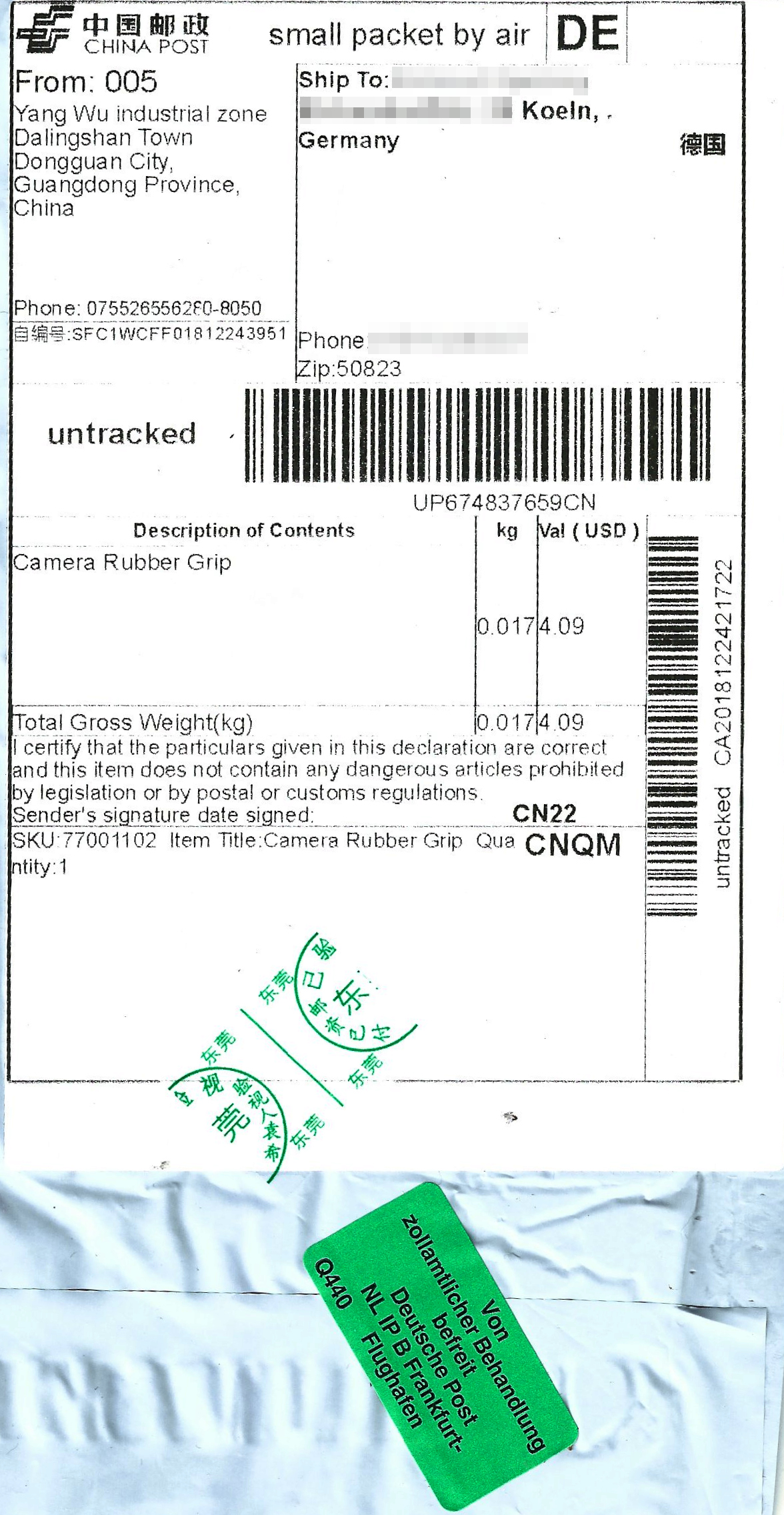
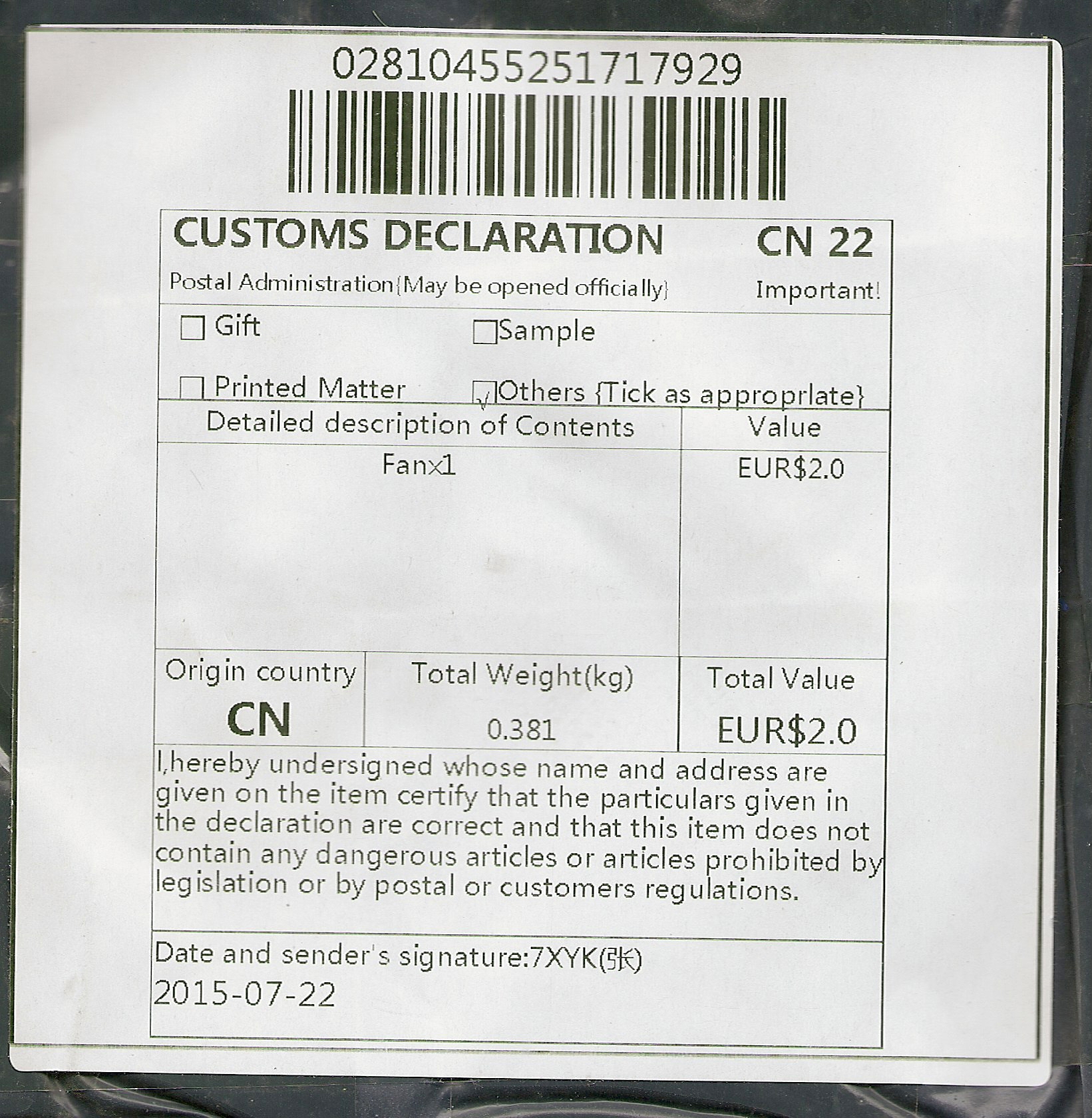
Descriptions like "accessories," "samples," "parts," or "gifts" are easy to type and hard to clear. They do not tell a customs reviewer what the goods actually are. A better description should identify the real product category in plain language, such as phone case, cotton baby bib, ceramic mug, or LED desk lamp housing. Specific descriptions reduce ambiguity and make the shipment look more credible from the start.
2. Treating declared value as a random number
A declared value that is too low for the product mix can trigger questions, while a value that is inflated without reason can create tax friction or make the parcel look inconsistent. The goal is not to guess a number that feels convenient. The goal is to keep the declaration commercially reasonable and aligned with the goods inside. That is exactly why buyers should already understand how declared value decisions affect international shipments from China before the parcel is finalized.
3. Putting restricted and ordinary items in the same box
One of the most expensive mistakes is mixing uncomplicated items with products that need a different route or more careful documentation. A parcel with clothing, stationery, and a power bank is not a normal low-risk box anymore. The battery item changes the whole shipping profile. The same logic applies to liquids, magnets, cosmetics, or branded retail packs that attract extra review. If a route is wrong for one item, it can be wrong for the entire parcel.
4. Waiting until dispatch day to discover route restrictions
Many buyers only learn about route restrictions after the warehouse has already packed the parcel. At that point, the shipment may need to be reopened, split, remeasured, or held while a different line is arranged. That wastes time and creates the exact kind of last-minute inconsistency that customs teams notice later. Sensitive goods should be screened before the final carton is approved, especially if the batch includes battery products. Route compatibility has to be checked before export, not after the parcel is sealed.
5. Over-consolidating mixed parcels
Consolidation lowers repeated shipping costs, but it is not always the safest customs decision. When too many unrelated items are forced into one parcel, the result can be a messy declaration profile that is harder to classify and easier to question. In practice, we see cleaner clearance outcomes when buyers are willing to split a shipment if one SKU changes the compliance or route risk. That is the same judgment behind using package consolidation strategically instead of treating every order as one automatic box.
A Practical Pre-Clearance Workflow That Works Better
If you want fewer customs delays, the safest routine is to treat export approval as a checklist, not a single click.
- List the actual products in the parcel using plain-language descriptions.
- Flag anything with batteries, liquids, magnets, powders, strong brand sensitivity, or unusual materials.
- Confirm the route accepts that product mix before the parcel is sealed.
- Review whether the declared value is commercially reasonable for the shipment.
- Check whether one sensitive SKU should be separated into its own parcel.
- Make sure the receiving-side details are complete, especially name, phone number, and destination formatting.
- Approve dispatch only after the warehouse confirms both packaging and shipment profile make sense together.
This is where a warehouse inspection adds value beyond photos. A useful check is not only about breakage, missing items, or wrong color. It also helps identify whether the final parcel structure creates avoidable export friction. Buyers who rely on warehouse review should understand what a China warehouse inspection can and cannot realistically confirm before they assume the parcel is ready.
What Good Customs-Friendly Descriptions Actually Look Like
A good shipment description is specific enough to explain the goods, but simple enough to stay readable. That usually means naming the product, not the marketing claim.
- Weak: accessories
- Better: silicone phone case
- Weak: beauty item
- Better: eyelash curler
- Weak: electronic part
- Better: USB charging cable
- Weak: home goods
- Better: ceramic coffee mug
This sounds basic, but it matters because vague labeling makes a parcel look like the shipper is hiding the real contents or simply does not know them. Neither impression helps a clearance review move faster.
When Splitting the Parcel Is Smarter Than Pushing It Through
Buyers often hesitate to split shipments because they are focused on freight efficiency. But a clean parcel that clears smoothly is often cheaper than a mixed parcel that gets delayed, reworked, taxed unexpectedly, or returned to the processing queue. Splitting becomes the safer call when one product needs a different route, when one SKU has a much higher compliance risk, or when the parcel description becomes too broad to stay credible.
For lower-value shipments, that tradeoff should be judged against the shipping method itself. A route that works well for ordinary, low-risk goods can still be a poor choice for a parcel with sensitive items or inconsistent descriptions. That is why it helps to compare the parcel profile with the strengths and limitations of the common small-parcel shipping methods from China before dispatch.
Country Rules Still Matter, Even With a Clean Parcel
A well-prepared shipment can still face delay if the destination market requires extra information, stricter tax handling, or more aggressive review for a product category. That is normal. Customs delay prevention is about removing avoidable weaknesses, not promising that every parcel will clear at the same speed.
That is also why buyers should be careful with sweeping advice like "always declare low" or "always ship everything together." Those shortcuts ignore product type, destination-country rules, and carrier screening behavior. They sound efficient, but they produce messy results when the real parcel is more complicated.
Final Answer
The most reliable way to avoid customs delays when shipping from China is to make the parcel easy to understand and easy to route. Use specific item descriptions, keep declared value consistent with the goods, screen restricted items early, and do not force incompatible products into one box just to save a little freight.
If the parcel still needs extra review after that, at least it enters customs as a coherent shipment instead of a confusing one. That is the practical difference between a manageable delay and a preventable clearance problem that eats up time, margin, and buyer confidence.