Best Shipping Method for Small Parcels from China: Cost vs Speed Explained

If you have ever bought a low-cost item from China and then stared at the shipping options for ten minutes, you already understand the real problem.
The product may only cost a few dollars. The parcel is small. It should feel simple. But it rarely does. Suddenly you are comparing delivery times, worrying about customs, wondering why one option costs almost as much as the item itself, and asking the question almost every buyer asks at some point: what is the Best Shipping Method for Small Parcels from China? In 2026, that question feels even more important because cross-border parcel volumes remain huge, regulators are paying closer attention to low-value imports, and new duties in some markets are changing the real landed cost of "cheap" orders. Reuters reported that the EU will impose a €3 customs duty from July 1, 2026 on low-value e-commerce parcels, after low-value parcel arrivals into the bloc rose to 4.6 billion in 2024, with more than 90% coming from China.
That is why this topic hits such a nerve. Buyers do not only want a cheap method. They want a method that feels fair. They want a parcel that arrives fast enough to avoid regret, cheap enough to feel worth it, and traceable enough to avoid that helpless "where is my order?" feeling. The truth is that the Best Shipping Method for Small Parcels from China depends less on marketing words like "standard" or "express" and more on what you are shipping, how urgent it is, and how much uncertainty you are willing to accept. WorldFirst's shipping guidance puts it simply: choosing a shipping method is about balancing speed, cost, and customer needs, not blindly picking the fastest or the cheapest option.
Why This Question Feels Harder Than It Used To
A few years ago, many buyers treated small parcels from China almost like a lucky loophole. Low product prices, low expectations, and cheap postal routes often made the risk feel acceptable. Today, the mood is different.
Cross-border shipping is under more pressure. Customs enforcement is tighter, parcel volumes are higher, and destination-country fees matter more than many buyers expect. Reuters' reporting on the EU's 2026 move shows how quickly governments are responding to the flood of low-value cross-border parcels. That means the Best Shipping Method for Small Parcels from China is no longer just about transit time. It is also about paperwork, duties, transparency, and whether the shipping choice still looks smart after all the extra charges appear.
For buyers, this creates a very specific emotional frustration. You are not trying to ship a sofa. You are trying to ship a phone case, a jersey patch, a beauty tool, a necklace, a watch strap, or a few lightweight accessories. Yet the decision still feels oddly high-stakes. That is exactly why people keep overpaying for speed they do not need, or underpaying for shipping they later regret.
Why Small Parcels Create Big Stress
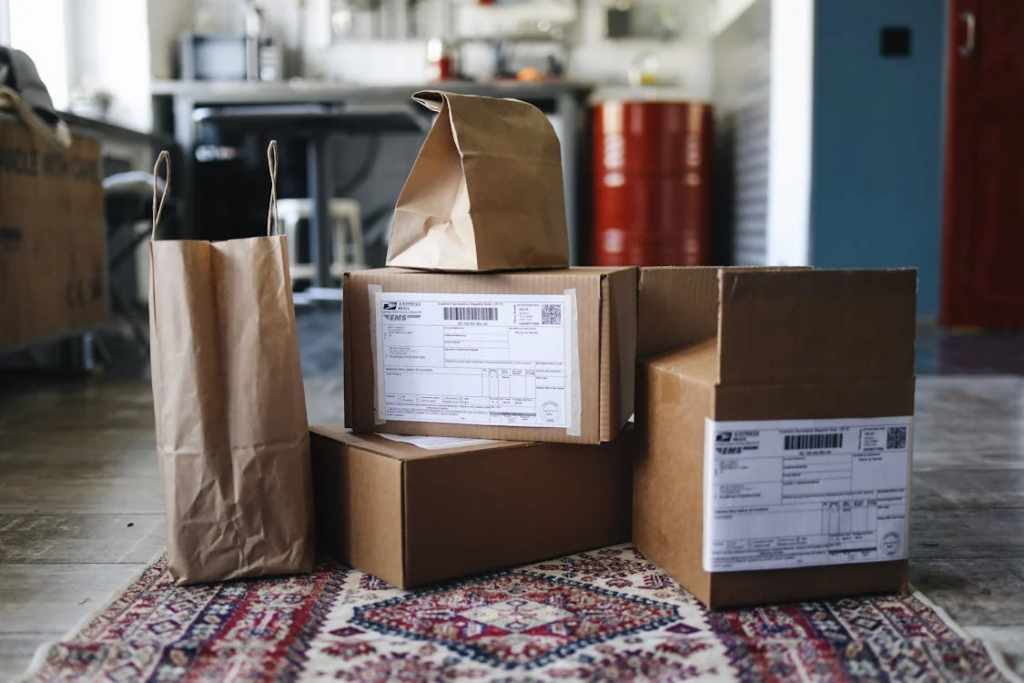
Small parcels look harmless on paper. In reality, they are where cost-vs-speed mistakes happen most often.
The reason is simple. On a cheap item, shipping becomes a much bigger percentage of the total order value. If the item costs $12 and shipping is $18, you suddenly care about every dollar. If the item costs $12 and the cheapest route takes so long that you forget about the order, you start questioning whether "saving money" was actually worth it. DHL's international shipping guidance emphasizes that the full cost of cross-border delivery is not just the base shipping rate; it also depends on size, weight, destination, service level, duties, taxes, and additional charges such as remote-area or handling fees.
That is why cheap parcels can feel surprisingly emotional. The parcel is small, but the decision feels personal. You do not want to feel tricked by a shipping method that looked good only until the final bill or the final delay showed up.
What People Really Mean by "Best"
When most buyers ask for the Best Shipping Method for Small Parcels from China, they are usually mixing four separate questions together.
They want to know which method is cheapest.
They want to know which method is fastest.
They want to know which method is safest.
And they want to know which method is least annoying after the parcel has already shipped.
Those are not always the same answer. DHL's own distinction between express and standard shipping makes this clear: express is time-definite, has better tracking and customs support, and is best for urgent or valuable items; standard is slower, tracking is more basic, customs can take longer, and it fits non-urgent or cost-sensitive shipments better.
So the real job is not to find one universally perfect method. The real job is to match the shipping method to the emotional and practical reality of the order.
The Cheapest Option: Economy and Standard Postal Routes
If your number one priority is cost, economy and standard postal routes usually win.
This is the option buyers choose when the parcel is light, the item value is modest, and waiting longer does not create real damage. It is usually the route for accessories, low-cost apparel extras, hobby supplies, or trial purchases where the buyer mainly wants to keep the shipping bill from getting ridiculous. The trade-off is exactly what DHL describes for standard shipping: slower delivery, more basic tracking, and customs that may take longer.
This is also the route that teaches patience. Economy shipping can make perfect sense on paper, but emotionally it is not easy for everyone. Tracking may update less often. Delivery windows may feel vague. A small parcel can sit in customs or at a handover point long enough to make buyers think something has gone wrong, even when the parcel is still moving normally. If you are the kind of buyer who refreshes tracking three times a day, the cheapest route may not actually feel cheapest once stress is part of the cost.
The Fastest Option: Commercial Express

If speed matters more than anything else, commercial express is usually the winner.
DHL says its express service is time-definite, available in more than 220 countries and territories, and that most international shipments arrive by the next possible business day, depending on origin, destination, and service selected. DHL also positions express as the best fit for urgent, valuable, or time-sensitive shipments because of real-time tracking, proactive updates, and stronger customs support.
That sounds great, and often it is. But this is where buyers make a classic mistake. They confuse "fastest" with "best" even when the parcel does not need speed badly enough to justify the premium. If you are shipping medication paperwork, a time-sensitive gift, a replacement part, or a high-value item, paying for express can be completely rational. If you are shipping a $9 accessory you just wanted before next month, express can start to feel absurdly expensive the moment you see the final rate.
The Middle Ground: EMS and Priority Postal Services

For many buyers, the emotional sweet spot is the middle ground.
EMS exists precisely because there is a huge demand for something faster and more structured than basic postal shipping, but not always as expensive as top-tier commercial express. The EMS Cooperative says EMS is a priority express mail service operating across more than 170 countries and territories through postal operators. That wide network is one reason buyers often see EMS as the "safer compromise" option for small parcels from China.
This middle ground matters because many buyers do not actually need next-business-day speed. What they need is reasonable speed with enough tracking and enough confidence that the parcel is not disappearing into a black hole. If basic economy feels too slow and commercial express feels too expensive, EMS-style services are often where the Best Shipping Method for Small Parcels from China starts to feel more realistic.
The Most Overlooked Option: Consolidation and Dedicated Lines
A lot of buyers compare only named courier services and forget the role of consolidation or dedicated lines.
This matters most when you are not shipping one tiny parcel from one seller, but several small items from multiple sellers or a shopping-agent warehouse. In those cases, the "best" method is not always about the first leg. It is about the final combined parcel. WorldFirst's shipping guidance notes that packaging choices, label accuracy, and method selection all affect both cost and delivery experience. DHL's packaging guidance also points out that minimizing empty space can reduce shipping cost.
That is a huge point for small parcels. Sometimes the Best Shipping Method for Small Parcels from China is not a single courier brand at all. It is a smarter packaging and consolidation decision that turns several inefficient little shipments into one more efficient one. Buyers often overlook this because it feels less glamorous than choosing "express," but in real life it can be the smartest move.
Why the Same Parcel Can Have Very Different Prices
This is the part that confuses first-time buyers most.
They imagine shipping cost should mostly depend on weight. In reality, international shipping cost is affected by size, weight, origin, destination, service level, duties, taxes, and possible surcharges. DHL's international shipping guidance explicitly warns that full cost includes not only shipping charges but also customs duties, taxes, insurance, and other added fees, while its packaging advice explains that poor box choice and wasted space can drive cost up unnecessarily.
So when two shipping options look wildly different, it is not always because one carrier is "ripping you off." Sometimes one method is priced for speed, one is priced for tolerance of delay, and one is more sensitive to dimensional size than buyers expect. This is why a light but badly packed parcel can still feel expensive.
Why Fast Shipping Estimates Sometimes Still Disappoint
One of the most painful moments in cross-border shopping is paying extra for speed and then watching the parcel stall anyway.
That happens because courier speed and end-to-end delivery speed are not the same thing. DHL emphasizes that delivery times vary by origin, destination, and service selected, and its customs guidance stresses that incomplete or inaccurate documentation can trigger delays, extra fees, or even rejected shipments at the border.
This matters emotionally because buyers often feel betrayed by the shipping method when the real problem was customs paperwork, a restricted product type, a remote-area handoff, or a destination-country process the courier cannot magically erase. So when choosing the Best Shipping Method for Small Parcels from China, speed estimates should always be treated as informed estimates, not emotional promises.
The Best Shipping Method for Small Parcels from China by Use Case
If the item is cheap, not urgent, and easy to replace, economy or standard shipping is often the smartest choice. It protects the total order value from being swallowed by freight, even if patience is required. That matches the broader guidance that standard shipping works best for non-urgent, cost-sensitive shipments.
If the item is time-sensitive, high-value, fragile, or needed for a fixed date, express is usually the right answer. That is exactly the scenario DHL highlights for express shipping: urgent and valuable shipments where visibility and customs support matter more than the lowest rate.
If the item falls in the uncomfortable middle, where you care about both cost and speed, EMS or a similar priority route is often the answer. Its global reach and priority-mail structure are why many buyers treat it as the compromise that hurts the least on both sides.
If you are ordering multiple small items, especially from more than one seller, the best method may be consolidation first and courier choice second. In that situation, packaging efficiency can matter almost as much as the shipping service itself.
The Mistakes That Make Small Parcels More Expensive Than They Should Be
The first mistake is choosing speed because of anxiety, not because of actual need.
The second mistake is choosing the cheapest option without being emotionally prepared for slower tracking and longer delivery windows.
The third mistake is ignoring customs, documentation, and destination-country charges. DHL's international shipping guidance is very clear that duties, taxes, and document accuracy can shape both cost and delay risk. Reuters' reporting on the EU's 2026 parcel duty shows why this matters even more now.
The fourth mistake is underestimating packaging. DHL specifically notes that using the right box size and minimizing empty space can lower shipping cost, which is especially important when small parcels are being quoted at rates that feel disproportionate to item value.
The fifth mistake is expecting one universal answer. There is no single Best Shipping Method for Small Parcels from China for every parcel, every country, and every buyer mood.
So What Is the Best Shipping Method for Small Parcels from China?
The honest answer is this.
If cost is your top priority and the parcel is low-risk, go with economy or standard shipping.
If speed is your top priority and delay would genuinely hurt, choose commercial express.
If you want the best balance for many ordinary cross-border purchases, the answer is often EMS or a similar priority-but-not-premium service.
If you are shipping multiple small items, think about consolidation before you think about brand names.
That is really what "cost vs speed explained" comes down to. The Best Shipping Method for Small Parcels from China is the one that fits the item's value, the buyer's patience, the destination-country rules, and the real cost after customs, packaging, and service level are all considered.
Final Thoughts
Small parcels create big feelings because they sit in an awkward space. They are too cheap to justify obvious waste, but too important to leave completely to chance.
That is why buyers obsess over this decision. They are not just choosing a courier. They are choosing how much uncertainty they can tolerate. They are choosing whether to pay more now or worry more later. And they are trying to avoid that uniquely annoying outcome where the shipping method becomes the most memorable part of the order.
So if you are still asking for the Best Shipping Method for Small Parcels from China, do not chase a magical one-size-fits-all answer. Chase the right fit. Cheap parcels usually want patience. Urgent parcels usually want express. Mid-value, mid-urgency parcels usually want balance. And in 2026, with customs pressure and parcel scrutiny rising in major markets, that balanced thinking matters more than ever.
Read More:
How Package Consolidation Saves Money When Buying from Multiple Chinese Seller