How to Avoid Return-to-Sender Problems When Shipping From China Before a Good Parcel Turns Into a Costly Loop
 Nicholas Chen
By CNCartGo Editorial Team
Return-to-sender problems are one of the most frustrating ways to lose money on an otherwise normal China order. The item was bought correctly, the seller shipped it on time, the warehouse packed it, and the parcel even left China. Then the tracking stops making sense. A delivery attempt fails, the carrier cannot verify the address, local customs or the last-mile partner asks for information that nobody provides in time, and the parcel starts moving backward instead of forward.
In real parcel-forwarding workflows, these failures usually do not happen because the parcel was impossible to deliver. They happen because one small part of the delivery chain was left vague: an incomplete phone number, a postcode that does not match the city, a recipient name that does not match the local ID format, an apartment number missing from the label, or a sensitive product mix shipped on a route that creates extra contact requirements after arrival.
The good news is that most return-to-sender cases are preventable. If the buyer treats address quality, route fit, and receiver readiness as part of export approval, the parcel is far less likely to enter the expensive loop of failed delivery, storage, relabeling, or forced return.
Short Answer
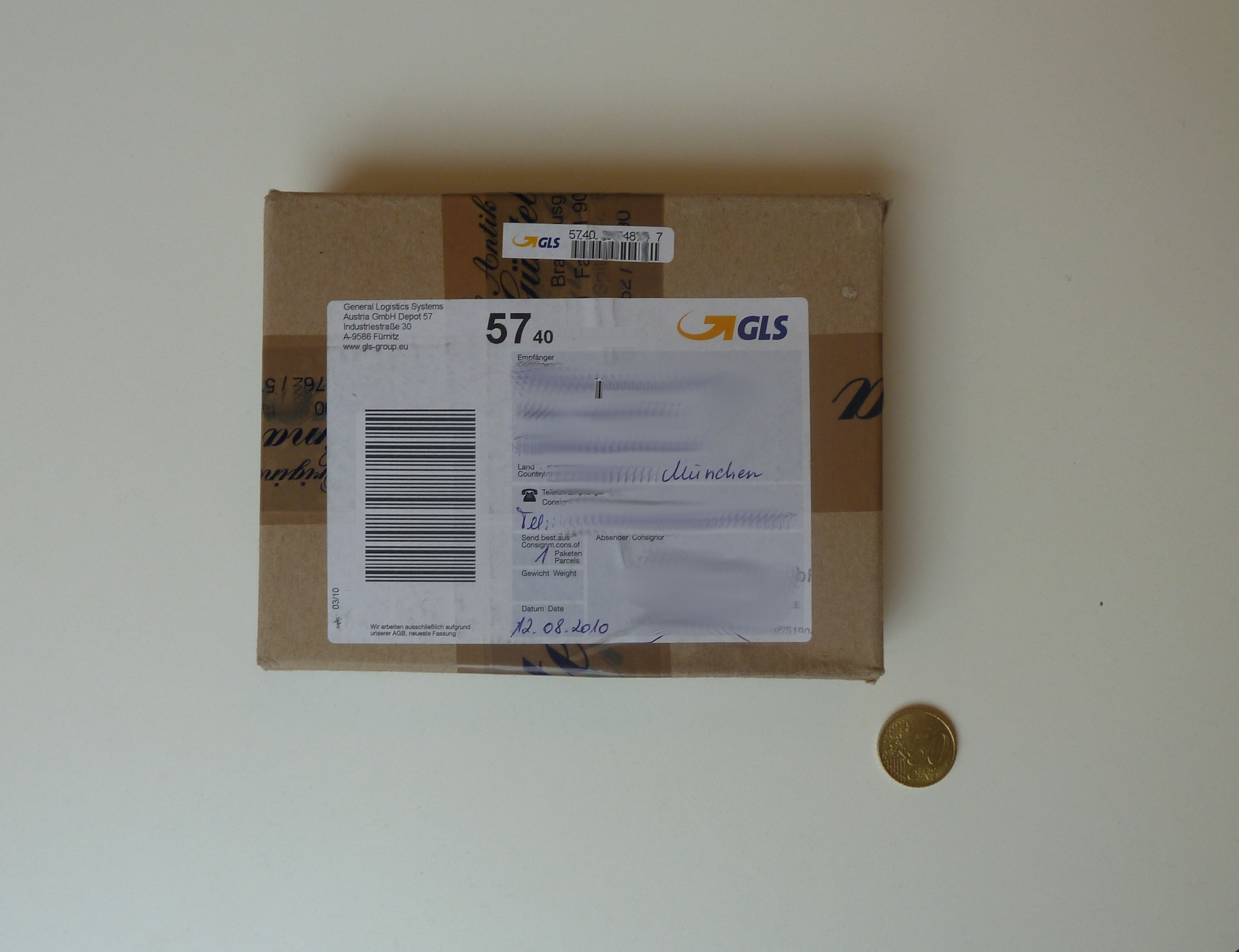
To avoid return-to-sender problems when shipping from China, verify the final delivery address in local format, use a reachable phone number, choose a route that fits the parcel profile, and make sure the recipient is ready to respond if the carrier or customs asks for more information. Most RTS cases are workflow failures, not random bad luck.
That does not mean every failed delivery can be eliminated. Carriers still make routing mistakes, customers still miss calls, and local delivery networks still vary by country. But when the shipment record is clean from the start, the buyer has far more control and far fewer expensive surprises.
Why Return-to-Sender Happens So Often
A parcel does not usually get returned because one team made one huge mistake. More often, the export side, customs side, and last-mile side each encounter one unresolved detail and pass the problem forward until the parcel can no longer be delivered cleanly.
We see this most often when buyers treat the receiver address as a checkout field instead of a delivery workflow. The warehouse may print exactly what the buyer submitted, but that does not guarantee the address is complete for the destination country, readable for the carrier network, or usable by the local delivery partner that makes the final handoff.
That is why return prevention starts before dispatch. If the parcel leaves China with weak delivery data, the fix becomes slower and more expensive once the shipment is already in transit.
The Most Common Mistakes That Trigger Failed Delivery or RTS
1. Using an address that is technically written, but operationally incomplete
A street name and house number may look fine in checkout, but many deliveries still fail because the apartment, building entry code, district, company name, or recipient surname is missing. This is especially common in apartments, student housing, business parks, and shared offices.
2. Giving a phone number the carrier cannot actually use
International parcels often depend on text or phone contact at the last mile. If the phone number is old, missing the correct country code, tied to the wrong recipient, or blocked from unknown calls, the parcel can sit undelivered until the carrier closes the attempt window.
3. Ignoring destination-country delivery habits
Some markets rely heavily on postal pickup notices, some expect the recipient to answer customs or tax messages quickly, and some require stronger postcode accuracy than buyers expect. A buyer who understands how customs-side delays happen will usually make better last-mile decisions too, because the information chain stays cleaner from export to delivery.
4. Shipping to a workplace, locker, or temporary address without checking carrier rules
Many forwarding problems start when buyers use a convenient address that only works for some carriers. Company reception desks may reject personal parcels, lockers may not accept parcels from a given line, and temporary accommodation may not hold deliveries long enough. Convenience is not the same thing as deliverability.
5. Waiting until the parcel is already in transit to discover the receiver must provide extra information
In some destinations, the recipient may need to confirm tax details, identity data, or delivery preferences after arrival. If nobody is watching for that request, the parcel can time out into return handling. This is one reason buyers should not separate shipping decisions from the wider buyer-service workflow. As we explain in our guide to choosing between a buying agent and a parcel forwarder, the right service model depends on where the risk really sits.
A Practical Pre-Dispatch Checklist That Prevents Most RTS Cases
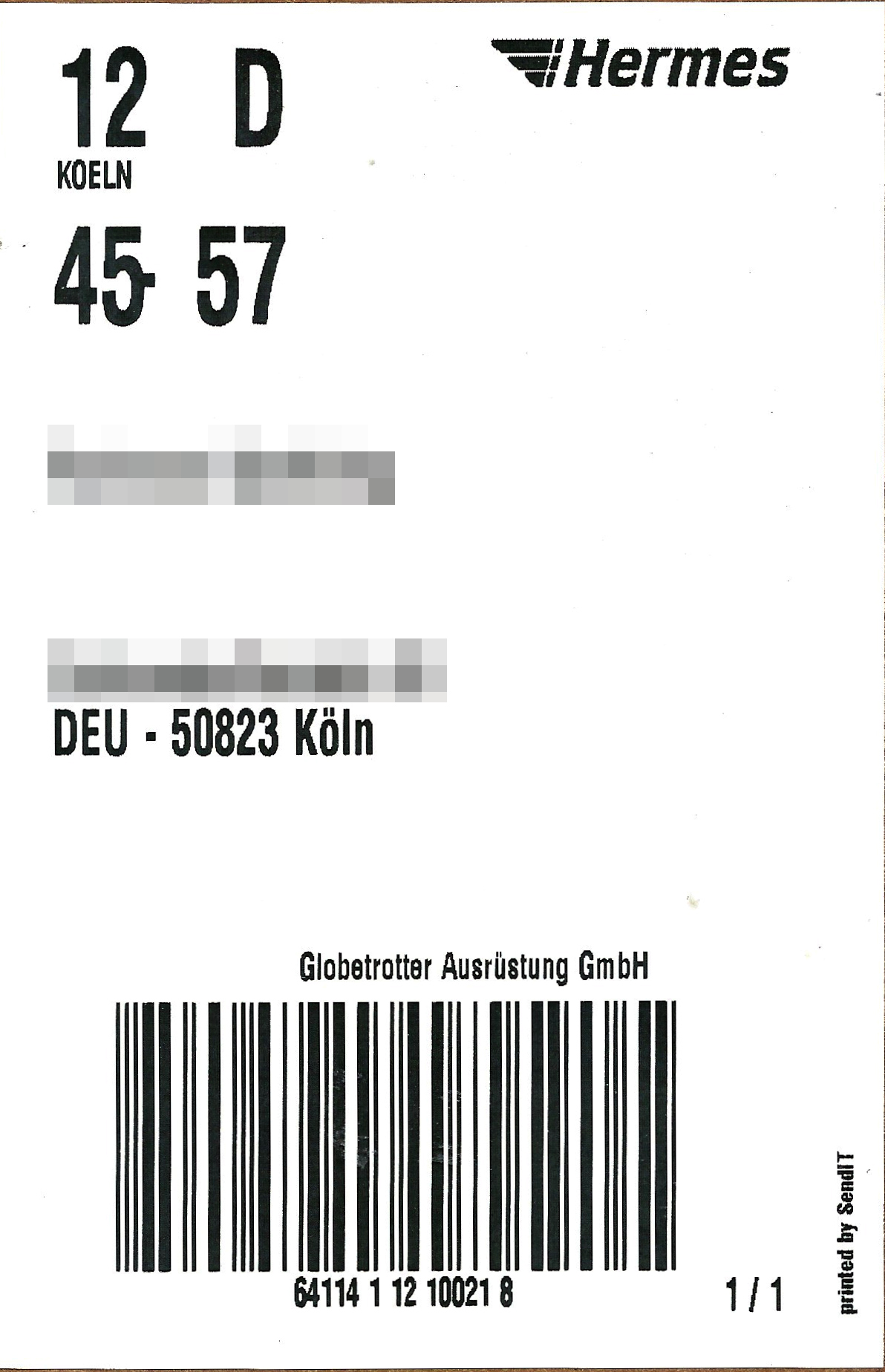
The safest workflow is to review the parcel as if the warehouse, customs team, and local courier will each see only one small part of the story. If one field is missing, none of them can fix the whole shipment alone.
- Confirm the recipient name exactly as local carriers should see it.
- Write the address in a locally usable order, including apartment, suite, or company details where relevant.
- Double-check postcode, city, state or province, and country code on the phone number.
- Decide whether the destination is residential, commercial, locker, campus, or temporary housing, then make sure the shipping line supports that delivery type.
- Check whether the destination country commonly asks for tax, identity, or customs follow-up after arrival.
- Make sure the recipient knows the parcel is coming and will watch tracking and contact requests.
- Approve export only after the parcel profile and receiver details make sense together.
This may sound stricter than a normal checkout flow, but it is cheaper than paying return freight, redelivery fees, or total parcel loss. Buyers already accept that warehouse inspection needs a practical checklist; delivery data deserves the same discipline.
What to Check in the Address Before the Parcel Leaves China
Recipient name
Use the name that matches how the local carrier or customs contact will identify the receiver. For some destinations, initials, nicknames, or business-only labels are enough. For others, they create friction if the parcel later needs confirmation.
Street line and secondary details
Do not force apartment, suite, floor, building tower, or unit details into the wrong field and hope the carrier will work it out. If a courier reaches the building but cannot identify the exact door, the parcel can fail even with a perfect city and postcode.
Postcode and city match
One of the easiest costly mistakes is a postcode copied from an old address or auto-filled from the wrong district. Carriers sort by postcode logic before a human ever reads the full delivery note. If the code points to the wrong zone, the parcel may be delayed, misrouted, or rejected from the local delivery run.
Phone and email readiness
The best phone number is not simply the buyer's favorite number. It is the number that will actually answer delivery or customs follow-up during business hours. The same goes for email when a destination market uses email-based tax or duty notifications.
When the Shipping Method Itself Causes Return Risk
Some parcels are returned not because the address is bad, but because the route and parcel profile do not belong together. A line designed for simple, low-risk parcels may perform badly on goods that trigger customs contact, signature requirements, or extra handling.
That is why shipping method selection matters long before the local courier attempts delivery. Buyers who compare route limits and parcel type early usually avoid the worst RTS cases. If the order value is tight, it also helps to weigh that against the real cost-saving options in cross-border logistics instead of choosing a line only because it looks cheapest at checkout.
A simple example is mixed parcels. A box that includes ordinary accessories plus one item needing closer review may travel fine until the destination side asks for information the buyer was never prepared to provide. The parcel then stops looking like a normal easy-delivery shipment.
Should You Ship to Your Home, Workplace, or a Pickup Location?
There is no universal best answer. The right destination is the one the chosen carrier can complete reliably.
- Home delivery is usually safest when someone can receive the parcel and building access is straightforward.
- Workplace delivery can work well for staffed offices, but only if reception accepts personal parcels and the recipient name is recognizable internally.
- Pickup points or lockers can reduce missed deliveries, but only when the route officially supports them and the parcel size fits the location rules.
- Temporary addresses are the highest-risk option unless timing is extremely well controlled.
Buyers often focus on what is most convenient for ordering day. The better question is what will still be workable two weeks later when the local courier actually tries to complete the handoff.
What to Do When Tracking Shows a Delivery Problem
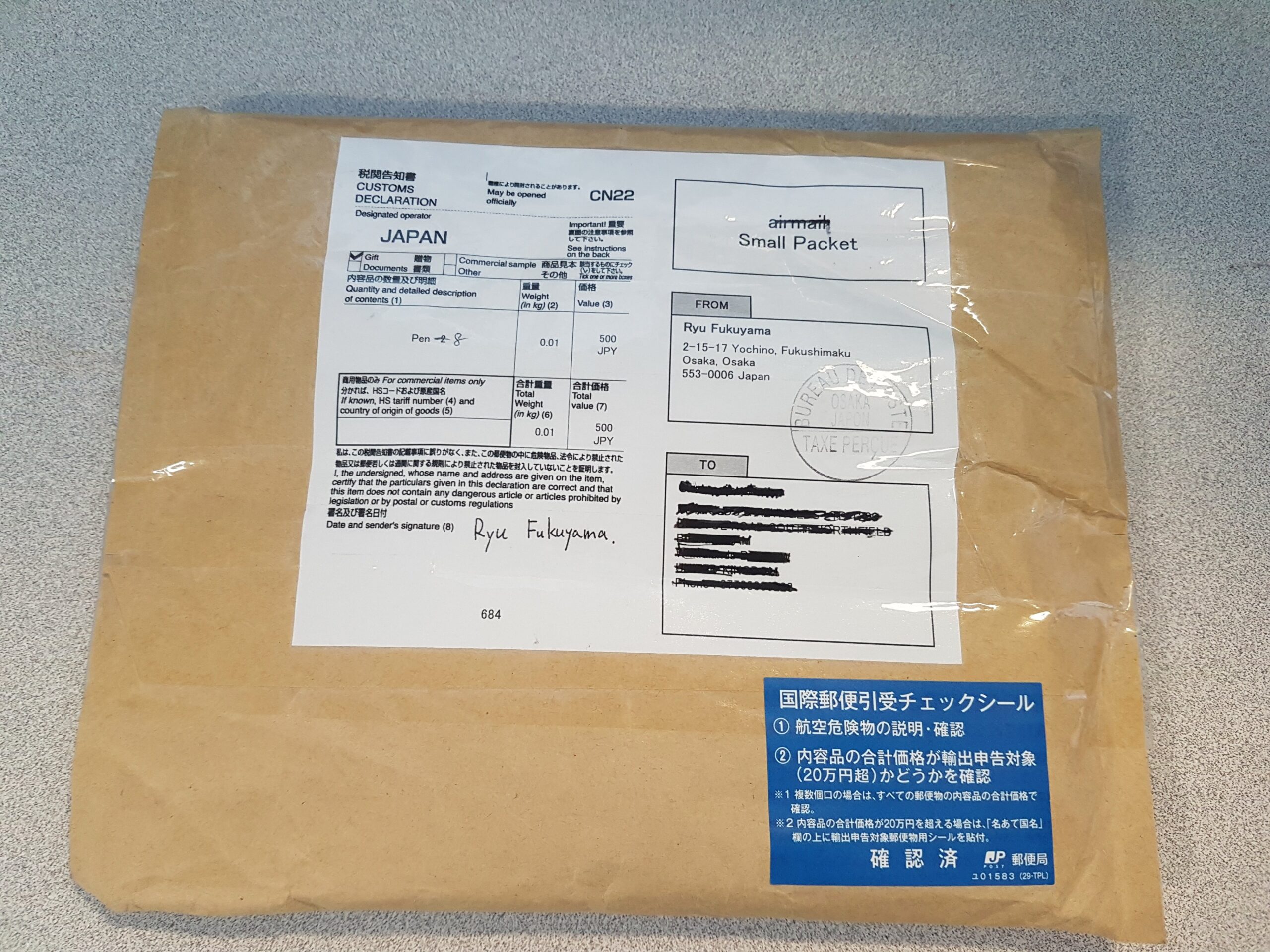
If tracking already shows address trouble, failed delivery, or return handling, speed matters. Do not wait several days hoping the system will correct itself.
- Check whether the carrier asked for more information by SMS, email, or portal update.
- Confirm the recipient phone number and full address again.
- Contact the service handling the shipment to see whether rerouting, note updates, or redelivery is still possible.
- Be realistic about whether taxes, duties, or missing documents are part of the blockage.
- If the parcel is still in a reversible stage, act before it moves from hold to formal return.
This is also where declared value and shipment coherence matter. A parcel that already looks inconsistent at clearance has a harder path to clean last-mile release, which is why declared value decisions and parcel-building decisions should never be treated as separate from delivery success.
Final Answer
The most reliable way to avoid return-to-sender problems when shipping from China is to treat the final delivery details as part of export planning, not as a formality. Clean address formatting, a reachable recipient, a route that matches the parcel, and fast response to carrier or customs requests prevent most expensive failed-delivery loops.
If one part of the shipment story is weak, the parcel can still leave China and still fail later. That is why disciplined buyers verify receiver data, delivery type, and follow-up readiness before the parcel is dispatched, when the fixes are still cheap and simple.