How to Ship Fragile Items From China Without Paying for Preventable Breakage
 Nicholas Chen
By CNCartGo Editorial Team
Fragile items are where many overseas buyers lose money in a way that feels unfair. The seller may have packed the product well enough for a short domestic trip inside China, the product photos may look perfect, and the item price may still feel attractive. Then the parcel reaches the warehouse, gets combined with other orders, moves through an international line, and arrives with cracked glass, chipped corners, bent frames, or retail packaging that absorbed the impact instead of protecting the product.
In practice, the problem is rarely just that the item was fragile. The bigger issue is that the order was treated like a normal parcel when it needed a stricter export workflow. We see preventable damage most often when buyers skip pre-payment fit checks, underestimate packaging quality, combine incompatible items into one box, or approve shipment before the warehouse confirms how the parcel has actually been built.
The good news is that fragile-item shipping from China can work very well when the process is controlled. Ceramics, glassware, boxed collectibles, framed decor, lamp parts, beauty devices with delicate housings, and selected home accessories can all be forwarded safely. The difference is whether the buyer treats fragility as a packaging and logistics problem early enough, instead of discovering it only after delivery.

Short Answer
Yes, you can ship fragile items from China safely, but only if you build the order around inspection, repacking, cushioning, and route selection. The cheapest-looking workflow is often the one that creates the most expensive breakage.
That is why the right question is not only, Can this item be shipped? The better question is, Can this item be packed, checked, and routed in a way that still makes commercial sense after damage risk is reduced? For many products, the answer is yes. For others, especially low-margin bulky decor or poorly packed mixed orders, the safer answer is to slow down, split the shipment, or drop the item entirely.
Why Fragile Parcels Get Damaged So Often
Most damage is not caused by one dramatic failure. It comes from a chain of small bad decisions.
A seller may use a retail box that looks tidy on the listing but leaves too much empty space inside. A buyer may combine ceramics with heavy metal parts because one consolidated shipment sounds cheaper. A warehouse may receive the product intact, but the buyer approves export without asking whether corner protection, void fill, or double boxing was added. The final route may then apply stacking pressure that the original packaging was never designed to handle.
When buyers say a fragile item was damaged in shipping, what they often mean is that nobody upgraded the parcel from a domestic seller carton into an export-ready parcel. That distinction matters. Domestic packaging is designed to get the goods from seller to warehouse. Export packaging is designed to survive handling, sorting, stacking, and a much longer journey.
The Most Common Mistakes Overseas Buyers Make
1. Trusting the seller box too much
One of the most common failures is assuming the seller's original packaging is good enough. For many fragile categories, it is not. Decorative glass, ceramic mugs, mirrors, resin display pieces, and boxed collectibles often need extra cushioning or a second outer carton before export.
2. Mixing fragile and crushing-weight items
Consolidation is useful, but it is not a rule you should apply blindly. If one parcel contains ceramic bowls and the other contains hardware, dense cosmetics, or heavy chargers, forcing them into one export box can create damage rather than savings. This is the same reason we tell buyers to think carefully about whether they need a buying agent or only a parcel forwarder. If the risk starts before final shipping, the service model needs to reflect that.
3. Paying attention to price, but not parcel geometry
Fragile-item shipping is shaped by empty space. A low-cost glass item can become a high-cost parcel because safe cushioning requires a bigger box. Buyers who judge value only by item price often miss the real problem: the safer carton may still be the right decision, but it changes the landed-cost calculation.
4. Requesting only a photo, not a packaging decision
Warehouse photos help, but they are not enough by themselves. A photo can confirm that the vase arrived unbroken. It does not confirm that the export carton now has enough corner protection, enough fill, or enough separation from the heavier items in the same shipment.
5. Shipping first, arguing about responsibility later
Once a fragile parcel has left China, the best correction window is gone. Returns, compensation claims, and blame discussions rarely recover the full loss. The cheaper move is almost always to catch the risk while the parcel is still in the warehouse.
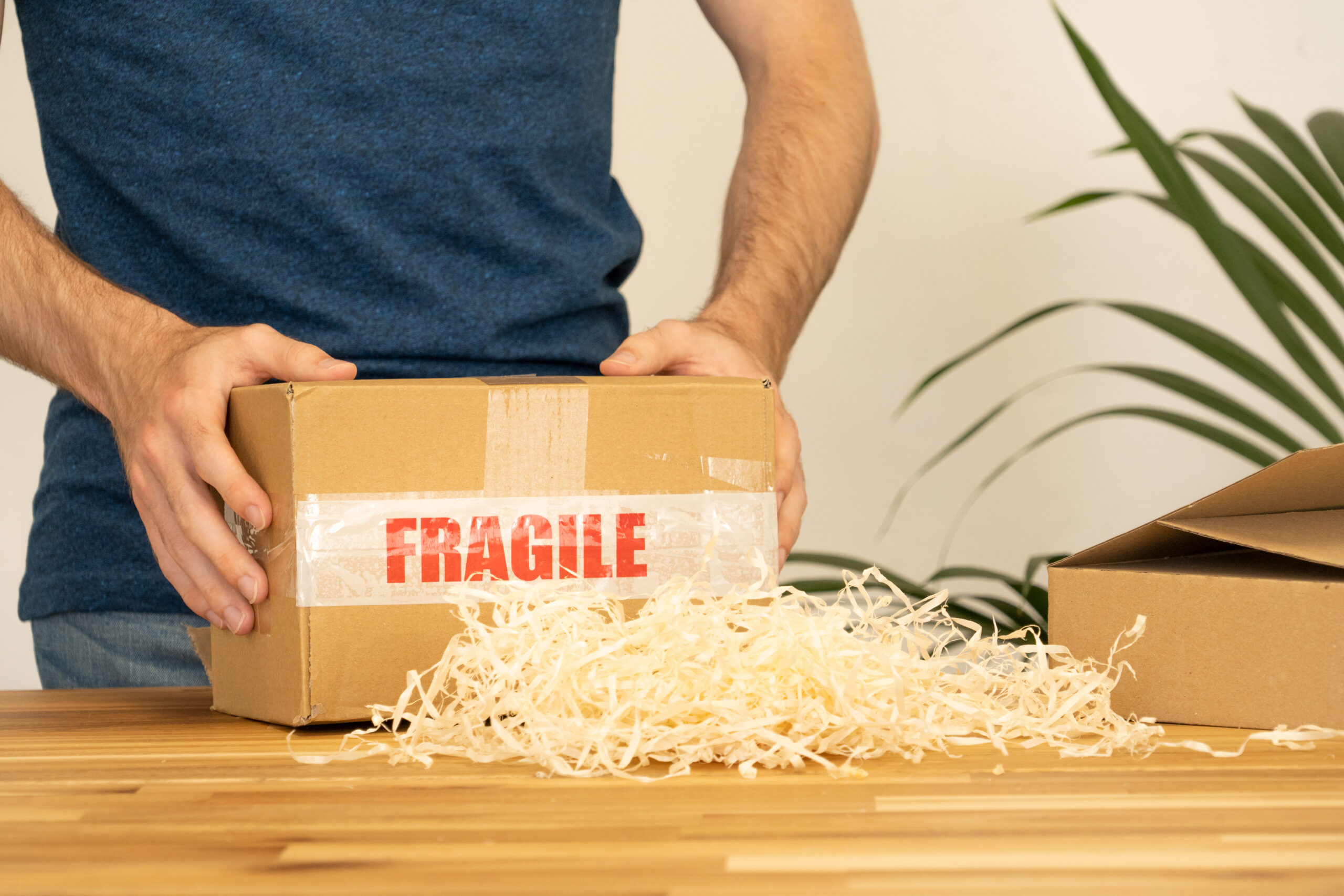
A Safer Workflow for Shipping Fragile Items From China
The most reliable workflow is straightforward, but each step matters:
- identify whether the product is fragile because of material, shape, finish, or packaging weakness
- confirm with the seller what original packaging is included and whether inner protection is already present
- send the order to a warehouse that can inspect visible condition before export
- ask for a packaging recommendation, not just a receiving confirmation
- separate fragile items from dense or crushing-weight items when needed
- approve the final route only after the parcel is repacked and measured
- ship only when the damage risk still makes commercial sense
That sequence sounds simple, but it changes outcomes. In warehouse-side workflows, the biggest fragile-item failures are usually obvious in hindsight: the box was thin, the void fill was missing, the item could move inside the carton, or the final mixed parcel should have been split. Those are process mistakes, not mysteries.
What to Confirm Before You Buy a Fragile Item
Material and break points
A ceramic plate, a framed print under glass, and a plastic desk organizer are all sold as home goods, but they do not belong in the same risk category. Before payment, identify what actually breaks: edges, handles, glass panels, corners, lids, or internal components. That helps the warehouse know what to inspect later.
Original packaging style
Ask whether the product ships in molded foam, styrofoam corners, blister support, cardboard separators, or only a retail display box. If the answer is vague, assume the warehouse may need to upgrade the parcel before export.
Retail-box importance
If the order is for personal use, gift presentation may not matter. If the order is for resale, a damaged retail box may still matter even when the product inside survives. That is where the decision about removing product boxes becomes more nuanced. For some fragile items, removing a weak decorative outer box and rebuilding the export carton is safer. For other products, the branded box adds useful internal structure and should stay.
Whether the item is worth forwarding at all
This is the question buyers often skip. Some fragile low-value decor items are still bad candidates for forwarding because the packaging needed to protect them makes the parcel too bulky for the margin. Good buying discipline sometimes means deciding not to ship the item.
What the Warehouse Should Actually Check
Fragile-item inspection should be more specific than a normal parcel check. A useful request usually includes:
- whether the item arrived with visible cracks, chips, dents, or compression damage
- whether the inner packaging holds the item tightly or allows movement
- whether handles, corners, lids, or glass panels are exposed to impact
- whether the seller carton is strong enough for export or only for domestic transit
- whether a second outer carton, corner protection, or more fill is needed
- whether this item should be separated from heavier goods before dispatch
This is where a warehouse adds real value. A basic receiving confirmation tells you that the parcel exists. A useful inspection tells you whether the parcel is actually ready to survive international handling. That is the practical boundary we explain in our guide to what warehouse inspection can realistically check before shipping.
When to Split the Shipment Instead of Consolidating It
Fragile parcels are where over-consolidation becomes expensive. Buyers usually consolidate because they want to cut repeated shipping fees, but the cheapest final bill is not always the best outcome if the parcel design becomes unsafe.
Splitting the shipment is often the smarter choice when:
- the fragile item has open surfaces or thin walls that cannot take compression
- the rest of the order contains dense items that can shift under impact
- the fragile item needs extra cushioning that would distort the whole mixed parcel
- one product is resale-sensitive and the others are not
- the parcel becomes too large and expensive once safe protection is added
That does not mean fragile items should always ship alone. It means the warehouse should build the shipment around physical compatibility, not just around the instinct to combine everything. In many mixed orders, separating one delicate SKU is cheaper than replacing the broken one later.
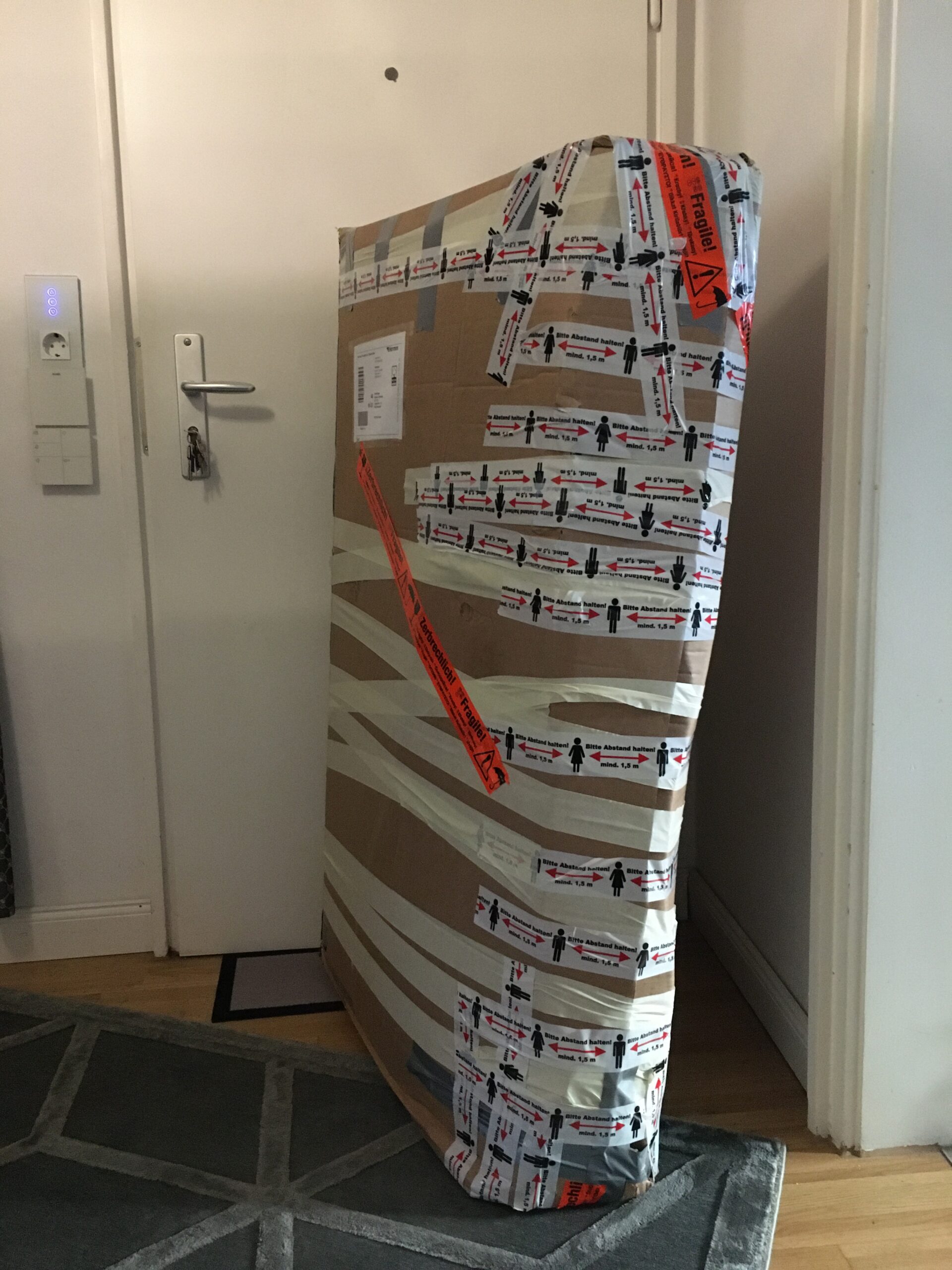
How Safe Packaging Changes the Shipping Bill
Fragile protection often increases parcel size, and that can feel frustrating when you were trying to save money. But safe packaging is not waste by default. It is part of the real cost of forwarding breakable goods.
The practical goal is not to make the parcel as small as possible. The goal is to make it small enough while still controlling movement, impact, and pressure. That is why landed-cost planning matters. If the order becomes too bulky after proper cushioning, the right decision may be to change the route, split the parcel, or remove the product from the batch. Buyers who need that bigger-picture cost discipline should also review how to reduce cross-border logistics cost without creating hidden damage risk.
Which Fragile Categories Usually Work Best
Not every fragile item behaves the same way. In real buying workflows, the safer fragile categories usually have one or more of these advantages: standardized packaging, moderate item value, predictable shape, or clear inspection points.
- Boxed collectibles with molded inner support: often workable when the box condition is acceptable and the item is not crushed by mixed freight.
- Small ceramics with thick walls: workable when individually wrapped and separated properly.
- Beauty devices or home gadgets with delicate housings: workable when original packaging is strong and route selection is sensible.
- Framed or glass-surface items: higher risk, but possible when double boxing and corner protection are added.
The categories that fail most often are the ones that combine low item value, weak packaging, awkward shape, and heavy cushioning requirements. Those are the orders where a buyer should be honest about whether the economics still work.
When a Buying Agent or Hands-On Service Helps More
Fragile-item orders often need more than payment support. If the product listing is vague, the packaging detail is unclear, or the seller is not answering practical protection questions, a more hands-on buying flow can save more money than it costs. That is especially true for trial retail batches, decorative goods, or mixed orders where one fragile item can compromise the whole shipment.
In those cases, the value is not only in placing the order. It is in tightening the workflow before the parcel reaches the export stage: confirming how the seller packs the item, clarifying what parts are most exposed, and deciding whether the item belongs in the same shipment as the rest of the order.
Final Answer
Shipping fragile items from China safely is absolutely possible, but it only works when the buyer treats packaging and route choice as part of the purchase decision. The biggest fragile-shipping losses usually come from ordinary-looking mistakes: trusting the seller carton, over-consolidating mixed parcels, skipping warehouse packaging checks, or ignoring how much safe cushioning changes the parcel shape and cost.
The safer rule is simple. Inspect before export, repack when needed, separate fragile goods from crushing-weight items, and approve the shipment only after the warehouse confirms that the parcel is truly export-ready. If the item no longer makes sense after that process, the right decision is to stop there, not to ship a weak parcel and hope for the best.