How to Ship From China to Canada in 2026: GST, Duty, and Courier Fees Without Surprise Costs
 Nicholas Chen
By CNCartGo Editorial Team
For buyers in Canada, the biggest shipping mistake usually happens before the parcel leaves China. The seller quote looks acceptable, the line sounds familiar, and the checkout page makes the order feel finished. Then the parcel reaches Canada and the real landed cost appears. The Canada Border Services Agency says imported mail may be subject to GST and duty, the tax treatment depends on value and province, and Canada Post states that it collects assessed amounts on behalf of the government with a CAN$9.95 handling fee. That is why a cheap-looking China order can still become a poor-value order at delivery.
In warehouse-side workflows, the Canada shipments that go smoothly usually share three habits. The buyer decides early whether the parcel is a personal order, a sample run, or a commercial restock. The shipping line is chosen after the final carton is measured instead of while the order still exists only as screenshots. And the buyer treats taxes and handling as part of the buying decision, not as an unpleasant surprise to solve later. That discipline matters because Canada is not one simple flat-cost destination. GST is the baseline, some provinces use HST, and the final collection experience depends on the carrier.
The practical question is not simply how to ship from China to Canada. It is how to ship in a way that still makes sense after GST or HST, possible duty, and delivery-side handling are counted. For most ordinary consumer goods, that means avoiding fantasy declarations, overbuilt parcels, and false urgency. The best Canada workflow is usually boring in the right way: clear item description, realistic value, line matched to the final carton, and no assumptions that the border will make hidden costs disappear.

Short Answer
The best way to ship from China to Canada in 2026 is to wait for the warehouse to confirm the final parcel profile, then choose a route based on total landed cost rather than freight alone. For ordinary low-value consumer parcels, a clean postal or standard parcel route often gives the best balance. For urgent stock-sensitive orders, express can be justified. What matters most is that the declaration is honest, the parcel is not mixed carelessly, and the buyer already expects GST or HST, possible duty, and handling fees before the parcel lands.
If you keep one rule, keep this one: Canada punishes incomplete cost thinking more than slow transit. Most bad Canada orders are not disasters. They are parcels that still arrive, but with weaker margins, avoidable fees, or delivery friction that the buyer should have planned for earlier.
What Canada Buyers Actually Get Charged For
Canada imports usually involve four separate cost layers, not one.
- Product cost: what you paid the seller or platform in China.
- China-side handling: domestic delivery, receiving, inspection, consolidation, repacking, or payment support.
- International transport: the actual line, whether postal, standard parcel, express, or a special route.
- Import-side cost: GST or HST, possible duty, and delivery-side collection or handling fees.
CBSA states that unless specifically exempted, imported mail is subject to 5% GST, with goods worth CAN$20 or less generally exempt for ordinary imports by mail. It also notes that duty rates depend on the type of goods and where they were made. Canada Post then adds an operational detail buyers often miss: when duty and taxes are assessed on international packages, it collects those fees and includes a CAN$9.95 handling fee. That small line item changes the economics of low-margin orders very quickly.
A Practical Canada Import Table
| Order type | Usually best fit | Main watchpoint | Why buyers get it wrong |
|---|---|---|---|
| Low-value personal goods | Clean postal or standard parcel route | GST or HST plus handling fee | They compare only the seller quote and forget delivery-side collection |
| Urgent replacement stock | Express courier | Total landed cost versus stockout cost | They pay for speed without checking whether margin survives |
| Mixed consumer cart with bulky items | Repacked standard line after warehouse review | Volumetric weight and declaration clarity | They choose the line before the carton is rebuilt |
| Restricted or battery-related parcel | Special line that matches the goods | Route eligibility | They try to force a sensitive parcel onto a generic route |
| Small business sample order for Canada | Controlled test shipment | Repeatable landed-cost math | They test with a one-off rush workflow they cannot reuse |
The Canada Workflow That Usually Works Better
1. Decide whether this is a personal parcel or a business test
That distinction shapes everything that follows. A personal buyer can accept a little more transit time if the parcel is ordinary and the all-in cost remains sensible. A small brand testing Canada demand needs a repeatable workflow. In practice, that means asking whether the same tax, shipping, and handling structure would still work on the second and third order. If the answer is no, the first order taught the wrong lesson.
2. Let the warehouse see the finished carton before you lock the route
Canada quotes often change after consolidation or repacking. This matters even more for light but bulky goods because volumetric weight can make a cheap cart turn into an expensive parcel. The line should be selected only after the warehouse confirms size, restricted-item profile, and packing quality. That is the same reason we recommend reviewing the best shipping method from China only after the real parcel exists.
3. Treat tax collection as part of the buying workflow
For Canada, tax is not a side issue. CBSA makes clear that imported goods by mail may be charged GST and sometimes HST depending on province, while duty depends on the goods themselves. Buyers who pretend tax is optional usually misread the order economics. A parcel that looks cheap at checkout may still become an expensive one if GST or HST, a CAN$9.95 Canada Post handling fee, and any duty are all waiting at the end.
4. Use plain, defensible declarations
Canada does not reward creative customs descriptions. A parcel described vaguely as "accessories," "gift," or "sample" is not automatically safer. It is simply weaker. The better workflow is to use plain product language, keep value aligned with the real transaction, and avoid mixing unrelated items just to chase one shipping quote. Buyers who need help with declaration logic should review our guide on what value to declare when shipping from China.
5. Match speed to business cost, not buyer anxiety
Canada buyers often over-upgrade to express because they are worried about customs delay. Sometimes that is correct, especially when a stockout or customer promise is on the line. More often, the real issue is that the parcel was not prepared well enough. For low-value ordinary goods, a clean standard route can be the better answer. For urgent commercial replenishment, express is rational if the extra freight still protects revenue or service levels.
6. Prepare for the Canadian last mile
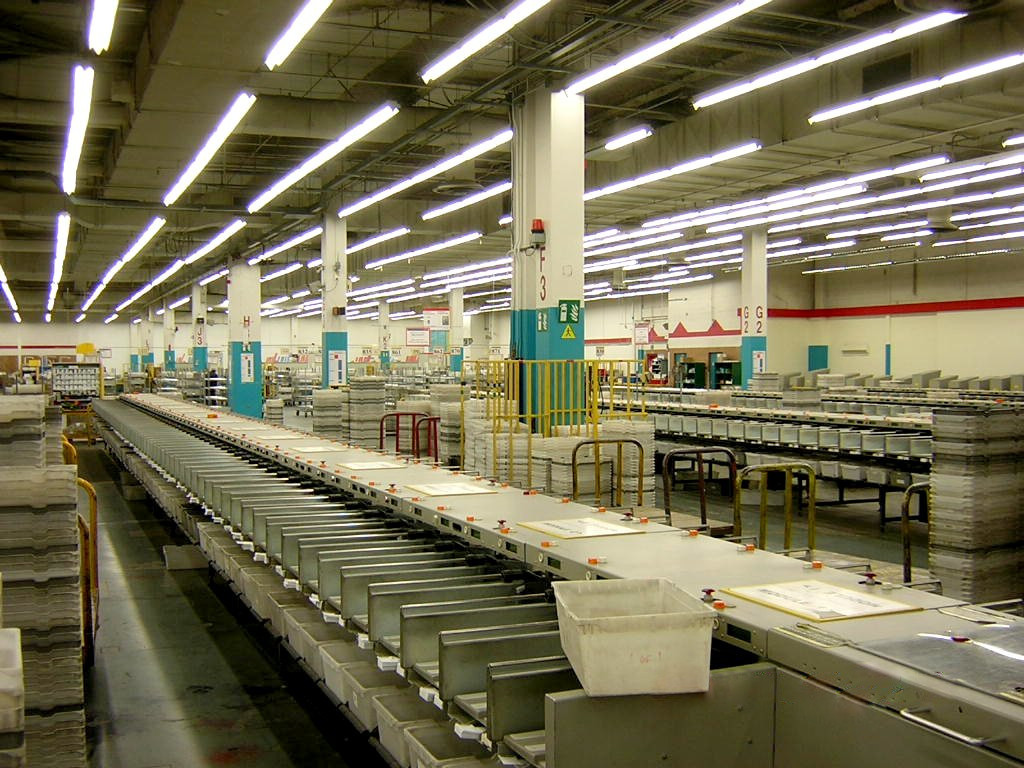
The shipment is not truly finished when it arrives in Canada. Screening, tax assessment, local handling, payment collection, and delivery are all part of the same journey. That is why the same disciplines behind avoiding customs delays and avoiding return-to-sender problems still matter for Canada. A parcel with weak paperwork often creates its most annoying problems after the flight, not before it.
Common Canada Mistakes We See Repeatedly
- Using the CAN$20 threshold as a strategy: it is an exemption rule, not a plan for every order.
- Ignoring province-level tax reality: some buyers assume every Canadian delivery behaves like a flat 5% GST transaction when HST can apply in participating provinces.
- Forgetting collection fees: the buyer budgets for tax but forgets handling charges collected on delivery workflows.
- Building one messy mixed parcel: weak product descriptions and awkward packing create worse outcomes than two cleaner parcels.
- Testing margins with the wrong shipping method: a rushed first shipment can make a product look viable when the repeat workflow will not support it.
The most expensive Canada mistake is not usually confiscation or a dramatic border problem. It is quiet margin erosion. The parcel arrives, but the business logic was wrong. The buyer paid taxes, handling, and oversized freight on a workflow that should have been simplified earlier.
When a Buying Agent Makes More Sense for Canada
If the order is already purchased, the goods are ordinary, and the main task is consolidation plus forwarding, a parcel-forwarding workflow can be enough. But if the order still needs seller communication, payment help, product checking, or repacking judgment, a buying agent usually creates a cleaner result. That is especially true for Canada orders that mix platforms, sellers, or product types. Upstream confusion almost always becomes a downstream shipping problem.
That is why many buyers should answer the service question before the shipping question. Our guide on buying agent versus parcel forwarder helps clarify which workflow fits the order before the parcel is built.
Our Recommendation by Buyer Type
- First-time Canada shopper: keep the basket tight, use ordinary goods, and choose a clean standard route with realistic expectations on tax and handling.
- Small business testing a product in Canada: run one controlled sample shipment with a workflow you can repeat, not a special-case rush order.
- Regular cross-border buyer: consolidate only when the combined parcel still improves total landed cost after size, tax, and handling are counted.
- Buyer with restricted items: use a compatible route and never rely on vague paperwork to make the parcel look simpler than it is.
Final Checklist Before You Ship to Canada
- Confirm the final parcel dimensions before choosing the line.
- Use clear item descriptions and a defensible declared value.
- Budget for GST or HST, possible duty, and delivery-side handling.
- Do not let urgency push you into a freight option that breaks margin.
- Split awkward mixed orders if one carton would create worse packing or declaration quality.
- Check whether the workflow would still make sense on a repeat order, not only this one shipment.
Final Answer
Shipping from China to Canada works best when the parcel is built honestly and costed honestly. Canada buyers should assume that tax and handling matter, that duty can still apply depending on the goods, and that the shipping method should be chosen only after the real carton is visible. For ordinary low-risk orders, a clean standard or postal route is often the strongest value. For urgent business-critical orders, express can be worth the premium. What fails most often is not transit itself, but cost planning that started too late.
If the order still makes financial sense after GST or HST, possible duty, handling, and realistic shipping are all included, the workflow is healthy. That is the standard Canada buyers should use before any parcel leaves China.