Can You Ship Battery Items and Regular Goods Together From China? A Practical FAQ for Overseas Buyers
 Nicholas Chen
By Nicholas | CNCartGo Editorial Team
Sometimes, yes, you can ship battery items and regular goods together from China. The catch is that the battery item decides the route rules for the whole parcel more often than buyers expect. If the battery is built into a normal consumer product, properly declared, and accepted on the same channel as the rest of the goods, one mixed shipment can be practical. If the battery is loose, unclear, oversized, or treated as a route exception, forcing it into the same box usually creates more delay than savings.
This is one of the most common mistakes in parcel forwarding. Buyers see one headset, one power bank, one charger, and a pile of ordinary accessories and assume the warehouse can simply combine everything because the order volume is small. In reality, the right question is not whether the goods fit in one carton. The right question is whether the final parcel still qualifies for one clean export workflow after the battery item is inspected.
Short Answer
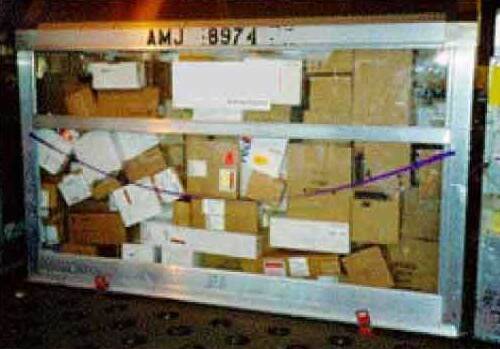
You can sometimes ship battery items and regular goods together from China when the battery is route-compatible, the item description is clear, and the warehouse confirms the parcel can move under one shipping method without relabeling or splitting. It works best for low-risk consumer electronics with built-in batteries and a straightforward packing profile. It works badly when the battery is loose, the product category is ambiguous, or the mixed parcel would force the whole shipment onto a slower, more expensive, or less stable channel.
Why Battery Parcels Change the Shipping Decision
Battery items are not difficult only because they contain power cells. They are difficult because they change risk classification, paperwork expectations, airline acceptance, and sometimes even the way the outer carton needs to be packed. One small battery product can turn an ordinary parcel into a route-specific shipment. That is why the best shipping method for a mixed order depends on route compatibility first, not on the buyer's wish to keep everything together. If you need a broader route comparison, start with the best shipping method from China in 2026 and air freight versus express courier from China.
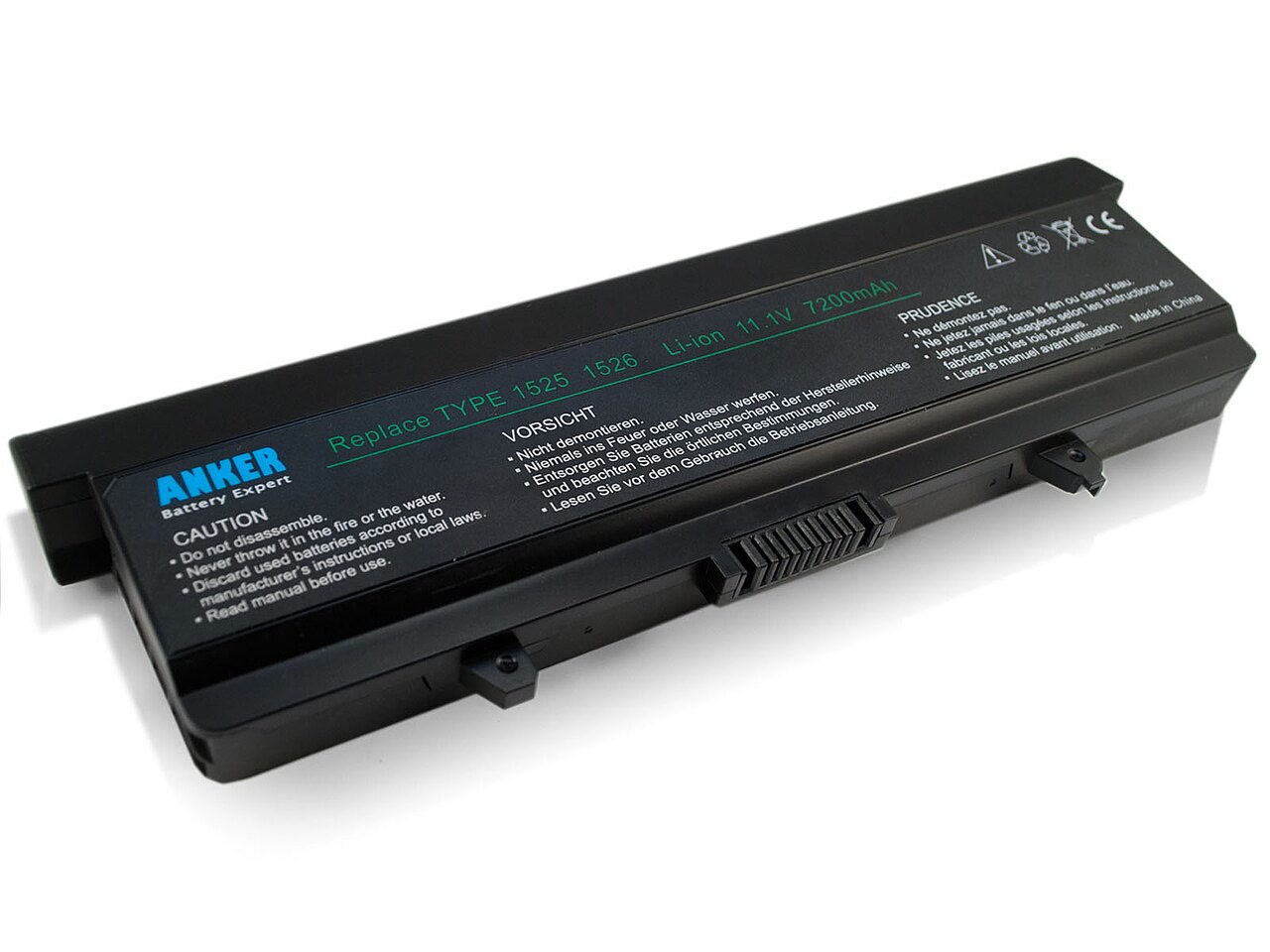
In warehouse practice, the most important distinction is usually built-in battery versus loose battery. A phone, handheld console, or Bluetooth device with an integrated battery may still fit a workable mixed-shipment plan. A standalone power bank, spare e-bike battery, or unverified replacement battery often changes the conversation immediately. The parcel forwarder now needs to decide whether the route accepts it, whether the description is strong enough, and whether combining it with ordinary goods still makes commercial sense.
When One Mixed Shipment Usually Works
A mixed shipment is usually reasonable when four conditions are true:
- The battery item is easy to identify. The warehouse can tell what it is, what device it belongs to, and whether the battery is built in or loose.
- The route accepts the whole parcel under one rule set. If the battery item forces a different line, the benefit of one shipment shrinks fast.
- The parcel does not need risky over-packing. Compressing ordinary goods around a battery item is not good warehouse practice.
- The time savings from one parcel are real. If combining creates relabeling, special handling, or extra review, separate parcels may move faster overall.
A common workable example is one parcel with a tablet keyboard, a wireless mouse, a built-in-battery headset, and a few ordinary accessories. A weak example is a mixed order with clothing, low-value stationery, and one loose replacement battery that the seller did not describe clearly. The second parcel looks simple on paper but often becomes the one that stalls the shipment.
What the Warehouse Should Check Before You Approve It
The warehouse inspection step matters more here than in an ordinary parcel. Buyers should expect a real decision, not a generic "received" status. The team should verify the product identity, inspect the packaging, and confirm that one outbound route still makes sense. That is the same reason our inspection guide and repack guide matter so much for mixed parcels: warehouse inspection before shipping and repack approval from China are the stages where a battery item should be approved or separated, not guessed through.
| Checkpoint | Why it matters | Good decision rule |
|---|---|---|
| Battery type | Built-in and loose batteries are often treated differently by routes | Keep built-in items only if the route clearly allows them |
| Product description | Weak or vague naming creates customs and carrier friction | Use clear item labels before dispatch |
| Outer packaging | Poor packing can turn a compliant item into a damaged return | Protect the battery item without crushing the rest of the parcel |
| Route compatibility | One exception can downgrade the whole shipment | Split if the battery line is materially different |
| Declared value logic | Electronics and battery goods often draw closer scrutiny | Keep the declaration consistent with the actual contents |
This is also where customs realism matters. Battery items are not automatically a customs problem, but sloppy descriptions and mixed parcels with weak declarations create preventable friction. Buyers who want one clean parcel should still follow the same discipline used to avoid customs delays when shipping from China and to understand when route responsibility changes under DDP versus DDU shipping.
When You Should Split the Shipment
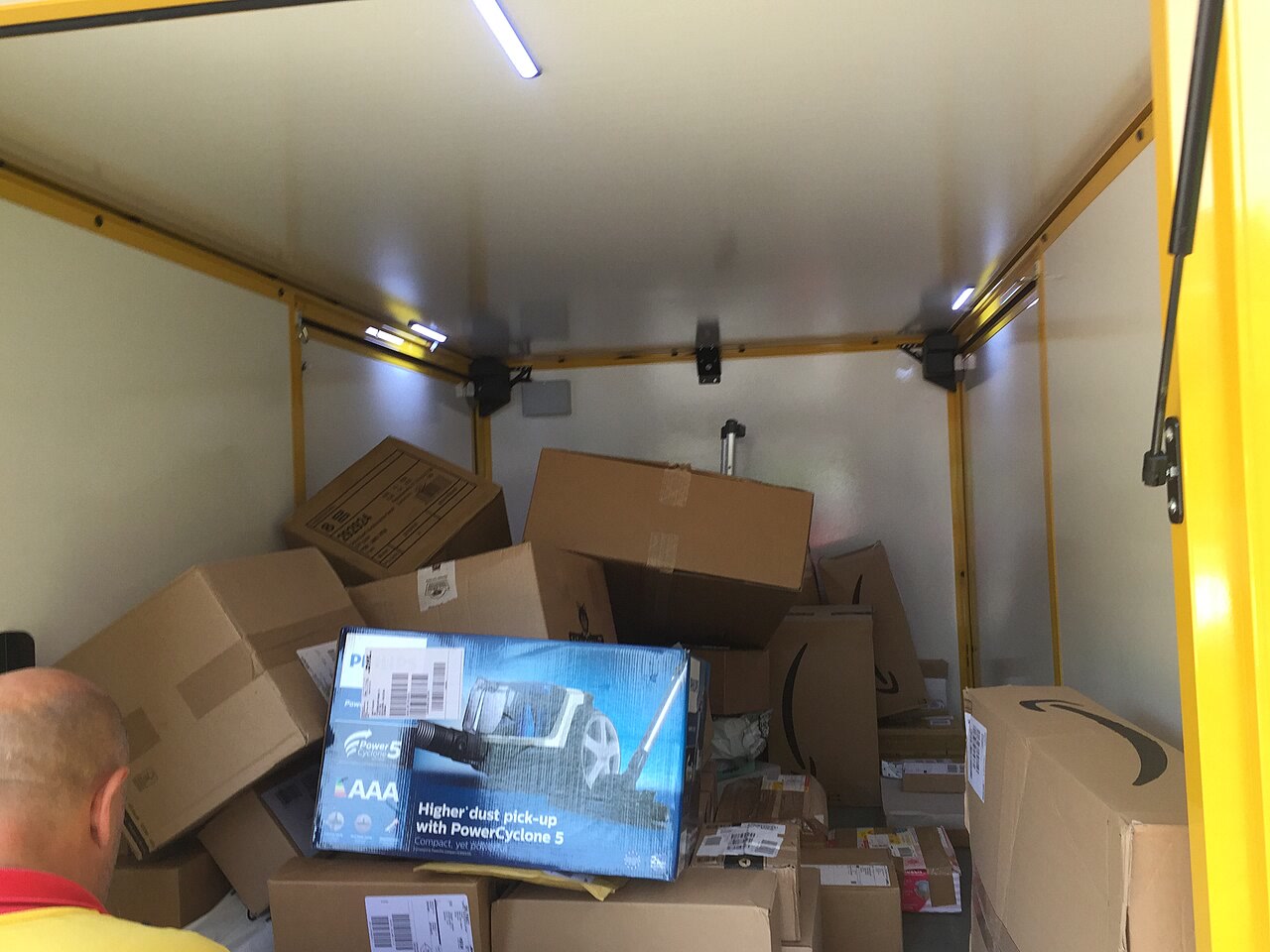
You should usually split the shipment when the battery item is loose, unusually large, uncertain, or likely to push the whole order onto a worse line. Splitting is also the better call when the regular goods are already clean, simple, and ready to move. In that situation, holding everything for one battery decision often wastes time without creating real savings.
The key practical rule is simple: if the battery item changes the route, the documentation burden, or the packing method too much, it has stopped being a "small extra" and started controlling the entire parcel. That is the moment to separate it.
FAQ: Straight Answers for Overseas Buyers
Can I put a power bank in the same parcel as clothes and accessories?
Sometimes, but it depends on the route and how the power bank is classified. A power bank is usually more restrictive than ordinary goods, so the warehouse should confirm compatibility before combining it.
Are built-in batteries easier to ship than loose batteries?
Yes. Built-in batteries are often easier because the product is a complete consumer device. Loose batteries create more route friction and are more likely to justify a split shipment.
Will one battery item always make shipping more expensive?
No, not always. But it can remove the cheapest route options or increase handling complexity, which is why the final cost depends on route acceptance rather than the size of the battery item alone.
Should the warehouse test the item before shipping?
If the item is used, fragile, or seller descriptions are unclear, basic inspection is worth it. Catching the wrong battery product in China is much cheaper than discovering it after export.
Is one mixed parcel better than two separate parcels?
Only when the battery item genuinely fits the same route and packing plan as the rest of the goods. If it does not, two cleaner parcels are usually the more reliable choice.
Final Take
You can ship battery items and regular goods together from China, but only when the battery item still allows the whole parcel to move under one clear shipping rule. That means the warehouse must identify it correctly, confirm route compatibility, and approve the packing plan with no guesswork. If the battery item is loose, unclear, or route-sensitive enough to drag the parcel off the best line, split it early and keep the rest of the order moving.
That is the practical answer most overseas buyers need. One mixed parcel is useful only when it stays clean, compliant, and commercially sensible from warehouse inspection to final dispatch.