Air Freight vs Express Courier From China in 2026: Which One Is Better for Small Business Orders?
 Nicholas Chen
By CNCartGo Editorial Team
For small business buyers, the air freight vs express courier decision usually shows up after the easy part of sourcing is already over. The products are paid for, the supplier has delivered to the warehouse, and someone now needs to decide whether speed is worth the premium. That sounds like a pure logistics question, but in real orders it is a margin question first. The wrong route can turn a workable batch into a weak one even when the goods themselves were bought well.
We see this most often when buyers treat every urgent-looking parcel as an express parcel. A carton of replacement accessories for a live customer order does not behave like a carton of low-value restock. A 28 kg sample batch for a brand review does not behave like five ordinary small parcels. Once the warehouse has the final dimensions in hand, air freight and express courier stop being abstract labels. They become two very different operating models, with different cutoffs, different customs visibility, different last-mile behavior, and different tolerance for imperfect parcel design.
That is why a clean comparison has to start from the real shipment. If the warehouse has not confirmed the final weight, carton count, and product profile yet, the decision is still too early. The best route is chosen after the parcel becomes real, not while the order still exists only as seller photos and optimistic assumptions.
Short Answer
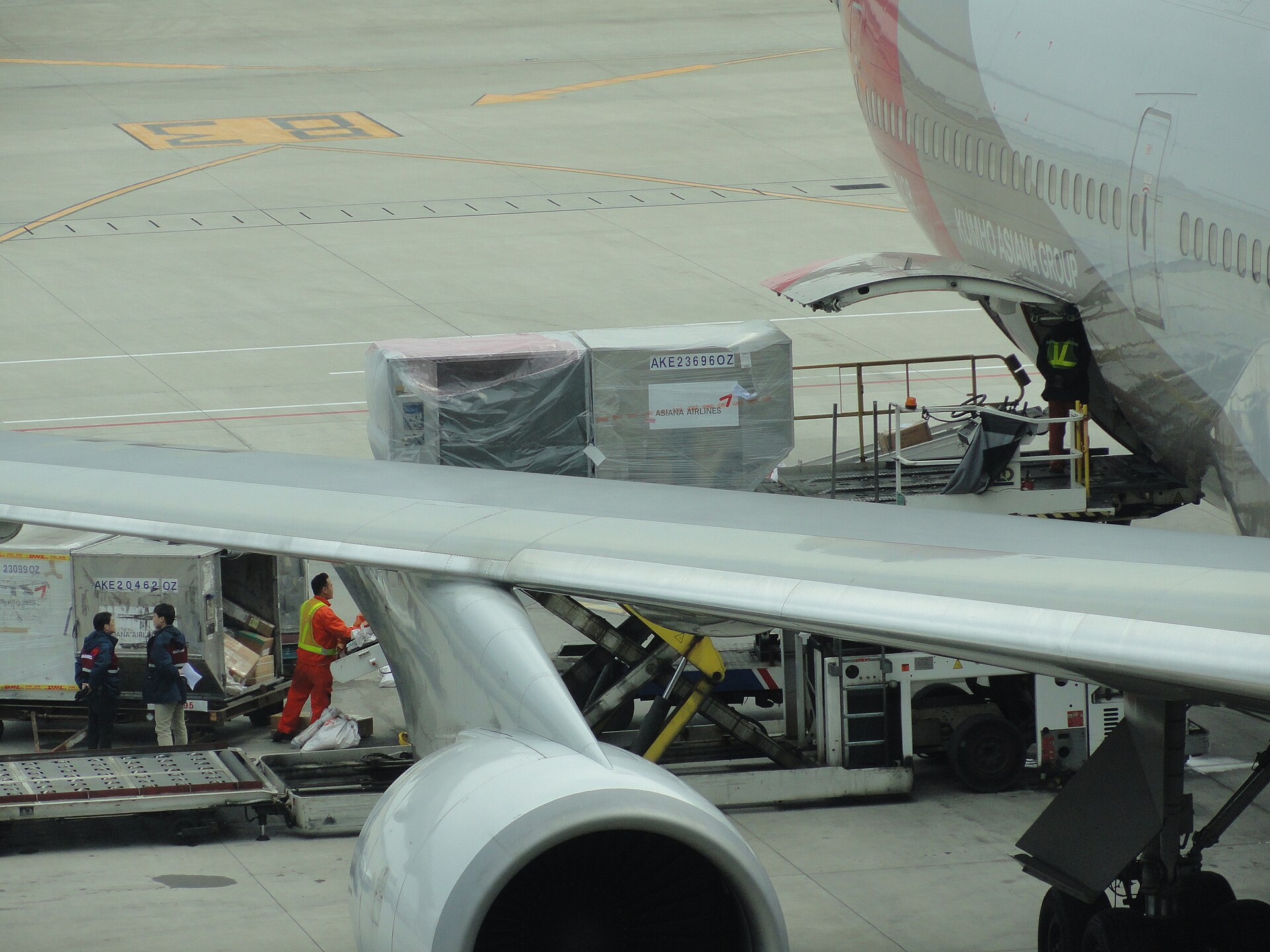
For most small business orders, express courier is better when delay is expensive, carton count is still manageable, and the shipment needs cleaner door-to-door handling. Air freight is usually better when the batch is heavier, the order can tolerate more coordination, and lowering the per-kilo transport cost matters more than shaving every day off transit.
If the shipment is under tight deadline pressure, has higher item value, or needs simple delivery with fewer moving parts, express usually wins. If the shipment is heavy enough that courier pricing starts to feel punitive, and the buyer can manage a more structured arrival workflow, air freight often becomes the better commercial decision.
What Buyers Are Really Comparing
Many buyers think they are comparing two speed options. In practice, they are comparing service design.
- Express courier is usually sold as a premium, simpler, more integrated route with clearer tracking and easier last-mile delivery.
- Air freight usually works better as a transport stage inside a bigger delivery chain, often with more handling steps before the goods reach the final address.
That difference matters because the final bill is not the only cost. A route that looks cheaper can still be more expensive if it creates more warehouse coordination, more customs friction, or more delivery-side labor after arrival. This is the same reason we tell buyers not to choose support by headline alone in our guide on buying agents versus parcel forwarders. The right workflow depends on where the real complexity sits.
When Express Courier Is the Better Choice
Express courier is usually the stronger option when the shipment is time-sensitive, moderate in size, and expensive enough that slow delivery creates a bigger loss than the freight premium.
That is common in three situations. First, the order is replacement stock for an active business, where every extra day risks lost sales or customer frustration. Second, the goods are samples needed for a decision, photo shoot, or buyer approval round. Third, the parcel is operationally simple enough that paying more for speed also buys cleaner execution.
Courier also makes sense when the destination-side process needs to stay as uncomplicated as possible. Many small businesses do not want to coordinate extra handoff stages after arrival. They want the shipment cleared, moved, and delivered with the least amount of intervention. That convenience has real value.
What courier does not do is fix a badly prepared parcel. If the goods are misdeclared, mixed poorly, or pushed onto the wrong route profile, premium speed only moves the weakness faster. Buyers who still need to tighten the paperwork side should review how declared value decisions affect the shipment before they assume the courier line will carry the whole workflow safely.
When Air Freight Is the Better Choice
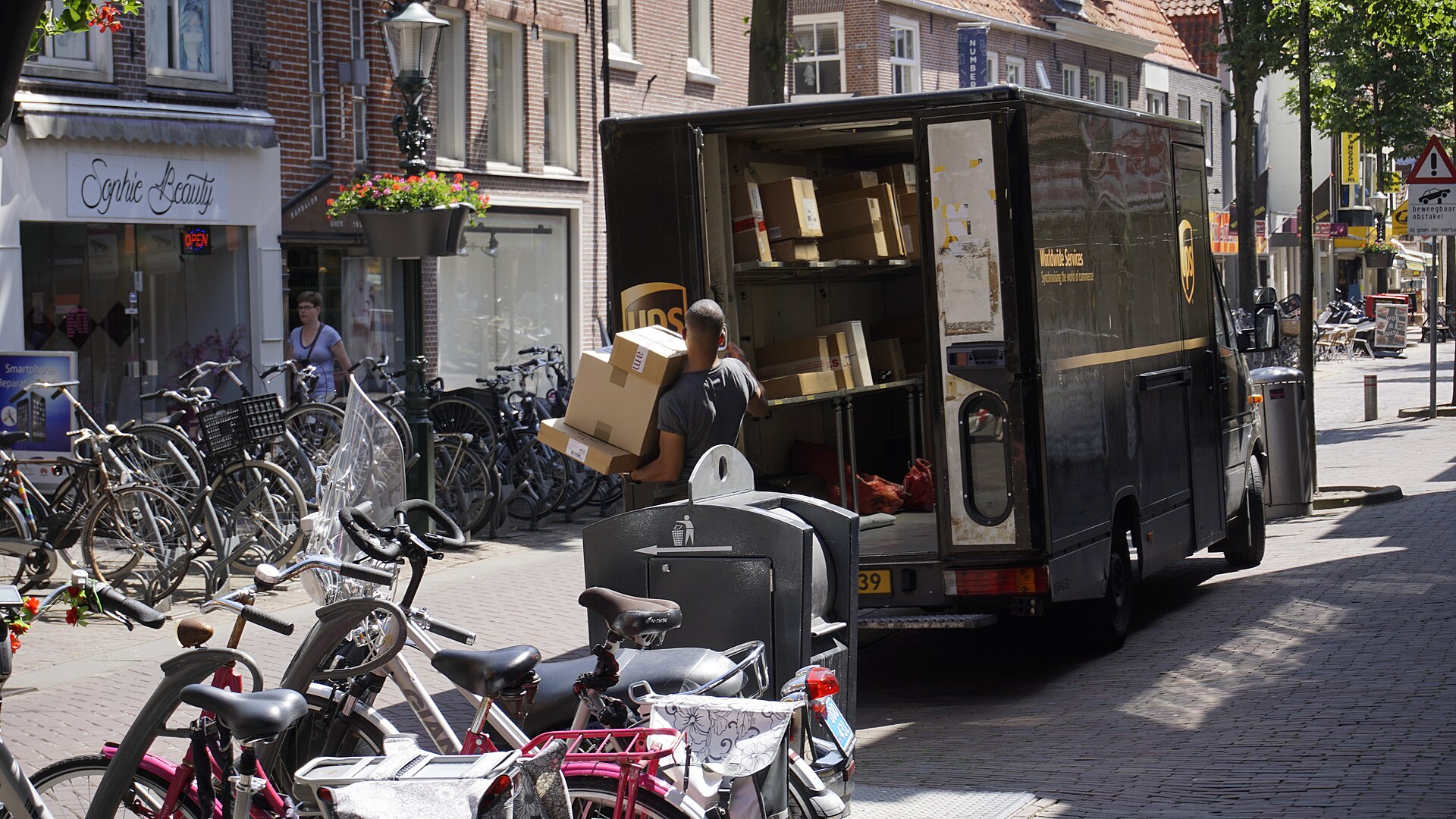
Air freight usually becomes more attractive when the shipment is heavy enough that express pricing starts to hurt, but still urgent enough that sea freight or slower parcel lines do not make sense. That is a common pattern for small business replenishment, mixed cartons of non-fragile stock, and sample batches that have outgrown ordinary parcel logic.
In warehouse workflows, air freight often wins when the buyer is moving a real batch rather than a single urgent parcel. Once the shipment reaches multiple cartons or enough chargeable weight, the cost curve often becomes more favorable than courier. The tradeoff is that the buyer usually needs more tolerance for coordination. Arrival can involve more structured pickup, broker communication, or local handoff steps depending on the route design.
Air freight can also be the more honest choice when the business priority is cost control rather than maximum simplicity. That matters for low-to-mid margin goods where express feels operationally comfortable but economically heavy. If the freight bill starts to overpower the item margin, the faster-looking answer may no longer be the better business answer.
That is also why carton design matters so much here. If the batch needs repacking, split-carton logic, or stronger organization before export, that work should happen before route approval. Otherwise the buyer is comparing transport modes on the wrong parcel. We covered that discipline in our warehouse repack checklist.
A Practical Comparison Table
| Factor | Air freight | Express courier |
|---|---|---|
| Best fit | Heavier business batches that still need relatively fast movement | Urgent cartons, samples, or replacement stock that need simpler door-to-door handling |
| Cost pattern | Usually stronger once shipment weight and carton count increase | Usually stronger for smaller, cleaner, time-sensitive shipments |
| Operational complexity | Higher, often with more coordination after arrival | Lower, usually simpler from pickup to final delivery |
| Tracking and handoff clarity | Can be less intuitive depending on route structure | Usually clearer for small business buyers |
| Main buyer mistake | Choosing it without planning the arrival-side workflow | Paying premium speed for a batch that is too heavy to support the cost |
The Warehouse Questions That Usually Decide It
Before we recommend one route over the other, we usually want the warehouse to answer five questions.
- What is the final chargeable weight after repacking, not before?
- How many cartons are leaving, and are they balanced properly?
- Are the goods ordinary, branded, fragile, battery-related, or mixed?
- What happens commercially if delivery slips by several days?
- Does the buyer want the simplest delivery experience, or the strongest freight efficiency?
That list sounds basic, but it catches the two mistakes we see most often. Buyers either push a heavy batch onto courier because they are nervous about delay, or they force a time-sensitive order onto air freight because the headline rate looks better. Both mistakes come from deciding before the warehouse has finished defining the actual shipment.
If customs exposure is part of the risk, the route choice also has to be judged against documentation discipline and product mix. Buyers who are still loose on item descriptions or mixed parcels should read our customs delay guide before approving dispatch.
Where Small Businesses Usually Misread the Cost
The classic mistake is to compare freight quotes without comparing the total operating outcome.
An express quote can look painfully high, but still be correct if the shipment supports revenue quickly and arrives with fewer handoff problems. An air freight quote can look efficiently low on a per-kilo basis, but still be the wrong choice if the arrival-side work creates delay, storage, or local delivery friction that the buyer did not plan for.
Another common mistake is to compare routes before the carton count settles. A business may think it is shipping one clean batch, only to learn after warehouse sorting that one sensitive SKU should be separated, one carton needs stronger protection, or one oversized box is destroying the economics. That is the same process problem behind many return-to-sender failures. The route itself is not always wrong. The route-to-parcel match is wrong.
Our Recommendation by Order Type
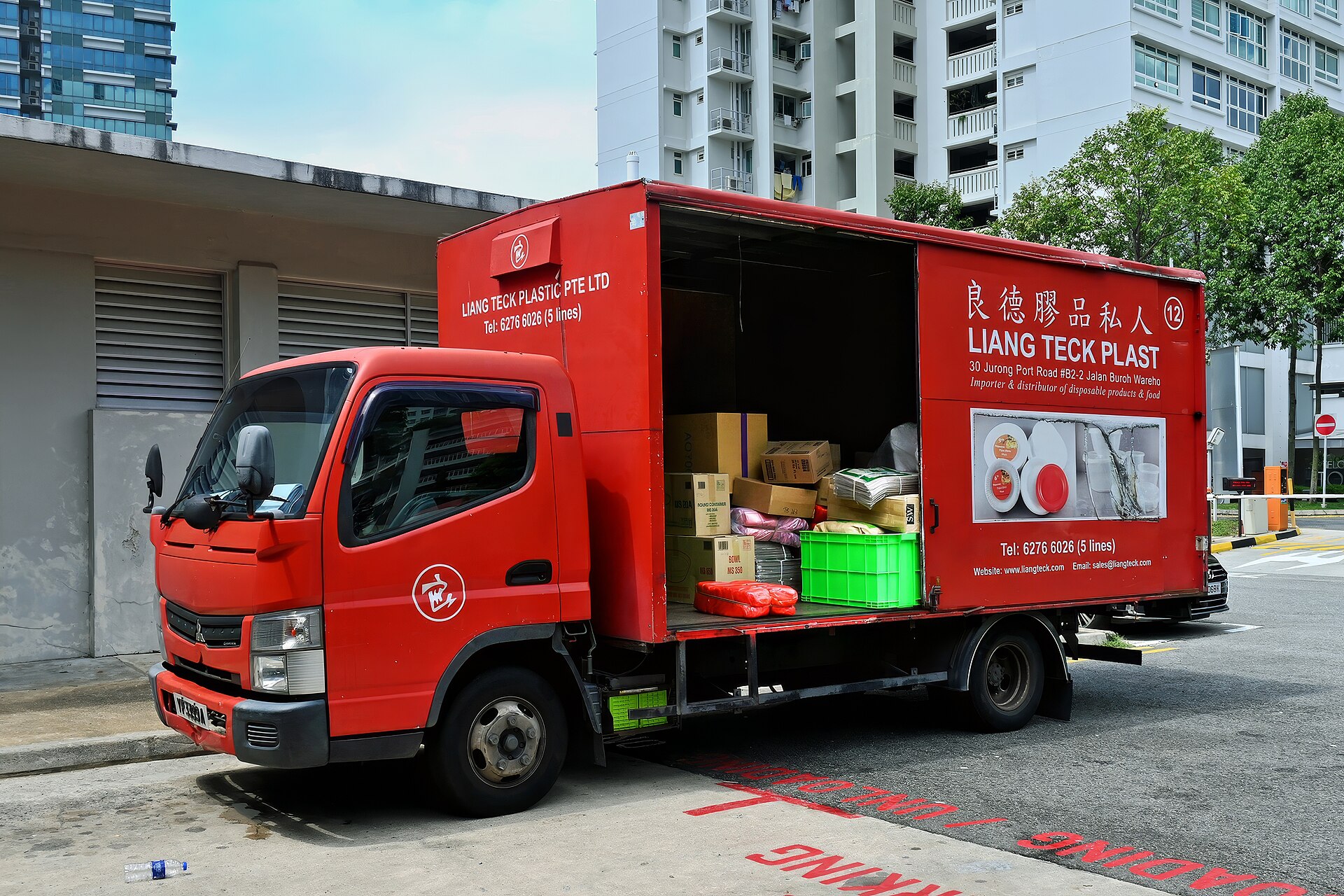
- Urgent replacement stock: express courier is usually the safer business call.
- Heavier replenishment batch: air freight is often better if the buyer can manage a more structured arrival workflow.
- Samples for approval or a customer pitch: express usually wins because timing clarity matters more than per-kilo efficiency.
- Mixed business order with awkward carton growth after warehouse arrival: stop and compare again after repacking. Do not rely on the first quote.
- Any shipment where the team still is not sure which route family fits best: start with the broader shipping-method framework, then narrow the decision to air freight versus courier only after the parcel profile is clear.
Final Answer
Air freight is usually better for small business orders that are heavy enough to punish courier pricing, but still urgent enough that slower methods are not acceptable. Express courier is usually better when the shipment is smaller, more time-sensitive, and needs cleaner door-to-door execution with less coordination risk.
The practical rule is simple: use courier when simplicity and time protection matter most, use air freight when shipment weight starts to dominate the economics, and make the choice only after the warehouse confirms the final parcel structure. That is the point where the route becomes a business decision instead of a guess.