How to Buy From Weidian as an International Buyer in 2026: A Practical Step-by-Step Guide
 Nicholas Chen
By Nicholas | CNCartGo Editorial Team
Weidian is one of the first Chinese platforms that international buyers hear about when they want niche fashion, small-store finds, creator-led products, or items that do not surface cleanly on larger marketplaces. It is also one of the easiest places to misread if you approach it like a simple global checkout. The platform can be highly useful, but the value comes from how you manage seller communication, payment, domestic receiving, and warehouse verification, not from the listing alone.
The short version is this: most overseas buyers cannot use Weidian safely by relying on the product page only. The practical workflow usually involves screenshots, link tracking, seller clarification, a China-side payment path, domestic delivery to a warehouse or agent, and a final shipping decision after the parcel is physically checked. Buyers who skip those steps often save money on the screen and lose it later through wrong variants, weak seller communication, or export shipping that no longer makes sense once the real parcel arrives.
That is why Weidian deserves its own guide. It sits in the same China-shopping ecosystem as Taobao, 1688, and Xianyu, but the buying behavior is different. The best results usually come when the buyer treats each order like a store-specific sourcing workflow rather than a standardized retail checkout.
Quick Answer: Can International Buyers Buy From Weidian?
Yes, but usually through a China-side workflow rather than a direct overseas checkout.
In practice, the common route is to identify the listing, confirm the exact product details, pay through an agent or supported local-payment workflow, send the parcel to a warehouse in China, inspect it, and only then choose international shipping. This is why Weidian is workable for overseas buyers, but it is rarely beginner-friendly in the same way a large international marketplace might be.
If you are deciding whether Weidian is even the right platform for your order, compare it with Weidian vs Taobao for international buyers. Taobao is usually easier for broad retail buying. Weidian becomes more valuable when the store or listing itself is the advantage.
What Makes Weidian Different From Taobao, JD.com, or 1688
Weidian is often more seller-led and less standardized. Listings can be image-heavy, brief, and inconsistent. Variant details may be obvious to a local buyer familiar with the store but unclear to an overseas buyer translating the page. Stock can move quickly. Messaging can matter more than the listing copy. The practical result is that the product page is only part of the buying information.
This is where international buyers usually make their first mistake. They assume the listing is complete enough to support direct payment. On Weidian, the better question is whether the listing is complete enough to start a clarification workflow. That small mindset change saves real money because it shifts the buyer from passive reading to active confirmation.
Weidian is strongest when you already know what you want, have a store lead, or are following a community recommendation that points to a specific seller. It is weaker when you need broad comparison, standardized specs, or a low-friction checkout path. For those situations, a bigger marketplace or a broader platform guide may fit better.

A Practical Weidian Workflow That Actually Works
The cleanest Weidian orders usually follow six steps:
- Save the exact listing and store details. Keep the product URL, screenshots, price shown at the time of selection, and any visible size, color, or batch notes.
- Clarify what matters before payment. Confirm stock, exact variant, included accessories, visible flaws, packaging style, and expected domestic dispatch timing.
- Use a payment path that fits China-side seller behavior. For many overseas buyers, that means a buying agent rather than forcing a direct foreign-card assumption.
- Route the parcel to a warehouse in China. This gives you a control point before export.
- Inspect the parcel after arrival. Check whether the received item still matches the buying decision.
- Choose shipping after the real parcel is known. The shipping method should be based on actual dimensions, packaging, and item risk, not on the listing thumbnail.
That sequence sounds slower than normal e-commerce, but on Weidian it is often the cheaper path because it keeps each risk in the stage where it can still be managed. Seller ambiguity belongs before payment. Parcel mismatch belongs at warehouse inspection. Freight choice belongs after packing is visible.
What to Check Before You Pay
On Weidian, payment should come after the essentials are pinned down, not before. The most useful checks are usually simple and specific:
- Current stock status: ask whether the exact size, color, or version is available now, not whether the listing is generally active.
- Real current photos when needed: especially when the item is fashion-led, batch-sensitive, or dependent on finish details.
- Included accessories or packaging: this matters for giftable items, branded goods, shoes, electronics, and anything where missing parts change value.
- Dispatch timing: a listing that looks cheap can create a weak consolidation plan if the seller ships days later than the rest of the order.
- Seller responsiveness: vague answers before payment usually predict more friction later.
Weidian buyers who ignore seller signals often end up solving a buying problem with warehouse effort. That is inefficient. If the seller is unclear before payment, pause there. Our piece on a real-world Weidian order review shows how much value depends on simple checks like matching the received parcel to the original seller evidence.
When a Buying Agent Makes Sense
For international buyers, a buying agent is not always mandatory, but on Weidian it is often the cleanest way to reduce friction. The core benefit is not only payment. It is interpretation and control. A good agent can communicate with the seller in Chinese, confirm the right variant, flag risky wording, receive the parcel domestically, and help decide whether the order is still worth exporting once it reaches the warehouse.
This is especially useful when the order has one of the following traits:
- the seller page is incomplete
- the product category changes quickly between batches
- you care about exact color, trim, or accessory details
- the store is niche but not strongly standardized
- the order value is high enough that a wrong item would erase the savings
If you are still deciding between front-end buying help and back-end forwarding help, read buying agent vs parcel forwarder. Weidian often sits on the buying-agent side of that decision because the uncertainty usually starts before the parcel exists.
What Warehouse Inspection Should Confirm
Once the parcel reaches a China warehouse, the task is not to admire the purchase. It is to confirm whether the order still deserves international shipping. A practical inspection request should answer the questions that directly affect the export decision.
| Inspection point | Why it matters on Weidian | Action if it fails |
|---|---|---|
| Item identity | Store pages and screenshots may not be enough if multiple variants look similar | Pause shipment and compare against saved listing evidence |
| Visible condition | Small-store items can differ between batches or packing runs | Escalate before export instead of accepting a weak match |
| Accessories and packaging | Missing extras can change value and resale or gifting suitability | Ask whether the order should be returned, replaced, or repriced internally |
| Parcel size after receipt | Low item cost can be wiped out by bulky packaging | Review repacking before choosing the final route |
| Shipping profile | Certain categories become less attractive if the route options narrow | Split, re-pack, or delay export until the economics make sense |
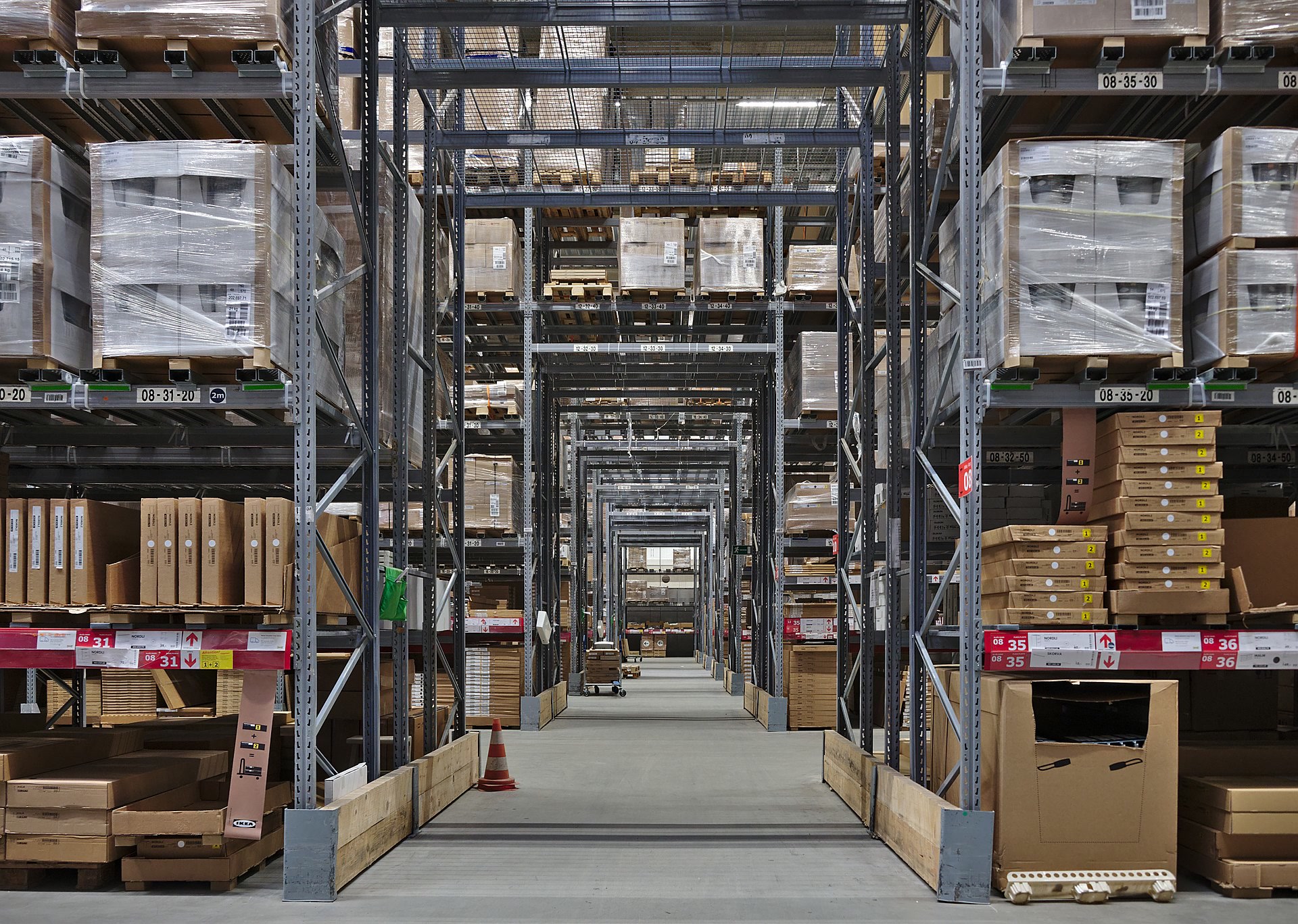
A good warehouse checkpoint is one of the biggest reasons Weidian can still work for overseas buyers. It creates a factual decision point after domestic delivery and before the expensive international leg. For a wider look at what a warehouse can actually verify, see what a China warehouse inspection really checks.
How to Keep Shipping Costs From Killing the Deal
One of the most common Weidian mistakes is assuming the purchase decision ends at the seller page. In reality, the order only proves itself after the landed-cost math still looks good. This is where niche fashion, boxed accessories, shoes, or mixed small-store orders can disappoint. The listed price may be attractive, but the parcel may be bulkier than expected, need more protection, or simply not combine well with the rest of the batch.
Three rules help:
- Do not estimate final shipping too early. Wait until the warehouse sees the real package.
- Use selective repacking, not automatic stripping. Some original packaging is dead space. Some of it protects the item from preventable damage.
- Judge the order by landed value, not only listing price. The cheapest Weidian listing is not the best buy if freight or risk wipes out the difference.
If freight cost is likely to decide the order, our guide on reducing cross-border logistics cost is the right companion read before dispatch. That is where many Weidian orders are saved or lost.
Common Mistakes First-Time Weidian Buyers Make
- Buying from the thumbnail: they trust the main image more than the real confirmation trail.
- Skipping seller questions: they assume an active listing means live stock and stable details.
- Treating every store like standardized retail: they underestimate how much store-by-store behavior affects the order.
- Using export shipping to solve an earlier mistake: once the wrong parcel reaches the warehouse, the cheapest fix is rarely after the outbound label is created.
- Ignoring adjacent platform fit: sometimes the order belongs on Taobao, 1688, or even Xianyu instead, depending on whether the real need is broader selection, wholesale logic, or second-hand sourcing.
That last point matters more than many buyers realize. Weidian is excellent when the seller or community find is the main advantage. It is not automatically the right home for every China-shopping search. For used or condition-sensitive items, Xianyu can require a different risk workflow. The better platform is the one that matches the order type, not the one that looked exciting first.
Who Should Use Weidian, and Who Should Not
Weidian is a strong fit for buyers who already know what kind of store they are targeting, can tolerate a more manual workflow, and are willing to rely on warehouse verification before export. It is especially useful for niche fashion, style-led accessories, small-shop product ecosystems, and community-discovered items that do not show up well on broader marketplaces.
It is a weaker fit for first-time buyers who want clean comparison at scale, simple direct payment, or predictable international checkout behavior. If your main goal is low friction rather than niche access, a different platform may be the better first move.
Final Take
Weidian can be a very good platform for international buyers, but only when the workflow is disciplined. The winning pattern is consistent: save the exact listing, clarify the important details before payment, use a China-side payment and receiving path when needed, inspect the parcel at the warehouse, and choose shipping only after the real package is visible.
That process is not glamorous, but it is how buyers keep a good niche-platform deal from turning into a costly export mistake. On Weidian, the safest orders are usually not the fastest ones. They are the ones where every important uncertainty gets resolved in the right stage of the workflow.