How to Avoid Customs Declaration Mistakes When Shipping From China
 Nicholas Chen
By Nicholas | CNCartGo Editorial Team
Customs declaration mistakes when shipping from China usually start before customs ever sees the parcel. The buyer copies a vague marketplace title, the warehouse enters a short product name, the declared value does not match the order record, or a mixed parcel hides one item that should have been described separately. None of these errors feels dramatic at the packing stage. They become expensive when a carrier, customs officer, or destination broker asks what is actually inside the box.
This guide is written for overseas buyers using a China warehouse after ordering from Taobao, 1688, JD.com, Weidian, Xianyu, Pinduoduo, or similar platforms. It focuses on the practical declaration checks you can still fix before dispatch: product description, material, quantity, value, packed weight, sensitive attributes, and invoice evidence.
Why Declaration Accuracy Matters Before Dispatch
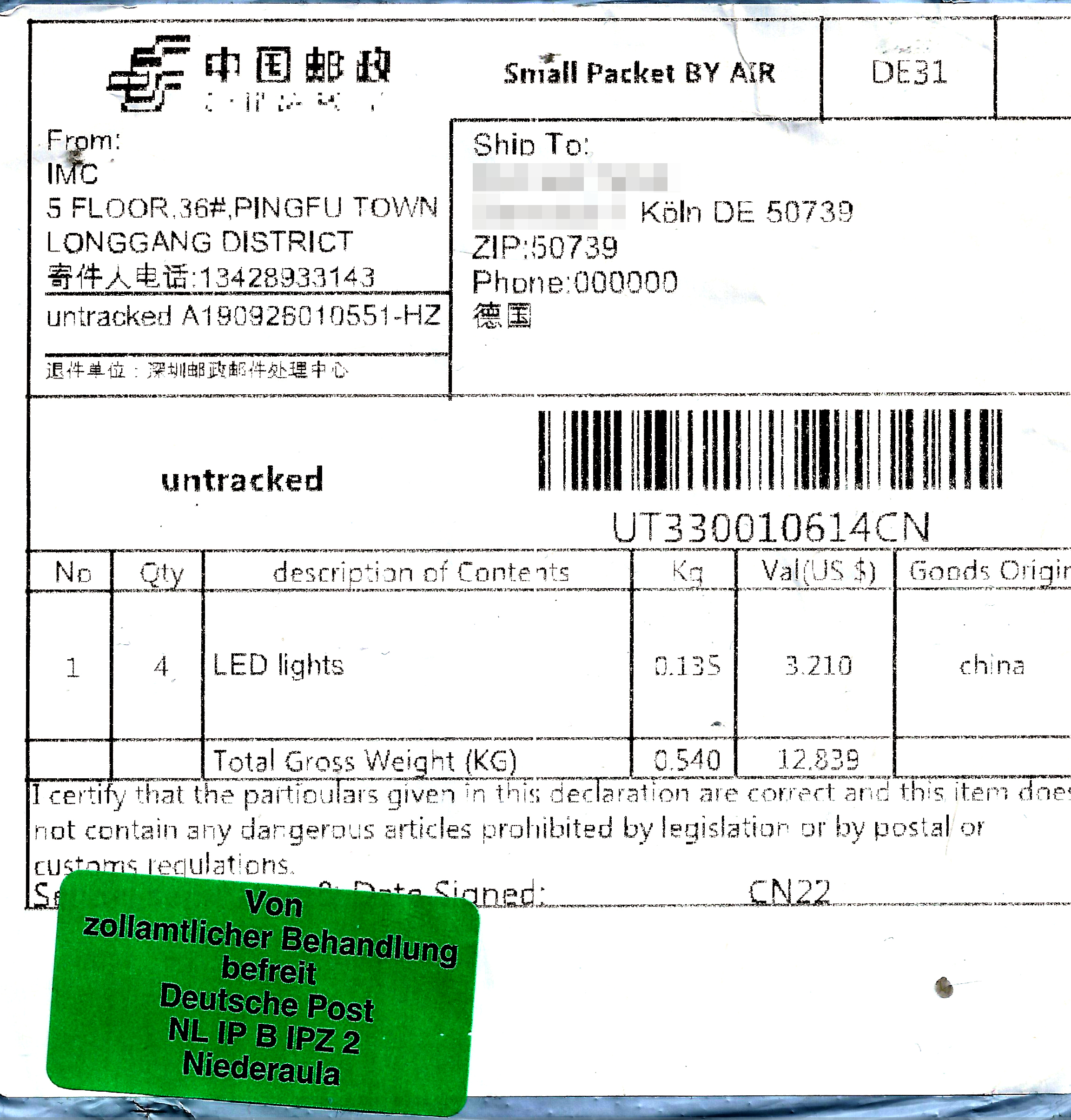
A customs declaration is not a marketing summary. It is the official shipping record that tells the destination country what goods are being imported or exported. The European Commission describes a customs declaration as an official document giving details of goods moving into or out of EU customs territory, while USPS tells shippers to provide a separate value and a detailed, specific description for every item in an international parcel. CBP also warns that descriptions need enough detail to identify the commodity, not vague terms like "parts" or "accessories."
For a small personal order, that means the goal is not to write legal jargon. The goal is to make the parcel believable and clear: what the item is, what it is made of, what it is used for, how many pieces are inside, what each item is worth, and whether anything needs special handling.
Mistake 1: Copying the Seller Title Into the Declaration
Chinese marketplace titles are written to sell products, not to clear customs. A Taobao or 1688 listing may include promotional words, model nicknames, size codes, color options, livestream terms, or search phrases that do not explain the real item. A title like "new trend outdoor magic tool" may be enough for a shopper to recognize the product, but it is not enough for a customs form.
At CNCartGo, the cleaner workflow is to rewrite the item in plain English after checking the warehouse photos. "Aluminum phone stand," "cotton baby romper," "plastic drawer organizer," or "wired mechanical keyboard" is stronger than copying a translated listing title. If the item has a battery, liquid, magnet, blade, food ingredient, cosmetic content, or branded logo, say so clearly before route selection.
Mistake 2: Declaring One General Category for a Mixed Parcel
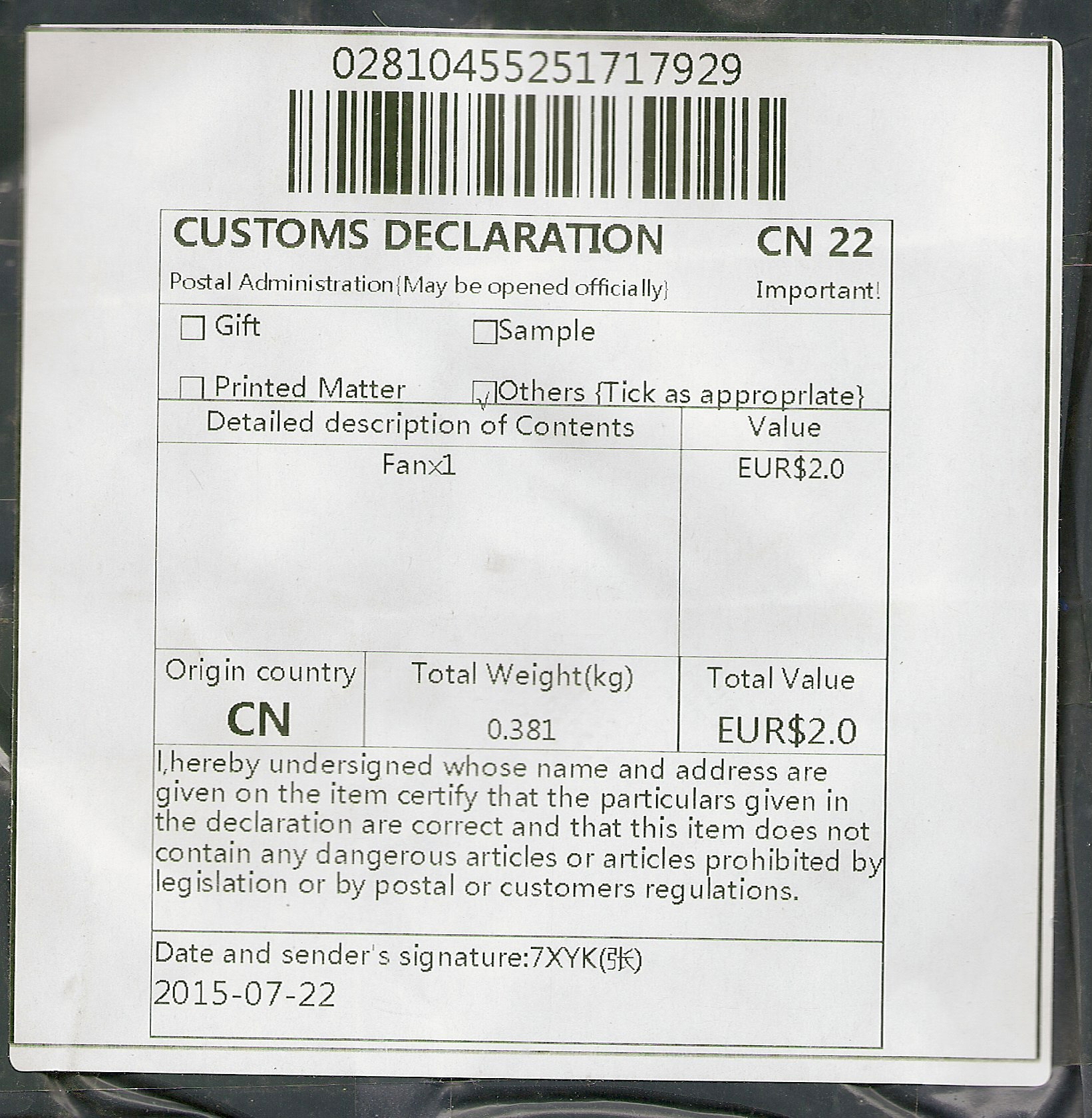
Mixed parcels are where declaration mistakes multiply. A consolidated box may contain clothing, phone accessories, stationery, kitchen tools, and a replacement part. Calling the whole parcel "daily goods" hides useful information. It also makes the package look inconsistent if the weight, photos, or invoice show different types of goods.
Group similar items only when they are genuinely similar. Three cotton T-shirts can sit under one line. A hoodie, USB cable, stainless-steel tool, and cosmetic bottle should not. If you are using consolidation to reduce cost, first read our guide to shipping cost estimation and line selection, then decide whether a mixed parcel still makes sense after declaration and route checks.
Mistake 3: Guessing the Value Instead of Matching the Order Record
Under-declaring value is not a harmless shortcut. It can affect customs review, insurance, loss claims, duties, taxes, and return-to-sender handling. Over-declaring can also create trouble because the buyer may pay more tax than needed or create an invoice mismatch. The safer starting point is the actual product price paid, separated by item where possible.
Use a simple evidence chain: marketplace order screenshot, seller invoice or receipt if available, warehouse item list, and final parcel declaration. If a seller discount, coupon, domestic shipping fee, or service charge changes the number, keep the record clear instead of inventing a rounded value. For a deeper value-focused explanation, use our guide on what value to declare when shipping from China.
Mistake 4: Forgetting Quantity, Material, and Use
Good descriptions answer three practical questions: how many, made of what, and used for what. "Accessory" is weak. "Two plastic phone cases" is stronger. "Parts" is weak. "Ten stainless-steel bicycle brake bolts" is stronger. "Toy" is still incomplete if it contains a rechargeable battery or magnetic parts.
This is where warehouse photos help. Ask for a clear photo of the item, product label, outer package, included accessories, and quantity before the final pack. Our China warehouse inspection checklist explains how to request useful photo evidence instead of a vague "please check quality" message.
Mistake 5: Ignoring Weight-to-Content Conflicts
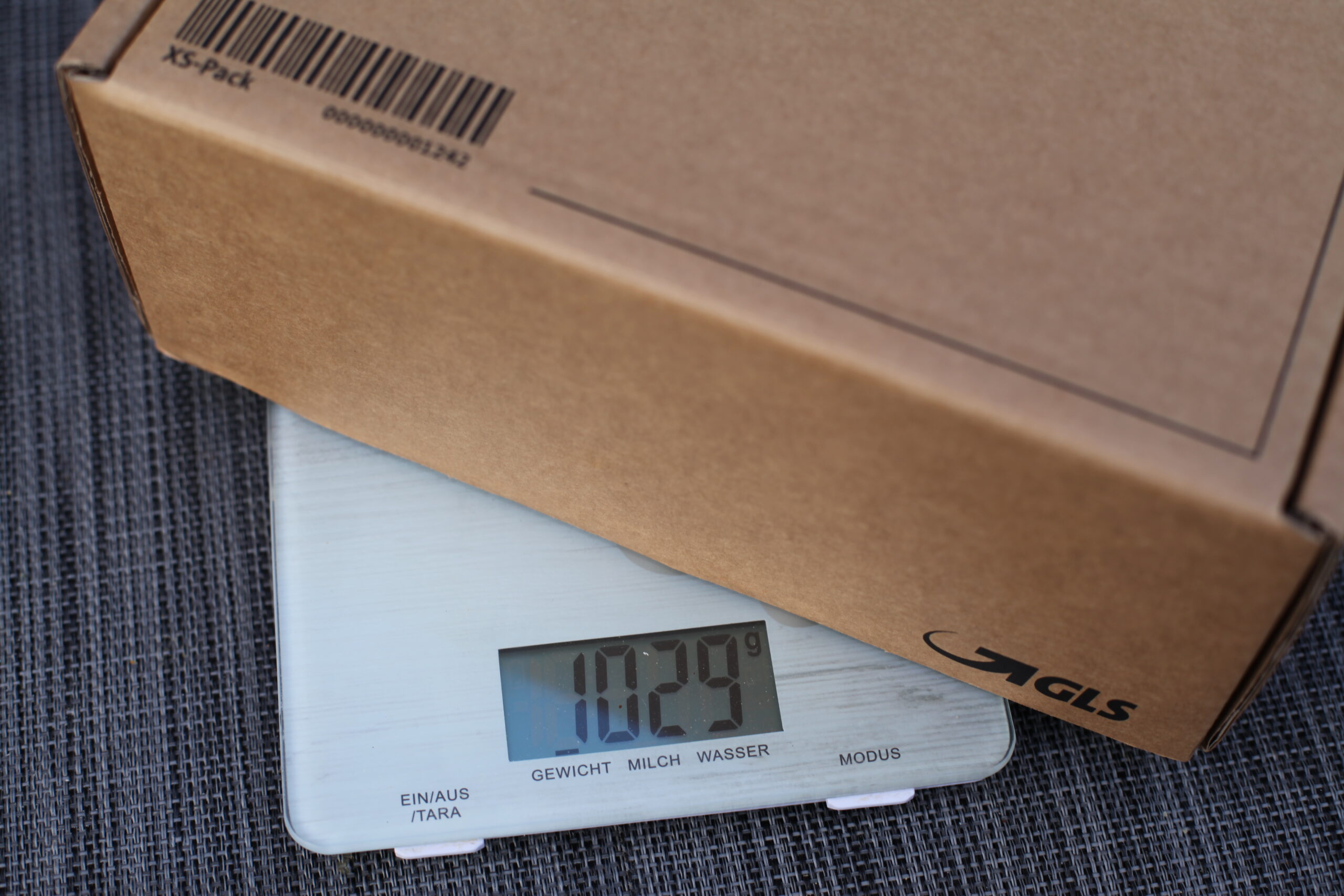
Customs declarations do not need to explain every gram, but obvious conflicts create questions. A parcel declared as "one cotton T-shirt" should not weigh several kilograms. A box declared as "stickers" should not be heavy enough to suggest electronics, metal parts, or tools. The issue is not that customs weighs every parcel manually; the issue is that poor records make the shipment harder to defend when something looks wrong.
Before approving dispatch, compare the declared item list with the warehouse packed weight and parcel photos. If the parcel is much heavier or larger than expected, ask whether extra cartons, seller gifts, protective packaging, or missing item lines explain the difference.
Mistake 6: Leaving Sensitive Attributes Out of the Description
Batteries, liquids, powders, magnets, aerosols, cosmetics, food, sharp tools, medical items, and branded goods should not be hidden behind a generic name. A route may accept one version of an item and reject another. A wireless mouse with a battery, a wired mouse, and spare lithium cells are not the same shipping problem.
If a product falls into a route-sensitive group, confirm it before consolidation. The practical checks in our sensitive-item shipping guide are useful whenever a small product could block a much larger clean parcel.
Mistake 7: Keeping Old Labels and Confusing Outer Packaging
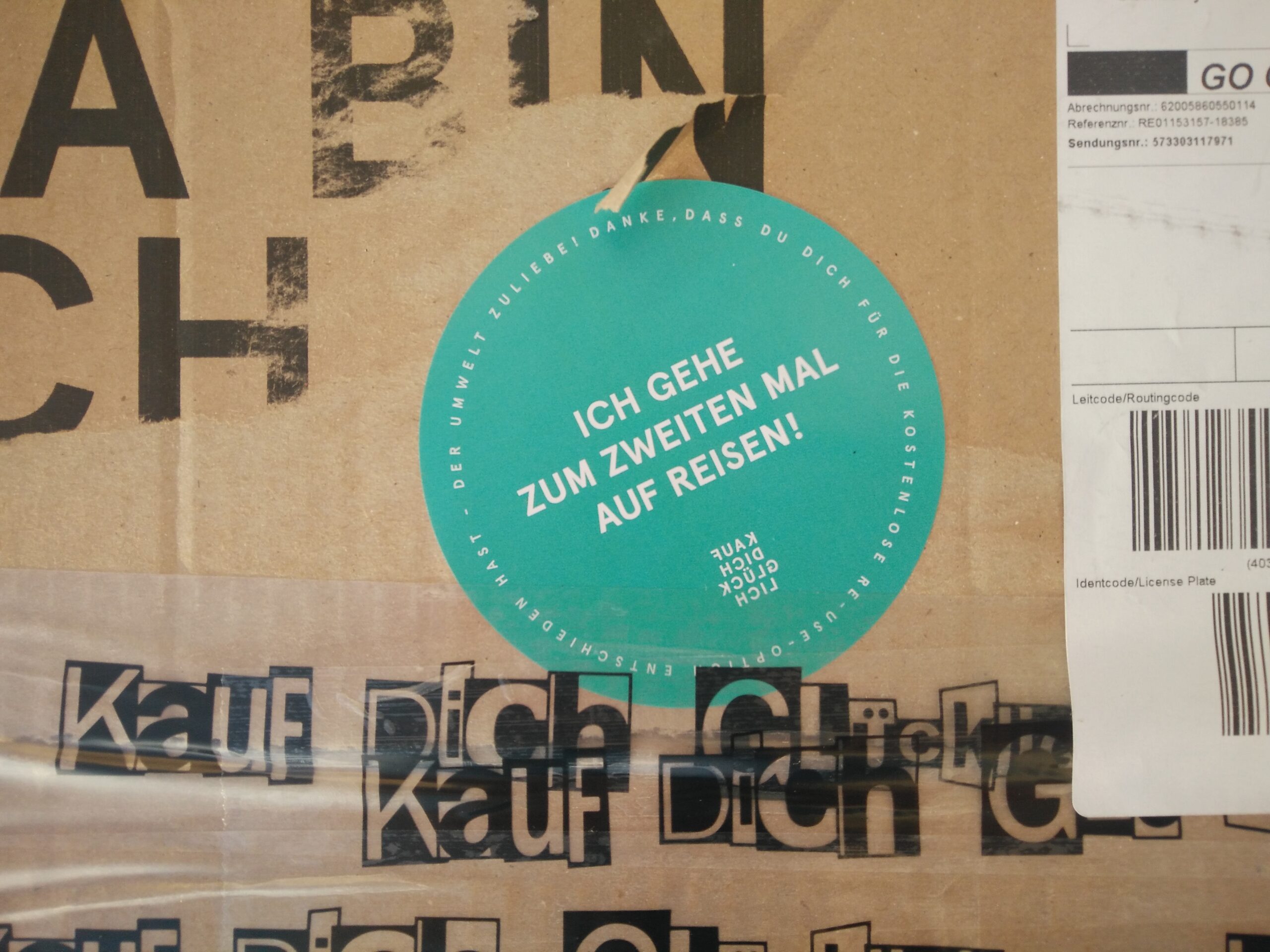
Reused seller cartons are normal in warehouse work, but old labels can confuse the final parcel record. If the outside of the package still shows unrelated barcodes, old addresses, old domestic waybills, or misleading product stickers, ask the warehouse to remove or cover them before dispatch. The international label and customs declaration should be the clean, current record.
This is especially important for consolidated parcels because several domestic packages are being merged into one export shipment. One wrong visible label can make a normal parcel look like a mismatch.
Mistake 8: Treating Declaration Fixes as a Post-Shipment Problem
The best time to fix a declaration is before the parcel leaves the China warehouse. After dispatch, small edits become carrier requests, customs messages, broker questions, return handling, or failed delivery issues. Some problems cannot be corrected cleanly once the parcel is already inside an export route.
Before payment for international shipping, check the final item list, value, packed weight, destination country, route restrictions, and photos. If the parcel has already triggered a customs hold in past orders, review our practical guide on avoiding customs delays when shipping from China before repeating the same declaration pattern.
A Practical Pre-Dispatch Declaration Checklist
- Rewrite product names in plain English. Avoid vague words like goods, accessories, parts, gift, sample, or daily necessities when a clearer product name exists.
- Separate different item types. Do not hide electronics, cosmetics, tools, or branded items inside one broad mixed-parcel line.
- Match values to order evidence. Keep screenshots or invoices that explain the declared value if a question appears later.
- Add quantity, material, and use. Write "two cotton baby rompers" instead of "baby items."
- Check packed weight against the item list. Ask about big weight differences before paying for international shipping.
- Confirm sensitive attributes. Batteries, liquids, powders, magnets, and sharp items should be visible in the route check, not hidden.
- Clean up old labels. The outside of the parcel should support the final declaration, not contradict it.
Final Recommendation
Customs declaration mistakes when shipping from China are preventable when the warehouse workflow is disciplined. Do not copy seller titles, do not guess values, do not group unrelated goods into one vague line, and do not approve dispatch until the item list, photos, weight, value, and route all tell the same story.
The limitation is simple: no declaration checklist can guarantee customs clearance in every country. Destination rules, product restrictions, and inspection decisions still apply. But a clear, honest, photo-backed declaration gives the parcel its best chance of moving through the route without avoidable questions, delays, or return handling.