Before You Ship Sensitive Items From a China Warehouse: 9 Mistakes to Avoid
 Nicholas Chen
By Nicholas | CNCartGo Editorial Team
Sensitive items can be shipped from a China warehouse, but they should never be treated like ordinary clothing or household goods. The mistake is not only buying a restricted product. The bigger mistake is sending it to the warehouse, mixing it with safe items, approving a repack, and only then discovering that the chosen route cannot carry it.
This guide is written for overseas buyers using Taobao, 1688, JD.com, Weidian, Xianyu, and similar Chinese platforms. It focuses on the practical checks that happen between warehouse arrival and international dispatch: item identification, photo inspection, route fit, declaration wording, consolidation decisions, and when to stop before a parcel becomes expensive to fix.
What Counts as a Sensitive Item?
For warehouse and parcel-forwarding work, "sensitive" does not always mean illegal. It means the item can trigger extra carrier rules, destination-country restrictions, export handling limits, customs questions, or a higher return-to-sender risk. A product can be common in daily life and still be hard to ship internationally.
The most common sensitive groups are lithium batteries and battery-powered devices, liquids, pastes, powders, perfumes, nail products, aerosols, magnets, sharp tools, food, cosmetics, medical or wellness products, branded goods with unclear authorization, fragile electronics, and oversized or heavy products. Route availability changes by destination and carrier, so the safest habit is to check before the seller ships domestically, not after the warehouse has already received the parcel.
Mistake 1: Treating Every Battery Item the Same
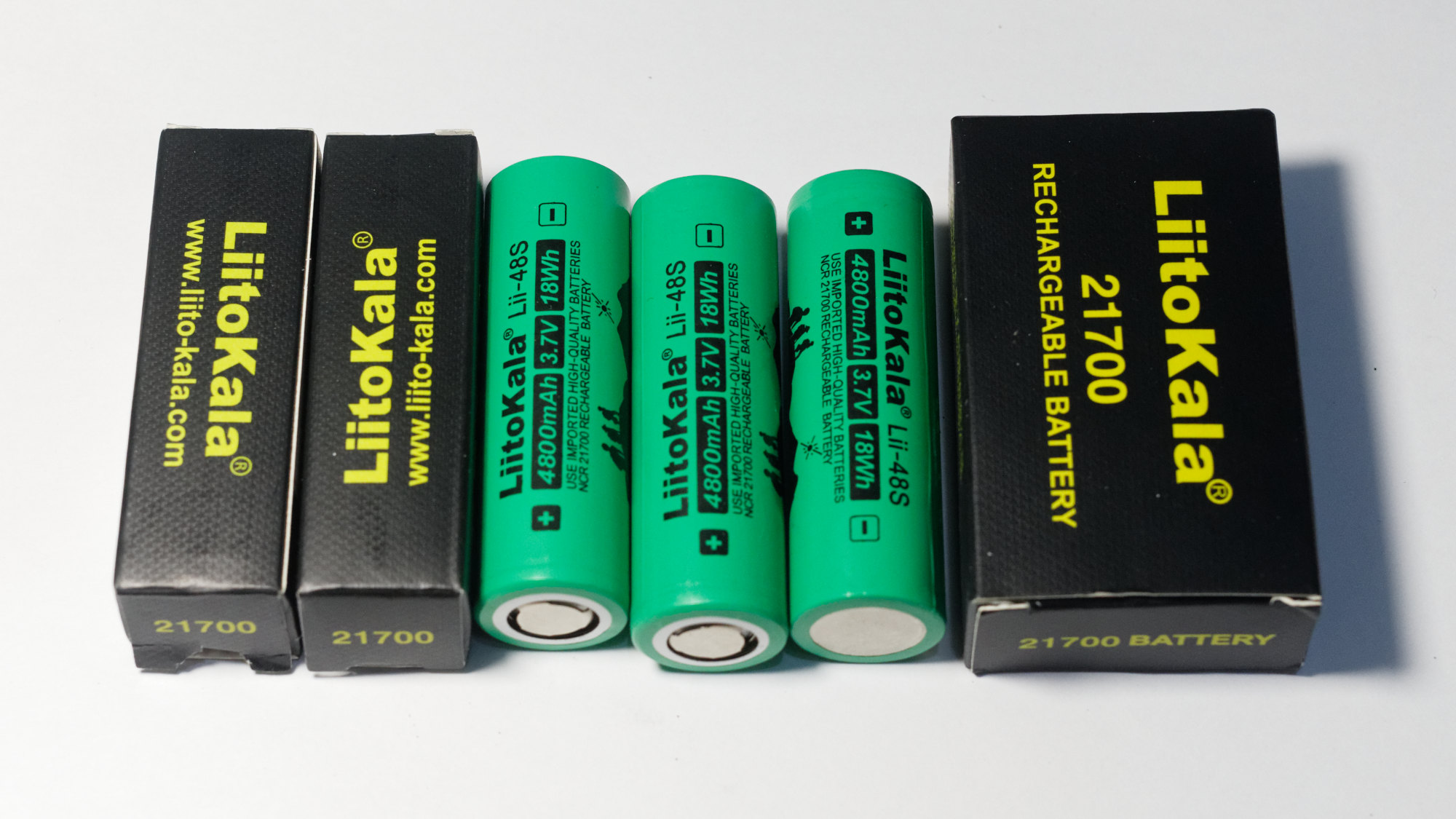
A power bank, loose rechargeable cells, a phone with an installed battery, a toy with a button cell, and a used laptop do not create the same shipping problem. The warehouse needs to know what the product is, whether the battery is installed, whether spare batteries are included, whether the item is new or used, and whether the label shows capacity information.
When our team reviews battery-related orders, the first useful photo is rarely the beauty shot from the seller listing. It is the close-up of the product label, battery marking, outer retail box, and accessories inside the parcel. If the warehouse cannot identify the battery type or if the seller sends loose cells that were not mentioned in the listing, do not approve international shipping until the route is confirmed.
Mistake 2: Hiding Liquids, Powders, and Aerosols Inside a Mixed Parcel
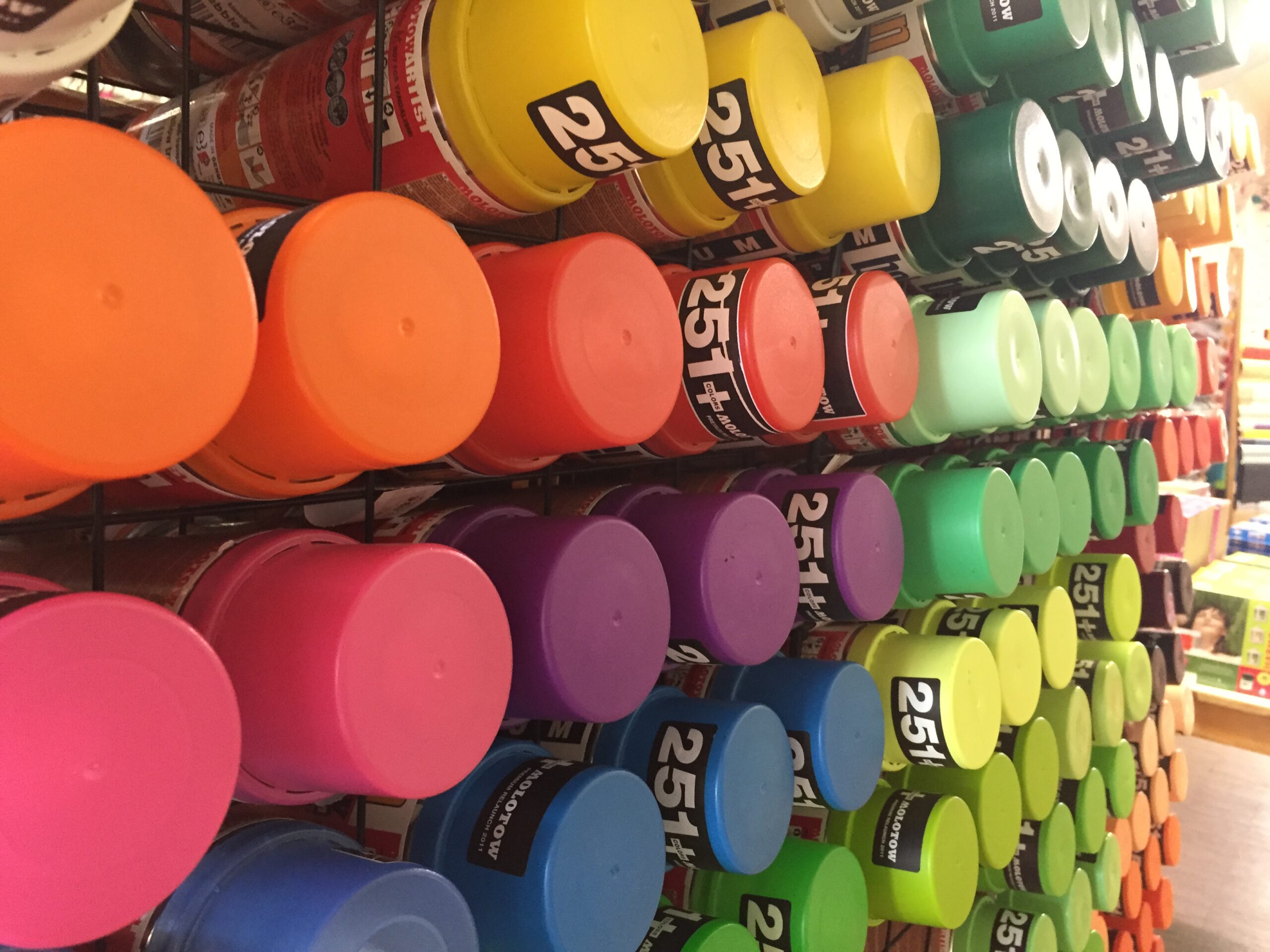
Small cosmetic and hobby items are a common source of avoidable trouble. Perfume samples, nail polish, glue, paint pens, cleaning spray, toner powder, skin-care bottles, and aerosol cans can look harmless when they cost only a few dollars. They still need route checking because they may be flammable, pressurized, leak-prone, or difficult to declare accurately.
The practical rule is simple: never bury these items inside a large consolidated parcel without asking first. If they are allowed, they may need separate packing, stronger leak protection, or a specific route. If they are not allowed, removing them before consolidation is cheaper than unpacking a finished parcel or dealing with a failed export scan.
Mistake 3: Approving Consolidation Before the Risk Items Are Separated
Consolidation is useful when it reduces duplicate packaging and combines safe items efficiently. It becomes risky when one sensitive item blocks the whole box. A single aerosol, loose battery, suspicious branded item, or restricted food product can delay an otherwise clean parcel containing clothes, accessories, stationery, and home goods.
Before approving a repack, separate the order into three groups: clearly safe items, route-check items, and do-not-ship-until-confirmed items. Then decide whether to remove, return, discard, hold, or ship sensitive items separately. If you need a broader framework, our guide to parcel consolidation from China explains when combining orders saves money and when it creates extra risk.
Mistake 4: Using Seller Listing Words as the Final Declaration
Chinese marketplace listings often use casual or promotional wording. That wording is not always suitable for a customs declaration. "Beauty tool," "outdoor accessory," "digital product," or "repair part" may be too vague. At the same time, forcing a misleading description is worse because it can create customs, insurance, and return problems.
A better declaration starts with the real product category, material, use, quantity, and whether it contains battery, liquid, powder, magnet, blade, food, medicine, or branded content. Good warehouse photos help here. If the product cannot be described honestly in plain English, it is not ready for export approval.
Mistake 5: Ignoring Damage Signals in Warehouse Photos
Damage matters more when sensitive items are involved. A dented cardboard box around clothing is usually a packaging issue. A swollen battery pack, leaking bottle, crushed aerosol can, broken glass cosmetic jar, or cracked electronic housing is a stop signal. The correct next step is not "add more bubble wrap." It is to pause and ask whether the item should be returned, discarded, or isolated.
Use inspection photos actively. Ask for the outer parcel, all sides of the item, labels, seals, caps, plugs, charging ports, battery markings, and any damaged area. Our China warehouse inspection checklist shows how to turn a vague quality-check request into specific photo tasks.
Mistake 6: Choosing the Cheapest Route Before Checking Eligibility
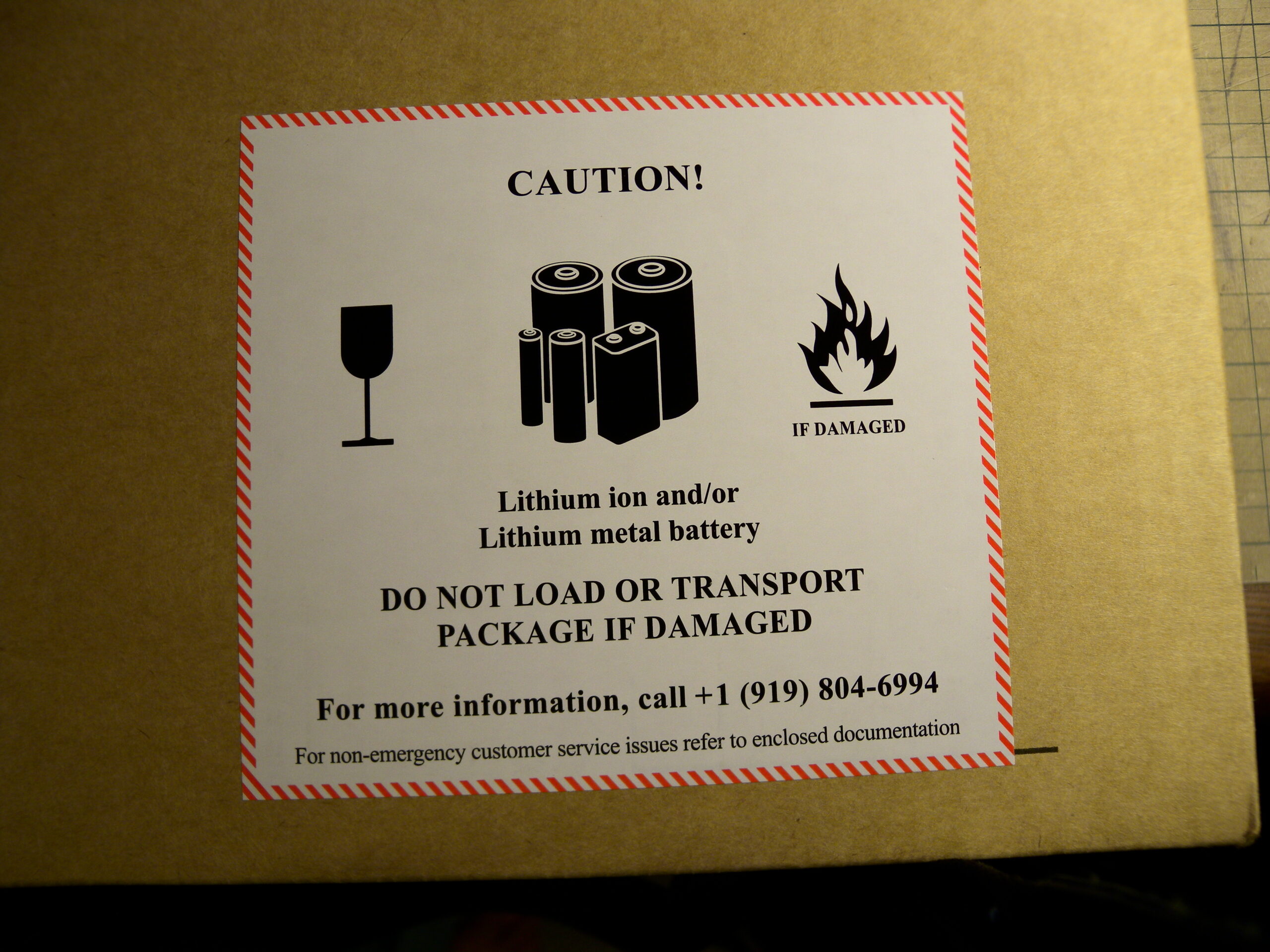
The cheapest route is not the best route if it excludes your product. Sensitive items often narrow the available options, require slower transport, need extra handling, or cannot be accepted at all. This is why the route check should happen before you judge whether the purchase was a bargain.
Estimate shipping by packed weight, dimensional weight, destination, and item type. A cheap electronic accessory with a battery may need a different route from a cotton hoodie. A small magnet, liquid, or powder may be inexpensive to buy but expensive to route. For the cost side, use the process in our shipping cost estimation guide before approving the final parcel.
Mistake 7: Forgetting Destination-Country Rules
A warehouse route being available does not guarantee smooth delivery in the destination country. Food, supplements, medical items, cosmetics, wireless electronics, branded goods, and animal or plant materials can trigger local rules after export. Buyers in the United States, the European Union, the United Kingdom, Canada, Australia, and Switzerland should be especially careful with product categories that require accurate value, material, and use descriptions.
This is where vague optimism becomes expensive. If the item is for resale, check import rules before ordering. If the item is for personal use, still check whether the destination accepts it through parcel channels. Our guide on avoiding customs delays when shipping from China covers the declaration habits that reduce avoidable holds.
Mistake 8: Not Having a Plan for Items That Cannot Ship
Before buying a sensitive product, decide what you will do if the warehouse says no. Can the seller accept a domestic return? Is the item cheap enough to discard? Can it be shipped by a different route? Can the battery, liquid, or accessory be removed? Will removing it make the product useless?
This decision should be made before the return window closes. Many buyers wait until the final packing stage, then discover the seller return period has expired. That turns a small mistake into storage fees, split-parcel work, or a dead item sitting in the warehouse.
Mistake 9: Treating Return-to-Sender as a Minor Delay
A failed sensitive-item shipment can cost more than time. The parcel may need to be unpacked, re-inspected, re-declared, re-packed, or returned to the warehouse. Some items cannot be forwarded again after damage or failed acceptance. If customs or carrier records show a poor declaration, the next attempt may need cleaner documentation and a different route.
When a parcel is returned or rejected, do not immediately reship it unchanged. Identify the failed item, compare it with the declaration, review the route rules, and split the parcel if needed. The practical steps in our return-to-sender prevention guide are especially relevant for mixed parcels and route-sensitive goods.
A Simple Pre-Dispatch Workflow
- List every sensitive candidate. Include batteries, liquids, powders, magnets, sharp items, food, cosmetics, branded goods, and fragile electronics.
- Request targeted warehouse photos. Ask for labels, capacity markings, caps, seals, ingredients, product quantity, and damage close-ups.
- Check route eligibility before consolidation. Do this while the parcel can still be split, returned, or held.
- Write a clear declaration. Use honest product names, quantities, materials, value, and sensitive attributes.
- Keep safe items separate when needed. Do not let one risky product block a clean parcel.
Final Recommendation
The safest way to ship sensitive items from a China warehouse is to slow down before the final pack. Identify the item honestly, ask for useful photos, confirm route eligibility, separate risky products from safe goods, and keep the declaration clear. If the warehouse cannot identify the product or the route cannot accept it, do not force it into a parcel.
Good forwarding is not only about finding a lower shipping price. It is about preventing the preventable mistakes that make a small order expensive: blocked routes, failed export scans, customs holds, damaged goods, and return-to-sender loops.