Shipping Cost From China: Estimation, Parcel Consolidation, and Line Selection Guide
 Nicholas Chen
By Nicholas | CNCartGo Editorial Team
For international buyers, shipping cost from China is rarely just a freight quote problem. The final cost depends on weight, volume, parcel count, destination, packaging choices, consolidation timing, and the shipping line you choose after the goods reach the warehouse. That is why many buyers feel confused even when they already know the product price. The hard part is not only asking what shipping costs. The hard part is asking what the shipment will still cost after the order becomes a real parcel.
This guide is the practical starting point for buyers who want to estimate shipping cost from China more accurately, understand when parcel consolidation helps, and avoid the common decisions that make cross-border shipping unnecessarily expensive.

Short Answer
Shipping cost from China is usually shaped by five things: actual or volumetric weight, destination country and shipping line, parcel count and consolidation timing, packaging size and repacking decisions, and whether the order is simple or operationally messy before dispatch. The cheapest-looking quote is not always the lowest landed-cost option.
What Actually Drives Shipping Cost From China
Weight and volumetric weight
Most shipping lines charge based on whichever is higher: actual weight or volumetric weight. Volumetric weight is calculated from the parcel dimensions (typically length × width × height ÷ 5000 for air shipments). A lightweight but bulky item - like a set of plastic storage containers - might weigh 2kg but have a volumetric weight of 5kg. You pay for 5kg.
This is why repacking matters so much. Chinese domestic sellers often ship items in oversized boxes with excessive padding. When your warehouse removes that unnecessary packaging and repacks into a tighter box, the volumetric weight drops - sometimes dramatically. I have seen cases where repacking reduced chargeable weight by 40% simply by eliminating air space.
Destination country
Tax thresholds, line availability, customs risk, and last-mile handling all influence the practical shipping route. Shipping to Germany (with its €150 duty-free threshold for commercial goods) is a different calculation than shipping to the US (where the de minimis threshold was $800 until recent changes). Some countries have excellent DDP options that include customs clearance in the price. Others require the buyer to handle import duties separately.
Parcel count
Three small parcels do not behave the same way as one combined shipment. Each separate shipment carries its own base fee, documentation cost, and minimum weight charge. But blindly combining everything into one parcel is not always cheaper - especially if it pushes you into an oversized category or delays shipment while waiting for a straggler.
Packaging and repacking choices
Removing unnecessary outer packaging, combining goods more efficiently, or holding off on a weak repack decision can materially change the final shipping cost. A good warehouse will offer repack services and provide before/after dimensions so you can make an informed decision. The repack fee (usually ¥10–30) almost always pays for itself in reduced volumetric weight.
Shipping line choice
Express courier, air freight, tax-included routes, and country-specific lines all change the final economics. The best route depends on the real parcel profile, not only a marketing promise. A parcel that is ideal for air freight (2–5kg, standard dimensions, non-sensitive goods) might be overpriced on express courier. Conversely, a time-sensitive 0.5kg parcel might be cheaper via express than air freight due to minimum weight charges.
Why Parcel Consolidation Changes the Cost So Much
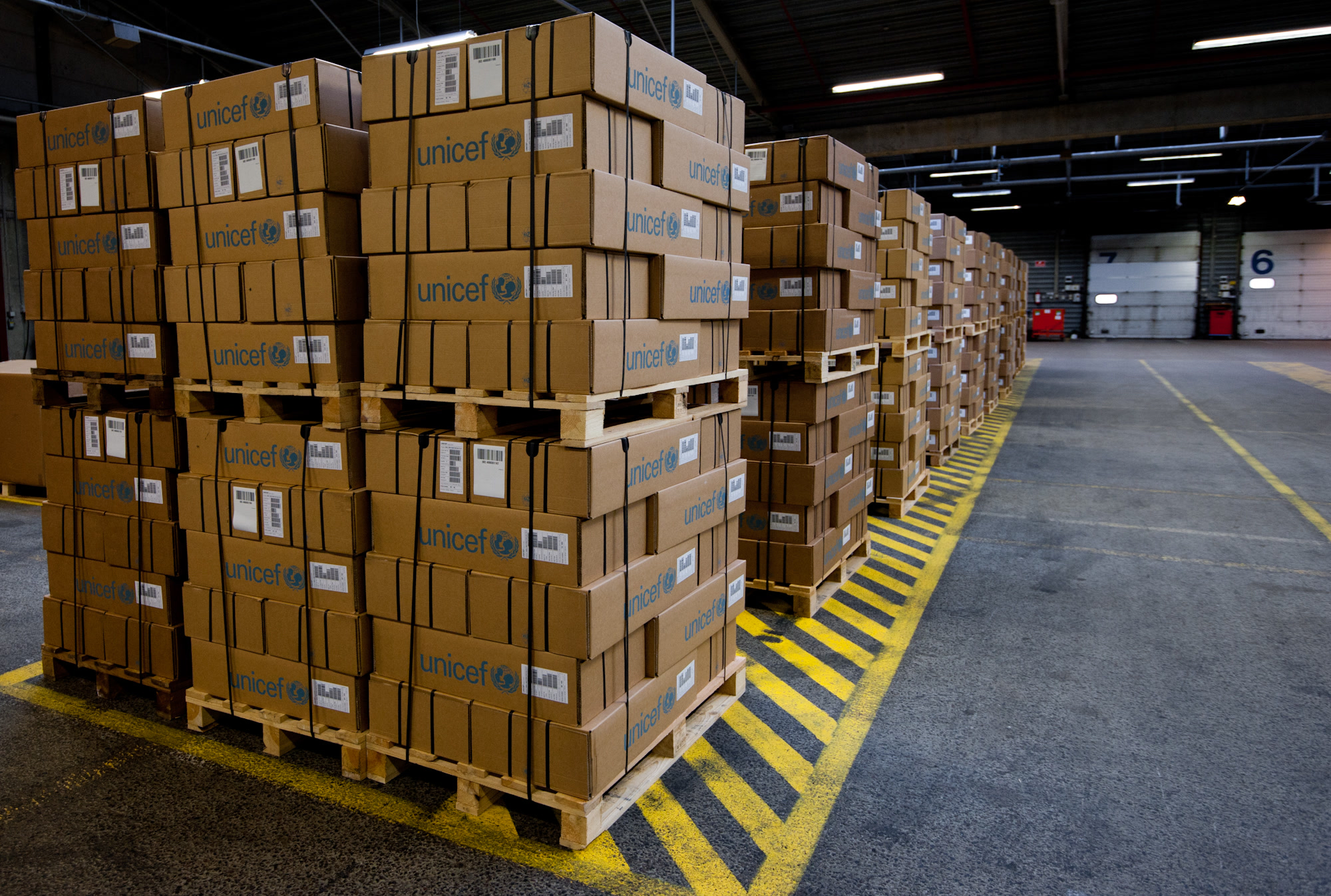
Consolidation often helps when several parcels are arriving within a manageable time window, the items are compatible in one export plan, and unnecessary packaging can be reduced. But it can become a problem when one delayed parcel holds up everything else, the combined parcel becomes oversized, fragile items are packed into a worse final shape, or the buyer consolidates before the warehouse has enough information to make a clean decision.
The financial impact is significant. Here is a typical example for shipping from China to Europe:
- Scenario A: 3 separate shipments at 1.2kg each = 3 × ¥146 = ¥438
- Scenario B: 1 consolidated shipment at 3kg (after repack) = ¥290
- Net saving: ¥148 (34% reduction)
But change one variable - say the third parcel is a fragile ceramic item that needs extra padding - and the consolidated parcel might weigh 4.2kg with larger dimensions, costing ¥380. Suddenly the saving drops to ¥58, and you accepted 5 extra days of delay for it. Not worth it.
This is why shipping estimation and consolidation decisions should happen together, not sequentially. Relevant reads include How Package Consolidation Saves Money, When to Consolidate Parcels, and What a China Warehouse Inspection Actually Checks.
Common Shipping Line Scenarios
Choosing the right shipping line is not about finding the "best" option universally. It is about matching your specific parcel profile to the right service:
- Express courier (DHL, FedEx, UPS): Best for parcels under 2kg where speed matters. Delivery in 3–7 days. Expensive per-kg but low base fees for small items. Good tracking. Not cost-effective above 3–4kg.
- Air freight lines: The sweet spot for 2–10kg parcels. Delivery in 7–15 days. Lower per-kg rates than express. Good balance of speed and cost for most international buyers.
- Tax-included (DDP) routes: Predictable total cost with customs and duties included. Slightly higher headline rate but no surprise fees on delivery. Best for buyers in countries with complex import procedures. Learn more about DDP vs standard postal for small buyers.
- Sea freight / slow lines: Only makes sense above 10–20kg or for non-urgent bulk purchases. Delivery in 30–60 days. Lowest per-kg cost but high minimum charges and long transit times.
Mistakes That Make Shipping Cost Spike
These are the most common errors I see from international buyers:
- Comparing rates before the parcel is real. A quote based on "about 2kg" is meaningless if the actual parcel weighs 3.5kg volumetrically. Wait for warehouse measurements before comparing lines.
- Consolidating automatically. Not every group of parcels should be combined. Evaluate each consolidation decision on its own merits - timing, compatibility, and post-consolidation dimensions.
- Ignoring packaging efficiency. Paying ¥20 for a repack that saves ¥80 in volumetric charges is obvious math, but many buyers skip it because they do not realize how much air space they are paying to ship.
- Treating shipping as separate from warehouse decisions. Your shipping cost is determined by what happens at the warehouse stage - inspection, repack, consolidation, and timing. These are not separate decisions.
- Looking only at the first visible fee. The shipping rate is not the total cost. Add customs duties, local delivery fees, insurance, and repack charges to get the real landed cost. A "cheap" line with a ¥50 customs processing fee and ¥30 local delivery surcharge might cost more than a slightly pricier DDP option that includes everything.

How to Estimate Shipping More Realistically
A better estimation workflow looks like this:
- Before purchasing: Get a rough estimate based on product weight from the listing. Add 20–30% for packaging. This gives you a ballpark, not a commitment.
- After warehouse receipt: Ask for actual weight and dimensions of each parcel. This is your first real data point.
- Consolidation decision: Based on what arrived, decide whether to combine. Ask the warehouse for estimated post-consolidation dimensions.
- Line comparison: With real dimensions in hand, compare 2–3 shipping lines for your specific parcel to your specific destination. Factor in delivery time, tracking quality, and customs handling.
- Final check: Before approving shipment, confirm the total landed cost including any duties, taxes, or last-mile fees. For help with this step, see the best shipping method guide.
This process takes 1–2 days of waiting for warehouse data but typically saves 15–30% compared to choosing a shipping line based on pre-purchase estimates alone.
Final Recommendation
The best way to estimate shipping cost from China is to stop treating freight as an isolated price quote. Real shipping cost depends on the parcel you actually build through purchasing, warehouse receiving, repacking, consolidation, and route selection. Buyers usually save more money by improving that chain than by chasing the lowest advertised rate too early.
Start with rough estimates to budget, but make your real shipping decision only after the warehouse has your goods, you have seen the actual dimensions, and you have compared lines based on your specific parcel profile. The extra day of patience at the warehouse stage almost always pays for itself in lower total cost and fewer surprises at delivery.