China Warehouse Inspection Before Shipping: What International Buyers Should Check
 Nicholas Chen
By Nicholas | CNCartGo Editorial Team
For international buyers, warehouse inspection is the stage where many avoidable order mistakes either get caught or get exported. Buyers often assume the risky part ends after payment. In practice, the warehouse stage is where parcel count, SKU accuracy, missing accessories, packaging condition, and export readiness become visible in a way the original listing never showed clearly.
This page is the practical starting point for understanding what a China warehouse inspection should actually check before shipping, why that matters, and how those checks connect to parcel consolidation and final shipping decisions.
Short Answer
A useful warehouse inspection before shipping should check at least five things: parcel count and arrival completeness, SKU/size/color/model accuracy, missing parts or bundled items, packaging condition and repack needs, and whether the order is really ready for export.
Why Warehouse Inspection Matters So Much
Many order problems do not become obvious until the goods physically reach the warehouse. That includes split shipments the buyer did not expect, wrong variants that looked plausible on the listing, missing small accessories, weak packaging, and parcel counts that do not match the buyer's assumption.
The core issue is information asymmetry. When you buy from Taobao, 1688, or Xianyu, the seller's listing photos and description only tell part of the story. A seller might ship the right product in the wrong size, include a Chinese-plug charger instead of an EU one, or use packaging so thin it will not survive international transit. These are not scams - they are normal friction points in cross-border purchasing that only become visible at the warehouse stage.
Warehouse inspection also protects you from compounding mistakes. If you consolidate multiple orders into one shipment, one wrong item can delay the entire batch. Catching it early means you can request a return or replacement while the rest of your order waits safely in storage.
For buyers using a buying agent or forwarding service, inspection is often the only point of physical contact between a human and your goods before they leave China. Once the parcel is on a plane or ship, there is no going back.
What Should Be Checked on Arrival
Every warehouse inspection should follow a consistent checklist. Skipping steps because an order "looks fine" is how buyers end up with incomplete shipments 8,000 km from the seller.
- Parcel count. Does the warehouse have every parcel the buyer is waiting for, or only part of the order? Sellers on 1688 frequently split large orders into multiple shipments without warning. If you ordered 50 units and only 3 boxes arrived, do not approve shipping until the fourth shows up.
- SKU / variant accuracy. Do the received items match the ordered size, color, model, and version? This is especially critical for clothing, electronics, and anything with regional variants. Check warehouse photos carefully against your original order screenshots.
- Accessories and completeness. Are bundled items, chargers, lids, straps, screws, boxes, or replacement parts actually present? Small accessories are the most commonly missing category because sellers pack them separately or forget them entirely.
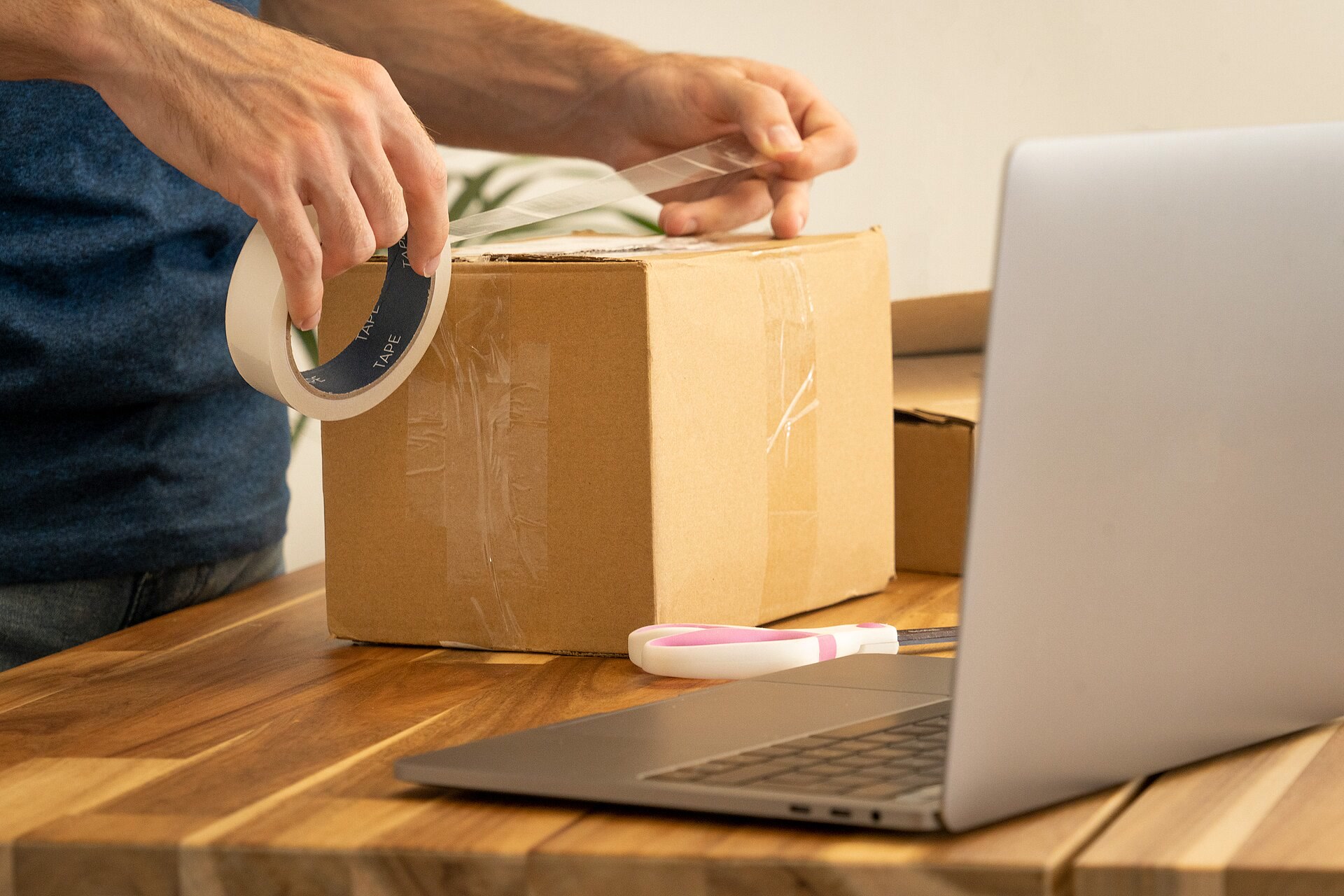
- Packaging condition. Is the parcel fit for export, or does it need repacking because the current state creates avoidable risk? Domestic Chinese shipping uses thin boxes and minimal padding. International shipping takes 7–30 days and involves multiple handling stages. What survived a 2-day domestic trip may not survive international transit.
- Export readiness. Is the order really ready to ship, or should it be held because consolidation, missing items, or inspection doubts still exist? This is the final gate before your money is committed to international freight.
The Most Common Inspection Failures
After handling thousands of international orders, certain failure patterns emerge repeatedly:
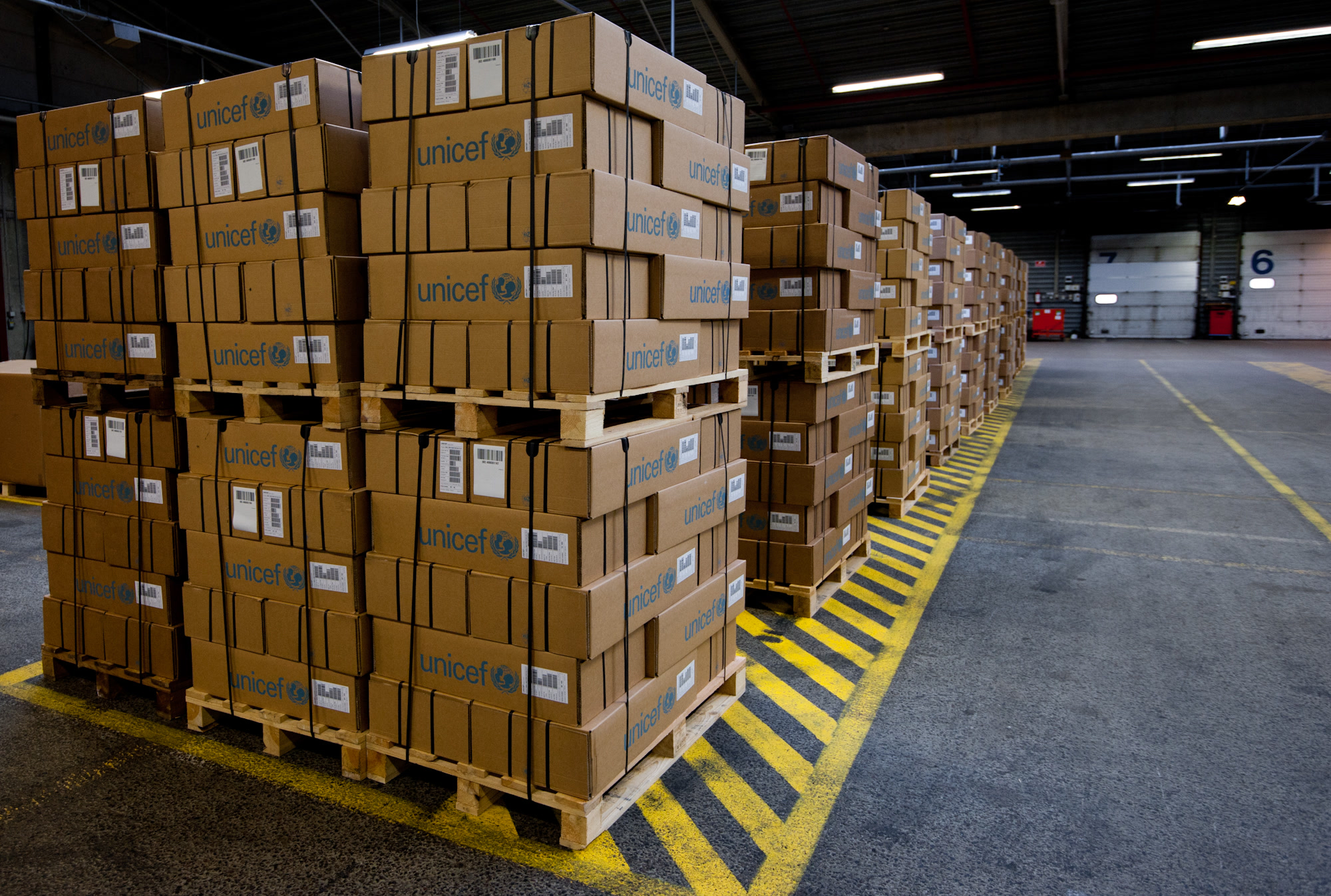
- Parcel count errors - The buyer assumes all items ship together, but the seller sends 3 packages over 5 days. The buyer approves shipping after package 2, missing the third entirely.
- SKU and label mix-ups - Two items look nearly identical in photos but differ in size or spec. Without checking labels against the order, the wrong variant gets exported.
- Missing parts and accessories - A kitchen appliance arrives without its power cord. A phone case arrives without the screen protector that was part of the bundle. These are discovered only after delivery.
- Weak packaging - The seller used a single-layer cardboard box with no internal padding. By the time the parcel reaches Europe or the US, contents are damaged.
- Early approval before the warehouse record is complete - The buyer clicks "ship now" before all parcels arrive or before photos are reviewed. This is the most expensive mistake because it cannot be reversed once the parcel enters the shipping pipeline.
These failures are covered in more detail in How to Avoid Parcel Count Errors, How to Avoid Variant Mix-Ups, How to Avoid Missing Parts, and How to Avoid SKU and Carton Label Mix-Ups.
When to Hold a Parcel Instead of Approving It
A parcel should usually be held when:
- One or more expected parcels have not arrived yet
- The SKU or variant cannot be confirmed from photos alone
- Accessories listed in the product bundle are missing
- The packaging is too weak for the chosen shipping method - especially for air freight or express courier where handling is rougher
- The repack decision would materially change the shipping cost or volumetric weight
- The buyer still needs to finalize their shipping method selection
Holding a parcel for 2–3 days costs almost nothing in warehouse storage. Shipping a wrong or incomplete order costs the full international freight plus return logistics - if a return is even possible.
How Inspection Connects to Shipping Decisions
Warehouse inspection is not separate from shipping. It directly affects whether consolidation is safe, whether repacking will reduce or increase risk, whether the parcel profile matches the intended line, and whether the buyer is about to ship an incomplete or badly packed order.
For example, if inspection reveals that your 3 separate Taobao orders all arrived safely, you can confidently combine them into one consolidated shipment to save on freight. But if one order has a wrong variant, consolidating everything together means the entire shipment gets delayed while you resolve that one item.
Inspection also affects customs declaration accuracy. If the warehouse catches that the seller sent 12 units instead of 10, your declaration needs to reflect the actual quantity. Getting this wrong at the inspection stage creates customs problems later.
The connection between inspection and shipping method is practical: fragile items caught during inspection might need a different shipping line than originally planned. A ceramic tea set in a flimsy box either needs repacking or a gentler (usually more expensive) shipping method. Making this decision at the warehouse stage is far cheaper than dealing with a damage claim after delivery.

How to Get Better Warehouse Photos
The quality of your inspection depends on the quality of information you receive. Most forwarding warehouses provide standard arrival photos, but these are often just a shot of the sealed box from the outside. That is not enough for meaningful inspection.
Request open-box photos that show:
- The item itself, not just the outer packaging
- Any labels showing size, color code, or model number
- All accessories laid out separately
- Any visible damage or quality issues
Compare these photos against the original listing and your order confirmation. If something looks wrong, ask for clarification before approving shipment. The few yuan spent on detailed inspection photos can save hundreds in wrong-item shipping costs. Learn more about reading warehouse photos effectively.
Final Recommendation
A good warehouse inspection before shipping should answer one practical question: if this parcel leaves now, what mistake will the buyer still care about after delivery? Inspection is not a cosmetic step. It is where count, accuracy, completeness, packaging, and export readiness become real enough to protect the buyer from preventable losses.
The cost of inspection is measured in hours. The cost of skipping it is measured in weeks of delay, return shipping fees, and items you may never recover. Treat the warehouse stage as your last checkpoint - because once that parcel crosses the border, your options shrink dramatically.