Before You Pay International Shipping: 7 Address Mistakes to Check at Your China Warehouse
 Nicholas Chen
By Nicholas | CNCartGo Editorial Team
China warehouse address mistakes look boring until a paid parcel cannot move. The order has already arrived, the warehouse has packed it, and the buyer only notices after payment that the apartment number is missing, the phone number has the wrong country code, or the carrier does not accept a PO box for that route.
At CNCartGo, the safest point to fix address details is before international shipping payment. The parcel is still inside the warehouse workflow, photos and weights are still visible, and the final label has not become a carrier problem yet. Use this short checklist before approving dispatch from a China warehouse.
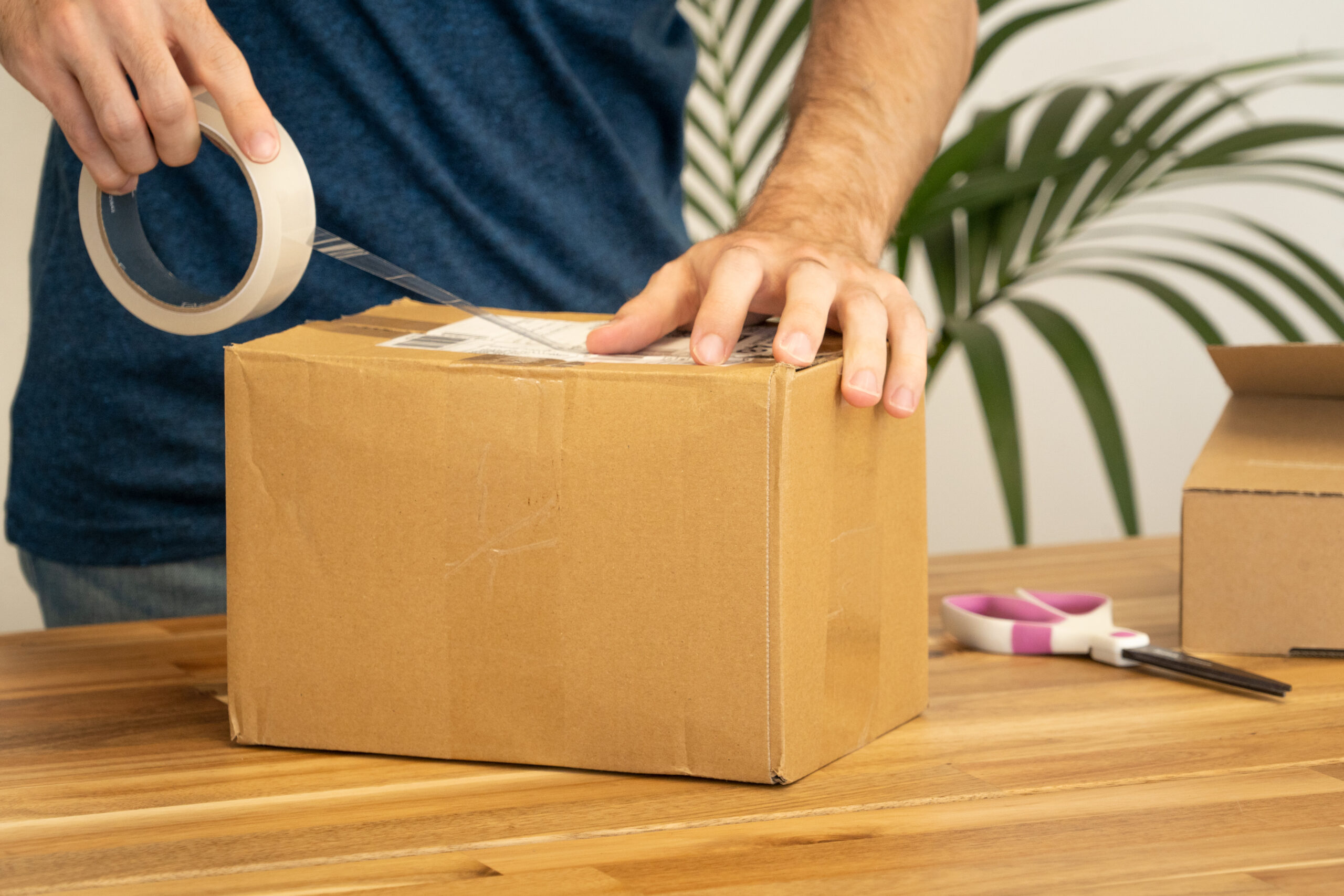
1. Check the Recipient Name Exactly as the Carrier Should See It
The recipient name should match the person or business that can accept the parcel at the destination. Avoid nicknames, marketplace usernames, initials only, or a company name without a contact person when the carrier normally needs both. If the order is going to a workplace, add the company name in the address line and keep the real recipient name in the contact field.
This matters most when a destination carrier asks for ID, a pickup point checks the parcel record, or customs contacts the receiver. A friendly warehouse note is not enough if the final label shows a name the local carrier cannot verify.
2. Fix the Phone Number Before the Label Is Printed
A good phone number includes the country code, the local number, and no extra spaces or symbols that the carrier system may reject. For example, a US number should not be saved with a China domestic prefix, and a European mobile number should not lose its leading digits after country-code formatting.
The phone number is often how a final-mile courier resolves a gate code, delivery appointment, tax request, pickup notice, or failed delivery. If the number is wrong, the parcel can still be physically near the buyer but operationally stuck.

3. Do Not Trust Autofill for Postal Codes and Provinces
Autofill is convenient, but it creates many preventable address errors. Postal codes can attach to the wrong suburb, province, state, or district. Some countries place the postcode before the city, others after it, and some route systems are strict about state abbreviations.
Before dispatch, compare the final warehouse address record with the format used by the destination country. If you are shipping to the United States, our China-to-USA shipping checklist is a useful companion because state, ZIP code, phone, and customs data all need to line up.
4. Add Apartment, Unit, Floor, or Access Details in the Right Field
Apartment and unit details should not be buried in a private note that never reaches the carrier label. Put the unit number, floor, building name, campus department, or business suite where the shipping system will print it. For a gated address, include only the delivery-safe information the carrier actually needs.
If the package has already arrived at the China warehouse, read what happens after your parcel arrives at a China warehouse so you know which details can still be corrected before packing and dispatch.
5. Check Route Restrictions Before Using PO Boxes, Lockers, or Pickup Points
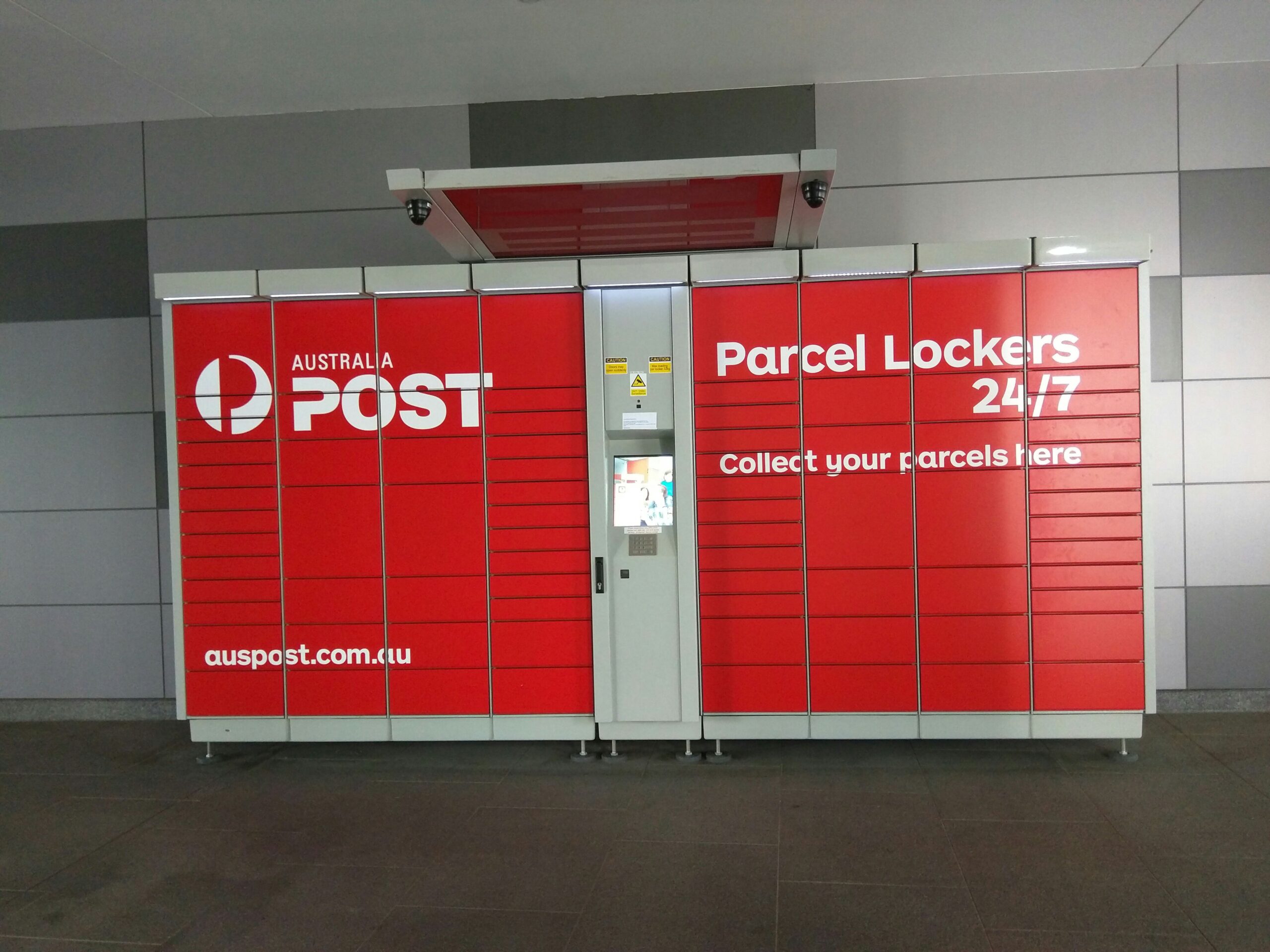
Not every route accepts every delivery format. Some express couriers will not deliver to PO boxes. Some pickup-point or locker addresses require a customer ID, account code, or exact location name. Campus, military, and forwarding addresses can also need stricter formatting.
If the address is not a normal residential or business delivery point, ask the warehouse to confirm route acceptance before payment. Choosing a cheaper line first and correcting the address later can cost more than choosing the right route from the beginning. For route tradeoffs, use our guide to shipping cost estimation and line selection.
6. Make the Address Match the Declaration and Parcel Record
The address is not separate from the rest of the shipment record. Recipient country, route, declared value, item description, and parcel weight should all describe one believable shipment. If the country changes, the customs declaration, tax handling, and available shipping lines may also change.
Before approving international shipping, compare the address page with the parcel item list. If the parcel contains multiple products, branded goods, or route-sensitive items, also check our guide to avoiding customs declaration mistakes when shipping from China.
7. Do One Final Screenshot Check Before You Pay
Make a final screenshot of the recipient name, phone number, full address, country, postal code, chosen route, parcel weight, and declaration summary. This is not busywork. It gives you a clear record if the carrier, warehouse, or destination broker asks what was approved at dispatch.
After the label is printed and the parcel leaves the warehouse, many corrections become carrier tickets instead of simple edits. If a wrong address has already caused a failed delivery in a previous order, review our guide on how to avoid return-to-sender problems when shipping from China.

Quick Pre-Payment Address Checklist
- Recipient name is real, complete, and acceptable for delivery or pickup.
- Phone number includes the correct country code and reachable local number.
- Postal code, city, state, province, and country match each other.
- Apartment, unit, floor, company, or access details are in printable address fields.
- PO box, locker, campus, or pickup-point format is accepted by the selected route.
- Address country matches the customs declaration and available line.
- A final screenshot is saved before international shipping payment.
Final Recommendation
China warehouse address mistakes are easy to prevent and hard to fix late. Treat the address record like part of the shipping workflow, not an afterthought. Before you pay, check the recipient, phone, postal code, apartment details, delivery format, route, and declaration together.
The limitation is also clear: a perfect address cannot remove every customs inspection, carrier delay, or local delivery exception. But it removes one of the most avoidable reasons a parcel gets held, misrouted, or returned after leaving China.