What Happens After Your Parcel Arrives at a China Warehouse?
 Nicholas Chen
By Nicholas | CNCartGo Editorial Team
When a Taobao, 1688, JD.com, Xianyu, or Weidian order shows delivered in China, the job is not finished. Delivery only means the domestic courier has reached the warehouse address. The next stage is warehouse intake: matching the parcel to the buyer account, checking whether the item looks correct, recording its condition, and waiting for the buyer to approve the next shipping step.
This guide answers a common question from first-time overseas buyers: what actually happens after a parcel arrives at a China warehouse? The short answer is that the warehouse turns an anonymous domestic delivery into a manageable international-shipping decision. That process works best when the buyer keeps domestic tracking numbers, expected parcel counts, and platform order details ready.
Quick Answer
After your parcel arrives at a China warehouse, the warehouse normally scans or records the domestic tracking number, matches the parcel to your account, checks the outer package, stores the parcel, and updates your order dashboard. Depending on the service and your instructions, the warehouse may then take inspection photos, confirm visible quantity or variant details, recommend repacking, wait for other parcels, or prepare the item for consolidation and international shipping.
If you are still setting up your receiving details, start with the official warehouse address instructions. A clean address and correct buyer identifier make the arrival step much faster because the warehouse can connect the parcel to the right account without manual support.
Step 1: The Courier Delivers the Parcel
The first event is domestic delivery. A seller or platform courier brings the parcel to the warehouse address, and the tracking page may show delivered before the warehouse dashboard updates. That gap is normal. A warehouse has to receive the physical parcel, sort it, and connect it with a customer account before the buyer can act on it.
Do not approve international shipping just because a domestic tracking page says delivered. In real buying workflows, especially with 1688 suppliers or multi-seller Taobao orders, one paid order can produce more than one parcel. If you expected three cartons and only one tracking number has arrived, the correct action is to wait or ask the seller for the missing tracking details.
Step 2: The Warehouse Matches the Parcel to Your Account
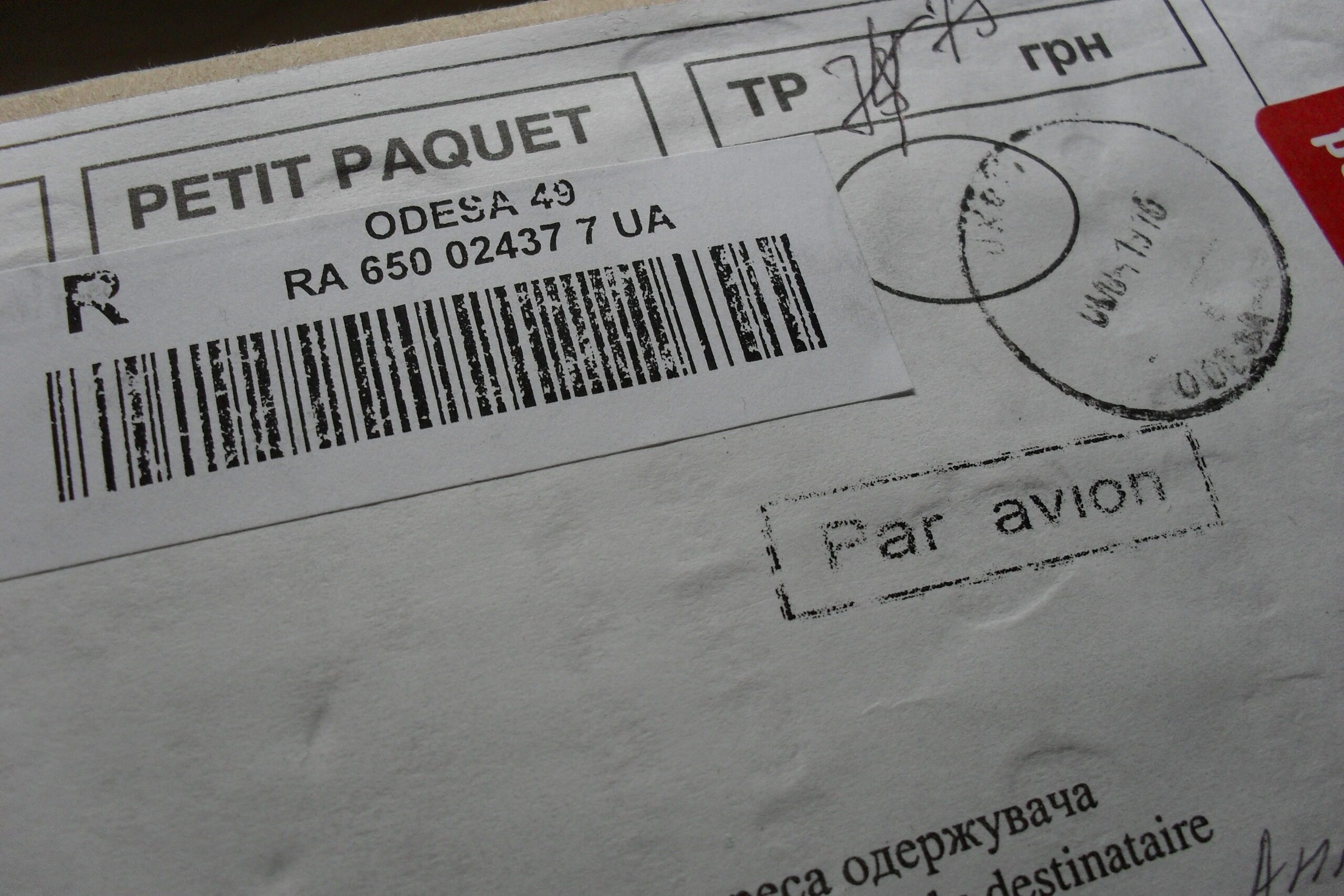
Parcel matching is the most important intake step. The warehouse uses details such as recipient name, phone number, customer code, domestic tracking number, and sometimes the platform order note to decide which buyer owns the parcel. If all details were copied correctly at checkout, this step is usually routine.
Manual matching is needed when the seller writes an incomplete receiver name, ships under a different tracking number, splits the order without telling the buyer, or leaves out the customer code. This is why we tell buyers to keep a simple record with the platform, seller, product name, domestic tracking number, and expected parcel count. That record gives support staff something specific to check instead of asking them to search by guesswork.
Step 3: Basic Arrival Checks Are Recorded
Once the parcel is matched, the warehouse records basic arrival information. The exact workflow differs by service, but a practical intake record usually includes arrival time, package count, visible damage, weight or size estimate, and whether the parcel needs extra handling. For higher-risk categories, the buyer should not treat arrival as proof that the goods are correct.
For example, a JD.com electronics parcel may arrive quickly but still need a model-code check before export. A Xianyu used item may need visible condition photos because the seller listing can be brief. A 1688 supplier shipment may need carton-count confirmation before the buyer combines it with anything else. Our detailed China warehouse inspection checklist explains which checks are worth requesting before international shipping.
Step 4: The Parcel Waits for Buyer Instructions
After intake, the parcel usually waits in storage until the buyer chooses what to do next. That waiting stage is useful. It gives the buyer time to compare what arrived with the original platform order, ask for inspection photos, decide whether more parcels are coming, and avoid rushing into an expensive shipment.
The most common mistake is treating the first arrived parcel as the whole order. This happens often with 1688 and sellers who ship in separate batches. Before you approve export, compare your expected parcel count with the warehouse record. The guide on avoiding parcel count errors before shipping from China is especially useful for buyers managing several domestic orders at the same time.
Step 5: Inspection, Repacking, or Consolidation Is Decided
Warehouse arrival creates choices. You may ship the parcel by itself, wait for other parcels, request a photo check, remove unnecessary packaging, add protection, or combine several items into one export shipment. The right choice depends on product type, route rules, parcel dimensions, fragility, and whether all expected goods have arrived.
Consolidation is helpful when the items can travel safely together and the final parcel makes sense for the shipping route. It is not automatically the best option. Batteries, liquids, fragile goods, oversized items, personal used goods, and high-value branded products may need separate handling. Before combining orders, read the practical guide on when to consolidate parcels from China and when not to.
Step 6: Shipping Cost Becomes More Reliable
Product-page estimates are rough. Once the warehouse has the actual parcel, shipping decisions become more reliable because the warehouse can work from real weight, package size, category restrictions, and route availability. That does not mean the cheapest line is always the safest line. A light but fragile item, a compact electronic device, and a bulky clothing order can need very different shipping choices.
A good buyer checks the route after the warehouse record is complete, not before. If several parcels will be consolidated, wait until the warehouse has the combined package dimensions before treating the price as final. For the decision framework, use the shipping cost estimation and line selection guide.
What Buyers Should Do Immediately After Arrival
- Compare the warehouse arrival notice with the platform order and domestic tracking number.
- Confirm whether all expected parcels or cartons have arrived.
- Request inspection photos for fragile, used, expensive, or variant-sensitive goods.
- Do not consolidate until missing parcels, wrong variants, and damage questions are resolved.
- Choose the export route after real parcel data is available.
This small checklist prevents most warehouse-stage mistakes. It also gives the buyer a clear support trail if a seller later claims everything was shipped but the warehouse only received part of the order.
Realistic Limitations
A warehouse can verify visible information. It can record that a parcel arrived, photograph the outer package, show labels, count obvious items, and flag visible damage. It cannot guarantee long-term product performance, hidden defects, authenticity, battery health, or whether a used item will behave perfectly after months of use. Buyers should treat warehouse inspection as risk reduction, not a full product warranty.
There is also a timing limitation. Domestic tracking may update before warehouse intake, and warehouse intake may update before detailed inspection. If a parcel is urgent, send support the platform order number and domestic tracking number rather than only saying "my package arrived." Specific information speeds up the search.
Final Answer
After your parcel arrives at a China warehouse, it moves through intake, account matching, basic recording, optional inspection, storage, and then buyer-approved shipping decisions. The buyer's job is to keep tracking data organized, confirm that every expected parcel has arrived, request checks where the risk justifies it, and approve consolidation or export only after the warehouse record is clear.
That is the difference between a parcel that merely reaches China storage and a parcel that is actually ready for safe international forwarding.