Short answer
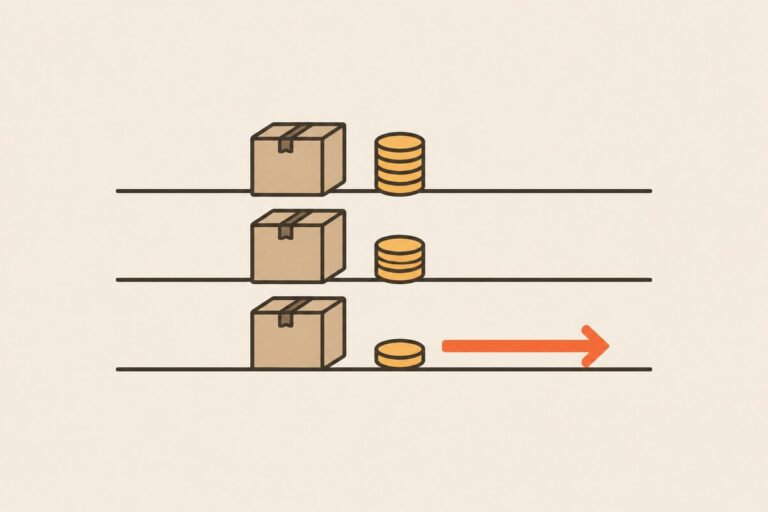
Repack when the retail box is mostly empty space, because the billable volumetric weight is what you really pay for. Do not repack fragile, model-specific or accessory-heavy goods whose original packaging is doing genuine protection or identification work. Decide parcel by parcel: request photographs first, keep the factory box unless there is a measurable volume saving, and record every change.
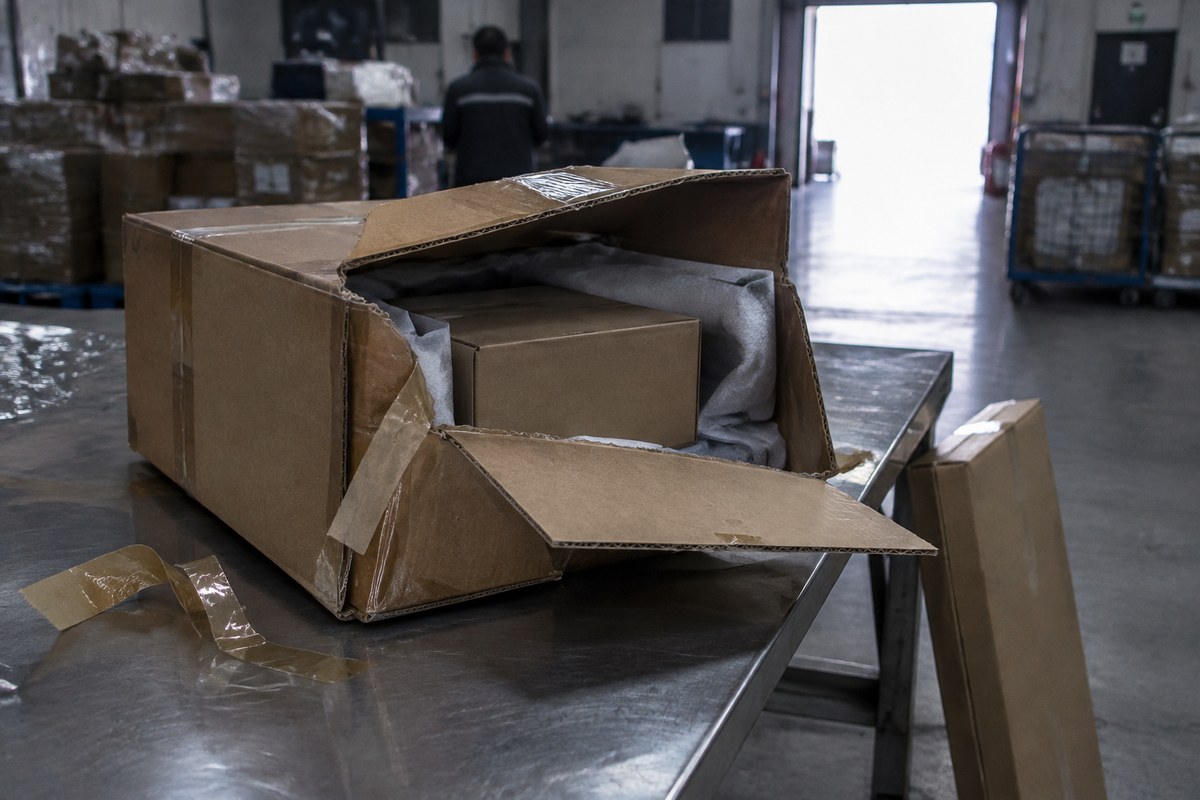
Repacking is one of the few warehouse steps that physically changes the parcel, so the evidence has to be tight: intake photos of the original carton, the proposed packed size and how it was measured, the warehouse note saying which retail boxes or foam were removed, your written approval, and the revised quote once volume was recalculated. If a repack was declined, keep that decision too - it explains why a bulky but light parcel shipped at the higher volumetric weight.
None of this is meant to slow an order down. It exists because a repack approved on the floor in Guangzhou cannot be undone in the destination country: once a factory box has been discarded and a garment parcel sealed, the options for re-protecting the goods, replacing packaging or reversing the change are gone.
When repacking is worth it
Repacking is useful for clothing, soft goods, non-fragile household items, empty retail boxes, bulky foam, and products packed in oversized cartons. If the warehouse can reduce the box while keeping items organized and protected, the final shipping quote can improve without lowering safety.
When to keep the original box
Keep the original box for electronics, collectible items, fragile products, branded goods, gifts, shoes with shape-sensitive packaging, and items where model information appears on the box. Removing the box can make later disputes harder and may increase damage risk.
A repack also changes what the parcel contains and what it is worth, and our CNCartGo guide to customs declaration wording covers that follow-on step.
What photos to request
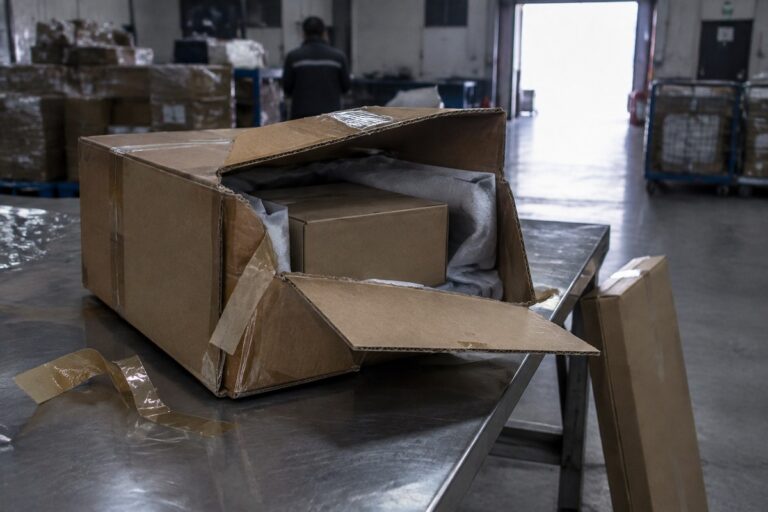
Ask for the original parcel, opened product view, accessory set, product label, and proposed packed size. If the warehouse suggests removing boxes, ask whether each item will be bagged, wrapped, or separated. A repacking request without a photo record is hard to verify later.
Dimensional weight tradeoff
Dimensional weight matters when a parcel is large but light. Storage boxes, lamps, packaging foam, and home goods can look cheap until volume is calculated. Repacking should reduce wasted space while keeping the product safe enough for international handling.
Repacks happen inside the same intake process that receives parcels for every marketplace, described in our one-warehouse-address guide.
Final recommendation
Approve repacking only when the product is durable, the warehouse photos are clear, the packed size improves, and the route accepts the final product mix. If the goods are fragile or high value, protection beats a small shipping discount.
Quick checklist before approval
- Intake photos of the original carton and inner packaging on file
- Proposed packed dimensions and the resulting volumetric weight quoted in writing
- Confirmation of which retail boxes, trays or foam will be removed
- Buyer approval given only after seeing the packed-size photo
- Fragile, branded or model-labelled items marked keep-original
About the author: Written by the CNCartGo editorial team from everyday warehouse repacking requests and buyer approvals, then reviewed against our current packing and routing rules.
Last reviewed: September 5, 2026. Repacking charges, protection standards and carrier limits are revised often, so refer to the live pages for the latest wording.
Related guides
Repacking saves volume but not always risk, and the explainers below set out what buyers most often want clarified.
- A Real-World Package Consolidation Review: How One Overseas Buyer Combined Six China Orders Without Paying for Empty Space
- Combine Parcels or Ship Separately From China? A Simple Decision Checklist
- What If a China Seller Splits One Order Into Multiple Parcels?
- Shipping Fragile Items From China: Ceramic, Glass, and Collectible Packing Checklist
- What If One Parcel Never Arrives at Your China Warehouse? A Practical FAQ for Consolidated Orders