Shipping From China to USA: Complete Guide to Methods, Costs & Delivery Times (2026)
 Nicholas Chen
Shipping from China to USA typically costs $3–$45/kg and takes 3–45 days depending on method, with express air (3–7 days), standard air (7–15 days), sea freight (25–45 days), and rail (18–25 days) as the four main options. Whether you're ordering a single gadget from Taobao or importing bulk inventory for your e-commerce business, understanding these methods is the difference between overpaying and shipping smart.
Last Updated: June 2026
Shipping Methods at a Glance
| Method | Cost/kg | Transit Time | Best For |
|---|---|---|---|
| Express Air (DHL/FedEx/UPS) | $25–$45/kg | 3–7 days | Urgent, small packages |
| Standard Air | $8–$15/kg | 7–15 days | Mid-weight, balanced |
| Sea Freight (LCL) | $3–$6/kg | 25–45 days | Heavy/bulky items |
| Rail (China–US via sea bridge) | $5–$10/kg | 18–25 days | Medium bulk |
How to Choose the Right Shipping Method
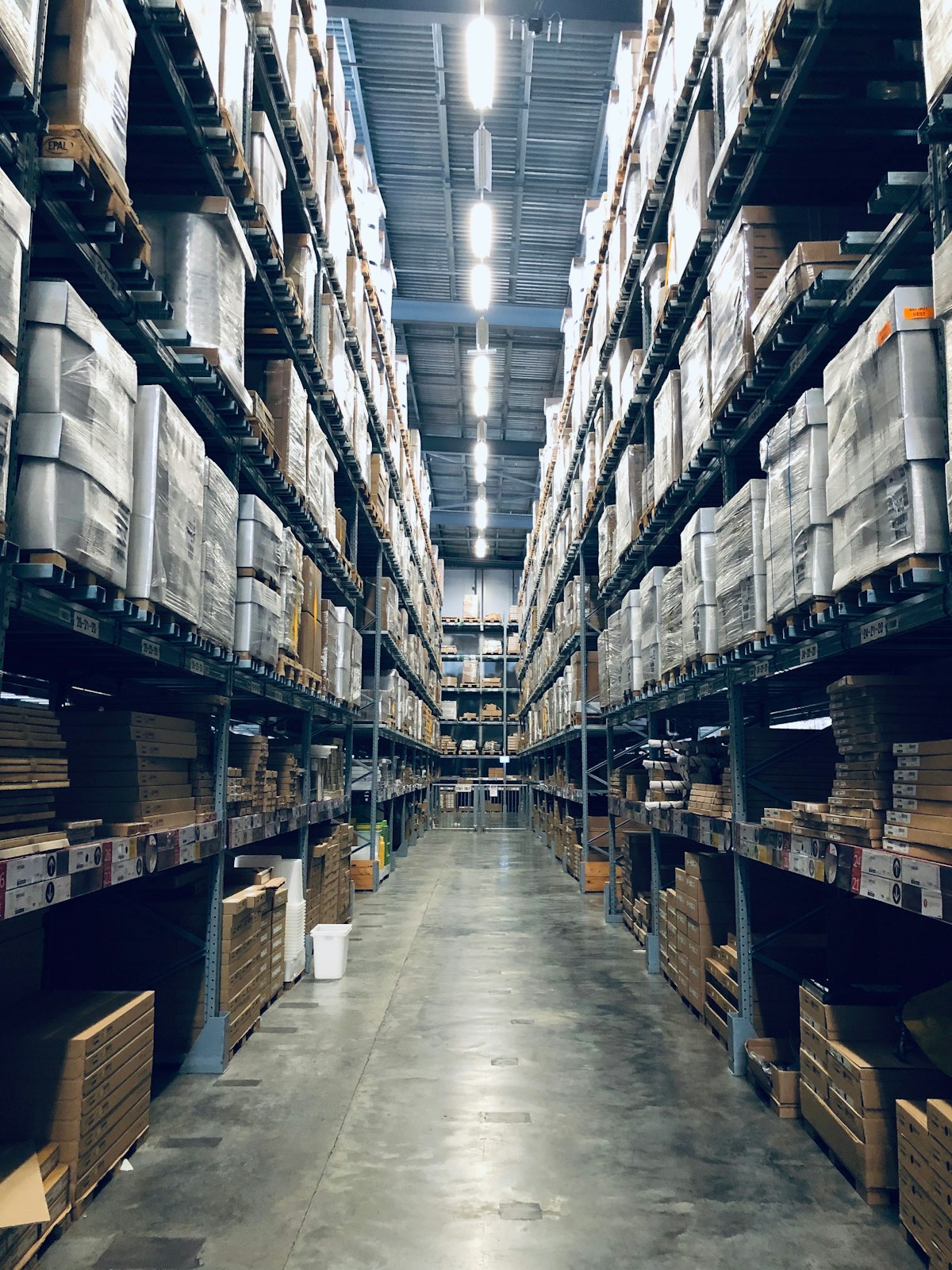
Choosing a shipping method comes down to three factors: weight, urgency, and budget. Here's a practical framework:
- Under 2kg and urgent? Express air. You'll pay a premium, but your package arrives in under a week.
- 2–20kg with flexibility? Standard air freight hits the sweet spot between cost and speed.
- Over 20kg and not time-sensitive? Sea freight or rail saves 60–80% compared to air.
- Multiple small orders? Package consolidation can cut costs by 30–60% regardless of method.
For a detailed comparison of warehouse-based shipping services, see our China warehouse shipping guide.
Express Air Shipping: When Speed Matters
How It Works
Express carriers like DHL, FedEx, and UPS operate dedicated cargo flights from major Chinese cities (Shenzhen, Guangzhou, Shanghai) to US hubs. Your package gets door-to-door tracking, customs pre-clearance, and delivery within 3–7 business days.
Pricing Structure
Express carriers use volumetric weight calculations: length × width × height ÷ 5000 (in cm). You're charged whichever is higher-actual weight or volumetric weight. This means lightweight but bulky items cost significantly more than dense, compact packages.
Typical rates in 2026:
- DHL: $28–$42/kg (first 0.5kg often has a base fee of $25–$35)
- FedEx International Priority: $30–$45/kg
- UPS Worldwide Express: $26–$40/kg
When to Use Express
- Single items under 2kg (phones, accessories, small electronics)
- Time-sensitive purchases (gifts, replacement parts)
- High-value items where transit insurance and tracking matter
For electronics specifically, check our guide on the best electronics to buy from JD.com with international shipping tips.
Standard Air Freight: The Sweet Spot
Standard air freight uses commercial airline cargo holds rather than dedicated express flights. It's the method most experienced China shoppers prefer for packages between 2–20kg.
Why It's Popular
- 40–60% cheaper than express for the same weight
- 7–15 day delivery is fast enough for most purchases
- Full tracking from warehouse to your door
- No volumetric weight penalty with most forwarding agents
Typical Rates
Standard air through a buying agent or freight forwarder runs $8–$15/kg with most services offering tiered pricing-the heavier your package, the lower the per-kg rate. A 5kg package might cost $12/kg ($60 total), while a 15kg package drops to $9/kg ($135 total).
Sea Freight: Maximum Savings for Bulk Orders
Sea freight is the backbone of global trade. For personal shipments, you'll use LCL (Less than Container Load), where your goods share container space with other shipments.
Transit Times
- Port to port: 14–20 days (Shanghai/Shenzhen to Los Angeles/Long Beach)
- Door to door: 25–45 days (includes customs clearance and last-mile delivery)
- East Coast: Add 5–7 days for New York/Newark routing
Cost Advantages
At $3–$6/kg, sea freight costs 70–85% less than express air. The trade-off is time. If you're stocking inventory or ordering non-urgent items (furniture, home goods, bulk clothing), sea freight is the rational choice.
Minimum Requirements
Most LCL services require a minimum of 10–20kg or 0.1 CBM (cubic meter). Below that threshold, you're better off with standard air or consolidating multiple orders.
Rail + Sea Bridge: The Middle Ground
China–US rail shipping uses the China–Europe rail network combined with a Pacific sea crossing (the "sea bridge" concept). Goods travel by rail across China to a western port, then by vessel to the US West Coast.
Why Consider Rail
- 18–25 days-significantly faster than pure sea freight
- $5–$10/kg-cheaper than air, only slightly more than sea
- More reliable scheduling than ocean-only routes
- Good for medium-bulk orders (20–100kg)
Rail is particularly useful during peak shipping seasons (September–December) when ocean freight rates spike and container space is scarce.
Real Cost Breakdown

Let's calculate actual costs for three common scenarios:
Scenario 1: 5kg Package (Electronics/Accessories)
| Method | Shipping Cost | Estimated Duties | Total |
|---|---|---|---|
| Express (DHL) | $175 | $0 (under $800) | $175 |
| Standard Air | $60 | $0 (under $800) | $60 |
| Sea Freight | N/A (below minimum) | - | - |
Scenario 2: 20kg Package (Clothing/Home Goods)
| Method | Shipping Cost | Estimated Duties | Total |
|---|---|---|---|
| Express (FedEx) | $700 | Varies by value | $700+ |
| Standard Air | $200 | $0 if value under $800 | $200 |
| Sea Freight | $80 | $0 if value under $800 | $80 |
| Rail | $140 | $0 if value under $800 | $140 |
Scenario 3: 50kg Package (Bulk Inventory)
| Method | Shipping Cost | Estimated Duties (5% avg) | Total |
|---|---|---|---|
| Express | $1,750 | $50–$150 | $1,800–$1,900 |
| Standard Air | $425 | $50–$150 | $475–$575 |
| Sea Freight | $175 | $50–$150 | $225–$325 |
| Rail | $300 | $50–$150 | $350–$450 |
Key takeaway: For a 50kg shipment, sea freight saves you $1,500+ compared to express air. That's money better spent on product.
Customs & Import Duties for US Buyers
Understanding US customs rules can save you hundreds of dollars-or keep you from getting an unexpected bill.
Section 321 De Minimis ($800 Threshold)
The US has one of the most generous de minimis thresholds in the world. Shipments valued at $800 or less enter duty-free and tax-free under Section 321 of the Tariff Act. This applies per person, per day.
What this means practically:
- Most personal purchases from Taobao, JD.com, or 1688 fall under $800
- No customs paperwork required for qualifying shipments
- Express carriers handle clearance automatically
- You won't pay any import duty or merchandise processing fee
Above $800: What to Expect
For shipments exceeding $800 in declared value:
- Duty rates: Typically 0–25% depending on product category (electronics often 0–5%, clothing 10–20%, furniture 0–10%)
- Merchandise Processing Fee (MPF): 0.3464% of value (minimum $31.67, maximum $614.35)
- Harbor Maintenance Fee: 0.125% for sea freight only
Restricted & Prohibited Items
Some items face additional scrutiny or are prohibited entirely: lithium batteries (quantity limits), food products (FDA clearance), cosmetics (labeling requirements), and certain electronics (FCC compliance). Always check before shipping.
Package Consolidation: How to Save 30–60%
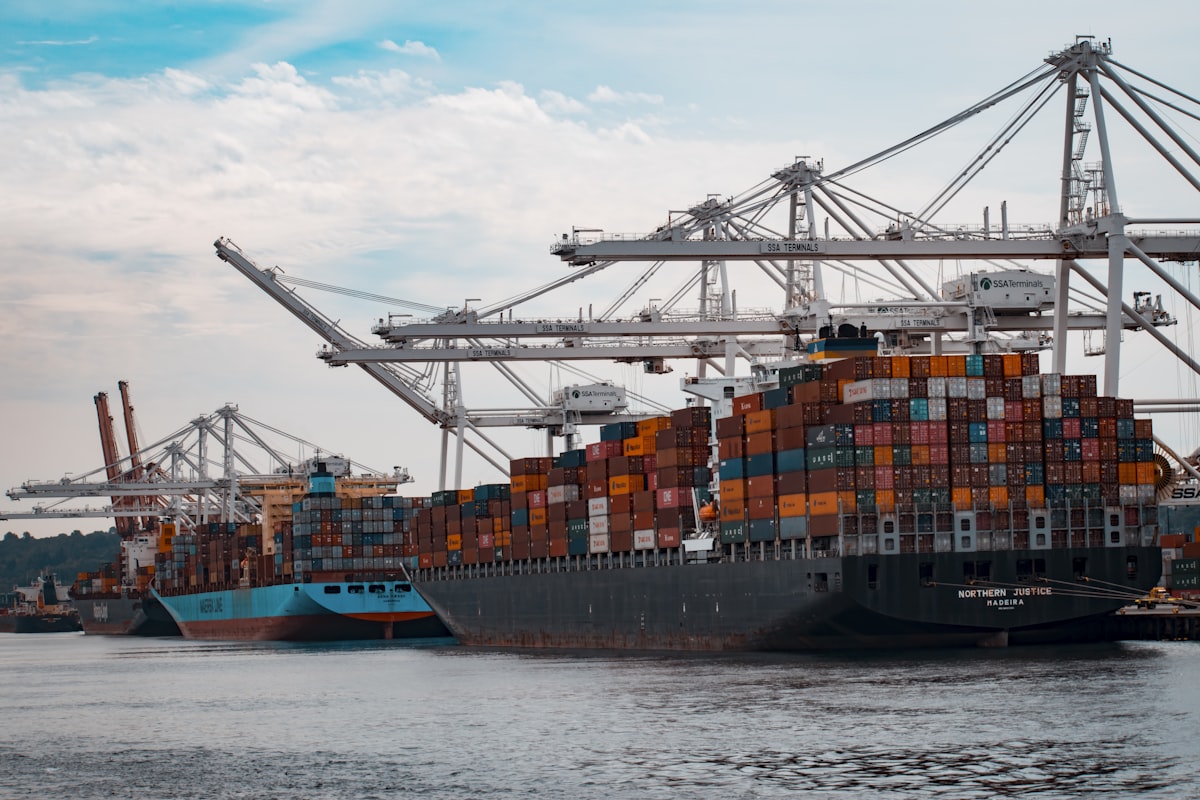
Package consolidation is the single most effective way to reduce shipping costs from China. Instead of shipping five separate 1kg packages ($25–$45 each), you combine them into one 5kg package at a lower per-kg rate.
How Consolidation Works
- Order from multiple sellers (Taobao, JD.com, 1688, Pinduoduo)
- All packages arrive at your China warehouse
- Warehouse staff remove excess packaging, inspect items, and photograph contents
- Everything gets repacked into one optimized parcel
- You ship once at bulk rates
Real Savings Example
5 separate packages (1kg each) via express: 5 × $35 = $175
1 consolidated package (4.2kg after repacking) via standard air: 4.2 × $11 = $46
Savings: $129 (74%)
The weight reduction from removing redundant boxes and packaging typically saves 15–25% of total weight on top of the rate improvement.
Step-by-Step: Shipping With a Buying Agent
A buying agent (or freight forwarding service) handles the entire logistics chain from Chinese sellers to your US address. Here's the typical workflow:
- Sign up and get your China warehouse address
- Shop on Chinese platforms using the warehouse as your delivery address. If you need help with payments, see our guide on shopping on Taobao without Chinese payment methods
- Packages arrive at the warehouse (1–5 days for domestic Chinese delivery)
- Inspection & photos - warehouse staff check items and send you photos for confirmation
- Choose your shipping method based on weight, urgency, and budget
- Pay international shipping (calculated by actual/volumetric weight)
- Track your package from China to your door
- Receive delivery via USPS, UPS, or FedEx for the last mile
If you run into payment issues during checkout, our troubleshooting guide covers 6 common reasons Taobao payments fail and how to fix them.
Common Mistakes to Avoid
1. Ignoring Volumetric Weight
A large but light package (like pillows or clothing in oversized boxes) gets charged by volume, not actual weight. Always ask your agent to repack and compress before shipping.
2. Shipping Items Separately
Every package has a base handling fee. Shipping 5 parcels costs far more than 1 consolidated package of the same total weight.
3. Not Declaring Value Accurately
Under-declaring customs value might seem like a way to avoid duties, but it risks seizure, fines, and loss of insurance coverage. Declare honestly-most personal shipments fall under the $800 de minimis anyway.
4. Choosing Express for Heavy Packages
Express air makes sense under 2–3kg. Above that, standard air or sea freight offers dramatically better value. A 10kg package via DHL costs $350+; via standard air it's $110.
5. Shipping Restricted Items Without Checking
Lithium batteries, liquids, powders, and branded goods all have restrictions. Check with your forwarding agent before purchasing-returns to Chinese sellers are expensive and slow.
6. Ignoring Insurance for Valuables
Shipping insurance typically costs 2–3% of declared value. For electronics, jewelry, or items over $200, it's a worthwhile investment against loss or damage.
Frequently Asked Questions
How long does shipping from China to USA take?
Transit times range from 3–7 days for express air (DHL, FedEx, UPS), 7–15 days for standard air freight, 18–25 days for rail, and 25–45 days for sea freight. The exact time depends on origin city, destination, customs processing, and carrier performance.
What is the cheapest way to ship from China to USA?
Sea freight (LCL) at $3–$6/kg is the cheapest method for packages over 10–20kg. For smaller packages, using a buying agent with package consolidation and standard air freight ($8–$15/kg) offers the best value. Consolidating multiple orders into one shipment can reduce costs by 30–60%.
Do I have to pay customs duties on packages from China?
Under US Section 321, shipments valued at $800 or less enter duty-free. Above $800, you'll pay import duties (typically 0–25% depending on product category) plus a merchandise processing fee. Most personal purchases from Chinese platforms fall under the $800 threshold.
Can I track my package from China to the USA?
Yes. Express carriers provide real-time door-to-door tracking. Standard air and sea freight services offer tracking at key checkpoints: warehouse departure, airline/vessel loading, arrival at US port, customs clearance, and last-mile delivery. Most buying agents provide a unified tracking dashboard.
Is it safe to ship electronics from China to USA?
Yes, with precautions. Ensure items with lithium batteries comply with IATA shipping regulations (most consumer electronics do). Use proper cushioning and insurance for fragile items. Avoid counterfeit branded goods, which can be seized at customs. Reputable buying agents inspect items before shipping to catch issues early.
Final Thoughts
Shipping from China to the USA doesn't have to be confusing or expensive. Match your method to your actual needs: express for urgency, standard air for balance, sea freight for bulk savings. Use package consolidation to combine orders and cut costs. Stay under $800 per shipment to avoid duties. And work with a reliable forwarding service that offers transparent pricing, warehouse photos, and end-to-end tracking.
For more shipping resources, explore our complete China warehouse guide, learn what happens when your parcel arrives at the warehouse, or check USPS international services and FedEx international rates for carrier-direct pricing.