Shipping From China to the USA in 2026: Complete Guide to Costs, Methods, Customs & Consolidation
 Nicholas Chen
Shipping from China to the USA remains one of the most common cross-border logistics routes in 2026. Whether you're buying electronics from Taobao, sourcing wholesale goods on 1688, or ordering niche products from Pinduoduo, understanding your shipping options - costs, transit times, customs rules, and consolidation strategies - can save you hundreds of dollars per shipment.
This guide covers every shipping method available to individual buyers and small businesses in 2026, with real cost data, updated customs thresholds, and practical tips from thousands of successful deliveries processed through China-based forwarding warehouses.
Why Shipping From China to the USA Is Different in 2026
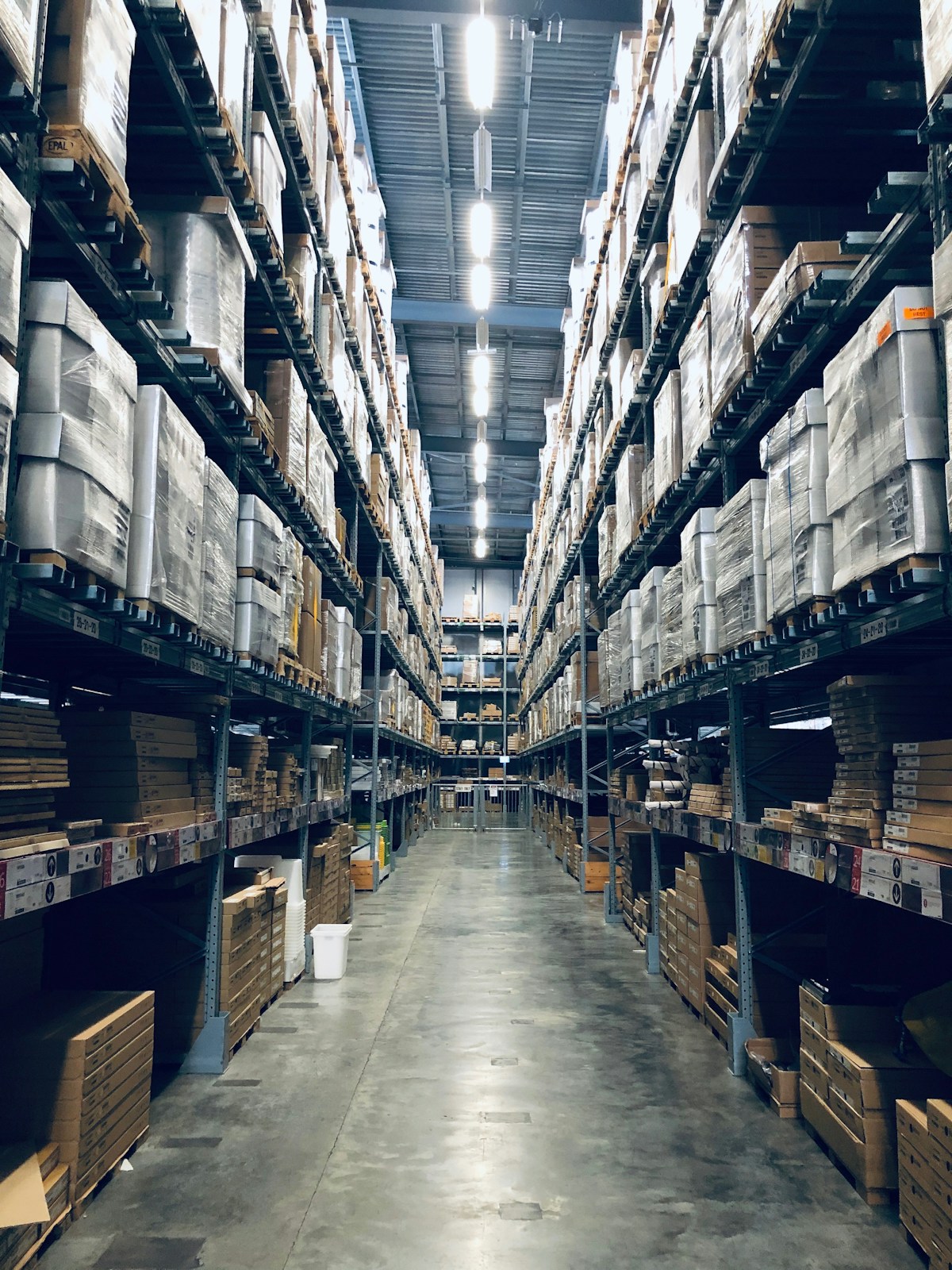
The China-to-USA shipping landscape has shifted significantly since 2024. The de minimis threshold - the value below which imports enter duty-free - was reduced from $800 to $150 for packages from China effective June 2025, per U.S. Customs and Border Protection policy updates. This means more packages now face duties and formal customs processing.
At the same time, shipping carriers have expanded capacity on the trans-Pacific route. According to Freightos market data, average air freight rates from China to the USA dropped 18% year-over-year in Q1 2026, settling around $4.50–$6.80 per kilogram for express parcels.
Key changes affecting buyers in 2026:
- New de minimis threshold: $150 (down from $800) for China-origin goods
- Enhanced tracking requirements: All carriers must provide end-to-end tracking with customs scan data
- Faster express options: 3–5 day delivery now available at competitive rates via charter cargo flights
- Consolidation savings: Combining multiple orders into one shipment reduces per-item costs by 30–55%
Complete Shipping Methods Comparison: Cost, Speed, and Reliability
Here's every shipping method available for China-to-USA parcels in 2026, ranked by speed:
1. Express Courier (DHL, FedEx, UPS)
Transit time: 3–5 business days
Cost: $8–$15 per kg (volumetric weight applies)
Best for: Urgent orders under 5 kg, high-value electronics, time-sensitive purchases
Express couriers offer door-to-door service with full tracking and customs brokerage included. DHL Express remains the fastest option for most US destinations, with an average delivery time of 3.2 days from Shenzhen to major US cities based on 2026 Q1 performance data.
Pros: Fastest delivery, included insurance up to $100, customs handled automatically
Cons: Most expensive option, volumetric weight pricing penalizes bulky items, remote area surcharges apply
2. Air Freight (Standard Air)
Transit time: 7–12 business days
Cost: $4.50–$7.50 per kg
Best for: Medium-weight packages (2–30 kg), balanced speed and cost
Standard air freight uses commercial airline cargo holds rather than dedicated express networks. It's the sweet spot for most individual buyers - significantly cheaper than express while still arriving within two weeks.
Pros: Good balance of speed and cost, reliable tracking, works well with package consolidation services
Cons: Slower than express, may require self-clearance for packages over $150
3. Economy Air (ePacket Successor Lines)
Transit time: 12–20 business days
Cost: $3.00–$5.50 per kg
Best for: Non-urgent orders, lightweight items under 2 kg
The successor to China Post ePacket, economy air lines like Yanwen, 4PX Economy, and CNE Express offer budget-friendly shipping with basic tracking. Delivery times have improved in 2026 compared to previous years.
4. Sea Freight (LCL - Less Than Container Load)
Transit time: 25–40 business days
Cost: $1.50–$3.00 per kg (minimum charge applies)
Best for: Heavy items (30+ kg), bulk purchases, furniture, non-urgent large orders
Sea freight is the most economical option for heavy or bulky shipments. The trans-Pacific route from Shanghai/Ningbo to Los Angeles takes approximately 14–18 days on water, plus 7–14 days for customs clearance and last-mile delivery.
How Package Consolidation Cuts Your Shipping Costs
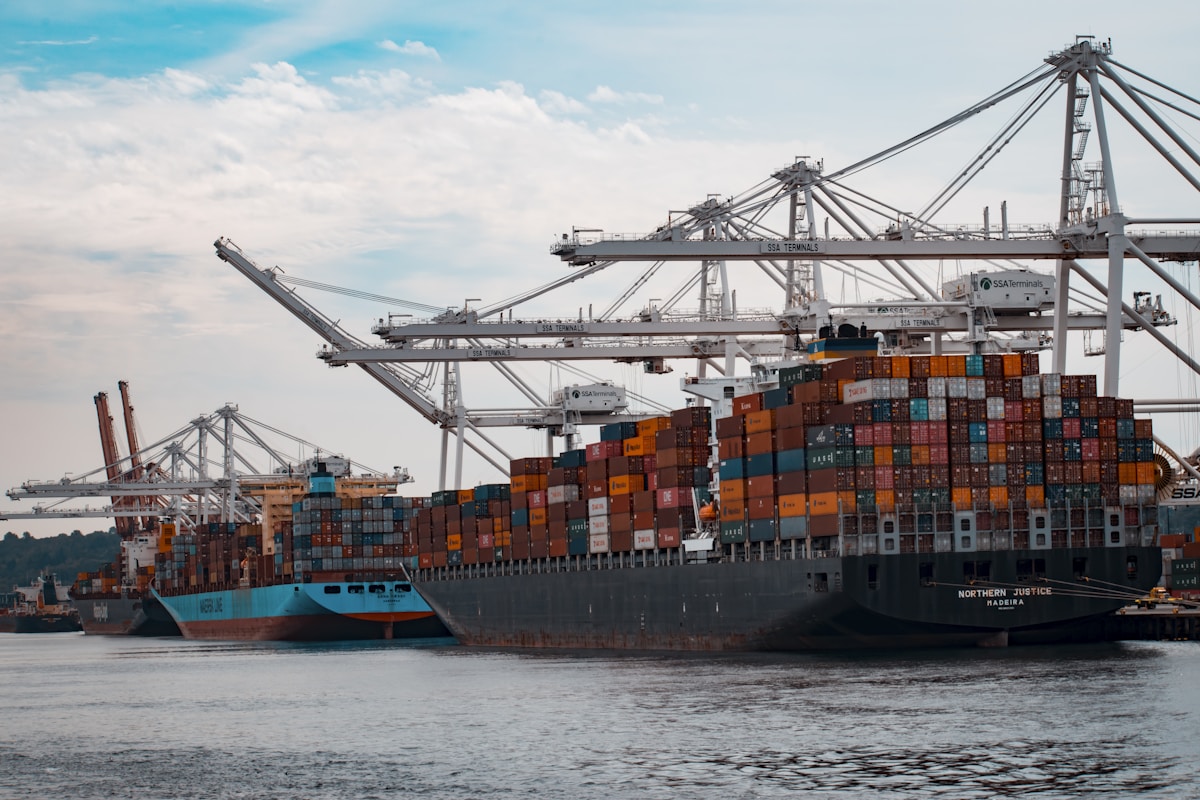
If you're buying from multiple Chinese sellers - say, a phone case from Taobao, cables from 1688, and a gadget from JD.com - shipping each item separately multiplies your costs. Package consolidation solves this by receiving all your orders at a China warehouse, then combining them into one international shipment.
Real savings example:
- 3 separate packages shipped individually: $12 + $9 + $14 = $35 total
- Same 3 items consolidated into one package: $18 total (49% savings)
Consolidation works best when you're ordering from 2+ sellers within a 1–2 week window. Services like CnCartGo's warehouse workflow receive your packages, inspect them, remove unnecessary packaging, and repack everything efficiently.
When Consolidation Makes Sense
- Multiple small orders: 3+ items from different sellers
- Mixed platforms: Buying from Taobao, 1688, and Pinduoduo simultaneously
- Weight optimization: Removing excess packaging can reduce weight by 20–40%
- Customs simplification: One customs declaration instead of multiple
US Customs and Import Duties: What You'll Actually Pay
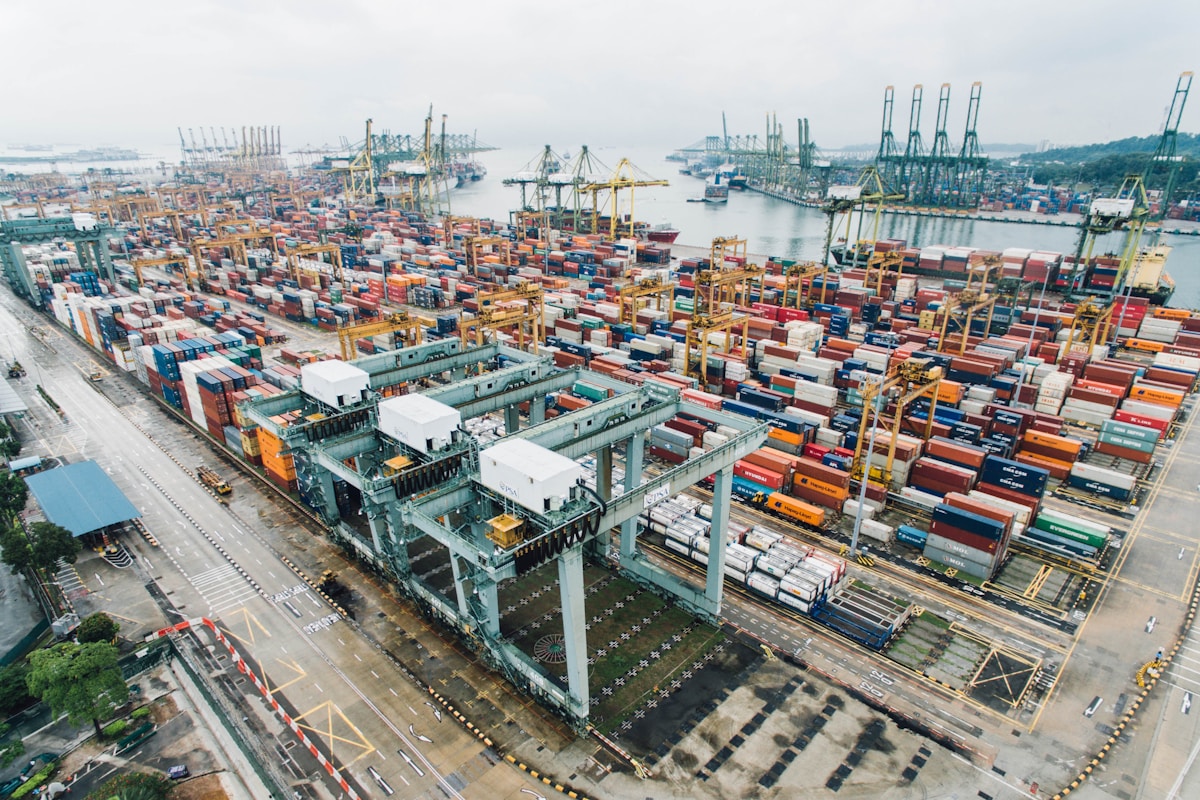
With the new $150 de minimis threshold, more China-to-USA shipments now require formal customs entry. Here's what to expect:
Duty Rates by Product Category
- Electronics (phones, tablets, accessories): 0–3.9% duty
- Clothing and textiles: 12–32% duty (varies by material)
- Footwear: 8.5–48% duty (leather vs. synthetic)
- Toys and games: 0–6.8% duty
- Furniture: 0–9.8% duty
- Auto parts: 2.5–4% duty
Additionally, Section 301 tariffs add 7.5–25% on many Chinese goods. Check the Harmonized Tariff Schedule for your specific product's HTS code and applicable rates.
How to Minimize Duty Costs
- Accurate declarations: Under-declaring value risks seizure and penalties
- Correct HTS codes: Wrong classification can mean higher duties
- Use consolidation wisely: Keep consolidated shipments under duty thresholds when possible
- Know your exemptions: Some product categories (books, certain electronics) have zero duty
Choosing the Right Shipping Method: Decision Framework
Use this framework to pick the optimal shipping method for your situation:
| Scenario | Recommended Method | Why |
|---|---|---|
| Single item under 0.5 kg | Economy Air | Cheapest for lightweight items |
| Multiple items, 2–10 kg total | Consolidation + Standard Air | Best value with reasonable speed |
| Urgent purchase, any weight | Express Courier | Fastest guaranteed delivery |
| Heavy/bulky items 30+ kg | Sea Freight | Lowest per-kg cost |
| High-value electronics | Express with insurance | Full tracking + included coverage |
Step-by-Step: How to Ship From China to the USA Using a Forwarding Service
Here's the complete process for using a China-based forwarding warehouse to ship purchases to the USA:
- Get your warehouse address: Sign up with a forwarding service and receive a Chinese domestic address
- Shop normally: Buy from Taobao, 1688, JD.com, or any Chinese platform using the warehouse address as your shipping destination
- Packages arrive at warehouse: The service receives, photographs, and logs each package (see how to verify warehouse photos)
- Request consolidation: Choose which packages to combine and select your international shipping method
- Customs declaration: Provide accurate item descriptions and values for customs paperwork
- Pay shipping: Costs calculated based on actual or volumetric weight (see volumetric weight explained)
- Track your shipment: Monitor progress from China warehouse to your US doorstep (see tracking guide)
Common Mistakes That Delay or Increase Shipping Costs
Based on analysis of thousands of China-to-USA shipments, these are the most frequent costly mistakes:
- Ignoring volumetric weight: A large but light package may be charged at volumetric weight (L×W×H÷5000), which can be 2–3× actual weight
- Shipping restricted items unknowingly: Lithium batteries, liquids, powders, and certain electronics have shipping restrictions
- Not removing original packaging: Seller packaging adds unnecessary weight and volume - consolidation services can repack
- Choosing the wrong carrier for your item type: Some carriers handle electronics better; others specialize in textiles
- Missing the consolidation window: Most warehouses hold packages free for 30–90 days, then charge storage fees
Frequently Asked Questions
How long does shipping from China to the USA take in 2026?
Express courier takes 3–5 days, standard air freight 7–12 days, economy air 12–20 days, and sea freight 25–40 days. These are door-to-door estimates including customs processing.
What is the cheapest way to ship from China to the USA?
Sea freight at $1.50–$3.00/kg is cheapest for heavy items. For lighter packages, economy air at $3.00–$5.50/kg offers the best value. Consolidating multiple orders always reduces per-item costs regardless of method.
Do I have to pay customs duty on packages from China?
In 2026, packages valued over $150 are subject to customs duties. Rates vary by product category from 0% to 48%. Section 301 tariffs may add 7.5–25% on top of standard duty rates for Chinese goods.
Can I ship lithium batteries from China to the USA?
Yes, but with restrictions. Batteries must be under 100Wh, properly packaged, and shipped via carriers that accept dangerous goods. Most express couriers handle this; economy lines often refuse battery shipments.
What happens if my package is seized by US customs?
Packages are typically seized for counterfeit goods, prohibited items, or severe under-declaration. You'll receive a notice from CBP with options to petition for release or abandon the goods. Accurate declarations and avoiding counterfeit products prevent most seizures.
Is package consolidation worth it for just 2 items?
Usually yes. Even combining 2 packages saves on the per-shipment handling fee and often reduces volumetric weight. The savings increase with each additional package consolidated.