The Complete China Warehouse Workflow for Overseas Buyers: Arrival, Inspection, Repack, and Ship (2026)
 khz
khz
Why the Warehouse Stage Decides Whether Your Order Arrives Intact
Most international buyers focus on choosing the right Taobao seller, paying with the right method, and picking the cheapest courier. The middle step - what happens inside the Chinese consolidation warehouse - is where the majority of preventable losses, damages, and customs problems actually start.
The China cross-border e-commerce sector handled an estimated 2.38 trillion yuan in 2023, with year-on-year growth above 15% according to Statista. Behind those numbers, hundreds of consolidation warehouses now handle parcels for overseas buyers, and quality varies wildly. This guide walks through the entire workflow as it operates in 2026, with the exact buyer-side checks that catch problems before your goods ever leave China.
If you are still picking a forwarder, start with our consolidation overview and our 10 questions buyers ask.
Stage 1: Parcel Arrival and Check-In
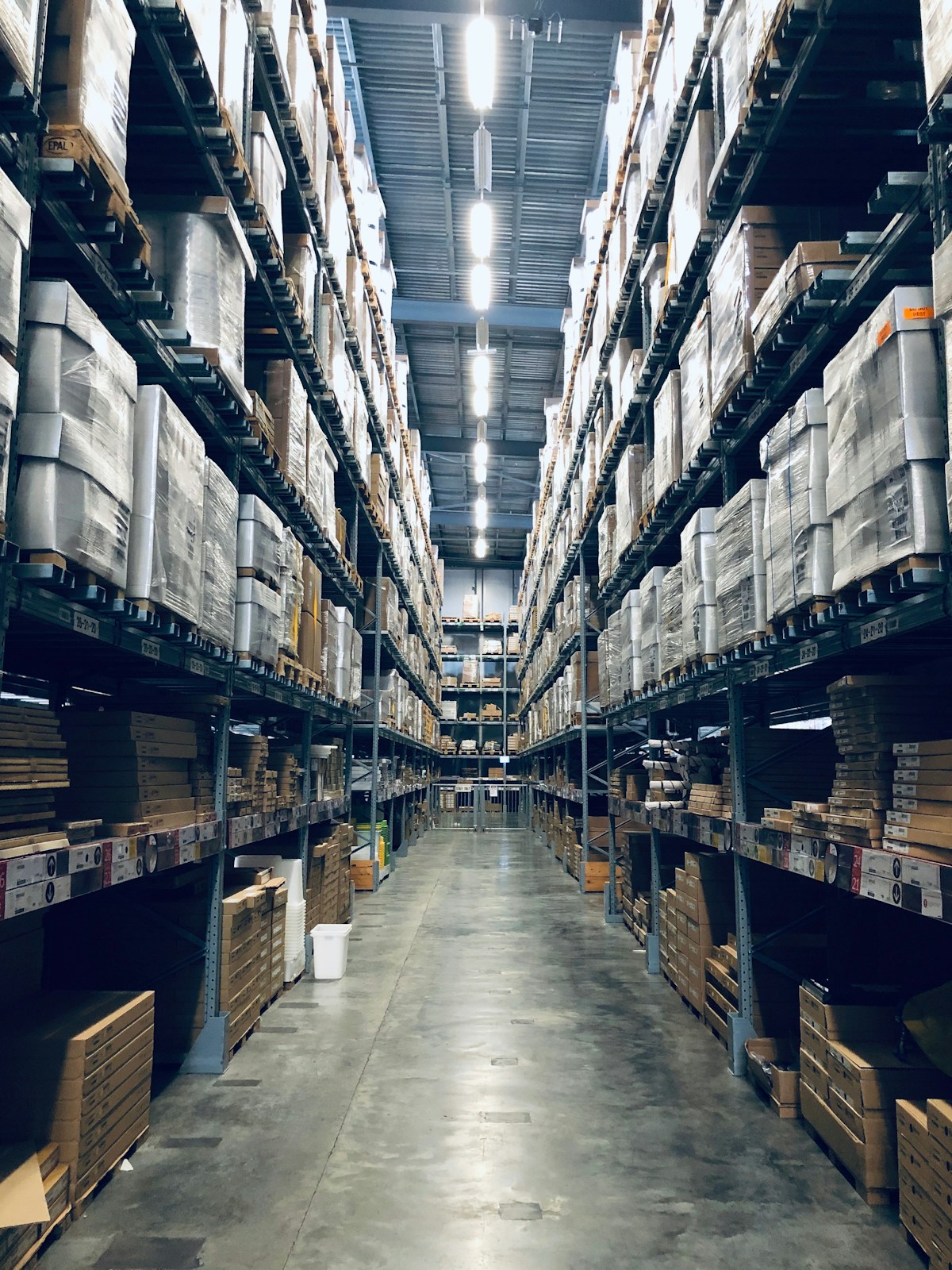
When a Taobao or 1688 seller ships to your warehouse address, the first 24 hours determine whether the parcel ends up correctly attributed to your account.
- Trigger: Domestic Chinese tracking shows "signed for" at the warehouse address.
- Warehouse SLA: Most established forwarders check parcels in within 24 hours. Smaller operations can take 48–72 hours during peak periods (618, Singles' Day, Spring Festival recovery).
- Buyer-side check: Confirm the warehouse logged your parcel with the right user code. Mis-attribution is the most common reason early-stage parcels go missing. If you do not see the parcel in your dashboard within 48 hours of domestic delivery, open a ticket with the inbound tracking number, the seller's shop name, and the SKU.
For more on what happens immediately after delivery, see what happens after your parcel arrives.
Stage 2: Inspection and Photo Documentation
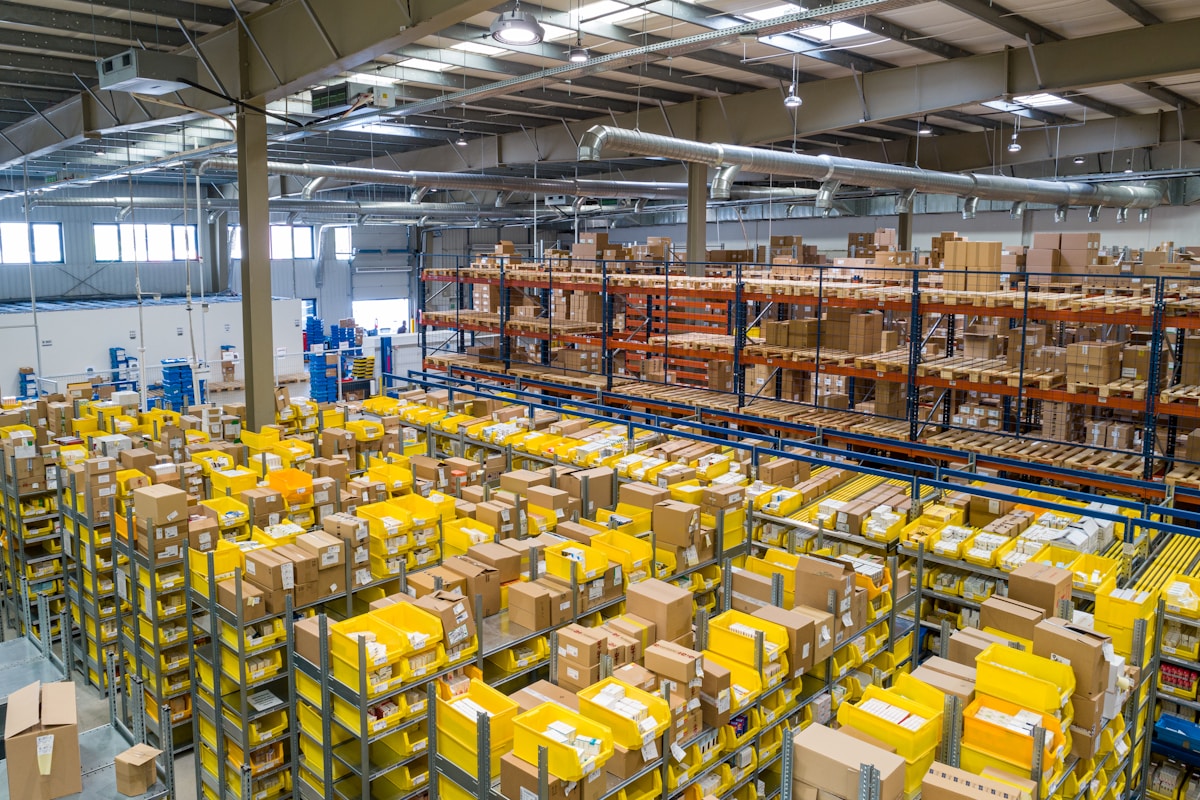
Every reputable Chinese consolidation warehouse opens parcels on arrival. The inspection step has two purposes: verify the seller actually shipped what you ordered, and create a photo trail you can use for refund claims, customs declaration, and damage disputes later.
What a standard inspection covers:
- SKU and quantity match. Compare items in the box against your order list.
- Condition check. Visible damage, missing accessories, broken seals, water marks.
- Battery and liquid declaration. Items containing lithium batteries, perfumes, magnets, or aerosols are flagged because not every courier accepts them.
- Counterfeit indicators. Suspicious branding on items that should be genuine - most warehouses will not refuse a parcel for this, but they will note it.
- Photo set. Top-down photo, side photo, and close-up of any model number, label, or damage.
For categories where small differences matter - clothing, shoes, electronics - request size and color photos at this stage. Our guide on reading warehouse photos covers exactly what to look for.
Stage 3: Quality Issues and the Decision Tree

If inspection finds a problem, you have four choices. Each has different cost and timeline implications.
| Issue | Best Action | Typical Cost | Timeline |
|---|---|---|---|
| Wrong color or size | Return to seller, request reshipment | ¥6–¥15 domestic shipping | 5–10 days |
| Damaged in transit | Photo evidence, claim with seller | Refund request | 3–7 days |
| Missing accessory | Wait for seller reship, then consolidate | ¥0–¥10 | 3–7 days |
| Counterfeit suspected | Refuse, return, escalate to platform | Platform escrow | 7–14 days |
For wrong-color situations specifically, see how to handle a wrong-color shipment. For damaged outer boxes, this guide walks through the repack-vs-return decision.
Stage 4: Storage and the Free-Day Window
Once inspection passes, parcels enter the storage queue while you wait to combine them with other orders. The free-storage window is one of the most negotiable parts of the workflow:
- Most forwarders offer 30–60 free storage days per parcel.
- Storage fees after the free window typically run ¥0.5–¥2 per kilogram per day.
- Stacking parcels for bulk consolidation can save 35–50% on per-parcel international shipping, especially when DHL or UPS billing rounds up to the next kilogram.
The timing trade-off: longer storage means lower per-item shipping, but it also means more risk that an item becomes restricted or that the seller's return window closes. Most experienced buyers consolidate in 14–21 day windows. For the math behind this, see our volumetric weight explainer.
Stage 5: Repack and Volume Optimization
When you submit a consolidation request, the warehouse repacks all your inspected items into one outbound carton. This step has three goals:
- Reduce volumetric weight. Original seller boxes are oversized for what is inside. A skilled repack can shave 30–40% off billable weight.
- Protect fragile items. Bubble wrap, foam corners, and "fragile" labeling for high-risk SKUs.
- Manage declaration. Items that need separate customs treatment (batteries, liquids) are sometimes split out into a second parcel.
Repack typically costs ¥10–¥30 per parcel, plus material fees. For when this saves money versus when it adds risk, see the full repack analysis.
Stage 6: Final Approval and International Dispatch
Before the warehouse hands the parcel to DHL, EMS, UPS, or postal services, you get one final review window - usually 24 to 72 hours. At this point you confirm:
- Outbound carrier and service level (DDP, DDU, postal, express)
- Insurance choice for high-value items
- Customs declaration values and HS codes
- Final outbound weight and volumetric weight
- Address, phone number, and any tax IDs your destination country requires (VAT in EU, GST in AU, IOSS for low-value EU parcels)
This is your last chance to catch problems. Once the parcel ships, changes cost shipping recall fees of ¥150 or more. For carrier choice and DDP versus standard postal trade-offs, see our DDP comparison.
Common Failures and How They Compound
Most warehouse-stage failures fall into a small set of patterns:
- Inspection skipped or rushed. Wrong items ship internationally and the buyer absorbs the cost of a return that should have been caught.
- Photos not detailed enough. Refund disputes fail because there is no proof of damage.
- Storage period exceeded. Storage fees quietly accumulate while the buyer waits for one more order.
- Repack done blindly. Fragile items end up in soft mailers because the warehouse defaulted to the cheapest packaging.
- Customs declaration auto-filled. The warehouse uses a generic value or category, which then triggers customs scrutiny in the destination country.
The single highest-leverage habit: check the inspection photo set within 24 hours of arrival, and set the customs declaration manually before approving dispatch.
FAQ
Can I request the warehouse to weigh and measure each item separately?
Most established forwarders provide weight and dimensions on request, sometimes for a small fee (¥3–¥5 per item). This is worth doing before consolidation if you are deciding which items to combine versus ship separately, because volumetric weight thresholds shift the math significantly.
What if the seller refuses to take a returned item?
If you have warehouse photos showing the issue and the seller stonewalls, escalate within the platform's window - Taobao gives 7 days from confirmation, JD.com gives 7 days from delivery. The warehouse photo set is your evidence. If the platform escrow is closed, your last lever is to refuse to confirm receipt and let the platform auto-refund.
Are warehouse staff allowed to refuse my parcel for legal reasons?
Yes. Items that are restricted under Chinese export rules - certain knives, controlled chemicals, items requiring an export license - get refused at inspection. Items that are restricted by your destination country (some food, plant material, used cosmetics) are usually flagged with you so you can choose whether to discard, return, or attempt shipping under a different route.
Source: Statista - Cross-border e-commerce market data for sector-wide volumes.
Reference: SGS - Quality inspection service overview for industry inspection benchmarks.
Carrier capability: DHL Dangerous Goods guidance for battery and liquid restrictions affecting outbound from China.