How to Read Warehouse Photos Before Approving International Shipping From China
 khz
khz
By Nicholas | CNCartGo Editorial Team
This guide is written for international buyers using Chinese marketplaces, buying agents, or parcel forwarding warehouses. It focuses on practical order evidence, warehouse checks, customs clarity, route eligibility, and shipping approval decisions before a parcel leaves China.

Short answer
Read warehouse photos like a checklist: item identity, quantity, variant, accessories, visible damage, packaging condition, and route-sensitive details. A beautiful photo is not enough. The photo must answer whether the parcel is ready for international shipping or needs one more seller, warehouse, or route decision.
Use this checkpoint as a practical record, not as paperwork for its own sake. Save the listing URL, selected variant, seller answer, tracking number, warehouse photo, packing request, and final route decision in one place.
This helps another person review the order later and keeps the story consistent if the carrier, warehouse, or customs team asks for evidence after the parcel has already moved.
Start with identity
Compare the warehouse photo with the marketplace listing and seller confirmation. Check model number, color, size, shape, plug type, logo, label, and selected variant. If the product has several similar versions, ask for a close-up label before approving export. Wrong variants are easier to fix before the parcel leaves China.
Use this checkpoint as a practical record, not as paperwork for its own sake. Save the listing URL, selected variant, seller answer, tracking number, warehouse photo, packing request, and final route decision in one place.
This helps another person review the order later and keeps the story consistent if the carrier, warehouse, or customs team asks for evidence after the parcel has already moved.

Check quantity and accessories
Count visible units and accessories. For electronics, check charger, cable, adapter, remote, manual, or mounting kit. For clothing, check size tag and quantity. For home goods, check whether sets are complete. If one small accessory is missing, international shipping will make the fix slower and more expensive.
Use this checkpoint as a practical record, not as paperwork for its own sake. Save the listing URL, selected variant, seller answer, tracking number, warehouse photo, packing request, and final route decision in one place.
This helps another person review the order later and keeps the story consistent if the carrier, warehouse, or customs team asks for evidence after the parcel has already moved.
For the related workflow, compare this with our CNCartGo reference guide so the buying decision, warehouse check, and shipping route stay aligned.
Look for damage signals
Do not ignore crushed cartons, torn boxes, wet marks, broken seals, bent corners, or loose parts. Ask the warehouse whether damage is only on the outer domestic carton or on the retail box/product. For fragile or high-value goods, request protective repacking before export.
Use this checkpoint as a practical record, not as paperwork for its own sake. Save the listing URL, selected variant, seller answer, tracking number, warehouse photo, packing request, and final route decision in one place.
This helps another person review the order later and keeps the story consistent if the carrier, warehouse, or customs team asks for evidence after the parcel has already moved.
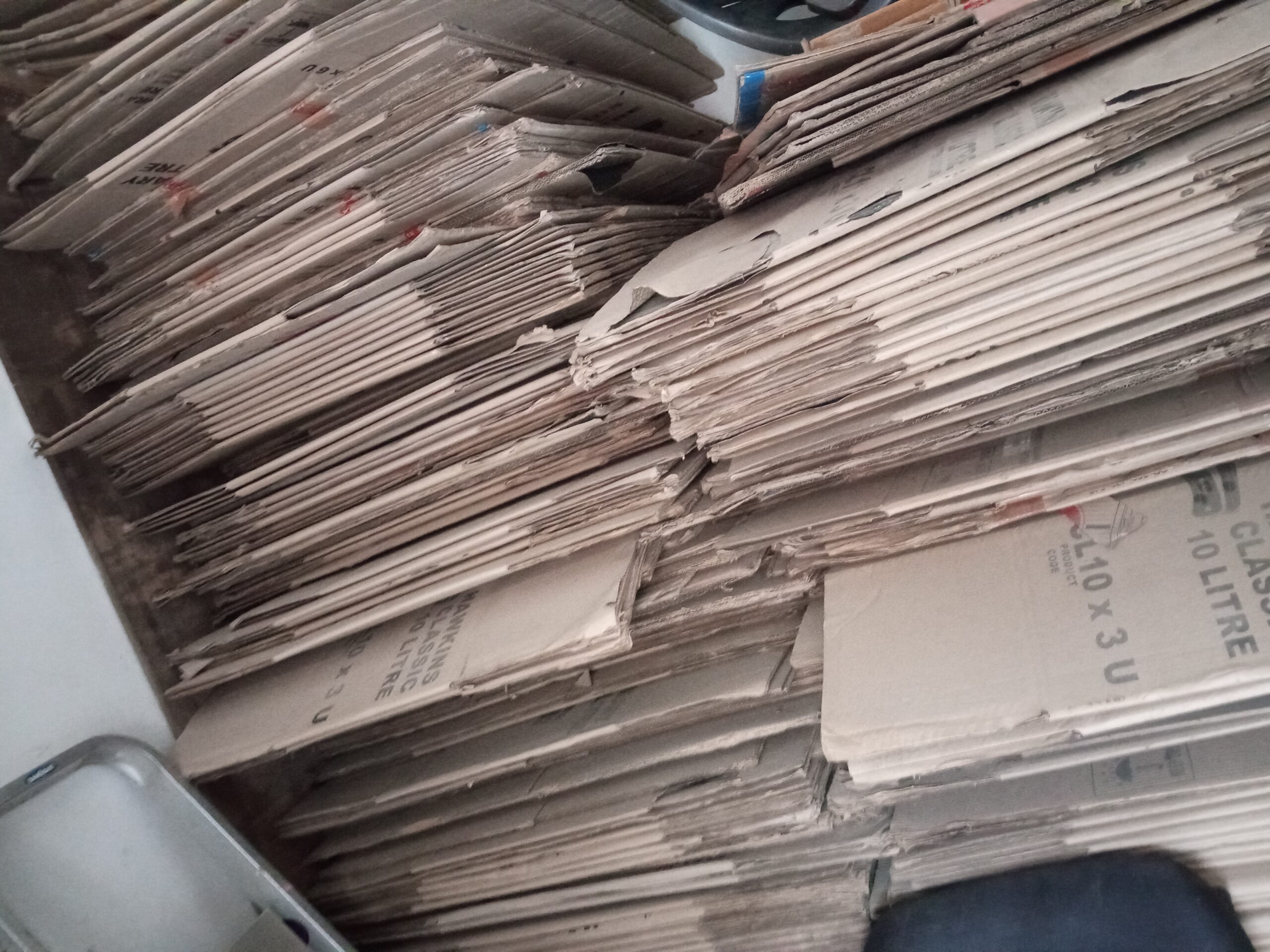
Review packaging choices
Photos should help decide whether to keep the original box, remove retail packaging, consolidate with other items, or ship separately. Removing boxes saves volume for durable items, but it can hurt protection, product identification, or resale presentation for electronics, collectibles, shoes, and gifts.
Use this checkpoint as a practical record, not as paperwork for its own sake. Save the listing URL, selected variant, seller answer, tracking number, warehouse photo, packing request, and final route decision in one place.
This helps another person review the order later and keeps the story consistent if the carrier, warehouse, or customs team asks for evidence after the parcel has already moved.
For the related workflow, compare this with our CNCartGo reference guide so the buying decision, warehouse check, and shipping route stay aligned.
Spot route-sensitive clues
Battery labels, liquid bottles, sprays, magnets, sharp parts, branded packaging, and oversized dimensions all affect route choices. If a route-sensitive clue appears in the photo, ask for route confirmation before combining the item with ordinary goods.
Use this checkpoint as a practical record, not as paperwork for its own sake. Save the listing URL, selected variant, seller answer, tracking number, warehouse photo, packing request, and final route decision in one place.
This helps another person review the order later and keeps the story consistent if the carrier, warehouse, or customs team asks for evidence after the parcel has already moved.
Final recommendation
Approve shipping only when photos connect to the order record and answer the practical questions. If the photo set is unclear, ask for a close-up rather than guessing. The best warehouse photo workflow prevents mistakes while correction is still possible inside China.
Use this checkpoint as a practical record, not as paperwork for its own sake. Save the listing URL, selected variant, seller answer, tracking number, warehouse photo, packing request, and final route decision in one place.
This helps another person review the order later and keeps the story consistent if the carrier, warehouse, or customs team asks for evidence after the parcel has already moved.
Quick checklist before approval
- Product URL, selected option, and seller answer saved
- Domestic tracking numbers matched to warehouse intake
- Photos checked for model, quantity, accessories, and visible damage
- Route eligibility confirmed before consolidation
- Declaration wording and value match the order evidence
Useful next step: CNCartGo reference #1.
Useful next step: CNCartGo reference #2.
Useful next step: CNCartGo reference #3.
About the author: This article was prepared by the CNCartGo editorial team from recurring cross-border order checks involving Chinese marketplace listings, warehouse intake photos, parcel consolidation decisions, and international shipping approval workflows.