Short answer
Dutch import problems are nearly always paperwork problems: the declared description or value disagrees with the order and the invoice, or the parcel is packed differently from the way it was described. Close those two gaps before export and delivery inside the Netherlands becomes routine. CNCartGo buys, receives and photographs the goods on a 6–15% service fee, repacks and consolidates them, and quotes freight separately after weighing.
What a Dutch import file has to contain
Build one folder per order before you approve export. It should hold the product URL, the variant you actually selected, any seller promise made in chat, the domestic tracking number that carried the goods to Guangzhou, the warehouse intake photo, and the packing request you approved. When a Dutch assessment question comes up later, this folder answers it in seconds: what was bought, what it cost, what arrived, and how it was sent.
Keep the amounts consistent. If the listing says one price and the seller invoice says another, write down the difference and why it exists - a discount, a shipping charge, an extra accessory. A single unexplained gap is what turns a routine parcel into a stalled one.
PostNL and the last leg inside the Netherlands
Most parcels bound for the Netherlands finish their journey with a domestic carrier such as PostNL, and that final handoff has its own rules. A street address with the full postcode is what makes home delivery work; a pickup point is often faster when nobody is home during the day. Decide which one you want before the parcel leaves China, because redirecting a parcel after it has entered the delivery network is slower and sometimes chargeable.
Dutch addresses are short, so give the warehouse the complete line - street, house number, postcode and city - in one go. Incomplete recipient details are the single most common reason a small parcel bounces back through the network.
Declaration wording that survives a second read
Describe the item the way the listing describes it. "Cotton hoodie, size L, black" is useful. "Gift", "sample" or "accessories" is not: those words create a question where none existed. Use the same nouns in the declaration, the packing list and the photo captions so a reviewer never has to reconcile three different names for one object.
Values should reflect what you genuinely paid, including any part of the price that came as a separate seller charge. If you are unsure how a specific category is treated on entry, treat the current page and the destination country's own guidance as the authority rather than a blog post or a forum comment.
Using the free storage window as a planning tool
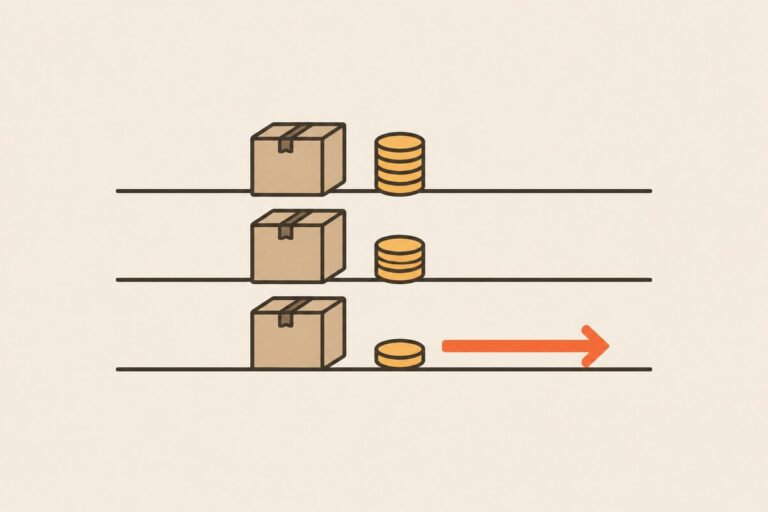
Goods sit in the Guangzhou warehouse free for 100 days. After that the charge is ¥0.1 per parcel per day, and storage stops at 180 days. That window is not a deadline to ignore; it is the time you have to pull several sellers into one shipment, fix a wrong variant, or wait for a replacement part before paying for international freight.
Parcels that arrive weeks apart can still leave together. Consolidating them usually lowers the per-kilo cost and reduces the number of separate import events, which in turn means fewer separate administration questions.
What the service fee covers, and what it does not
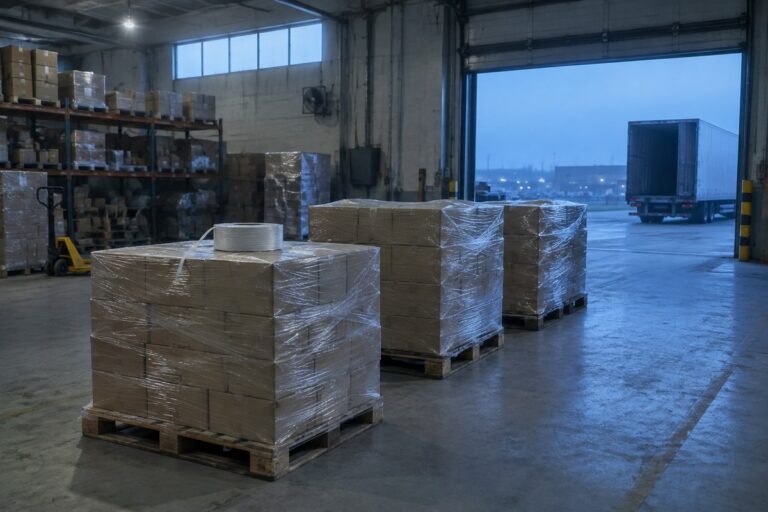
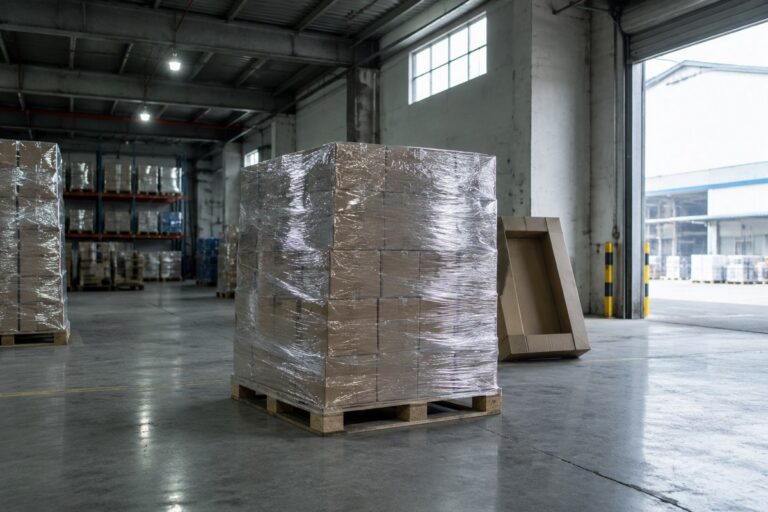
The CNCartGo service fee is 6–15% of the order handled, and it covers the buying and China-side handling work: paying the seller, receiving the goods, photographic intake, repacking and consolidation, and preparing the export handoff. International freight is quoted separately and adjusted up or down once the packed parcel is weighed, because a box's chargeable weight is rarely known until it is closed.
Payment on the site is limited to Stripe, bank card and Wallet Balance. There is no PayPal checkout on CNCartGo, so plan your funding route accordingly. Get a live figure for your own parcel from the quote entry rather than estimating from an older number.
Two decisions behind every Dutch file
Settle who pays the import charges at delivery - the difference between DDP and DDU - before the parcel moves, and confirm that every seller is shipping to the one China warehouse address used for Taobao, JD, 1688 and Xianyu orders.
Checks to run before you approve the Netherlands shipment
- Listing, variant, seller chat and payment record saved in one folder
- Domestic tracking number matched against the warehouse intake record
- Intake photos reviewed for model, size, colour, quantity and visible damage
- Packing request confirmed, including box protection for fragile items
- Declaration description and value copied from the same listing wording
- Recipient line complete with street, house number, postcode and city
- Service level chosen deliberately: 5–10, 10–25 or 20–35 business days
- Freight quote read after packing, not before
About the author: This guide was put together by the CNCartGo editorial team from Netherlands-bound orders where declaration wording, intake photos and packed weight were checked side by side.
Last reviewed: September 2026. Dutch import charges, carrier coverage and delivery options change from time to time; confirm the current terms on the relevant official pages before you ship.
Related guides
These pages take the Netherlands workflow one step further.
- Shipping From China to Spain in 2026: VAT, Customs, and Parcel Forwarding Checklist
- Shipping From China to Italy in 2026: Customs, VAT, and Parcel Forwarding Checklist
- How to Avoid Customs Declaration Mistakes When Shipping From China
- Shipping From China to Poland in 2026: VAT Evidence, InPost Handoff, and Parcel Forwarding Checks
- How to Ship From China to Germany in 2026: VAT, Customs, and Parcel Forwarding Without Costly Delays