How to Reduce Shipping Costs From China in 2026: The Complete Buyer's Playbook
 khz
khz
Shipping costs from China can eat into your savings fast - especially if you're ordering from multiple sellers across Taobao, 1688, and Weidian. The good news: with the right approach, most international buyers can cut their per-kilogram shipping cost by 30–50%. This guide covers every practical method available in 2026.
Why Shipping From China Costs More Than You Expect
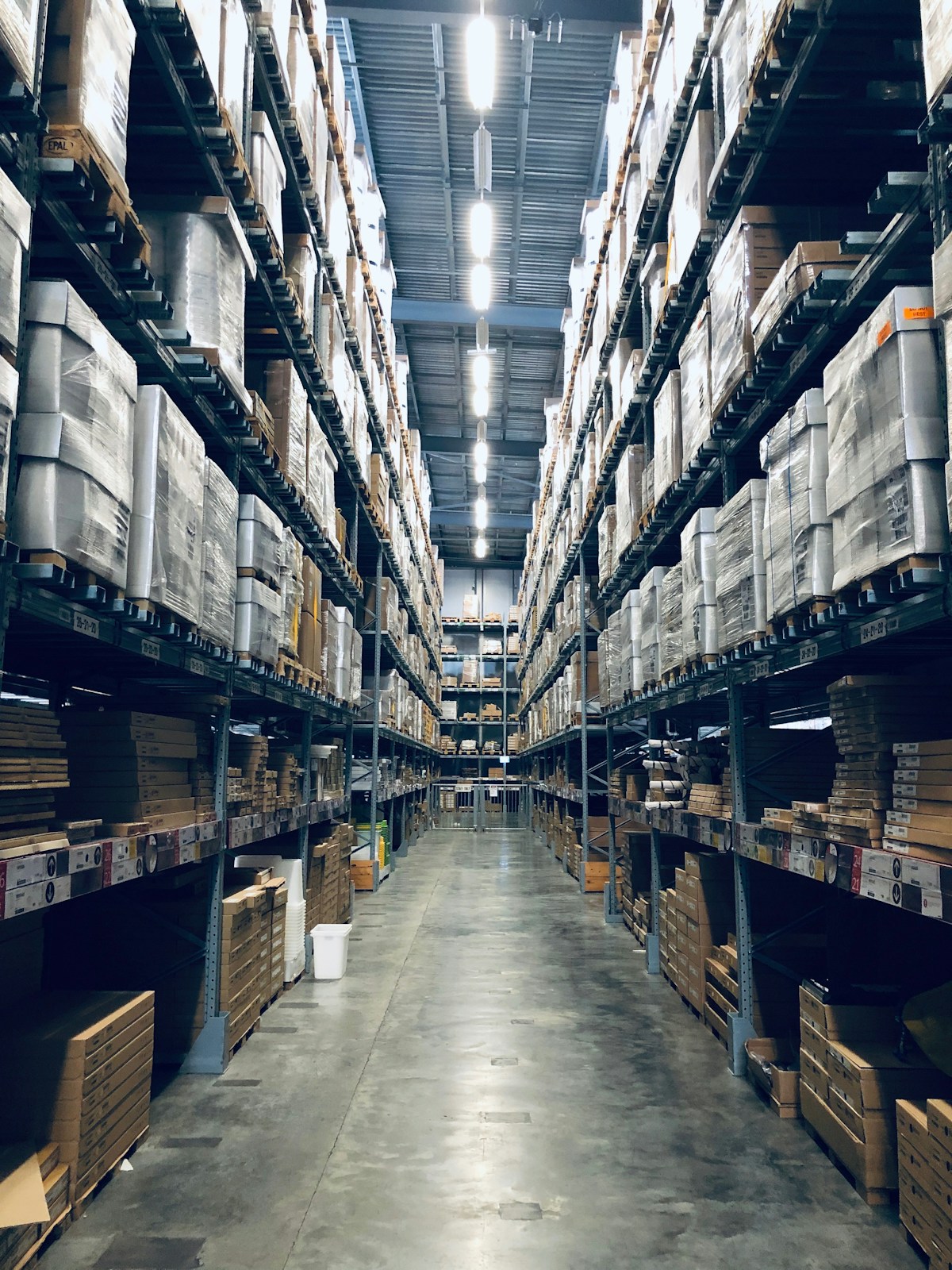
Most first-time buyers focus on product prices and forget that international shipping from China involves multiple cost layers:
- Domestic shipping - seller to your China warehouse (usually ¥5–15 per order)
- Warehouse handling - receiving, inspection, storage, repacking
- International freight - the biggest cost, based on actual or volumetric weight
- Customs duties and taxes - varies by destination country
- Last-mile delivery - from your country's port/hub to your door
Understanding each layer helps you identify where savings are possible. The international freight portion typically accounts for 60–80% of total shipping cost, so that's where optimization matters most.
Strategy 1: Consolidate Parcels Before Shipping
Parcel consolidation is the single most effective way to reduce per-item shipping costs. Instead of shipping each order separately, you collect multiple purchases at a China warehouse and combine them into one international parcel.
How much you save: Shipping 5 separate 500g parcels might cost ¥150–200 each (¥750–1000 total). Consolidating into one 2.5kg parcel typically costs ¥350–500 - a 40–55% reduction.
Key consolidation tips:
- Wait until you have 3–5 orders before shipping (most warehouses offer 30–90 days free storage)
- Ask the warehouse to remove original packaging - this reduces volume significantly
- Request repacking into a single box with proper padding
- You can combine orders from Taobao, 1688, Xianyu, and JD.com into one shipment
Strategy 2: Understand Volumetric Weight
Shipping companies charge based on whichever is higher: actual weight or volumetric weight. The volumetric formula is:
Volumetric weight (kg) = Length × Width × Height (cm) ÷ 5000
This means bulky but light items (pillows, clothing, bags) often cost more than their actual weight suggests. To optimize:
- Ask your warehouse to vacuum-pack clothing and soft goods
- Remove shoe boxes (saves 30–40% volume per pair)
- Request flat-packing where possible
- Combine dense items (electronics, metal parts) with light items to balance the ratio
A practical example: 3 hoodies in original packaging might measure 40×35×30cm (volumetric: 8.4kg). Vacuum-packed, the same items compress to 40×30×10cm (volumetric: 2.4kg). At ¥80/kg for air freight, that's a ¥480 difference.
Strategy 3: Choose the Right Shipping Line

Most parcel forwarding services offer multiple shipping lines with different speed/cost tradeoffs. Here's a general comparison for a 3kg parcel to the US:
| Line Type | Transit Time | Approx. Cost (3kg) | Best For |
|---|---|---|---|
| Economy sea | 25–45 days | ¥120–180 | Non-urgent, heavy items |
| Standard air | 10–18 days | ¥200–300 | Most orders |
| Express (DHL/FedEx) | 5–8 days | ¥400–600 | Urgent, high-value |
| Special line (mixed) | 12–20 days | ¥160–240 | Balance of speed/cost |
For detailed cost estimation methods, see our shipping cost estimation guide.
Strategy 4: Time Your Orders Strategically
Shipping costs from China fluctuate based on demand cycles:
- Peak season (Oct–Dec): Prices increase 15–30% due to holiday demand. Book early or ship before October.
- Post-Chinese New Year (Feb–Mar): Warehouses clear backlogs; some offer discounts to move volume.
- Mid-year (Apr–Jun): Generally the best rates and fastest processing times.
- 618 and 11.11 sales: Great product prices, but warehouse congestion adds 3–7 days to processing.
If you're not in a rush, placing orders during mid-year sales and shipping before peak season gives you the best combination of product discounts and reasonable freight rates.
Strategy 5: Optimize Customs Declarations
Proper customs declarations don't just keep you legal - they prevent costly delays and re-inspections. Key practices:
- Declare accurate values (under-declaring risks seizure and fines)
- Use specific item descriptions rather than generic "goods from China"
- Know your country's duty-free threshold (e.g., US: $800, EU: €150, AU: AUD 1000)
- Keep orders under the threshold when practical - splitting into two shipments can legally avoid duties
Strategy 6: Reduce Packaging Weight
Every gram counts when you're paying ¥60–120 per kilogram. Request these from your warehouse:
- Remove all original retail boxes (especially shoe boxes, electronics boxes)
- Strip unnecessary inner packaging and promotional materials
- Use lightweight outer cartons or poly mailers instead of heavy corrugated boxes
- Skip bubble wrap for non-fragile items - paper padding weighs less
Typical savings: 200–500g per consolidated parcel, which translates to ¥15–60 depending on your shipping line.
Strategy 7: Use a Buying Agent With Competitive Rates
Not all buying agents and forwarding services charge the same rates. Compare:
- Per-kg rates for your destination country
- Handling fees (some charge per parcel received, others per consolidated shipment)
- Free storage duration (30 vs 60 vs 90 days affects your consolidation flexibility)
- Repacking fees vs. included services
- Whether insurance is included or optional
Real Cost Comparison: Optimized vs. Unoptimized
Let's compare two buyers ordering the same 5 items (total actual weight: 4kg) from Taobao to the UK:
| Approach | Parcels | Total Shipping | Per-Item Cost |
|---|---|---|---|
| Ship each separately (express) | 5 | ¥1,250 | ¥250 |
| Consolidate + standard air | 1 | ¥380 | ¥76 |
| Consolidate + repack + economy | 1 | ¥220 | ¥44 |
The optimized approach saves over ¥1,000 (approximately $140 USD) on a single shipment.
FAQ
What's the cheapest way to ship from China to the US in 2026?
Economy sea freight with parcel consolidation. For a 5kg parcel, expect ¥200–300 total with 25–45 day delivery. Standard air (10–18 days) costs ¥350–500 for the same weight.
Does removing shoe boxes really save money?
Yes. A typical shoe box adds 300–400g and 3,000–5,000 cubic cm of volume. For 3 pairs of shoes, removing boxes can save ¥80–150 on air freight.
How long can I store parcels before consolidating?
Most forwarding warehouses offer 30–90 days of free storage. After that, daily fees apply (typically ¥1–3 per parcel per day). Plan your consolidation within the free window.
Is it worth using sea freight for small orders?
Generally not for parcels under 2kg - the minimum charge often equals the cost of standard air. Sea freight becomes cost-effective at 5kg+ where the per-kg rate advantage compounds.
Can I mix items from different Chinese platforms in one shipment?
Yes. As long as all items arrive at the same warehouse address, you can combine orders from Taobao, 1688, JD.com, Xianyu, and Weidian into one international parcel.