Short answer
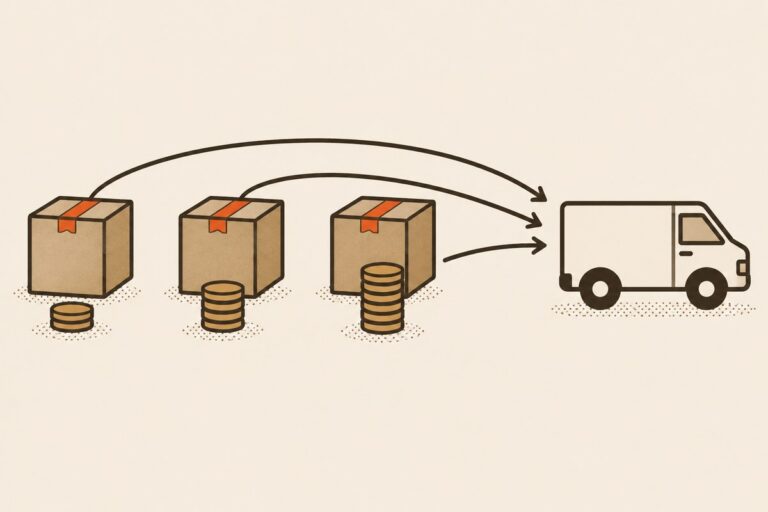
Insure where the value or replacement difficulty makes a total loss painful, and treat the policy as a backup for evidence rather than a substitute for it. Claims turn on order records, warehouse photos, declared value, packing notes and carrier tracking, so assemble that file before the parcel moves. Goods can sit in our Guangzhou warehouse for 100 days free while you decide.
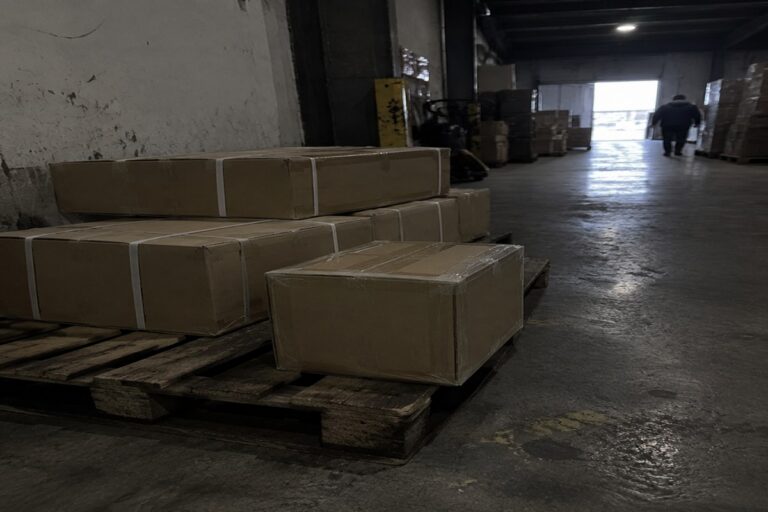
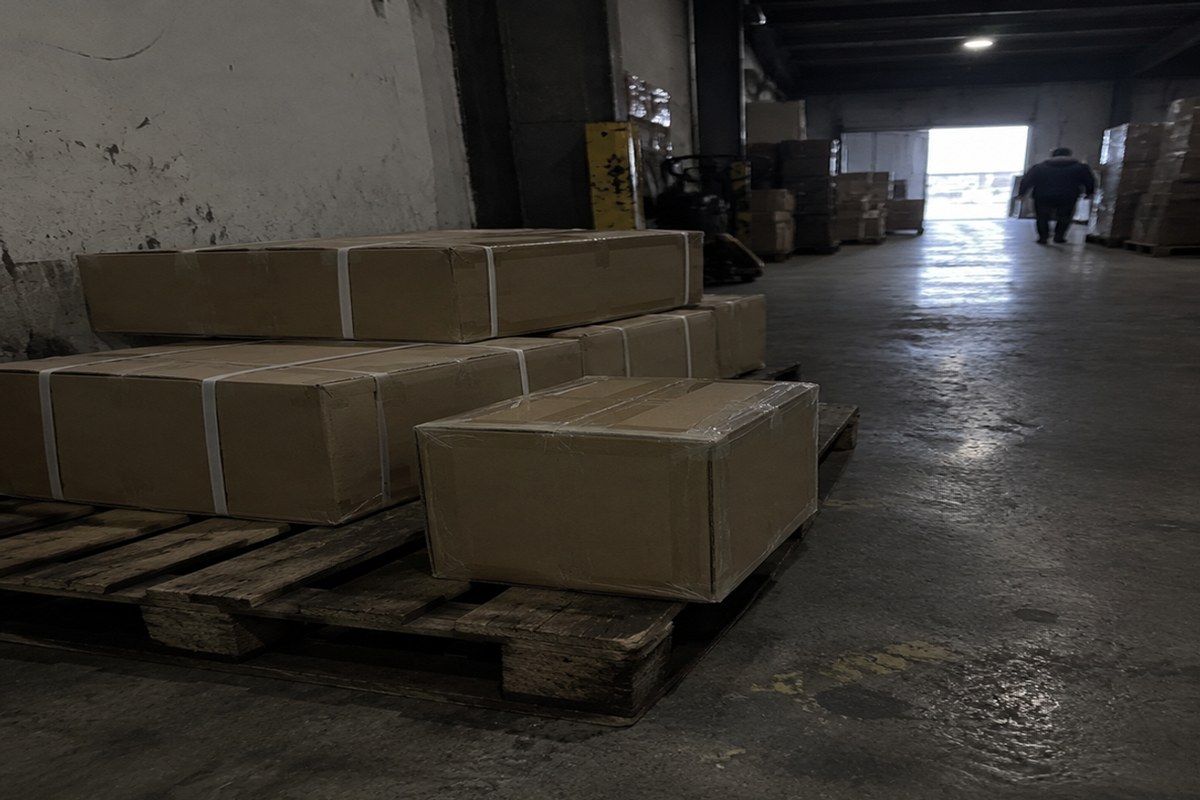
Insurance claims are decided on documents, so build the file while the parcel is still on our Guangzhou shelf. Keep the order total and payment proof, the seller's description of the item's condition, the intake photos of the unit and of its inner packing, the declared value, the route you chose and the exact wording of the cover you accepted - all in one folder that any colleague can read.
If a screen arrives cracked or a box arrives with the wrong unit inside, that folder is what lets our team match the damaged item to the insured value and to the packing standard that was promised, rather than reopening the case from scattered screenshots weeks after dispatch.
When insurance is worth considering
Consider insurance for electronics, cameras, watches, collectible items, branded goods, professional tools, high-value fashion, and any order that would be expensive or difficult to replace. Also consider it when the parcel route involves multiple handoffs or when the product is fragile.
When insurance does not fix the real problem
Insurance does not solve wrong model, missing accessories, weak packing, incompatible routes, unclear declarations, or seller fraud. If the warehouse photo already shows a problem, do not rely on insurance. Fix the problem before export.
For the related workflow, high-value electronics frequently come from JD.com, where seller type and invoice details decide what proof you will hold for a claim, as set out in our guide to buying from JD.com as an international shopper.
Evidence to save before shipping
Save the listing, order total, payment proof, seller chat, warehouse photos, packing request, declared value, route name, and insurance terms. Ask what is excluded. Some services exclude fragile damage, used goods, batteries, luxury brands, poor packing, or missing proof.
Packing and route still matter
High-value goods should have close-up photos and protective packing. Sometimes the best risk control is shipping separately, keeping the original box, choosing a tracked route, or avoiding consolidation with heavy items. Insurance works best when the underlying shipment is already well prepared.
Insuring a consolidated parcel is simpler when every seller ships to one address, so read the one-warehouse-address setup for Taobao, JD.com, 1688 and Xianyu before splitting a high-value order across several shops.
Final recommendation
Use insurance as the last layer, not the first. If the item is valuable, first verify product identity, condition, accessories, route eligibility, declaration, and packing. Then decide whether insurance is worth the added cost.
Quick checklist before approval
- Order total, payment proof and declared value filed together for a claim
- Cover read for exclusions such as fragile damage, used goods or loose batteries
- Intake photos record the model label, unit condition and inner packing
- Route handover count weighed against what the policy actually protects
- Insured value, declaration value and price paid all match
About the author: Prepared by the CNCartGo editorial team, which writes about China warehouse handling, route selection and claims paperwork for overseas buyers. Packing standards, declared values and route guidance in this guide follow our current shipping operations.
Final Shipping Checklist Before Approving Dispatch
Before you approve dispatch, reconcile the three figures a carrier and an insurer both look at: the declared value on the invoice, the value you actually insured, and the amount you paid. Then read the intake photos again - padding that only wraps the outer carton, a missing inner tray, or loose batteries travelling in the same box are the usual reasons a claim is reduced or refused. If the route itself is still open, start with our guide on DDP versus standard postal shipping and compare it with the timetable you promised the buyer.
Consolidation also changes what can be insured. A parcel drawn from several sellers carries one declared value and one set of packing decisions, so confirm that every unit has arrived and been photographed before you approve the combined shipment. An item found after that approval can only travel as a separate parcel at full freight cost, and it will not sit under the terms of the original shipment at all.
Last reviewed: September 5, 2026. Coverage limits, claim procedures and premium rates move often; check the live pages for what applies now.
Related guides
Insurance is a judgement call on costly orders, and the articles below describe the choices buyers face now.
- Shipping Electronics With Batteries From China: What Small Buyers Must Check First
- How to Read Warehouse Photos Before Approving International Shipping From China
- Shipping Fragile Items From China: Ceramic, Glass, and Collectible Packing Checklist
- Before You Ship Branded Goods From China: A Risk Checklist for International Buyers
- A Real-World Taobao Sneaker Order Review: What We Checked Before Shipping a Limited-Release Pair Overseas