My First Parcel Forwarding Experience: What Surprised Me Most About Consolidating Orders from China
 Nicholas Chen
By Nicholas | CNCartGo Editorial Team
Before I used a parcel consolidation service for the first time, I assumed it would work like a regular postal service: you receive a Chinese address, suppliers ship there, and the warehouse forwards everything to you in one box. That description is technically correct, but it leaves out almost everything that actually matters.
This is the story of my first consolidation order - three separate purchases from three different Chinese platforms that arrived at a Guangzhou warehouse on different days, were combined into one shipment, and ended up at my door in Europe. The process taught me a few things that the platform guides do not fully prepare you for.
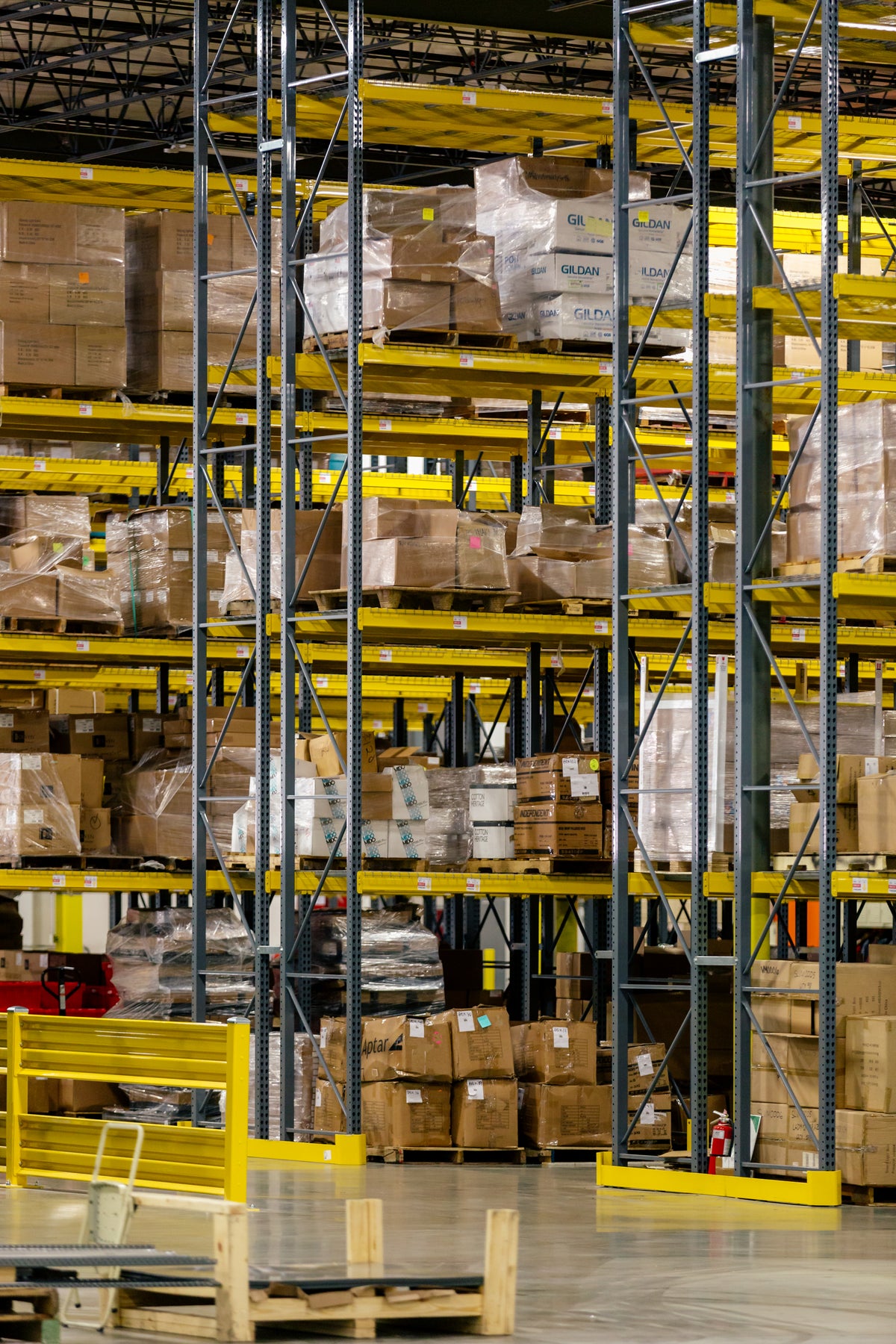
Why I Tried Parcel Forwarding in the First Place
I had been buying individual items from Taobao and having them shipped directly via the platform's international shipping option. It worked, but the cost was painful - ¥80–120 per parcel in shipping fees, even for items that weighed under 500g. When I calculated that I was spending more on shipping than on products over a three-month period, I started looking for alternatives.
Parcel forwarding (also called parcel consolidation or warehouse forwarding) solves this by giving you a domestic Chinese address. Sellers ship to that address as if you were a local buyer - which means faster domestic delivery, lower seller shipping costs, and the ability to combine orders from multiple platforms into one international shipment.
How the Orders Arrived
My three purchases were:
- A small electronics accessory from JD.com - arrived at the warehouse in 2 days.
- A set of household items from Taobao - arrived in 4 days.
- Stationery from a Pinduoduo seller - arrived in 5 days.
Each package was in a different condition. The JD.com parcel was professional: bubble wrap inside a branded box, no damage. The Taobao shipment came in a poly bag with no internal padding. The Pinduoduo package was wrapped in tape but the box corner was dented.
This variation in packaging quality is completely normal. Chinese domestic shipping is fast and cheap, but sellers optimize for cost, not international durability. A poly bag that survives a 2-day trip within Guangdong province will not survive a 14-day international journey through multiple handling stages.
What the Warehouse Did That I Did Not Expect
When all three packages arrived, the consolidation service sent me photos of each one along with a condition note. This was the first surprise - I had assumed items were simply repacked without inspection. In reality, the staff opened each package, checked for visible damage, and photographed the contents. The Pinduoduo stationery set had a cracked pen case, and the assistant flagged it before I paid for international shipping.
This inspection step matters more than I had realised - it is essentially what a formal warehouse inspection before shipping covers. If the cracked case had been shipped to me inside a consolidation parcel, I would have received it with no way to prove it was damaged before shipping. The photo documentation gave me clear evidence, and I chose to proceed without returning the damaged piece because it was a low-value item.
The warehouse also weighed and measured each parcel individually, then provided an estimate of what the consolidated shipment would weigh and cost. This transparency was unexpected - I had assumed I would only see the final bill after shipping.
The Packing Choices Surprised Me
I expected consolidation to mean everything crammed into one big box. Instead, the warehouse operator gave me options:
- Remove original packaging. They offered to discard the individual e-commerce packaging and repack everything into custom-sized cartons. This reduces weight significantly - in my case, removing three outer boxes and replacing them with one properly-sized carton saved about 800g of dead weight.
- Keep original boxes. If the items were gifts or needed retail-ready presentation, they could keep the original packaging and box around them. This costs more in volumetric weight but preserves the unboxing experience.
- Add extra padding. For fragile items, they suggested foam wrap at a small additional cost (¥5–15 depending on item size).
I chose to remove original packaging for all three items and use a single carton with bubble wrap for the electronics. This reduced the volume from three separate parcels (approximately 0.12 CBM total) to one compact carton of 0.06 CBM. The shipping cost dropped by about 40% compared to forwarding three separate parcels.
Choosing the Shipping Line
After consolidation, I needed to pick a shipping method. The warehouse offered several options ranging from express courier (fast but expensive) to sea freight (cheap but slow). For my 2.3kg consolidated parcel going to Europe, the options were:
- Express courier (DHL/FedEx): ¥280, delivery in 5–7 days
- Air freight line: ¥180, delivery in 10–14 days
- Tax-included DDP route: ¥210, delivery in 12–16 days, no customs fees on arrival
I chose the air freight line because the items were not urgent and I wanted to keep costs low. The shipping method comparison helped me understand the tradeoffs. In hindsight, the DDP option might have been worth the extra ¥30 to avoid dealing with customs paperwork - something I did not fully appreciate until a customs notice arrived asking me to provide an invoice.
Timing the Consolidation Window
The most useful thing I learned was about storage time. Most consolidation warehouses offer between 30 and 60 days of free storage. This means I can buy items gradually instead of needing all purchases to arrive on the same day. I waited five days for the Pinduoduo order, but I could have waited up to 30 days at no extra cost.
This makes consolidation practical for people who buy from multiple platforms over several weeks. You can place an order on Taobao today, find something on 1688 next week, and spot a deal on Xianyu the week after - all shipping to the same warehouse address, all combining into one international shipment when you are ready.
I ended up paying £32 in total for international shipping (air freight to Europe), which was less than what any single express courier would have charged for one parcel alone. The total transit time from warehouse to my door was 14 working days.
The Customs Surprise
Because I chose a DDU (duties unpaid) shipping line, I received a customs notification email 12 days after the warehouse dispatched my parcel. The local customs office wanted a commercial invoice showing what I bought and how much I paid. I had to dig through my Taobao and JD.com order history to compile this.
Lesson learned: save all order confirmations and payment receipts in one folder before you submit the consolidation request. If you choose a DDP shipping option, the forwarding service handles customs clearance for you and this step disappears entirely. The small premium for DDP is often worth it for the convenience alone.
My customs declaration matched my orders accurately because the warehouse had itemized everything during inspection. If I had used a service without proper inspection, the declaration might have been generic ("household goods, $50") which can trigger additional scrutiny or delays.
What I Would Do Differently
If I could repeat my first consolidation experience, I would:
- Choose DDP shipping. The customs paperwork hassle was not worth the ¥30 I saved. For small personal shipments, DDP eliminates an entire category of problems.
- Ask sellers for better internal packaging. The Taobao poly bag was inadequate. A message to the seller asking for "加固包装" (reinforced packaging) costs nothing and can prevent damage during domestic transit to the warehouse.
- Order the packing upgrade. The additional padding cost was ¥15 - negligible compared to the peace of mind and the cost of a damaged item.
- Use the full storage window. I rushed to consolidate after 5 days. I could have waited another week and added one more purchase to the shipment, further reducing the per-item shipping cost.
- Keep better records. Screenshots of every order, payment confirmation, and seller conversation should be saved before the consolidation request. You will need them if customs asks questions.
Actual Cost Breakdown: Three Parcels vs One Consolidated Shipment
Here is what the numbers looked like for my first consolidation order. I bought a phone case from Taobao (¥35), a set of kitchen utensils from 1688 (¥89), and a pair of sneakers from Weidian (¥220). Each item shipped to the Guangzhou warehouse for free using domestic logistics.
If I had shipped each item individually to Europe using the cheapest available international option, the total shipping cost would have been approximately ¥340 (about €43). By consolidating all three into one 2.8kg parcel and choosing a DDP postal route, I paid ¥152 total - a 55% saving on shipping alone.
The warehouse charged ¥15 for repacking (removing original boxes to reduce volume weight) and ¥5 for bubble wrap on the kitchen utensils. These small fees were worth it: the final volumetric weight dropped from 4.1kg to 2.8kg, which made a significant difference on the shipping quote.
What I Would Do Differently Next Time
First, I would ask sellers to skip the original retail packaging. Most Taobao and 1688 sellers will do this if you leave a note in the order remarks. Removing retail boxes at the warehouse costs extra and adds handling time.
Second, I would time my purchases better. My three orders arrived at the warehouse over a span of 9 days. The warehouse held the first parcel for free for 7 days, but after that, storage fees kicked in at ¥1 per day per parcel. Planning purchases closer together avoids this entirely.
Third, I would request shipping insurance for the sneakers. They arrived fine, but a ¥220 item with no insurance and no recourse after international dispatch is a risk I would not take again.
Finally, I learned that checking warehouse photos carefully before approving shipment is non-negotiable. One of my items had a minor cosmetic defect visible in the inspection photo. Because I caught it before consolidation, the warehouse helped me file a return with the seller - something that would have been impossible after the parcel left China.
My first consolidation experience was more involved than I expected but delivered real savings - about 55% less than shipping three parcels individually. The key was using the warehouse's inspection and repacking service. Without it, I would have paid more for shipping and probably received a damaged item without knowing who caused it.