What If Your Customs Declaration Does Not Match Your Taobao or 1688 Order?
 khz
khz
By Nicholas | CNCartGo Editorial Team
This guide is written for international buyers using Chinese marketplaces, buying agents, or parcel forwarding warehouses. It focuses on practical order evidence, warehouse checks, customs clarity, route eligibility, and shipping approval decisions before a parcel leaves China.
Short answer
If your customs declaration does not match your Taobao or 1688 order, fix it before the parcel leaves China. A mismatch between product description, value, quantity, warehouse photos, and payment evidence can create carrier review, customs questions, delays, or return risk.
Use this checkpoint as a practical record, not as paperwork for its own sake. Save the listing URL, selected variant, seller answer, tracking number, warehouse photo, packing request, and final route decision in one place.
This helps another person review the order later and keeps the story consistent if the carrier, warehouse, or customs team asks for evidence after the parcel has already moved.
Common mismatch examples
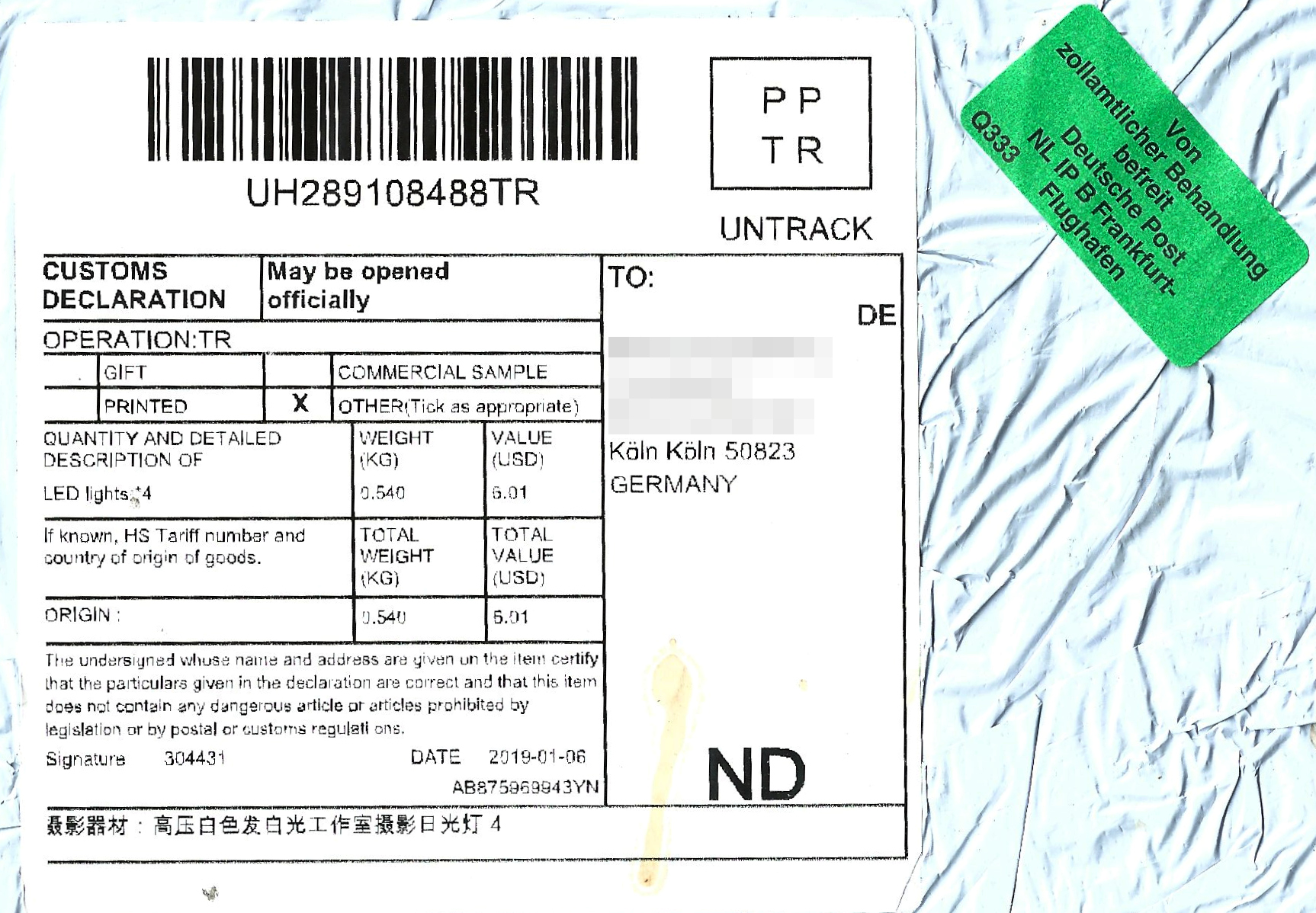
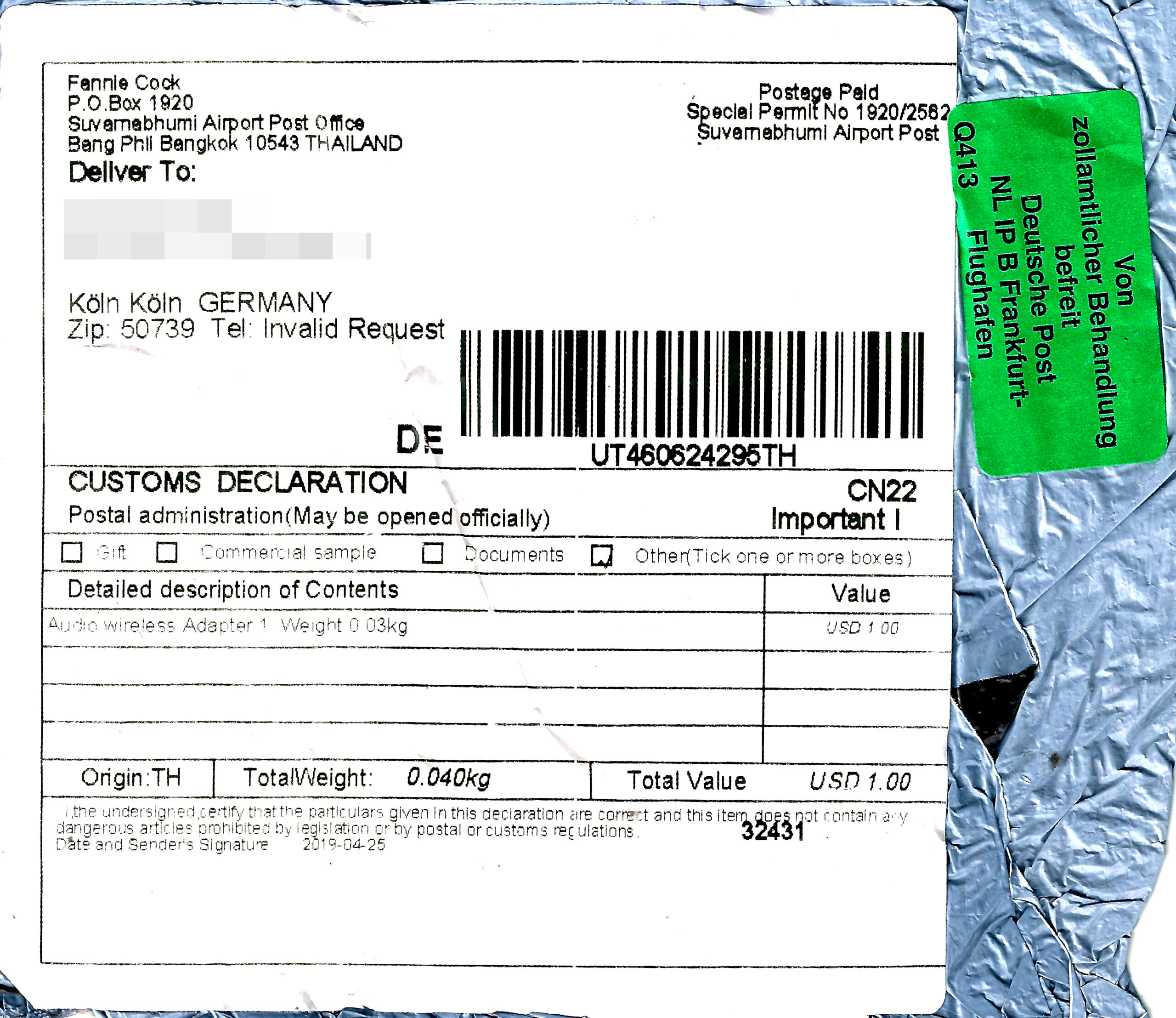
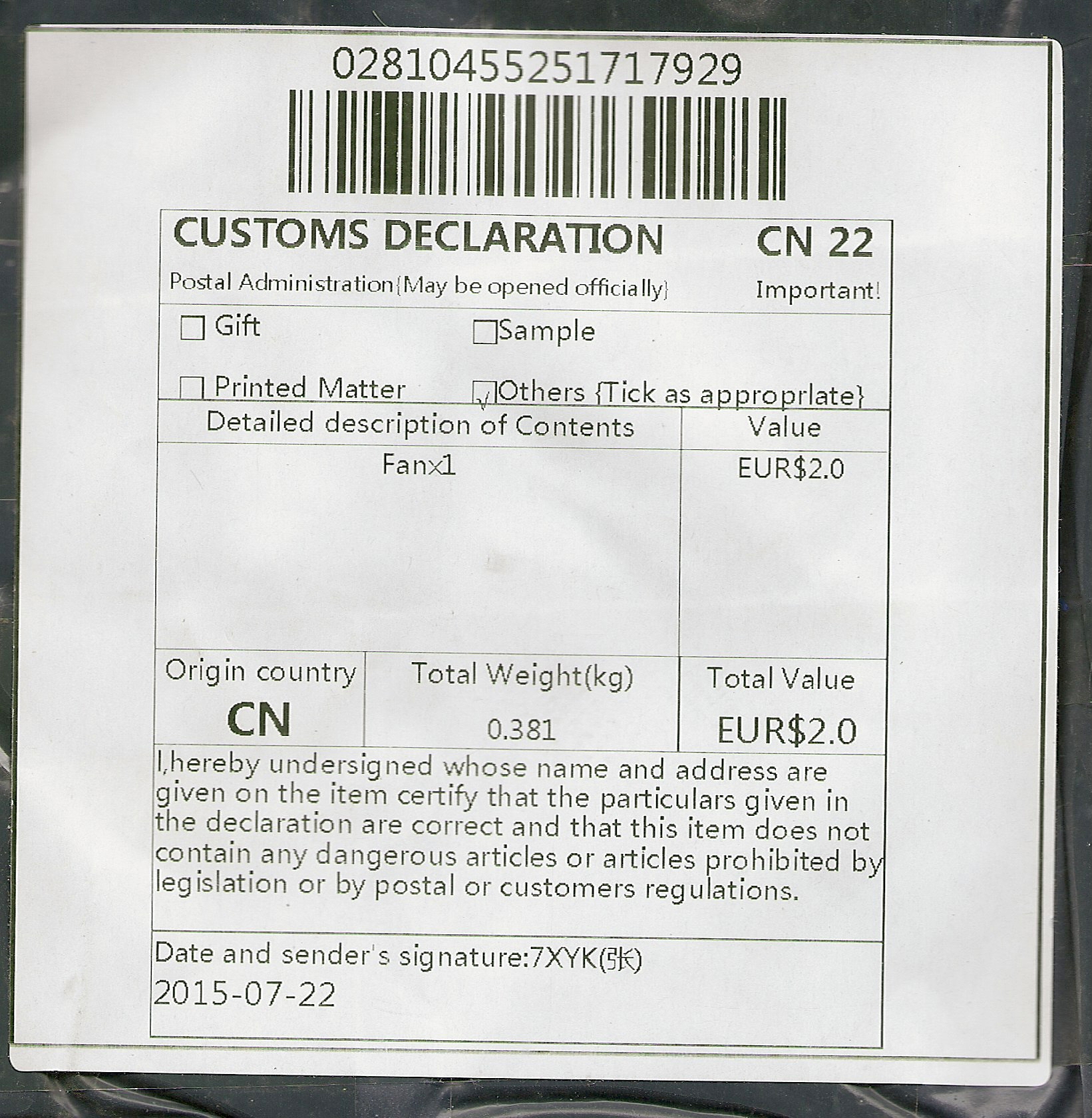
Common issues include calling shoes accessories, declaring a full appliance as parts, listing ten items when the warehouse photo shows twelve, using a value far below the order record, or combining several product types under one vague label. These shortcuts create more risk than they save.
Use this checkpoint as a practical record, not as paperwork for its own sake. Save the listing URL, selected variant, seller answer, tracking number, warehouse photo, packing request, and final route decision in one place.
This helps another person review the order later and keeps the story consistent if the carrier, warehouse, or customs team asks for evidence after the parcel has already moved.
Check the order record
Open the marketplace order and confirm the product name, variant, quantity, price, seller discount, and shipping fee. Save screenshots. If the seller changed the product or shipped a replacement model, save that chat too. The declaration should follow the real item, not only the original listing title.
Use this checkpoint as a practical record, not as paperwork for its own sake. Save the listing URL, selected variant, seller answer, tracking number, warehouse photo, packing request, and final route decision in one place.
This helps another person review the order later and keeps the story consistent if the carrier, warehouse, or customs team asks for evidence after the parcel has already moved.
For the related workflow, compare this with our CNCartGo reference guide so the buying decision, warehouse check, and shipping route stay aligned.
Check warehouse photos
Match declaration wording to the item visible in warehouse photos. If the photo shows a plug, battery label, brand box, liquid bottle, or fragile material, do not hide that detail. It may affect route eligibility and carrier handling.
Use this checkpoint as a practical record, not as paperwork for its own sake. Save the listing URL, selected variant, seller answer, tracking number, warehouse photo, packing request, and final route decision in one place.
This helps another person review the order later and keeps the story consistent if the carrier, warehouse, or customs team asks for evidence after the parcel has already moved.
Ask the warehouse to revise before export
Send a short correction request with product name, quantity, value evidence, and route-sensitive notes. Ask for confirmation before paying international shipping. Once the parcel is exported, correction becomes slower and less predictable.
Use this checkpoint as a practical record, not as paperwork for its own sake. Save the listing URL, selected variant, seller answer, tracking number, warehouse photo, packing request, and final route decision in one place.
This helps another person review the order later and keeps the story consistent if the carrier, warehouse, or customs team asks for evidence after the parcel has already moved.
For the related workflow, compare this with our CNCartGo reference guide so the buying decision, warehouse check, and shipping route stay aligned.
Final recommendation
Use clear descriptions, realistic values, and saved evidence. A clean declaration is not about adding more words. It is about making the order, photo, route, and label consistent enough for review.
Use this checkpoint as a practical record, not as paperwork for its own sake. Save the listing URL, selected variant, seller answer, tracking number, warehouse photo, packing request, and final route decision in one place.
This helps another person review the order later and keeps the story consistent if the carrier, warehouse, or customs team asks for evidence after the parcel has already moved.
Quick checklist before approval
- Product URL, selected option, and seller answer saved
- Domestic tracking numbers matched to warehouse intake
- Photos checked for model, quantity, accessories, and visible damage
- Route eligibility confirmed before consolidation
- Declaration wording and value match the order evidence
Useful next step: CNCartGo reference #1.
Useful next step: CNCartGo reference #2.
Useful next step: CNCartGo reference #3.
About the author: This article was prepared by the CNCartGo editorial team from recurring cross-border order checks involving Chinese marketplace listings, warehouse intake photos, parcel consolidation decisions, and international shipping approval workflows.
Common Scenarios Where Declarations Do Not Match
The most frequent mismatch happens with bundled orders. You buy three items from the same seller - a ¥50 phone case, a ¥30 screen protector, and a ¥120 charging cable set. The seller ships them as one domestic parcel. When the warehouse creates a customs declaration, they might list it as "phone accessories, value $29" - which is correct in total but lacks the itemized breakdown that customs prefers.
Another common case involves sellers who split shipments without telling you. You order a ¥200 item, but the seller sends it in two separate packages (perhaps the main product and a free gift). Each package arrives at the warehouse independently, creating two line items that do not match your single order record.
Platform promotions also cause confusion. If you used a ¥30 coupon on a ¥150 item, the actual paid amount is ¥120. But the seller's invoice shows ¥150, and your payment receipt shows ¥120. Which value goes on the customs form? The correct answer is the amount you actually paid (¥120), but inconsistencies between documents can trigger a customs inquiry.
How to Prevent Declaration Mismatches Before Shipping
The simplest prevention step is to review your warehouse inspection photos against your original order list before approving consolidation. Count the items, verify descriptions match what you ordered, and flag anything unexpected.
Keep screenshots of every order confirmation, payment receipt, and seller conversation. If customs questions your declaration, these documents serve as proof of purchase value and item description. Without them, you have no evidence to dispute a customs reassessment.
For orders involving multiple platforms in one consolidated shipment, create a simple spreadsheet listing each item, its purchase price in RMB, the seller platform, and a brief English description. Share this with your warehouse or forwarding agent before they prepare the customs paperwork. This takes five minutes and prevents the most common declaration errors.
If you are combining orders from Taobao, 1688, and Xianyu into one shipment, the declaration complexity increases. Each platform uses different invoicing formats, and mixing them in one customs form requires careful itemization. A good forwarding service handles this automatically, but you should still verify the final declaration matches reality before approving dispatch.