How to Buy Camping and Outdoor Gear from China in 2026
 Nicholas Chen
By Nicholas | CNCartGo Editorial Team
Buying camping and outdoor gear from China can work very well for international buyers, especially for tents, tarps, dry bags, organizers, cookware accessories, sleeping pads, folding furniture, repair parts, and sample batches for small outdoor stores. The important part is not only finding a cheap listing. The real work is separating simple, shippable gear from products that create safety, customs, or route problems.
This guide is written for buyers who want a controlled order workflow. It covers product selection, seller confirmation, warehouse inspection, packing, consolidation, and shipping checks. The goal is to help you buy useful outdoor gear without turning a low-cost product into an expensive return, missing-accessory problem, or blocked parcel.
Short Answer: What Camping Gear Is Best to Buy from China?
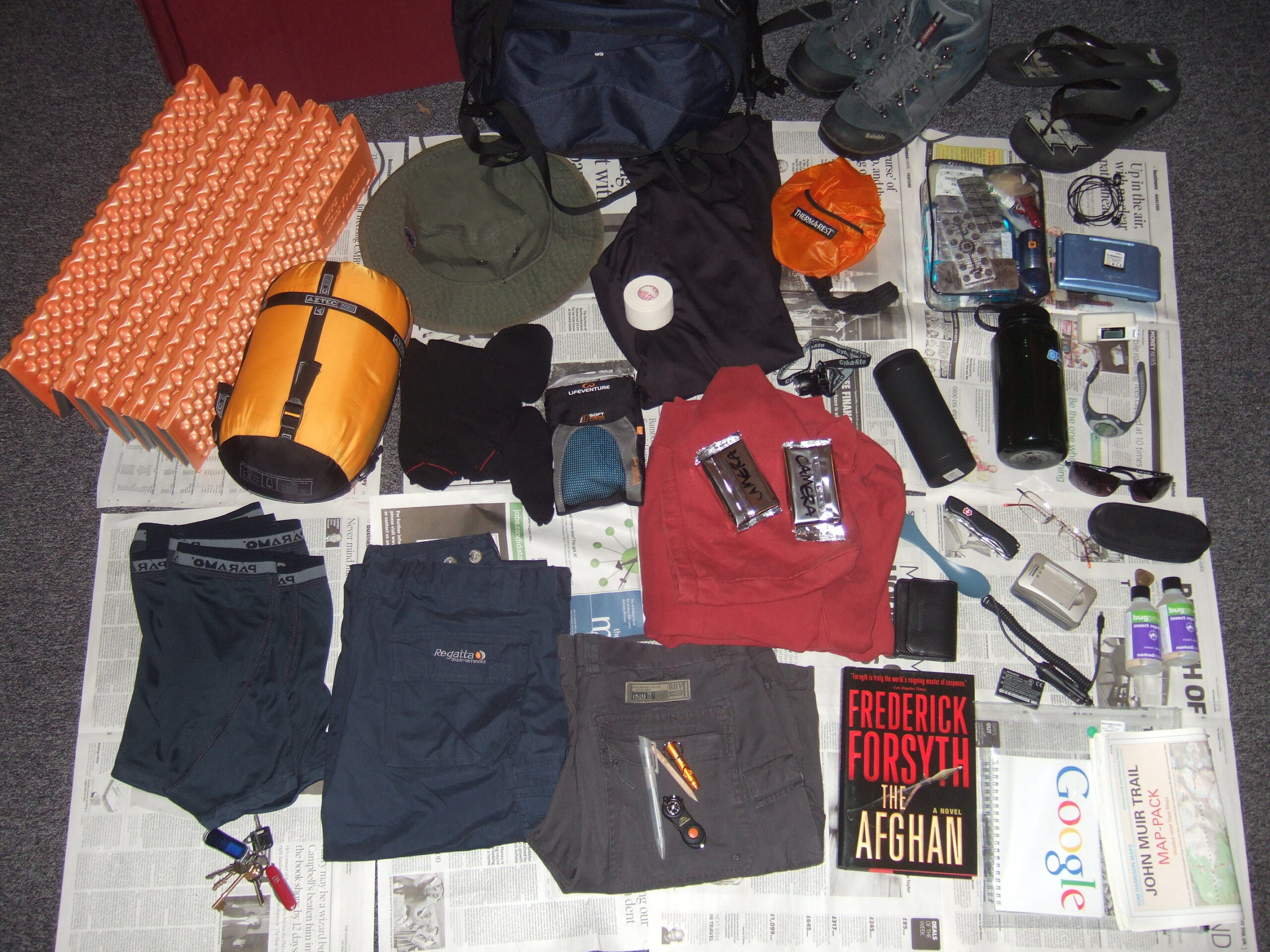
The safest first orders are non-powered, non-liquid, non-sharp, and easy to inspect visually. Good examples include dry bags, packing cubes, tent footprints, lightweight storage pouches, trekking pole accessories, repair patches, hammock straps, small organizers, ground mats, bottle holders, and simple folding accessories. These products still need checking, but the inspection is realistic: the warehouse can usually photograph the label, color, size, quantity, material, and visible defects.
Be more cautious with knives, axes, gas stoves, fuel canisters, aerosol sprays, chemical waterproofing products, power stations, lithium batteries, heated clothing, branded lookalike gear, and large metal frames. Some of these items can be legal to buy but difficult or impossible to forward through a normal parcel route. If you are choosing where to source, compare platforms using our buyer guide for shopping from Taobao, 1688, and Weidian before you place the first order.
Start with a Small, Easy-to-Verify Test Order
A good first camping gear order should be small enough to inspect clearly and cheap enough to treat as a learning sample. For personal use, order one or two items before building a full kit. For resale, order a sample batch with only a few variants. The sample should answer practical questions: does the fabric match the listing, are the seams clean, are buckles and zippers usable, are poles or stakes complete, and does the packed size match your shipping expectation?
When we prepare order notes for mixed outdoor gear, the common failure is not dramatic fraud. It is ordinary ambiguity. The buyer chooses "green," the seller has two greens. The listing says "two-person," but the packed size is closer to a narrow one-person shelter. The photo shows a bag, but the straps or rain cover are not included. A small first order exposes these issues before you commit to a larger basket.
Write the Order Note Before Payment
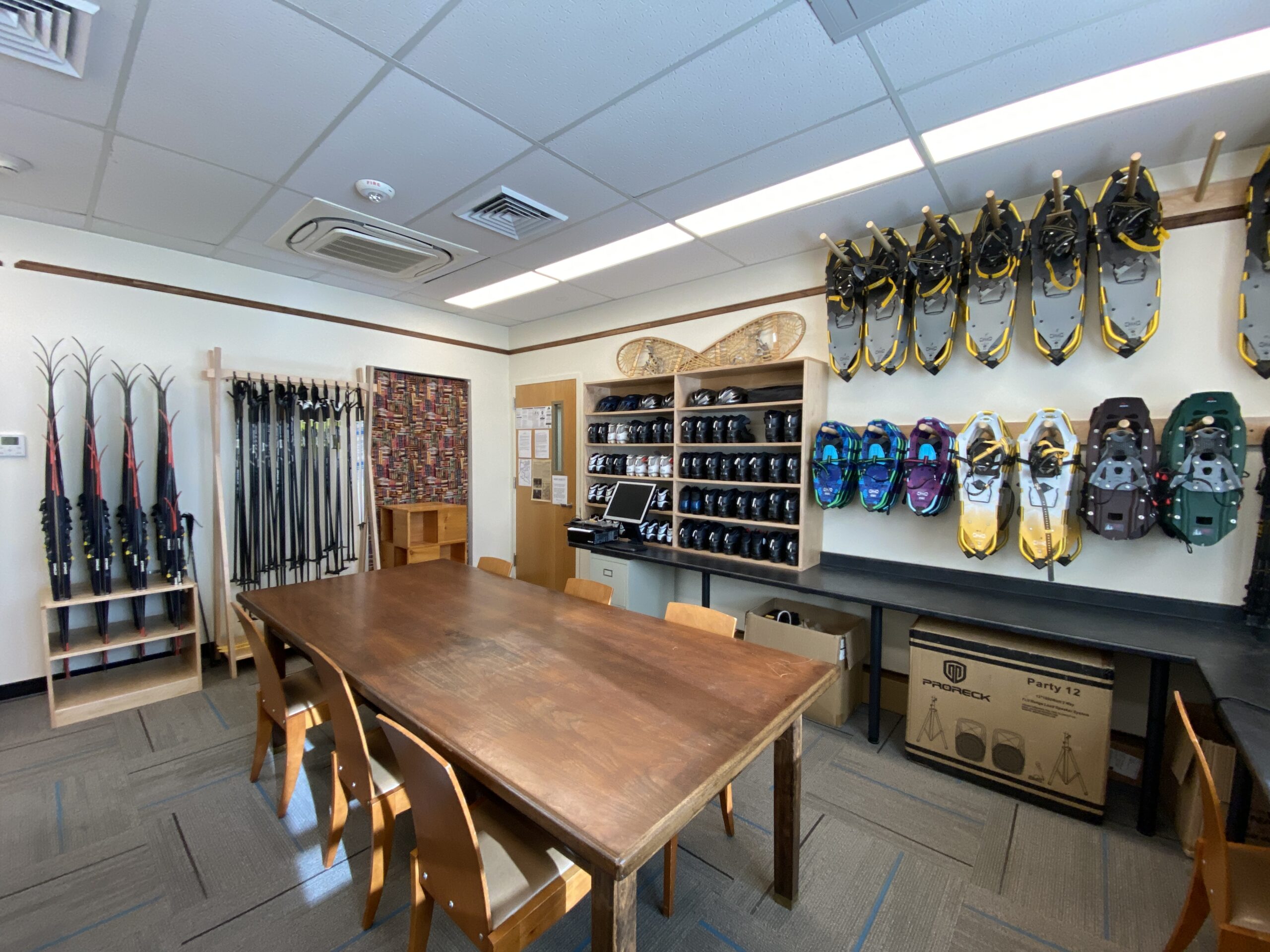
Do not rely on the listing title alone. Before paying, write a short note that makes the expected product clear to the seller and to the warehouse team receiving the parcel in China. Include the listing URL, selected variant, color, size, capacity, material, quantity, expected accessory set, and any packing request. For tents and tarps, include dimensions and whether poles, ropes, stakes, repair patches, and storage bags are included. For cookware accessories, confirm material and piece count.
If you are receiving the goods through a forwarding warehouse, copy your China warehouse address instructions exactly. Small outdoor items often arrive in soft bags or multiple domestic parcels. A missing receiver code, phone number, or account detail can make domestic matching harder than it needs to be.
Inspection: What Can Actually Be Checked?
Warehouse inspection is a visual checkpoint, not a laboratory test. It can confirm parcel arrival, visible quantity, color, selected size, labels, obvious damage, missing accessory bags, broken buckles, bent poles, scratched cookware, torn seams, and packaging condition. It cannot prove waterproof rating, long-term fabric strength, flame resistance, food-grade compliance, or field performance in bad weather.
Make the inspection request specific. Instead of writing "check quality," ask for photos of the product label, full item laid out when practical, close-ups of zippers or seams, included accessories, packed size, outer packaging, and any visible damage. Our guide to China warehouse inspection before shipping explains how to ask for checks that a warehouse can realistically perform.
Check Shipping Restrictions Before the Seller Ships
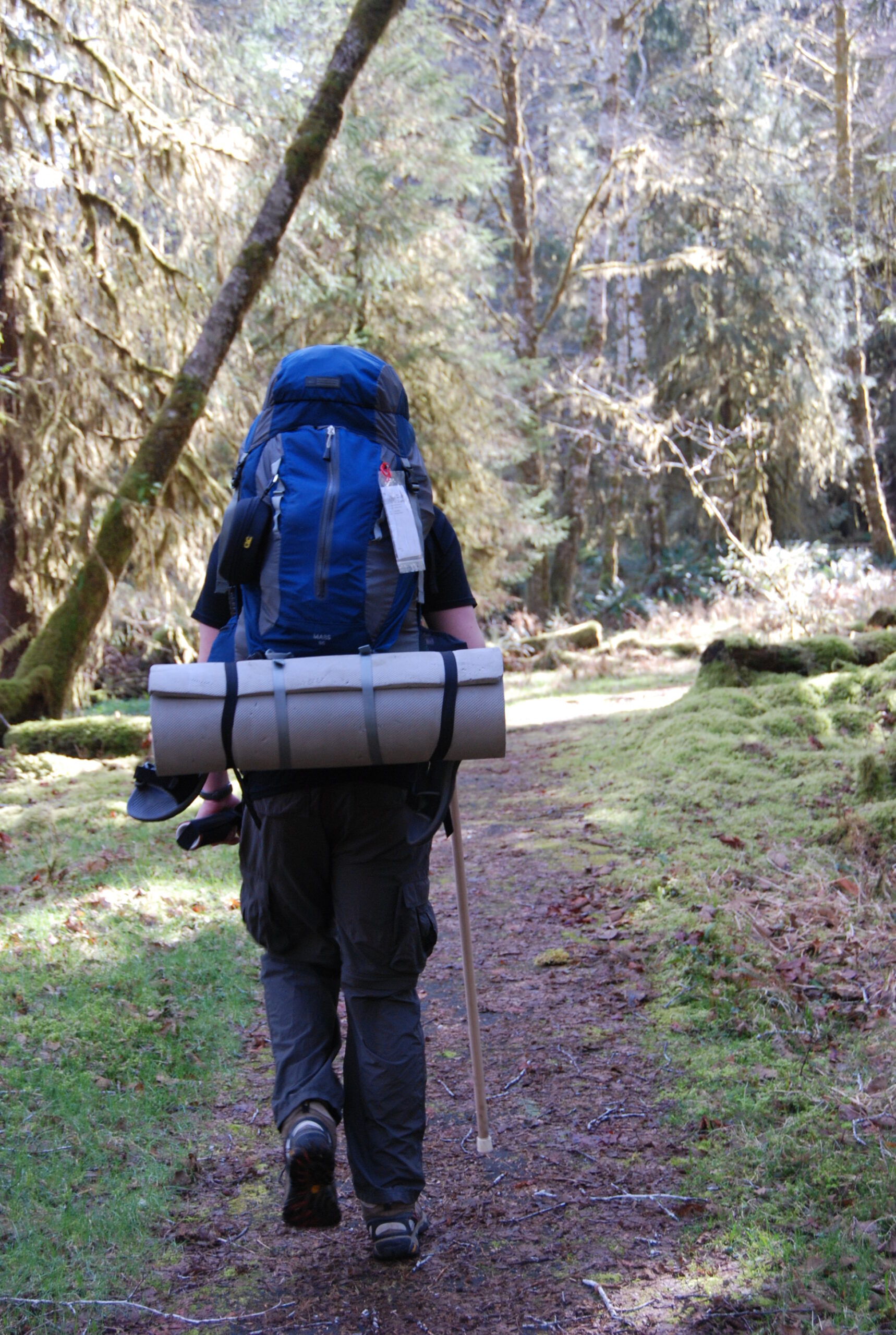
Outdoor gear often looks harmless, but route restrictions can appear quickly. Lithium battery lamps, power banks, heated gloves, GPS accessories, liquid waterproofing treatments, gas-related equipment, sharp tools, and oversized frames need route checks before purchase. Do not wait until the item reaches the warehouse to ask whether it can ship. If the route rejects the item, you may face domestic return costs, storage delays, or forced separation from the rest of the order.
Battery items deserve special attention. A small headlamp with a removable battery, a rechargeable lantern, and a power station are not the same shipping problem. Before ordering mixed gear, read the guide on shipping battery items and regular goods together from China. For bulky products such as folding chairs, sleeping pads, and tent poles, estimate packed dimensions with our shipping cost estimation guide before assuming the item is cheap to export.

When to Consolidate Camping Gear
Consolidation works well for soft, durable items: dry bags, straps, repair kits, packing cubes, microfiber towels, small organizers, and lightweight accessories. It is riskier when the order includes fragile cookware, sharp tools, rigid poles, lamps, electronics, liquids, or products packed in thin retail boxes. The cheapest combined parcel is not always the safest parcel.
Use consolidation only after every expected domestic parcel has arrived and the warehouse confirms the item count. If a tent arrives without poles or a hammock arrives without straps, exporting too early creates a problem that is expensive to fix from overseas. For mixed baskets, use our guide on when to combine parcels and when not to as a decision checklist.
A Practical Workflow for First-Time Buyers
- Choose simple, non-restricted outdoor gear for the first test order.
- Save the listing URL, selected variant, seller name, and screenshots.
- Confirm size, color, material, accessory set, packed dimensions, and quantity before payment.
- Ask whether the item ships as one parcel or multiple domestic parcels.
- Use the China warehouse address exactly as provided.
- Request inspection photos for labels, accessories, seams, buckles, poles, packaging, and visible defects.
- Check route availability for batteries, liquids, sharp tools, gas-related items, and oversized products.
- Consolidate only when the full item count is confirmed and the packing choice protects the goods.
Final Recommendation
China is a strong source for camping and outdoor gear when you keep the first order practical. Start with easy-to-check accessories, document every variant, confirm what is included, and use warehouse inspection as a real control point before international shipping. Avoid restricted or safety-sensitive products unless you have confirmed the route and understand the destination rules.
If you are buying for resale, treat the first order as a sample workflow rather than a margin test. A correctly documented sample tells you whether the seller, product, packaging, and shipping route can be repeated. That evidence is more valuable than saving a few dollars on a larger order too early.