How a Buying Agent Helps Overseas Buyers Pay, Buy, Inspect, and Ship from China

How a Buying Agent Helps Overseas Buyers Pay, Buy, Inspect, and Ship from China is a practical question, not just a theoretical one. Many overseas buyers can already find products on Taobao, 1688, JD, Weidian, or similar China marketplaces. The hard part is usually not product discovery. The hard part is completing the full chain: paying from overseas, having someone place the order in China, checking what actually arrives, and then shipping it internationally in a controlled way. A buying-agent workflow like CNCartGo's public process is designed around exactly that chain. Its published materials describe link-based buying, multi-currency payment support, China-side procurement, warehouse inspection, storage, and later international shipping selection.
That is why a buying agent is often more useful than a simple "checkout workaround." The buyer is not only trying to pay. The buyer is trying to finish a cross-border transaction from start to finish. CNCartGo's public Buyer's Guide describes a model where the buyer pays first, the procurement team contacts the seller and places the order, the warehouse receives and inspects the goods, and the final shipping cost is calculated after the parcel is physically ready. FedEx's shipping guidance also explains why this last step matters: international shipping prices can be based on either actual weight or dimensional weight, whichever is greater, so the real export parcel must exist before freight can be priced accurately.
Why overseas buyers run into problems when buying directly from China
The first problem is payment. A buyer may have an international card or PayPal account, but that does not automatically mean the original China marketplace seller is easy to pay in the buyer's preferred way. CNCartGo's public materials position the agent model as a solution to this gap by supporting payment methods such as PayPal, Stripe, wallet balance, and multi-currency payment on the platform side, while the platform handles the China-side purchase in local-market form.
The second problem is execution inside China. Even when a buyer finds the right product, someone still has to confirm the order details, communicate with the seller if needed, pay domestically, and receive the goods at a China-side address. CNCartGo's public Buyer's Guide says its procurement team contacts the seller on the buyer's behalf and places the order, which is the operational step many overseas buyers struggle to handle alone.
The third problem is inspection risk. If the seller sends the wrong size, wrong color, missing quantity, or damaged packaging, the buyer may not know until the parcel is already overseas. CNCartGo's published workflow says the warehouse receives and inspects goods, weighs and stores them, takes actual product photos for review, reports issues found, and offers 30 days of free storage. That warehouse checkpoint is one of the biggest practical differences between direct buying and agent-assisted buying.
The fourth problem is shipping uncertainty. Many buyers expect to know the exact international freight cost at the beginning, but that is often unrealistic because final freight depends on the destination, package weight, shipping method, and how the final parcel is packed. CNCartGo's shipping workflow states that international shipping is paid later, after warehouse arrival, while FedEx explains that shipping charges may be based on actual weight or dimensional weight, whichever is greater.

What a buying agent actually does
A buying agent is not just a payment middleman. In a practical China-buying workflow, the agent is covering several jobs that a local China team would normally handle.
1. It gives the buyer a workable payment path
A buying agent lets the overseas buyer pay the platform in a supported cross-border method instead of forcing the buyer to solve every marketplace-specific payment issue alone. CNCartGo's public materials say the platform supports PayPal, Stripe, wallet balance, and multi-currency payments, which means the buyer can complete the overseas payment side through the agent platform and let the platform handle the China-side transaction in RMB.
2. It places the order in China
After payment, the buying agent does more than forward money. CNCartGo's public Buyer's Guide says the procurement team contacts the seller on the buyer's behalf and places the order. That means the service is handling real purchase execution, not only account-level payment collection.
3. It becomes the China-side receiving point
A buyer overseas usually does not have a China warehouse or a convenient local receiving address. The warehouse stage solves that. CNCartGo's public workflow says the warehouse receives the goods, checks them, weighs them, stores them, and provides product photos for buyer review.
4. It creates an inspection checkpoint before export
This is one of the most valuable parts of the whole process. Instead of shipping blindly, the buyer gets a control point before paying final international freight. If the goods look wrong, incomplete, or damaged, the buyer can evaluate that earlier than in a direct-export scenario. CNCartGo's public materials explicitly connect warehouse inspection with photo review and issue reporting.
5. It turns separate purchases into one export workflow
CNCartGo's public guide states that buyers can consolidate multiple products for combined overseas shipping, and that this can reduce international shipping costs. That matters when the buyer is sourcing from different sellers or different platforms and does not want to pay separate international freight bills for each order.
How the workflow usually works step by step

Below is the simplest way to explain the process to a search user.
Step 1: Find the item and submit the order or link
A buying-agent workflow usually starts with either direct shopping on the platform or link-based submission. CNCartGo's public Buyer's Guide says there are two main paths: direct buying through the platform and link-based buying through the search bar. Its published guide also notes that the search workflow supports platforms such as Taobao, 1688, and Weidian, while other platforms should go through Sourcing.
Step 2: Pay for the product first
CNCartGo's public process says buyers first submit the order, choose a payment method, and pay for the product price plus shipping to mainland China. This is important because many overseas buyers confuse product payment with final international shipping. In agent-assisted buying, those are usually two different stages.
Step 3: Let the agent buy in RMB and coordinate with the seller
Once payment is done, the procurement team places the order with the seller. CNCartGo's published workflow says buyers can also use the Work Order System or WhatsApp during procurement if they need to add details or clarify requirements. That is useful when the product has several variants, seller-side questions, or packaging requests.
Step 4: Wait for warehouse receipt, inspection, and photos
After domestic shipping in China, the goods arrive at the warehouse. CNCartGo's public guide says the warehouse receives and inspects them, weighs and stores them, and provides actual product photos for review. The same published workflow says the warehouse offers 30 days of free storage, giving buyers time to wait for other items or decide how to proceed.
Step 5: Decide whether to combine orders or ship separately
If the buyer has more than one item, this is where real shipping strategy begins. CNCartGo's public materials say only the items that have actually arrived will appear in the warehouse section, and that multiple products can be consolidated for combined overseas shipping to reduce costs.
Step 6: Choose a route and pay final international freight
CNCartGo's shipping workflow says the final shipping charge is calculated after warehouse arrival based on destination, package weight, and shipping method. The platform also describes broad route types such as standard, express, and economy, with example carriers including EMS, ePacket, DHL, FedEx, and UPS. This timing matches normal carrier pricing logic, because the real parcel has to be weighed and measured before final freight can be priced accurately.
Why inspection matters so much for overseas buyers
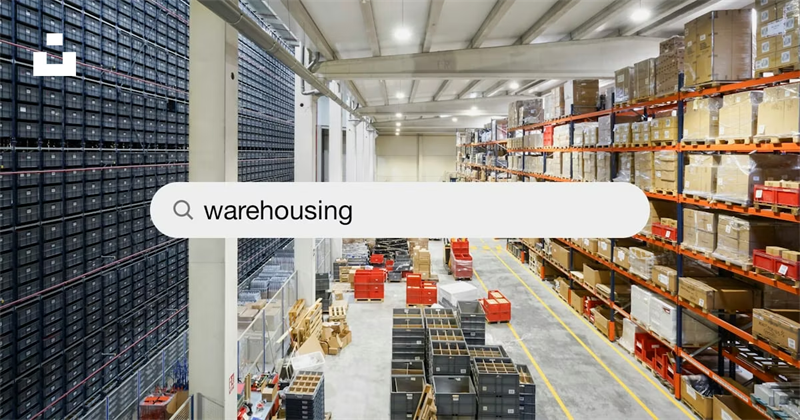
Inspection is where a buying agent often creates the most practical value. A buyer may think the hardest part is paying, but in many real transactions the bigger financial risk is paying international shipping for the wrong item.
Imagine a buyer in Spain ordering several small fashion accessories from different Chinese sellers. If one seller sends the wrong color and the parcel is shipped internationally immediately, the buyer may discover the problem only after the item lands overseas. In a warehouse-review workflow, the issue can potentially be noticed before export shipping begins. CNCartGo's public materials describe exactly this type of review point through warehouse inspection, photo confirmation, and storage time before dispatch.
For a small business, the value is even higher. A U.S. shop owner buying low-cost accessories, packaging extras, or seasonal items may care less about a single product page and more about whether the incoming stock is usable. CNCartGo's public workflow says buyers can review warehouse photos, see arrival status, and decide what should ship together. That can materially affect margin control for overseas resellers.
What buyers should check before choosing a buying agent
A good article should not only praise the model. It should help the buyer judge whether the service is suitable.
Check payment flexibility
Can the platform support the way you actually pay? CNCartGo's public materials say the platform supports PayPal, Stripe, wallet balance, and multi-currency payments. That matters because payment friction is one of the main reasons overseas buyers turn to agents in the first place.
Check whether inspection is real or only promised
A serious workflow should include warehouse receipt, photo review, and issue reporting. CNCartGo's public process describes all three, plus 30 days of free storage. Without a real warehouse checkpoint, the service is much closer to forwarding money than to managing a cross-border purchase properly.
Check whether shipping is explained honestly
If a platform pretends final freight can always be known exactly at the start, that should raise questions. CNCartGo's published process separates product payment from later freight payment, and FedEx's dimensional-weight guidance shows why that structure is practical. Final freight belongs to the stage where the parcel is real, not just imagined from a product page.
Check route restrictions and parcel options
CNCartGo's public shipping workflow notes that some items may be subject to route restrictions and that services such as unpackaging, reinforcement, and insurance may be available. That is useful because different product types do not always fit every shipping route.
What a buying agent cannot do
A buying agent can solve many operational problems, but it does not erase all risk. It cannot make final freight perfectly accurate before the parcel exists. It cannot guarantee that every product type is eligible for every route. It also cannot replace the buyer's responsibility to submit the correct link, correct variant, correct quantity, and clear remarks. CNCartGo's published workflow supports the buyer at each step, but it still depends on clean product information and route eligibility.
That is why the best buying-agent relationship is cooperative. The buyer should provide clear product details and timing expectations. The agent should provide payment access, procurement execution, warehouse control, and transparent shipping logic. When both sides do their part, the workflow becomes much easier than trying to manage fragmented cross-border buying alone.
Conclusion
How a Buying Agent Helps Overseas Buyers Pay, Buy, Inspect, and Ship from China can be answered very simply: it turns a messy cross-border process into a structured workflow. Instead of forcing the overseas buyer to solve payment, RMB procurement, seller communication, warehouse receiving, inspection, consolidation, and export shipping as separate problems, the agent brings them into one operating chain. CNCartGo's public process is a clear example of that model: supported cross-border payment methods, China-side procurement, warehouse inspection with photo review, storage, consolidation, and later freight calculation based on the real parcel.
For search users, that is the real value of a buying agent. It is not only about "helping me pay." It is about helping me complete the purchase correctly, check what arrived before export, and ship from China with fewer surprises. That is why a buying agent remains one of the most practical solutions for overseas buyers who want a smoother China-buying workflow.
Read More:
How to Buy from Pinduoduo or JD If the Product Is Not Listed on the Platform
Can Foreign Buyers Use PayPal for Taobao and 1688 Orders?
How CNCartGo Helps Global Buyers Pay, Source, Inspect, and Ship from China