Short answer
Check route rules before ordering, because camping gear mixes easy and restricted goods in one cart. Tents, sleeping bags and textiles are normally straightforward; batteries, blades, gas-related accessories, liquids, sharp tools and oversized frames need approval. Ask the Guangzhou warehouse to confirm each restricted line against the carrier before the parcel is consolidated, weighed and quoted.
Keep one folder per camping order while the goods are still in China: the product link and chosen variant for each item, the seller's written answer on battery type and on knives or fuel accessories, the domestic tracking numbers, the Guangzhou intake photos of the headlamp, multitool or stove, the packing request you approved, and the route and declaration wording you finally agreed. Camping carts usually end up split into a simple parcel of tents and clothing and a restricted parcel, so the folder should show which line went where.
It matters because camping restrictions are decided item by item, not order by order. If a carrier later queries a folding saw, a lithium headlamp or a gas accessory, the folder shows what was declared and who approved it - and a repeat order of the same tent, lantern or cookware set can be compared against the earlier parcel instead of being re-argued from scratch.
Separate simple and sensitive items
Tents, dry bags, socks, straps, and lightweight organizers are usually easier than headlamps, power banks, knives, fuel bottles, sprays, or cooking sets. Do not let one restricted item force an entire clean parcel onto a slower route.
Battery and electronic checks
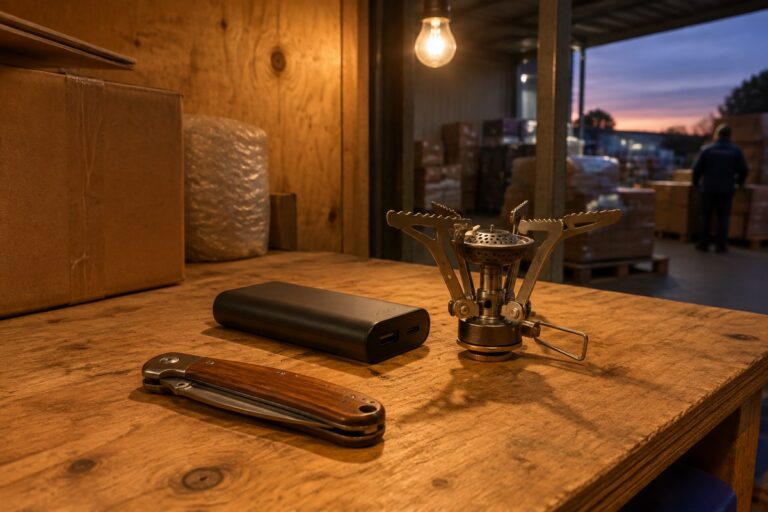
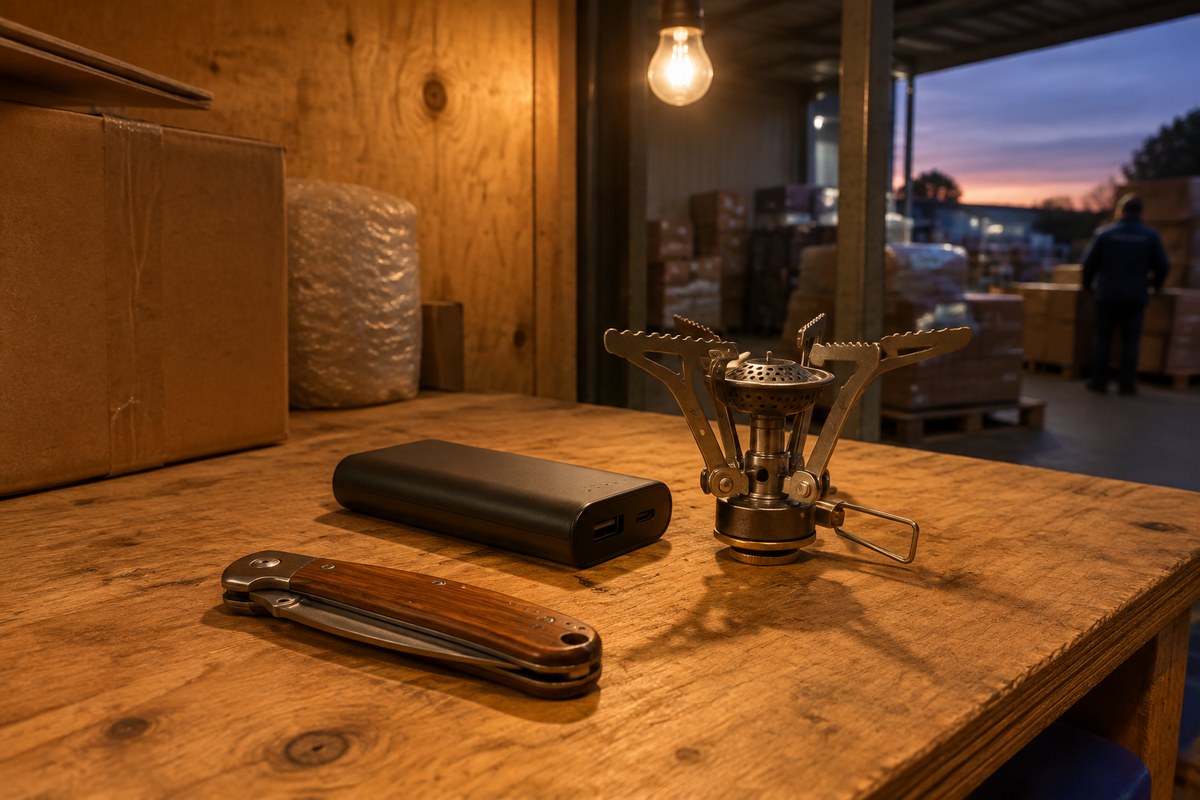
For headlamps, lanterns, heated gear, GPS accessories, or rechargeable pumps, record the battery type, watt-hour rating if available, model number, and whether the battery is built in or removable. Many routes treat lithium batteries differently from ordinary accessories.
Splitting a camping cart usually ends in a repacking decision, and our CNCartGo guide on approving a warehouse repack covers the point where a tent, sleeping bag or cookware set loses its retail carton before consolidation.
Blades, liquids, and gas-related goods
Knives, multitools, aerosols, alcohol fuel, gas canisters, and some chemical treatments may be rejected or require special handling. If the listing is unclear, ask the seller or warehouse before buying more items for the same parcel.
Packing and inspection
Cookware, mugs, filters, and plastic boxes can crack when packed under heavy goods. Ask for photos of the product, label, accessories, and packaging condition. For fragile or sharp products, request protective wrapping and clear separation inside the carton.
If the gear itself has not been ordered yet, our buyer guide for Taobao, 1688 and Weidian explains what to confirm with the marketplace seller before the items reach the Guangzhou warehouse.
Final recommendation
Ship camping gear only after route eligibility, warehouse photos, declaration wording, and packing order are confirmed. Split batteries, blades, liquids, or fragile cookware when they change the risk profile of otherwise simple outdoor clothing or fabric accessories.
Quick approval checklist
- Tents, clothing and other unrestricted lines separated from battery, blade and fuel items
- Battery type, watt-hour rating and model number noted for every powered item
- Carrier confirmation saved for knives, aerosols, gas accessories and liquids
- Intake photos checked for cracked cookware, missing parts and carton damage
- Route and declaration wording agreed before the camping parcel is sealed
About the author: Written and reviewed by the CNCartGo editorial team, which deals with restricted-goods questions - batteries, blades, aerosols and fuel accessories - through our Guangzhou intake and shipping process. Each article is checked against the current warehouse and carrier rules before it goes live.
Last reviewed: September 5, 2026. Dangerous goods rules, route limits and handling fees are revised without notice, so check the live pages before you commit.
Related guides
Batteries and blades complicate any camping shipment, and the notes here lay out the checks that come after this step.
- Shipping Cosmetics and Skincare From China: Liquids, Packaging, Declaration, and Route Checks
- How to Read Warehouse Photos Before Approving International Shipping From China
- Shipping Electronics With Batteries From China: What Small Buyers Must Check First
- Shipping Fragile Items From China: Ceramic, Glass, and Collectible Packing Checklist
- Shipping From China to Ireland in 2026: VAT, Parcel Forwarding, and Warehouse Photo Checks