How to Ship From China to France in 2026: VAT, the €2 Parcel Tax, and Better Route Choices
 Nicholas Chen
By Nicholas | CNCartGo Editorial Team
France used to be an easy market to misread. Buyers would look at a small China order, assume the import side would stay light, and decide everything from the freight quote alone. In 2026 that mindset breaks faster. For France-bound parcels, the cheap-looking order can become a weak order once VAT, customs handling, and the new low-value parcel tax are added back into the real landed cost.
The strongest France shipments are not always the fastest ones and they are not always the smallest ones. They are the ones built with the tax boundary in mind before dispatch. In real warehouse work, the common problem is simple: the buyer combines one or two extra items, the parcel stops fitting the cost logic they expected, and they only notice after the carton is already built.
That is why France should be treated as its own workflow. Goods arriving from outside the EU are subject to customs formalities. VAT is due from the first euro, customs duty can apply above the right value threshold, and as of March 1, 2026 France added a new €2 tax on low-value parcels under €150. That changes the math for the exact kind of order many overseas buyers thought was "small enough not to matter."
Short Answer
The best way to ship from China to France in 2026 is to choose the route only after the warehouse confirms the final carton, then judge the parcel against three France-specific questions: will VAT be collected cleanly, will the shipment stay below or go above €150 after consolidation, and does the total still make sense once the new €2 parcel tax and carrier-side handling are counted in? For ordinary consumer goods, a clean standard line often beats a rushed express option. The mistake is not choosing the slower route. The mistake is building the parcel without checking the French import math first.
Why France Is No Longer a Simple Low-Value Destination
France now punishes lazy parcel planning. VAT is not something to think about later, because imports from outside the EU are taxed from the first euro. Customs duty is the second turning point: once the intrinsic value of the goods goes over €150, duty may enter the picture too. Then 2026 added a France-specific complication for low-value shipments: a new €2 tax on small parcels under €150 entering France. So the classic "just keep it cheap and ship it" logic no longer protects the buyer the way it used to.
Operationally, this means a France order needs to be sorted into the correct lane before dispatch. Is it a simple personal purchase where the buyer wants predictable total cost? Is it a sample shipment for a small business testing demand? Or is it a replenishment order where one combined carton could push the goods into a less friendly cost structure? If you are still deciding what kind of help you need upstream, the better first question is often whether you need a buying agent or a parcel forwarder, because weak buying-side information usually creates weak shipping decisions later.
What Changes the Cost for France Buyers
France-bound imports usually become more accurate once buyers stop looking at "shipping cost" as one number. In practice, there are five layers to watch:
- Product value: the real value of the goods, which decides whether the parcel stays in the under-€150 lane or moves past it.
- China-side handling: domestic freight, receiving, inspection, repacking, and consolidation.
- International transport: the actual line used to move the parcel from China to France.
- Import-side taxation: VAT from the first euro and, where relevant, customs duty once the goods go above the threshold.
- France-side parcel friction: the new €2 low-value parcel tax, plus any carrier or postal handling that appears when taxes are collected on arrival.
That is also where IOSS matters. If VAT is collected cleanly at checkout for a qualifying low-value order, delivery is usually less messy. If it is not, the buyer can face payment collection later together with extra handling. That does not mean every order needs a complex service route. It means the buyer should know which tax collection path they are actually using before the parcel leaves China.
A Practical France Import Table
| Order profile | Main France watchpoint | Usually better move | How buyers lose money |
|---|---|---|---|
| Low-value personal order under €150 | VAT collection path and the new €2 parcel tax | Keep the parcel simple and total cost transparent | They compare only freight and ignore tax-side leakage |
| Mixed cart close to €150 | Threshold changes after final consolidation | Check the real shipment value before dispatch | They add extra items and accidentally change the import logic |
| Goods above €150 | Possible customs duty and fuller import cost | Plan for formal import math, not just postage | They budget for transport but not for the changed tax path |
| Urgent commercial sample order | Margin after speed, tax, and handling are all counted | Use express only when the business reason is strong | They pay for speed on an order that was not margin-safe anyway |
| Bulky or fragile combined parcel | Volumetric weight and messy declaration story | Repack first, choose route second | They select the line before the warehouse sees the real carton |
The Workflow That Works Better for France
1. Decide early whether the parcel should stay below or go above €150
For France, this decision matters more than many buyers expect. A small order that stays clearly under €150 can still be commercially healthy if VAT collection is clean and the total remains sensible after the new parcel tax. But a cart that drifts just over the line may need a completely different cost expectation. Buyers who leave this decision until after consolidation are the ones who usually end up paying for the wrong parcel design.
2. Confirm how VAT will actually be collected
Do not assume the platform, seller, or service route is handling VAT the way you imagine. Ask the simple question: is VAT being collected up front under a qualifying low-value flow, or is the parcel likely to arrive with taxes and handling still to be collected? That one answer changes delivery smoothness more than a lot of buyers realize.
3. Choose the route after the warehouse confirms the final carton
France quotes can look harmless when the order is still a shopping list and less friendly once the warehouse has measured the real parcel. Bulky fashion items, mixed household orders, and fragile goods all drift upward when repacking becomes necessary. This is why we keep pointing buyers back to the best shipping method from China only after the parcel is physically real, not while it still exists only as screenshots.
4. Use plain, defensible declarations
France is not a market where vague customs wording helps. Descriptions like "gift," "samples," or "accessories" tend to create a weaker import story, not a safer one. Clear product wording, realistic values, and a parcel structure that makes sense are the better habits. If the declared amount still feels fuzzy, use our guide on what value to declare when shipping from China before you release the shipment.
5. Think about the France last mile before dispatch
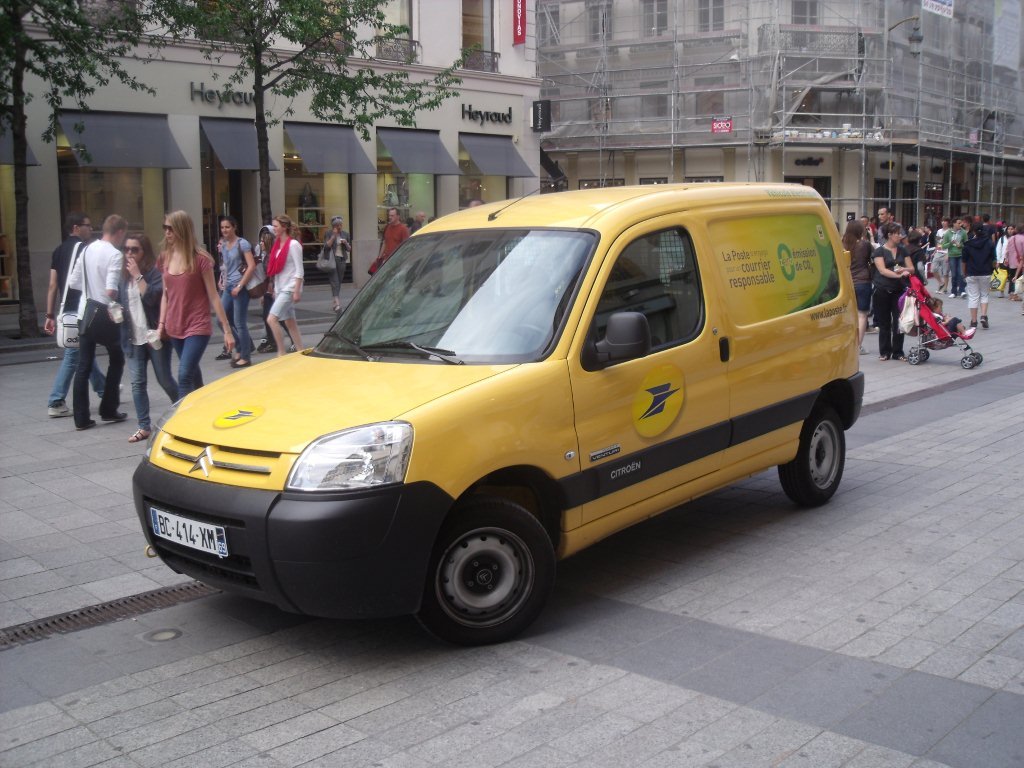
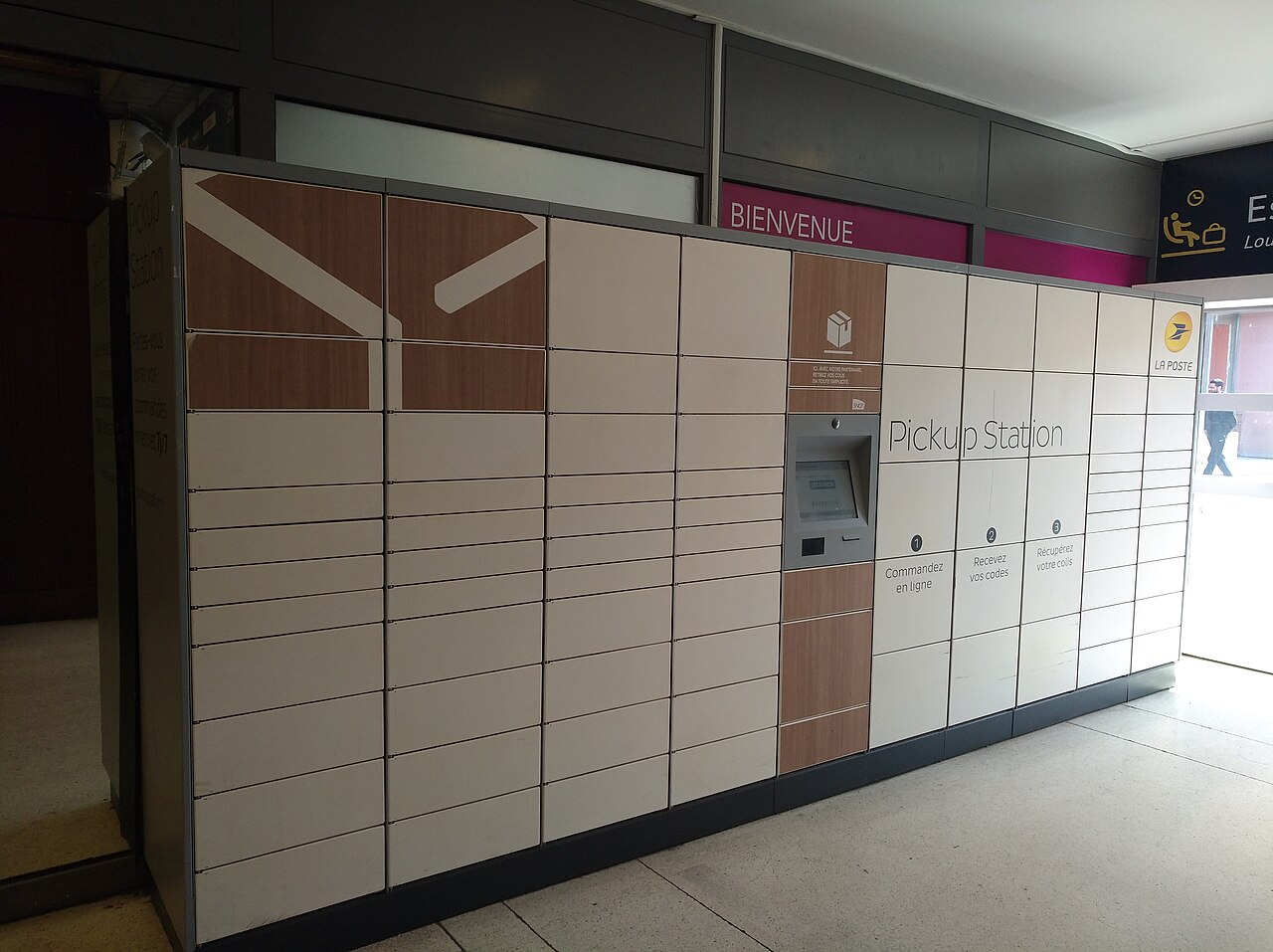
Many France deliveries fail quietly at the final step. Apartment buildings, intercom access, workday absence, and pickup-point convenience all matter. A parcel that was fine at export can still become a frustrating order if the buyer planned only for air movement and not for delivery reality. That is why France-bound orders benefit from the same discipline behind avoiding customs delays and avoiding return-to-sender problems: the shipment should stay clean all the way to the handoff, not just until it lands in Europe.
Common France Mistakes We See Repeatedly
- Treating France like an old low-value loophole market: buyers still assume a small parcel will stay cheap automatically.
- Crossing the €150 line by accident: one extra item changes the tax path after consolidation.
- Assuming IOSS or prepaid VAT without checking: the parcel arrives with taxes and handling still unpaid.
- Comparing only freight quotes: VAT, the €2 parcel tax, and delivery-side friction are left out of the decision.
- Using weak descriptions: vague declarations create more risk, not less.
The expensive France mistake is usually not a dramatic customs incident. It is a quiet margin leak. The buyer still gets the goods, but the shipment was built around old assumptions and no longer makes sense as a repeatable workflow.
When a Buying Agent Helps More Than a Forwarder
If the order is already stable and the main job is export, a parcel forwarder may be enough. But if the buyer still needs seller communication, payment help, product verification, or judgment about whether to split or combine goods before they cross a tax boundary, a buying agent often creates the stronger result. France punishes ambiguity. If the order is unclear before the parcel is built, it usually becomes more expensive after the parcel is built.
Final Checklist Before You Dispatch to France
- Confirm the real goods value after consolidation and check whether the parcel stays under or moves over €150.
- Verify how VAT will be collected instead of assuming it will sort itself out.
- Count the new €2 low-value parcel tax into the landed cost where applicable.
- Choose the shipping line after the warehouse measures and repacks the final carton.
- Use clear product descriptions and realistic values.
- Plan the France last mile, including address quality and pickup-point practicality.
Final Answer
Shipping from China to France in 2026 works best when the parcel is built around France's real import math, not around an old low-value shortcut. VAT starts from the first euro, duty can matter above €150, and France now adds a new €2 tax to low-value parcels as well. So the strong move is to confirm the final carton, confirm the VAT path, and only then choose the route.
For most ordinary consumer orders, a clean standard shipment with honest declaration and stable tax handling is usually better than a rushed route chosen too early. That is what keeps France-bound parcels commercially sensible instead of turning them into small but repeatable losses.