How to Ship From China to Australia in 2026: GST, Import Declarations, and Parcel Choices That Hold Up in Real Orders
 Nicholas Chen
By Nicholas | CNCartGo Editorial Team
For Australian buyers, a China order usually stops being simple when it turns from a checkout screen into a real import. The seller quote can still look fine. The product can still feel cheap. The line can still be labelled "standard." But once the parcel is heading to Australia, the order is judged by a different standard: what is the real consignment value, does the shipment need an import declaration, are there duties or charges to expect, and does the parcel structure still make sense after the final carton is measured?
That is why Australia-bound orders often disappoint buyers who only compare freight quotes. The Australian Border Force states that all goods imported into Australia are liable for duties and taxes unless an exemption or concession applies, that for most goods valued at AUD1,000 or less there are no duties, taxes, or charges to pay at import clearance, and that consignments over AUD1,000 being cleared into home consumption require an Import Declaration. Operationally, that means Australia shipping is not mainly about finding the cheapest line. It is about understanding where the order sits relative to the threshold and then building a parcel that can clear cleanly.
In warehouse workflows, the Australia orders that hold up best usually share three habits. The buyer decides early whether the shipment is a personal order, a sample run, or a business replenishment. The route is chosen after the warehouse sees the real carton, not while the order still exists only as screenshots. And the buyer treats customs handling, possible duties, and parcel design as part of the buying decision instead of a surprise for later. That is the difference between a parcel that simply arrives and a parcel that still makes financial sense when it arrives.

Short Answer
The best way to ship from China to Australia in 2026 is to choose the shipping method only after the warehouse confirms the final parcel profile, then compare routes against the real customs threshold and the real landed cost of the order. For most ordinary goods under the AUD1,000 band, a clean standard parcel route is often the best value. For goods over AUD1,000, buyers should expect a more formal import process, including an Import Declaration and applicable duties, taxes, and processing charges. The wrong move is not usually choosing the slow line. It is choosing a parcel structure that looked cheap before the import rules became real.
If you keep one rule in mind, keep this one: Australia rewards honest parcel design and threshold-aware planning more than aggressive rate-shopping.
Why Australia Needs a Different Shipping Mindset
Australia is not difficult because the rules are unusually hidden. It is difficult because many first-time buyers treat Australia like a generic destination instead of a market where the threshold matters operationally. The ABF guidance is unusually practical on this point. For most goods valued at AUD1,000 or less, the border-clearance side is relatively light. Once the consignment goes over AUD1,000, the order enters a more serious import path with an Import Declaration and the related duties, taxes, and charges that apply. That changes the economics of the shipment immediately.
For buyers, that means the key shipping question often comes before freight comparison. Are you building a straightforward low-value consumer parcel, or are you creating a higher-value import that needs more formal clearance? Buyers who do not answer that early often make the wrong decisions later. They combine too many items into one carton, choose express before seeing the final dimensions, or calculate margin without leaving room for charges that only become visible at the import stage.
That is also why some Australia orders need a service decision before they need a shipping decision. If the real problem is still seller communication, payment support, or mixed-platform coordination, then the better starting point is whether you need a buying agent or a parcel forwarder. Shipping gets much easier when the buying-side ambiguity has already been resolved.
What Australia Buyers Actually Pay For
Most Australia imports involve four cost layers, not one.
- Product cost: what you paid the seller or platform in China.
- China-side handling: domestic freight, receiving, consolidation, inspection, or repacking.
- International transport: the standard line, express courier, or special route used to move the parcel to Australia.
- Import-side cost: any applicable duties, taxes, import processing charges, and the administrative friction that appears once the order sits above the easy threshold.
The expensive mistake is not forgetting that those layers exist. It is comparing orders before all four are visible. A buyer may think they saved money by adding one more item to a shipment, but that extra item can move the order into a different import workflow. The parcel still arrives, but the threshold logic changed, the paperwork changed, and the landed cost changed with it.
A Practical Australia Import Table
| Order type | Usually best fit | Main watchpoint | Why buyers get it wrong |
|---|---|---|---|
| Ordinary consumer goods under the low-value band | Clean standard parcel route | Final consignment value and parcel size | They optimize for speed instead of total landed value |
| Higher-value shipment above AUD1,000 | Controlled shipment with declaration discipline | Import Declaration and applicable charges | They budget only for freight and forget the formal import step |
| Urgent commercial restock | Express if margin or stockout risk justifies it | Total landed cost versus business urgency | They pay for speed without checking whether the repeat workflow still works |
| Mixed cart with bulky or fragile items | Repacked standard route after warehouse review | Volumetric weight and declaration clarity | They choose the line before the carton is rebuilt |
| Restricted or battery-related goods | Compatible special line | Route eligibility | They try to force sensitive goods onto a generic route |
The Workflow That Usually Works Better for Australia
1. Decide whether this is a personal parcel, a sample order, or a business import
This sounds obvious, but it controls almost everything that follows. A personal buyer may accept a little more transit time if the shipment stays within a simple, low-risk profile. A small business testing the Australian market needs a workflow that can be repeated. That means judging the shipment not only by whether it arrives, but by whether the same structure would still make sense on the second and third order.
2. Let the warehouse see the final carton before you choose the route
Australia shipping quotes often look acceptable when the order is still a shopping cart and less attractive once the real carton exists. That is especially true for lightweight but bulky goods, mixed baskets, and orders that need stronger packing than the buyer expected. The route should be chosen after the warehouse confirms dimensions, restricted-item profile, and whether one parcel or two cleaner parcels make more sense. That is the same reason we recommend starting with the best shipping method from China only after the parcel becomes real.
3. Check whether the consignment still sits on the side of the threshold you intended
For Australia, this is the step many buyers skip. The ABF states that an Import Declaration is required when a consignment being cleared into home consumption has a combined value over AUD1,000. That means buyers should not treat threshold planning as a rough estimate. They should review the combined value of the actual shipment they are about to dispatch. One extra item, one bundled accessory set, or one combined carton can change the import pathway.
4. Keep the declaration plain, specific, and defensible
Australia-bound parcels do not benefit from vague descriptions. A declaration built around soft words like "accessories," "gift," or "samples" rarely helps when the shipment needs a clean import story. The stronger approach is to describe the goods plainly, keep the declared value aligned with the transaction, and avoid combining unrelated products only to chase one freight quote. If you need a refresher on valuation discipline, our guide on what value to declare when shipping from China is the right companion article.
5. Match urgency to business logic, not buyer anxiety
Australia buyers often over-upgrade to express because they are nervous about delay. Sometimes that is fully rational, especially when a replacement part, launch date, or stockout is involved. More often, the real problem is that the parcel was not designed well enough. For ordinary low-value goods, a clean standard route is usually the healthier answer. For commercial orders where delay creates real business loss, express can be worth paying for. The important thing is to decide based on total business cost, not on the emotion of wanting the order to feel finished sooner.
6. Build the parcel for the Australian last mile too
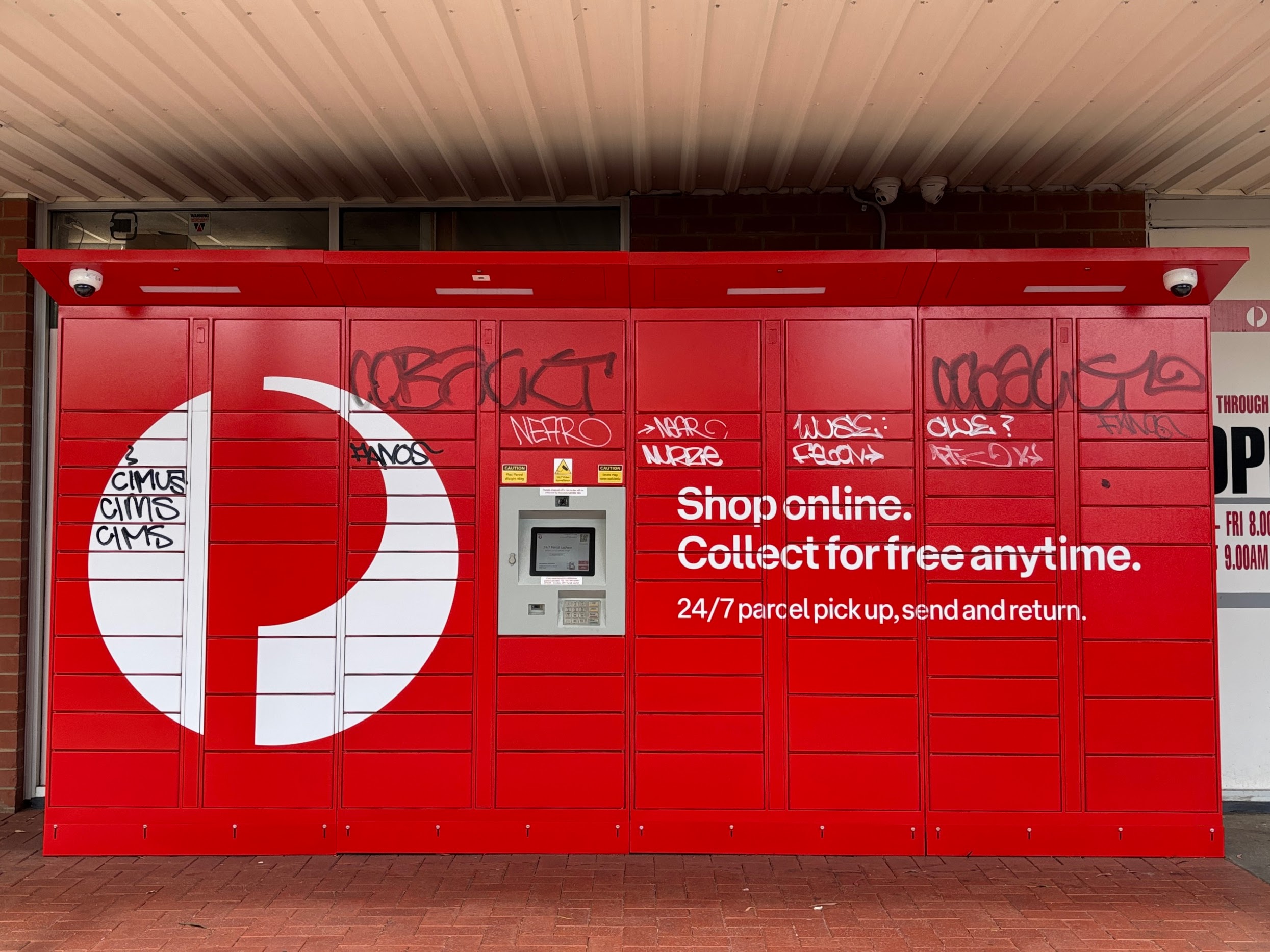
The shipment is not finished when it lands. Delivery conditions, local handling, parcel lockers, address accuracy, and recipient coordination are all part of the same workflow. A parcel can move well across the line-haul and still become annoying at the last mile if the packaging is weak, the carton is overbuilt, or the buyer ignored the delivery reality on the Australia side. That is why the same habits behind avoiding customs delays and avoiding return-to-sender problems matter here too. The best Australia shipment is not the one that flies fastest. It is the one that remains clean from export to delivery.
Common Australia Mistakes We See Repeatedly
- Using the AUD1,000 threshold as an afterthought: buyers remember it late, after the parcel has already been built around the wrong assumptions.
- Calculating margin before import-side friction is visible: the order looked profitable until the formal import path became necessary.
- Choosing one large messy parcel instead of two cleaner parcels: lower freight on paper can still create a weaker customs story and worse handling.
- Overpaying for express on non-urgent goods: fear of delay becomes more expensive than delay itself.
- Treating Australia as a generic destination: the parcel strategy is copied from another market without checking whether the threshold and declaration logic still fit.
The most expensive Australia mistake is usually not a dramatic seizure or a headline-level customs problem. It is a quiet margin leak. The order still arrives, but the import pathway was misjudged, the parcel was built poorly, or the buyer learned too late that the shipment structure was not commercially sound.
When a Buying Agent Makes More Sense for Australia Orders
If the goods are already purchased, the product details are stable, and the main task is consolidation plus export, a parcel-forwarding workflow can be enough. But if the order still needs seller clarification, payment support, inspection judgment, or help deciding whether the shipment should stay under or move over a threshold cleanly, a buying agent often creates the better result. That matters for Australia because a threshold-sensitive shipment punishes weak information. If the order is ambiguous upstream, the export decision usually becomes worse downstream.
In practice, Australia orders become much easier when the buying-side questions are answered before the parcel is built. That is especially true for mixed carts, sample orders, or any shipment where one extra item could change the import logic.
Our Recommendation by Buyer Type
- First-time Australian shopper: keep the basket ordinary, keep the declaration honest, and use a clean standard route once the final carton is confirmed.
- Small business testing Australian demand: run a controlled sample shipment built around repeatable import math, not a one-off rush order.
- Regular cross-border buyer: consolidate only when the combined parcel still improves total landed cost after the threshold and volumetric weight are reviewed together.
- Buyer with restricted or battery-related goods: use a compatible special line and never pretend the parcel is simpler than it really is.
Final Checklist Before You Dispatch to Australia
- Confirm the real combined consignment value before finalizing the route.
- Choose the shipping line after the warehouse measures and reviews the actual carton.
- Use clear product descriptions and a defensible declared value.
- Check whether one parcel or two cleaner parcels creates the better import story.
- Only pay for express when the business cost of waiting is genuinely higher.
- Make sure the order still makes sense after import-side duties, taxes, and charges are considered where applicable.
Final Answer
Shipping from China to Australia works best when the parcel is built honestly and costed honestly. For most ordinary goods under the easy threshold, a clean standard parcel route is usually the strongest value. For consignments over AUD1,000, buyers should plan for the more formal import path instead of being surprised by it. And for any shipment where the route or declaration still depends on unresolved buying questions, the workflow should be fixed before the parcel leaves China.
The practical goal is not only to get the goods delivered. It is to get them delivered in a way that still makes financial sense after threshold logic, paperwork, shipping, and last-mile reality are all included. That is the rule that keeps Australia imports from turning into expensive lessons.