How to Avoid SKU and Carton Label Mix-Ups Before You Ship From China
 Nicholas Chen
By Nicholas | CNCartGo Editorial Team
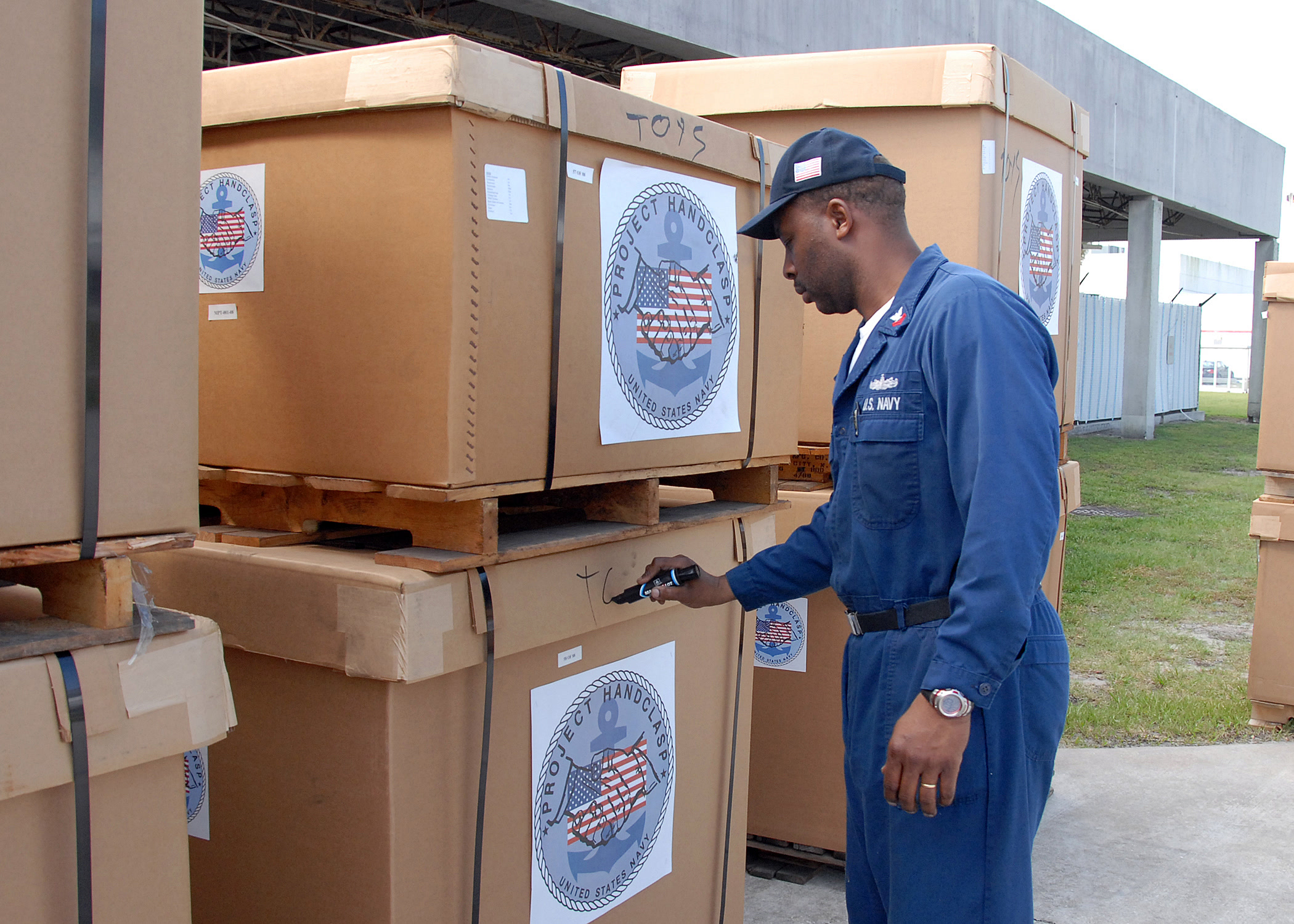
SKU and carton label mistakes are easy to underestimate because the parcel still looks organized. Boxes are sealed. Tracking updates normally. The warehouse can see a clean exterior. But if one carton is tagged with the wrong SKU, if two similar parcels receive swapped labels, or if the warehouse note follows the wrong package after consolidation, the shipment can leave China with the wrong contents under the right tracking number. That is an operations mistake, not a paperwork detail.
This issue shows up most often when buyers order several close variants at once: the same item in different colors, storage sizes, plug types, or bundle levels. It also appears in mixed orders where sellers use handwritten labels, short internal codes, or outer cartons that do not match the marketplace listing cleanly. In real workflows, the damage is not just confusion. A label mix-up can turn into the wrong customer delivery, an inspection miss, a missed accessory check, or a useless repack approval based on the wrong parcel identity.
Short Answer
To avoid SKU and carton label mix-ups before shipping from China, keep one warehouse-readable identifier for each order line, ask the seller to mark similar variants clearly before domestic dispatch, verify the label against both the item and the quantity at intake, and stop consolidation when the parcel identity is uncertain. If a box cannot be matched confidently, it is not ready to export.
Why Label Errors Survive Longer Than Buyers Expect
Most buyers assume the real risk is the product itself being wrong. In practice, the workflow often fails one step earlier. The product may be correct, but the warehouse, buyer, and seller are no longer talking about the same parcel. That is why label control sits next to parcel control and variant control. Our guides on avoiding parcel count errors and avoiding size, color, and model mix-ups solve adjacent problems, but label discipline is the step that keeps those checks attached to the right carton.
| Failure point | What usually happened | What the buyer should do |
|---|---|---|
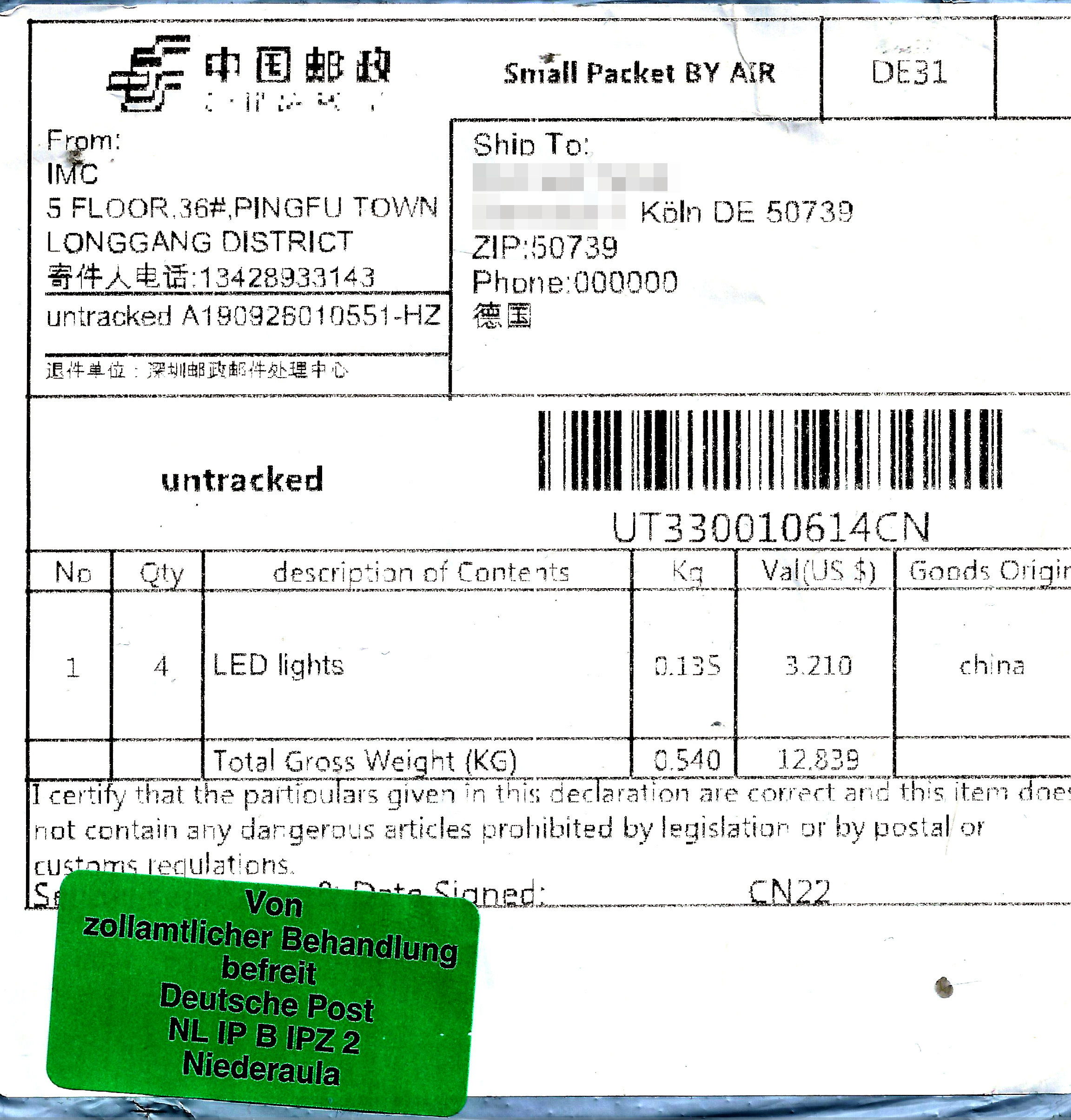
| Seller uses internal shorthand only | The warehouse sees a code but not the variant meaning | Give the warehouse the code plus the human description |
| Two cartons look almost identical | One label gets attached to the wrong box | Require a second identifier such as quantity, color mark, or bundle note |
| Repack starts too early | The original carton identity becomes harder to prove | Confirm the right parcel before approving repack |
| Warehouse note is vague | The team checks arrival but not item identity | Ask for a match between parcel label, SKU, and visible contents |
The 5 Checks That Catch Most Mix-Ups
- Use one reference line per SKU. Do not rely on memory or long seller chat history. Keep a short line that includes product name, variant, quantity, and the exact code or note the warehouse should expect to see.
- Separate similar variants before they arrive. If you ordered the same product in black, white, and silver, say so before domestic dispatch. Similar cartons are where clean-looking mistakes begin.
- Match the label to the item, not only to the parcel count. A delivered carton is not automatically the right carton. This matters especially when several parcels land on the same day.
- Check identity before repack or merge. Once boxes are opened and reorganized, it becomes harder to prove which label belonged to which seller parcel. That is why repack approval should happen only after the carton identity is clear.
- Hold export if the identifier trail breaks. If the label, the item, and the order line do not match cleanly, stop and clarify. That pause is cheaper than international rework.
These checks work because they fit real warehouse behavior. Teams are good at confirming visible details when the buyer provides a usable reference. They are much less effective when the request is broad, such as "please make sure this is the right one." That is also why understanding what warehouse inspection actually checks helps buyers write better instructions.
When a Buying Agent Adds More Value Than a Basic Forwarder
If your order includes many close variants, seller substitutions, or multi-seller bundles, label control is not just a warehouse task. It starts with seller-side coordination. In those cases, a buying agent often adds more value than a basic forwarder because the agent can normalize the item list before the warehouse ever receives the cartons. That reduces the chance that one vague seller code becomes a costly export mistake.
A Simple Hold-or-Ship Rule
Ship only when you can answer all three questions with confidence:
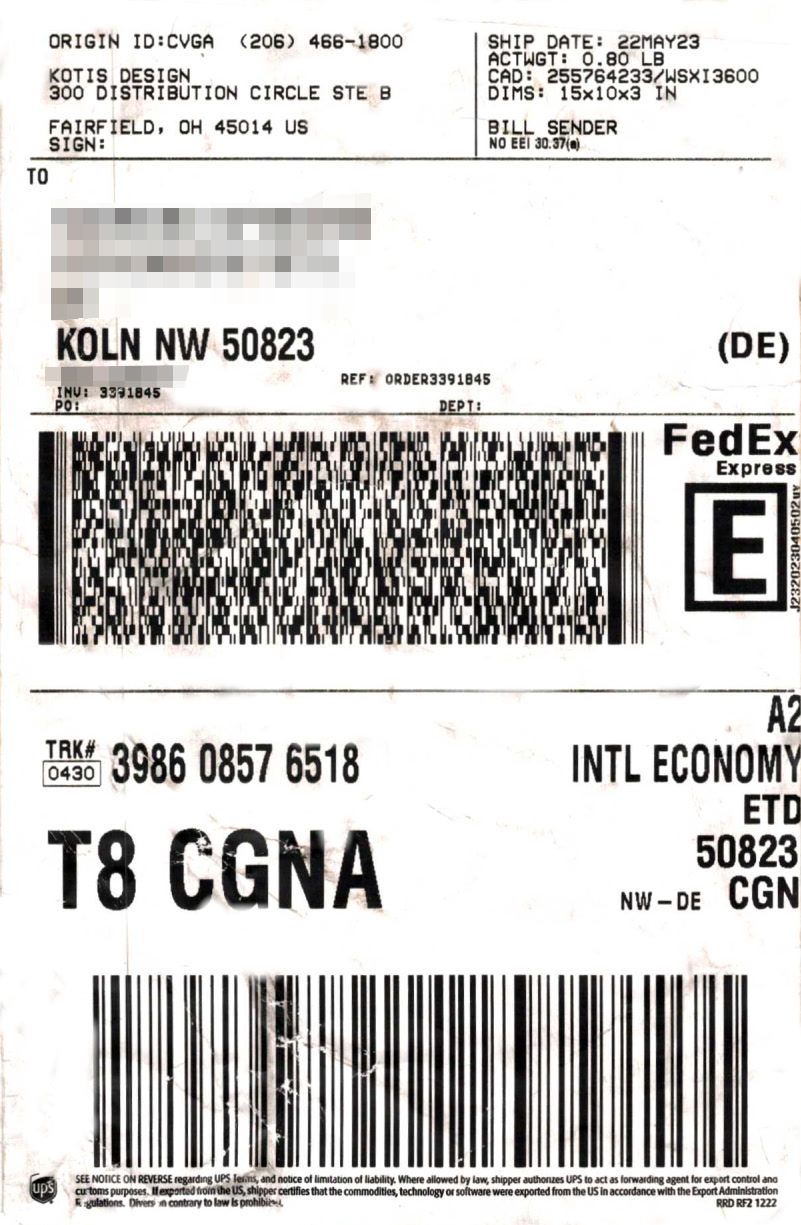
- Does this carton label match the exact SKU or variant I intended to ship?
- Does the visible quantity or bundle note still support the order line?
- Would I be comfortable sending this parcel to an end customer without adding an apology or correction later?
If any answer is no, hold the shipment. The expensive part is not the label itself. It is the wrong parcel leaving the warehouse under the appearance of a correct workflow.
Final Take
The safest way to avoid SKU and carton label mix-ups before shipping from China is to treat parcel identity as a real control point. Give the warehouse a usable SKU reference, ask sellers to mark similar variants clearly, and verify the label before repack, consolidation, and export payment. A clean tracking number does not prove the right carton is moving. A verified parcel identity does.