How to Avoid Size, Color, and Model Mix-Ups Before You Ship From China
 Nicholas Chen
By Nicholas | CNCartGo Editorial Team
Wrong size, color, and model shipments are one of the easiest ways to turn a good China order into a bad landed-cost decision. The painful part is that many of these mistakes are still fixable before export, but buyers often notice them too late. The seller sent the black version instead of navy. The warehouse received the 256GB phone case mold instead of the 128GB version. The supplier packed mixed ring sizes in one bag and the buyer approved consolidation because the parcel count looked correct. Once the shipment leaves China, a small variant error becomes a return, a discount, or dead stock.
This problem shows up most often in categories where products look similar at a glance but matter a lot in the details, such as jewelry plating colors, stationery pack sizes, phone accessory model compatibility, and apparel or soft goods with mixed variants. In real buying workflows, the issue is rarely solved by asking for "inspection" in the abstract. It is solved by telling the seller and the warehouse exactly what must be verified before the export parcel is locked.

Short Answer
To avoid size, color, and model mix-ups before shipping from China, confirm the exact variant set with the seller before domestic dispatch, keep a clean SKU ledger for every order, and give the warehouse a variant-specific inspection note before consolidation. Do not approve export simply because the parcel arrived. Approve only after the received goods match the exact version you intended to buy.
Why Variant Mix-Ups Happen So Often
Cross-border buyers usually think in storefront listings, while warehouses work with parcels, labels, and visible goods. That gap causes most variant mistakes. A seller may list five colors under one product page but ship two cartons from different shelves. A phone case order may be correct at the product-family level but wrong at the device-model level. A jewelry order may arrive with the right design but the wrong plating tone. If the warehouse note says only "check item received," the risky detail never gets checked.
Another common failure is that the buyer remembers the order in natural language instead of in a usable verification format. "Blue notebook set" sounds clear in chat, but it is weak as an inspection instruction. A warehouse team can check a specific pack count, barcode, label wording, or visible model mark far more reliably than it can guess what shade of blue you meant from memory.
That is why the most useful control point is not after export, but before consolidation. Once mixed goods are repacked together, the cost of fixing a variant problem rises fast.
High-Risk Orders That Need Variant-Specific Checks
| Order type | Typical mix-up | What to verify before shipping |
|---|---|---|
| Phone accessories | Wrong device model or connector type | Printed model number, connector shape, and quantity by SKU |
| Fashion jewelry | Wrong plating color or mixed sizes | Color finish, size marks, and set completeness |
| Stationery bundles | Wrong pack size or language variant | Units per pack, cover design, and carton label |
| Apparel or soft goods | Mixed sizes in one order | Size labels, color breakdown, and assortment photo |
| Replacement parts | Correct product family, wrong sub-model | Part code, compatibility mark, and seller note cross-check |
This is one reason buyers of phone accessories, fashion jewelry, and stationery and office supplies need a tighter variant workflow than buyers of simpler one-SKU items. The margin loss usually comes from the wrong version arriving, not from the parcel failing to arrive.
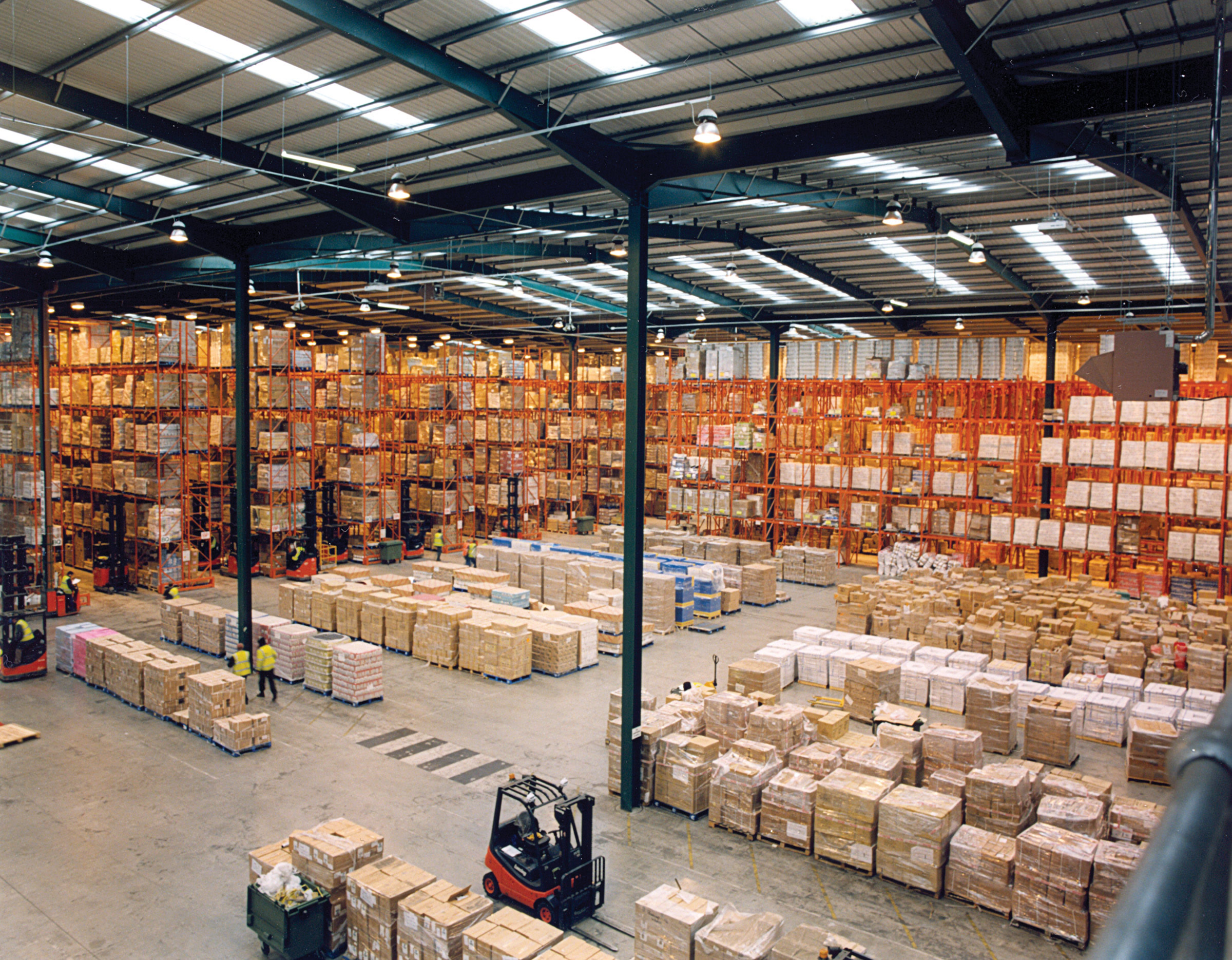
A Seller Check That Prevents Most Variant Errors
Before the seller ships domestically, ask for a confirmation in a format that can be reused later. The most practical version is a short line per SKU:
- item name or short description
- size, color, or model
- quantity
- whether mixed variants will ship in one carton or several cartons
- any visible part code, package label, or box marking the warehouse can inspect
That workflow sounds simple, but it changes the quality of the whole order. Instead of "please ship the correct one," you now have something like "iPhone 15 Pro case, smoke black, MagSafe version, 20 pieces, retail bag printed with A310 mark." A warehouse can verify that. A vague promise cannot be audited.
If the seller cannot give a clean variant confirmation, that is already a signal. It does not always mean the order is unsafe, but it does mean the buyer should slow down, especially when the goods are intended for resale.
What to Put in Your Warehouse Inspection Note
A good inspection request is short, specific, and visible. In real workflows, long paragraphs are less useful than a precise checklist. Ask the warehouse to confirm only the details that can actually be seen without destroying the packaging. A practical note usually covers three things:
- Variant identity. Example: confirm black finish, size 7 and size 8 labels, or exact device model printed on bag.
- Quantity structure. Example: confirm 5 packs of 10, not 10 loose units or 4 packs plus samples.
- Set completeness. Example: confirm charger cable, lid, spare part, or matching pair is present if the product is incomplete without it.
This is where buyers often misunderstand what the warehouse can do. A warehouse is strong at visible checks, carton counts, and basic assortment confirmation. It is not a substitute for full functional testing on every item. Our guide on what warehouse inspection actually checks before shipping is useful here because it helps buyers ask for a realistic check instead of a vague promise that no one can execute well.
If the order needs a more involved confirmation, such as matching many variants to a wholesale spreadsheet, this is also where a buying agent can outperform a basic forwarder. The value is not only communication. It is order-level control when the product detail matters commercially.
When Repack Helps, and When It Makes the Problem Harder
Repacking can protect fragile goods, reduce shipping volume, and clean up messy outer cartons. But it can also hide a variant problem if you approve it too early. Once mixed items are removed from original packaging or grouped into one export parcel, the evidence trail gets weaker. That does not mean repack is bad. It means the sequence matters.
The safer order is:
- confirm the correct variant has arrived
- confirm quantity and set completeness
- then approve repack if it still makes cost or protection sense
If you reverse that order, you may save a little volume but lose the cleanest chance to catch a wrong version. That is why our guide on what to check before approving a warehouse repack belongs in the same workflow as variant control.
A Simple Pre-Export Workflow for Multi-Variant Orders
- Before payment: note every variant that would hurt margin or usability if wrong.
- Before domestic shipment: get seller confirmation in a reusable SKU line format.
- At warehouse arrival: compare the parcel to your SKU ledger, not to memory or chat fragments.
- Before repack: ask for visible variant confirmation on the highest-risk items first.
- Before export payment: approve only when the variant mix matches your actual selling or usage plan.
This process is especially important when one wrong variant can poison the economics of the whole batch. Ten correct items and ten unusable ones do not average out into a good order. They create customer-service cost, slower sell-through, and avoidable discounting.
Final Take
The best way to avoid size, color, and model mix-ups before shipping from China is to stop treating "inspection" as a generic safety word. Variant control works when the seller confirms the exact version, the buyer records it in a usable ledger, and the warehouse checks the visible details before export. That sequence is what keeps a similar-looking item from becoming the wrong commercial item.
In practice, the expensive mistake is not that China orders contain detail risk. It is that buyers often wait until after shipping to manage it. If the right variant is commercially important, make it operationally visible before the parcel leaves China.