How a Small Business Owner Found Her Best-Selling Product on 1688 - A Real Sourcing Story
 Nicholas Chen
By Nicholas | CNCartGo Editorial Team
This is the sourcing story of Emma, a small business owner in the UK who runs an online store selling home organisation accessories. She had been buying from UK wholesalers for two years, but her margins kept shrinking. A friend mentioned 1688.com as a wholesale alternative. She had never heard of it. Six months later, her best-selling product line comes from a supplier she found there. This is how the process actually went - not the polished version, but the week-by-week reality.
The Starting Point: Searching Without Knowing the Language
Emma does not speak Chinese. Her first attempt at searching 1688 ended with a browser full of characters she could not read. She used Google Translate in Chrome, but product categories were laid out differently than what she was used to on Alibaba or Etsy wholesale tools. Instead of browsing by broad categories like "kitchen storage," she had to search by specific Chinese product terms.
The breakthrough came when she searched for the Chinese name of the exact product she wanted to source: acrylic makeup organisers. She used a Chinese sourcing guide that explained how to convert English product names into the terms 1688 sellers actually use. Once she had the right keywords, the listings made more sense - prices were clearly lower than UK wholesale, but she could not tell which suppliers were trustworthy.
This is the same starting point covered in the broader 1688 buying guide for international buyers. The platform itself works. The hard part is finding reliable sellers among thousands of listings.
Shortlisting Suppliers: What Actually Mattered
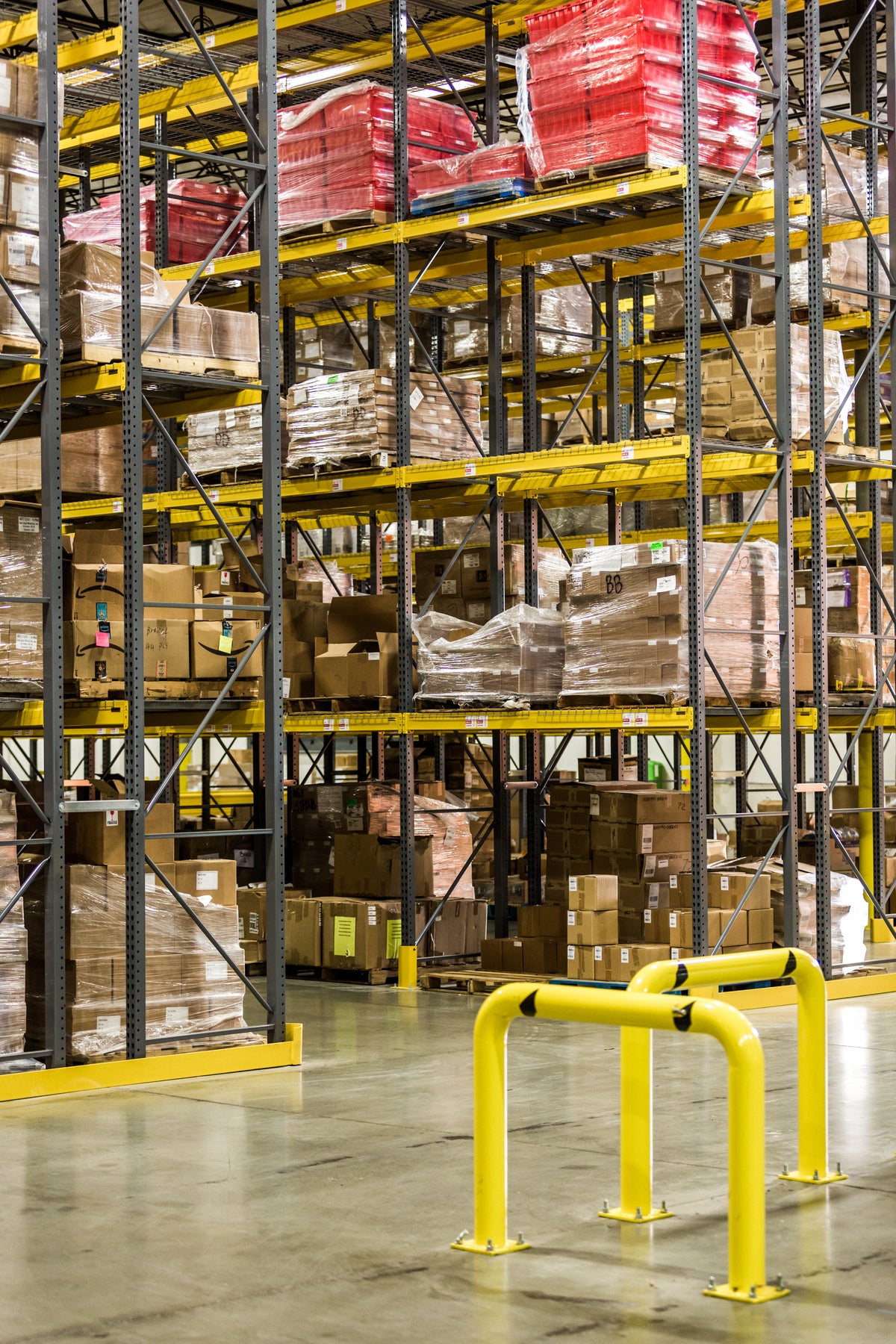
Over two weeks, Emma narrowed her search from forty potential suppliers to six. The filters she used were not complicated. She looked at:
- Years on the platform. Suppliers with at least three years of history showed longer sales records and more buyer feedback.
- Real product photos. She avoided listings that used studio mockups or stolen images from other brands. Suppliers with factory-floor photos and packaging material visible in the background felt more grounded.
- Order volume on similar items. A supplier who had sold thousands of units in a similar category had better production experience than one with a single popular listing surrounded by unrelated products.
- Responsiveness. She sent each supplier a simple question through the 1688 chat interface, using machine translation. Three did not reply within two days. Those were removed from the list.
These checks are not different from what a warehouse inspection before shipping would verify later: real inventory, consistent product descriptions, and a supplier who responds to questions.
Sample Testing: The Most Important Step
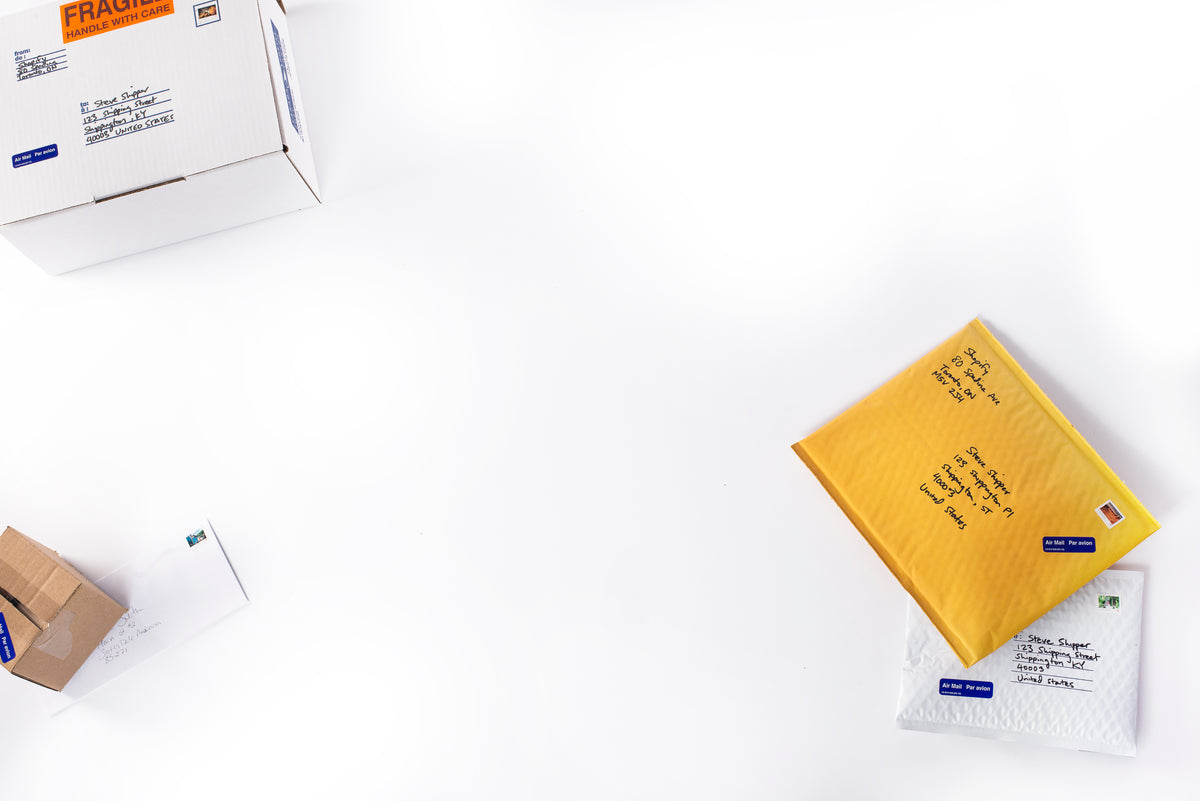
Emma ordered samples from three shortlisted suppliers. She used a package consolidation address in Guangzhou so all samples could arrive at one point and be inspected together. The samples cost her about £45 including domestic shipping within China. It was the best money she spent on the entire sourcing process.
Of the three samples:
- Supplier A sent a product that matched the listing photos exactly. The acrylic was clear, the edges were smooth, and the packaging included protective foam. This supplier became her first production partner.
- Supplier B sent a visibly lower-grade version. The acrylic had a yellow tint, the dividers did not fit properly, and the packaging was loose. She crossed this supplier off the list.
- Supplier C sent a product that looked good but smelled strongly of adhesive. The warehouse team flagged this during inspection. Emma rejected this supplier because the smell would create returns from her own customers.
This kind of parallel sample comparison is exactly the process described in how to avoid missing parts and accessories before shipping. If Emma had ordered from Supplier B or C based on price alone, she would have ended up with unsellable inventory.
The First Production Order: MOQ and Negotiation
Supplier A had a minimum order quantity of 50 units per design. Emma needed to start with 200 units across four colour variants. The supplier quoted ¥38 per unit (about £4.10). She had seen comparable UK wholesale prices at £8.50 per unit. The margin looked good, but she asked about two things:
- Colour consistency. She asked whether all four colours would be produced from the same batch of acrylic to avoid colour variation. The supplier confirmed, showed photos of a recent multi-colour run, and she approved.
- Packaging specification. She specified individual bubble wrap and a standard export carton, not flimsy poly bags. The supplier agreed to this at no extra cost because it was their standard for export orders anyway.
The order was placed through the agent service she had arranged, and the payment was handled in RMB via Alipay through the agent. The process took four days from order confirmation to production start.
Inspection Before Consolidation
When the 200 units arrived at the Guangzhou consolidation warehouse, the team inspected them against a checklist Emma had prepared. They checked:
- Quantity: 200 units, all four colours, 50 each. Correct.
- Visible defects: two units had minor scratches on the acrylic surface. These were set aside.
- Packaging condition: all cartons were intact, no moisture damage.
- Colour matching: the four colours were consistent with each other. No shade variation.
The two scratched units were removed. Emma decided not to return them because the cost of return shipping would exceed the unit value. She wrote them off as sampling losses - a small but realistic cost of the sourcing process. This practical approach is explained in more detail in the guide to parcel consolidation timing and decisions.
Consolidation and Shipping Route
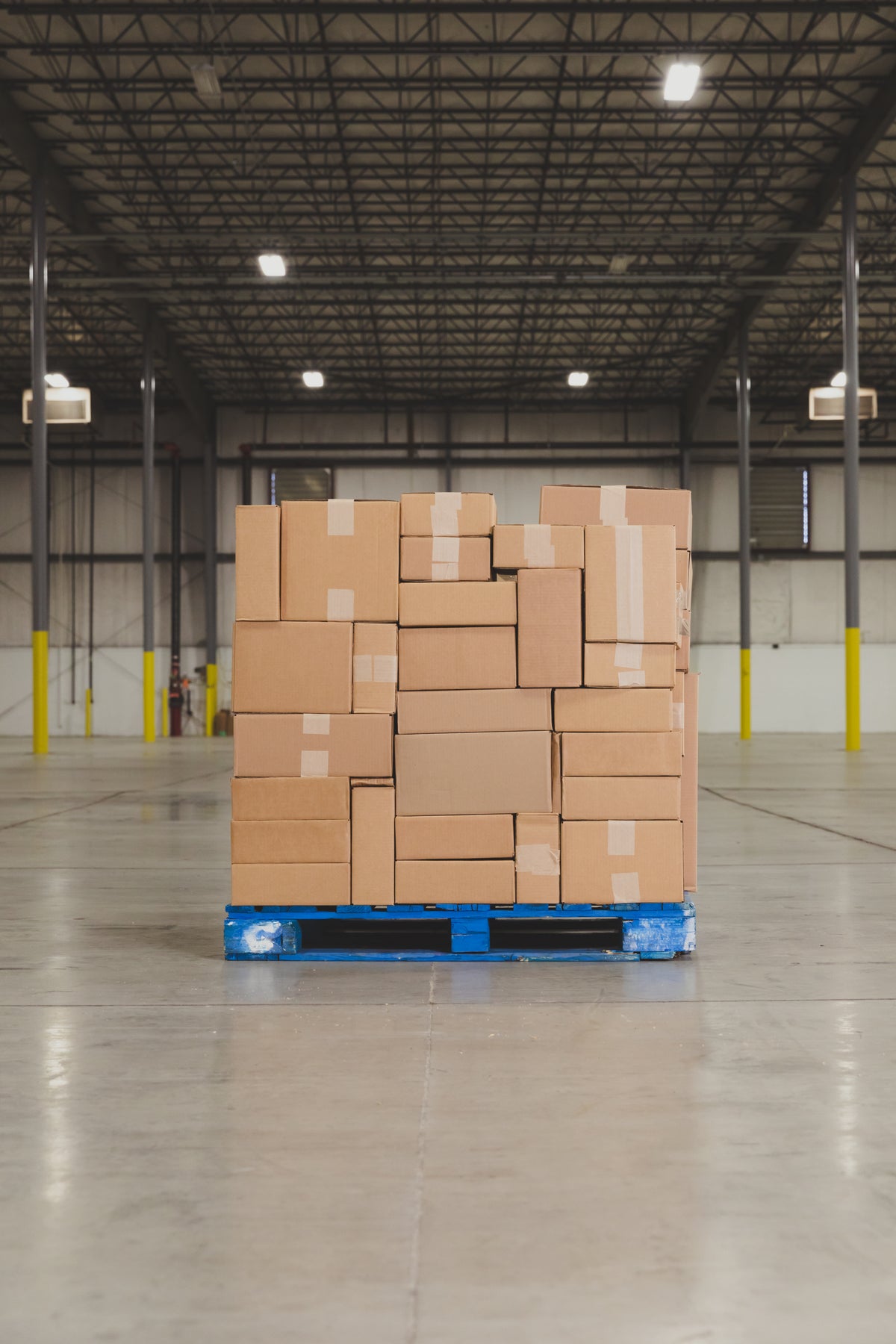
The 198 good units were consolidated into three export cartons with a total volume of 0.28 CBM and a weight of 24 kg. Emma chose sea-air combined shipping via the consolidation service because her stock was not urgent but she did not want to wait six weeks for sea freight alone.
The shipping route was: Guangzhou consolidation warehouse → Shenzhen port → air to London Heathrow → local courier to her home studio. Total transit time was 12 working days. Total freight cost including UK customs clearance was £83.
She later compared this to the shipping cost estimation and line selection guide and confirmed that sea-air was the most cost-effective option for her weight and urgency combination.
The Results: What Changed for Her Business
Emma's first 1688-sourced batch arrived with a landed cost of £5.20 per unit (including product cost, agent fee, shipping, and customs). Her previous UK wholesale price was £8.50. The difference gave her room to improve her Etsy packaging and add a small free gift without cutting into her margin.
She now orders from Supplier A every six to eight weeks. Her order volume has grown from 200 units to 600 units per batch. She has added two more product variants based on customer requests, both sourced from the same supplier after further sample rounds.
Not everything has been smooth. One shipment arrived with a three-week delay because of port congestion in Shenzhen. A recent colour variant required three sample revisions before the colour matched her expectations. These delays are part of the reality of sourcing from China, and she budgets for them now.
Lessons for Other Small Business Owners
Emma's 1688 sourcing story is not a shortcut. It is a deliberate process that took her about six weeks from first search to first sellable inventory. The steps that made the difference were:
- Taking the time to find the right Chinese search terms instead of browsing blindly.
- Ordering samples from multiple suppliers before committing to a production order.
- Using a consolidation address that offered inspection and repack services.
- Starting with a small batch instead of a large first order.
- Accepting that some units would be lost to quality issues - and building that into the pricing.
For small business owners who are considering 1688 sourcing but are unsure where to begin, the starting point is not the first order. It is the first sample order and the first real supplier conversation. Everything else builds on that.