Short answer
A 1688 sample can help you define the product specification before a bulk order. Record agreed dimensions, weight, packaging and visible details, then ask the supplier to confirm the bulk requirements in writing. Sample records can support a later query, but do not guarantee bulk quality or determine the outcome of a dispute.
Plan checks around the product and intended use. Agree who will inspect the sample, which units and measurements are covered, and whether specialist testing is required; ordinary warehouse photos cannot establish authenticity or full functionality.
Photograph the sample like a specification sheet
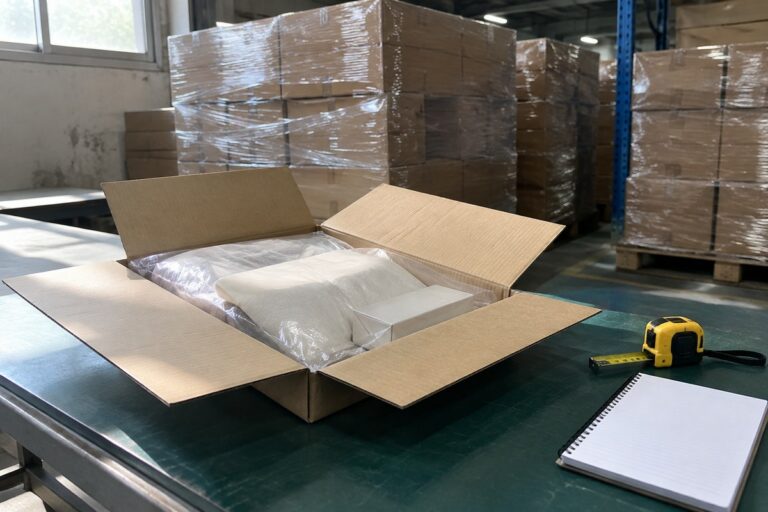
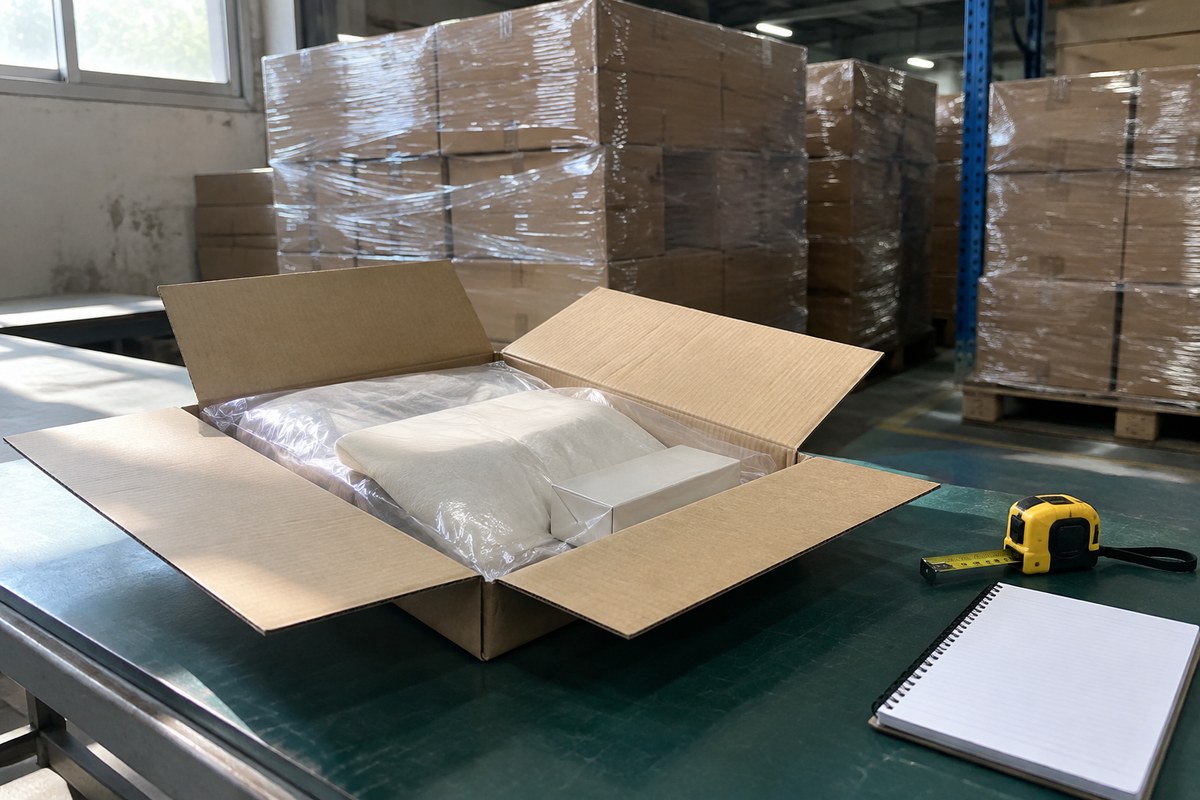
Take a set of images that someone else could use as a checklist: four sides plus the top, a tape measure laid along the length and width, the label or stamping close up, the closure or seam close up, and the unit beside a common object for scale. Use even daylight or a bright neutral lamp, and avoid flash on textured surfaces, because glare hides the very detail you are trying to record.
Name the files by item and date rather than by camera number. Include the order reference and variant so the records can be matched to the supplier's written specification later.
Measure details needed for your specification
A listing may omit details relevant to your use. Select measurements appropriate to the product, such as material thickness, unit weight, seam width, hardware dimensions and an internal dimension where fit matters. If a master carton is supplied, record its weight and dimensions. Ask in advance which measurements the supplier, an inspector or the warehouse can provide; do not assume they are included in a standard photo check.
Record the measurement method and the tolerance you need, then obtain the supplier's agreement before ordering bulk. A written specification helps clarify expectations but does not replace applicable supplier or marketplace dispute terms.
Check critical parts and agree any tests
Review accessible closures, corners, hinges, strap attachments and connectors for visible issues. Follow the product instructions and agree any handling or function checks with the person carrying them out. Do not assume ordinary handling simulates transport or establishes durability; specialist performance or safety tests require a separate, suitable method.
For electrical items, record the rated voltage and plug type printed on the device. Label photos alone do not verify electrical safety, regulatory compliance or operation; arrange any necessary checks with a qualified provider before sale or use.
Compare against the bulk when it arrives
Before the bulk order reaches the warehouse, agree the inspection scope, sampling quantity and measurement method. Compare the selected units with the agreed specification using consistent lighting and measuring tools where available. Request quantity, colour, carton weight or dimension checks as needed, and confirm any additional charges. A sample check does not establish that every unit in the batch matches.
If a checked item is outside the agreed tolerance, document the discrepancy and contact the supplier or support before international dispatch. Check applicable return or dispute deadlines; warehouse storage time does not extend them, and returns after shipment may involve additional costs.
Keep the evidence usable
Keep sample photos, measurements, the agreed specification, messages and the invoice together by order. These records may help with supplier queries, but customs, warranty and dispute processes can require different evidence. Where an order will be split into parcels, retain a contents record for each parcel and request any photos needed for that record.
Storage, fees and timing
Under the warehouse storage policy, storage is free for 100 days from the order status marked Received. Days 101–200 cost USD0.10 per parcel per day, with a maximum of 200 days in total; after 200 days, parcels are treated as automatically destroyed and cannot be recovered or shipped. For buying-agent orders, the service fee is 6–15% of product value, subject to checkout. The first payment covers products, seller-to-warehouse delivery and the service fee. International freight is separate, confirmed after warehouse receipt and parcel measurements using the applicable actual or volumetric weight, and paid before dispatch. Review the payment policy and ask for the current route estimate; payment alone does not confirm carrier handover, and fixed transit times are not guaranteed.
Sample inspection checklist
- Agreed sides, labels and relevant details photographed
- Agreed dimension photos show the measuring tool and measurement points
- Requested measurements, checked quantities and tolerances recorded
- Rated voltage and plug type recorded for electrical items
- Master carton dimensions and weight recorded where available
- Results filed with the agreed specification, order reference and invoice
Next step
Send the 1688 link, required variant, sample records, planned bulk quantity and destination through /en/buy/. Ask for confirmation of the supplier specification, inspection scope, charges and route eligibility before committing to production. Sample measurements support planning; the actual packed bulk parcel determines the shipping quote.
About the author: Compiled by the CNCartGo editorial team as a planning checklist for sample records and agreed bulk-order checks.
Last reviewed: September 5, 2026. Individual suppliers handle sample requests, sample charges and returns in their own way, so confirm the arrangement you have actually agreed before paying.
Related guides
Use the guides below to plan supplier questions, sample records and shipping checks before increasing an order.
- 1688 Supplier Quote Checklist: Unit Price, MOQ, Packaging, and Domestic Freight Before You Pay
- 1688 Sample Order vs Bulk Order: What to Check Before You Scale Up
- A Real-World 1688 Sample Order Review: Was a Low-MOQ Packaging Test Worth Shipping Overseas?
- How to Avoid Parcel Count Errors Before You Ship From China: A Practical Guide for Multi-Order Buyers
- How to Avoid Size, Color, and Model Mix-Ups Before You Ship From China