1688 MOQ Confusion: How Overseas Buyers Should Confirm Quantity, Unit Price, and Packaging Before Payment
 Nicholas Chen
By Nicholas | CNCartGo Editorial Team
This guide is written for international buyers using Chinese marketplaces, buying agents, or parcel forwarding warehouses. It focuses on practical order evidence, warehouse checks, route eligibility, customs clarity, and shipping approval decisions before a parcel leaves China.

Short answer
1688 MOQ confusion usually comes from mixing pieces, packs, cartons, colors, and supplier price tiers. Before payment, overseas buyers should confirm the exact unit, minimum order quantity, selected color mix, packaging method, domestic freight, and whether the warehouse can verify quantity on arrival.
Use this checkpoint as a practical record. Save the listing URL, selected variant, seller answer, domestic tracking number, warehouse photo, packing request, route decision, and final declaration note in one folder before the parcel leaves China.
That record makes later review easier for the buyer, warehouse, carrier, or customs team, and it prevents small details from being reconstructed from memory after export.
Read the unit, not only the price
A low visible price may be per piece, per pack, per set, or tied to a quantity tier. Save the Chinese unit text and ask the supplier to repeat the quote in plain terms. If the product has several variants, confirm whether the MOQ applies to one color, mixed colors, or the whole order.
Use this checkpoint as a practical record. Save the listing URL, selected variant, seller answer, domestic tracking number, warehouse photo, packing request, route decision, and final declaration note in one folder before the parcel leaves China.
That record makes later review easier for the buyer, warehouse, carrier, or customs team, and it prevents small details from being reconstructed from memory after export.
Confirm packaging before payment
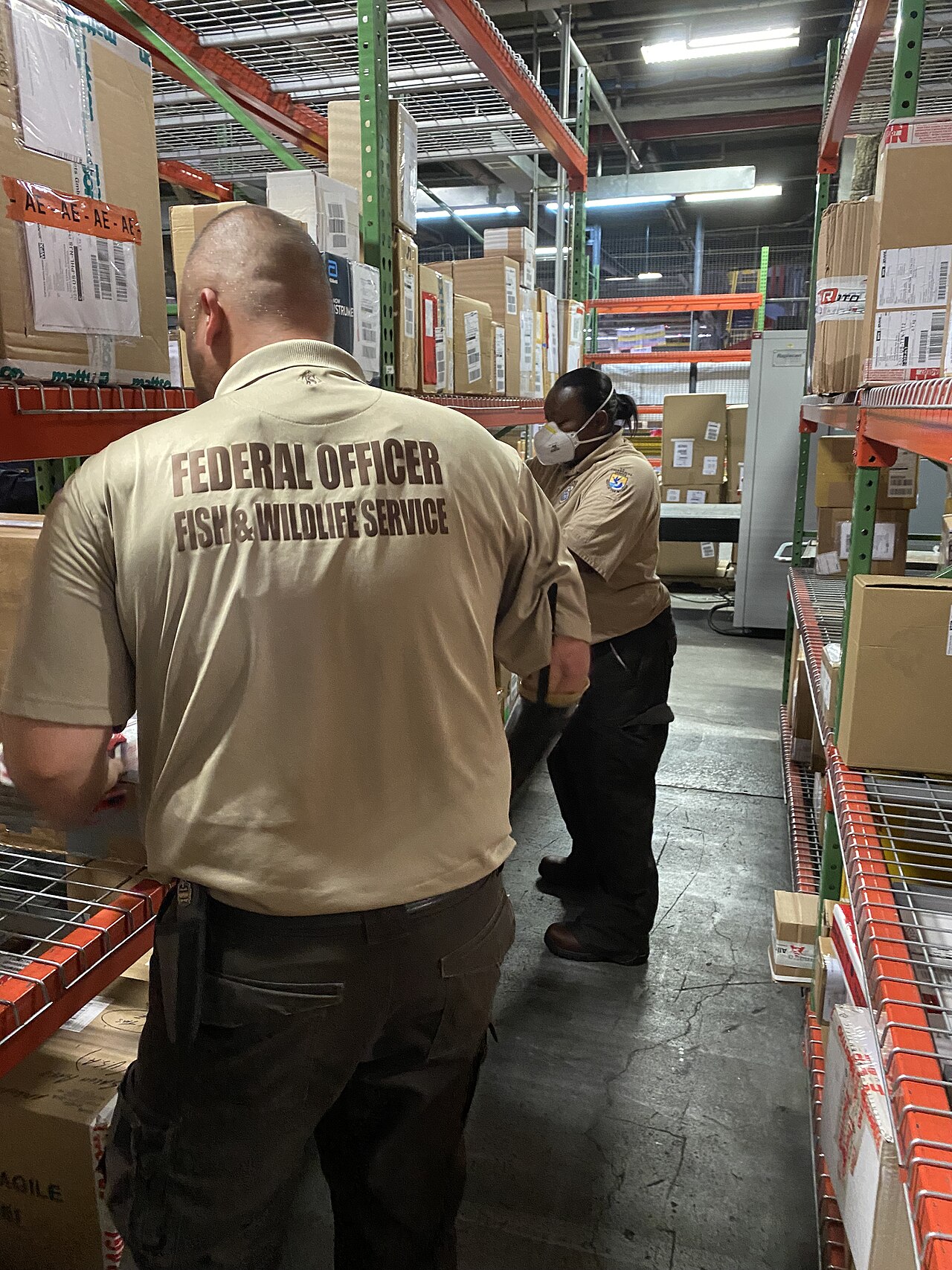
MOQ products may arrive in factory cartons, loose bags, retail boxes, or mixed bundles. Packaging affects volumetric weight, damage risk, and warehouse counting. Ask whether the supplier can pack by SKU and whether each carton has a label that helps the warehouse match the order.
Use this checkpoint as a practical record. Save the listing URL, selected variant, seller answer, domestic tracking number, warehouse photo, packing request, route decision, and final declaration note in one folder before the parcel leaves China.
That record makes later review easier for the buyer, warehouse, carrier, or customs team, and it prevents small details from being reconstructed from memory after export.
For the related workflow, compare this with our CNCartGo reference guide so product evidence, warehouse checks, and route approval stay aligned.
Domestic freight and warehouse intake
Domestic shipping inside China can change the real landed cost. Save the freight quote and tracking number. When the parcel reaches the warehouse, ask for photos of carton labels, quantity, visible model numbers, and any damaged packaging before approving international forwarding.
Use this checkpoint as a practical record. Save the listing URL, selected variant, seller answer, domestic tracking number, warehouse photo, packing request, route decision, and final declaration note in one folder before the parcel leaves China.
That record makes later review easier for the buyer, warehouse, carrier, or customs team, and it prevents small details from being reconstructed from memory after export.

When to order a sample first
If the product is for resale, brand building, or repeat sourcing, a small sample can prevent a larger MOQ mistake. Use the sample to check material, finish, packaging, barcode, and photo accuracy. Do not scale to bulk until the sample record is clear.
Use this checkpoint as a practical record. Save the listing URL, selected variant, seller answer, domestic tracking number, warehouse photo, packing request, route decision, and final declaration note in one folder before the parcel leaves China.
That record makes later review easier for the buyer, warehouse, carrier, or customs team, and it prevents small details from being reconstructed from memory after export.
For the related workflow, compare this with our CNCartGo reference guide so product evidence, warehouse checks, and route approval stay aligned.
Final recommendation
Treat every 1688 MOQ order as a quantity and evidence problem, not just a price problem. Pay only after unit, MOQ, color mix, packaging, domestic freight, warehouse inspection request, and declaration wording are written in one record.
Use this checkpoint as a practical record. Save the listing URL, selected variant, seller answer, domestic tracking number, warehouse photo, packing request, route decision, and final declaration note in one folder before the parcel leaves China.
That record makes later review easier for the buyer, warehouse, carrier, or customs team, and it prevents small details from being reconstructed from memory after export.
Quick approval checklist
- Product URL, selected option, seller answer, and payment proof saved
- Domestic tracking numbers matched to warehouse intake
- Photos checked for model, quantity, accessories, and visible damage
- Route eligibility confirmed before consolidation
- Declaration wording and value match the order evidence
Useful next step: CNCartGo reference #1.
Useful next step: CNCartGo reference #2.
Useful next step: CNCartGo reference #3.
About the author: This article was prepared by the CNCartGo editorial team from recurring cross-border order checks involving Chinese marketplace listings, warehouse intake photos, parcel consolidation decisions, and international shipping approval workflows.
Platform-Specific Tips for International Buyers
Each Chinese e-commerce platform has quirks that affect overseas buyers differently. Taobao offers the widest selection but requires careful seller vetting. 1688 provides wholesale pricing but often has higher minimum order quantities. Weidian specializes in niche and branded items but has less buyer protection. Xiaohongshu blends social content with commerce but limits international payment options. For more details, see our guide on buying agent services.
Regardless of which platform you use, the workflow for overseas buyers follows the same pattern: find the item, verify the seller, place the order to your China warehouse address, inspect upon arrival, then consolidate and ship internationally. The platform differences mainly affect the first two steps - finding and verifying - while the logistics chain remains consistent.