Shipping From China to Australia 2026: Costs, Times & Customs
 khz
khz
Why Australia Is One of the Easiest Destinations for China Parcels
Australia's customs regime is relatively straightforward for personal imports. The GST threshold, clear prohibited-items list, and well-established courier infrastructure make it one of the smoother destinations for Chinese e-commerce parcels. But "smooth" does not mean "automatic" - buyers who skip the preparation steps still hit delays, unexpected duties, and confiscated goods.
Buying from Taobao? If your Australia shipment starts with a Taobao product link, read the Taobao Agent to Australia workflow before choosing consolidation, inspection and international shipping.
This guide covers the full pipeline from Chinese warehouse to Australian doorstep, with 2026-current numbers. According to the Australian Border Force import guidance, all goods entering Australia are subject to assessment regardless of value, and the 10% GST applies to all imported goods since the A$1000 low-value threshold was removed for GST purposes in 2018.
If you are still deciding between platforms, start with our consolidation overview and our shipping cost reduction guide.
Courier Options and Real Delivery Timelines
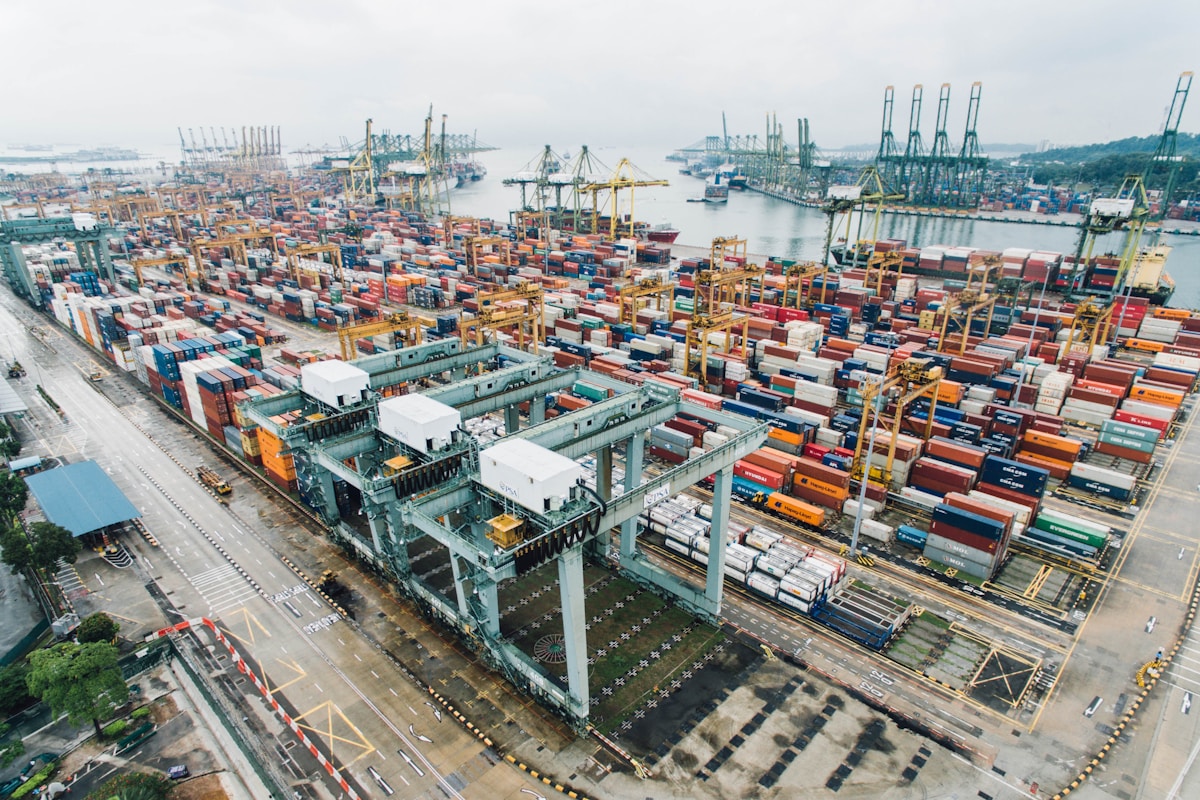
Here are the main shipping methods from China to Australia in 2026, with real-world timelines (not marketing estimates):
| Method | Timeline | Cost (per kg) | Tracking | Best For |
|---|---|---|---|---|
| DHL Express | 3–5 days | ¥180–¥280 | Full | Urgent, high-value |
| UPS Saver | 4–6 days | ¥160–¥250 | Full | Heavy parcels |
| EMS (China Post) | 7–14 days | ¥100–¥160 | Full | Mid-range balance |
| ePacket / Yanwen | 10–20 days | ¥60–¥100 | Partial | Low-value, light |
| Sea freight (consolidated) | 15–25 days | ¥30–¥60 | Limited | Bulk, heavy, non-urgent |
| DDP (tax-inclusive) | 7–12 days | ¥120–¥200 | Full | Hassle-free, mid-value |
DDP (Delivered Duty Paid) services handle customs clearance and GST payment on your behalf. You pay a slightly higher shipping rate but avoid the surprise of a customs invoice from Australia Post or the courier. For the DDP versus standard comparison, see our DDP analysis.
Australian Customs and GST: What You Actually Pay
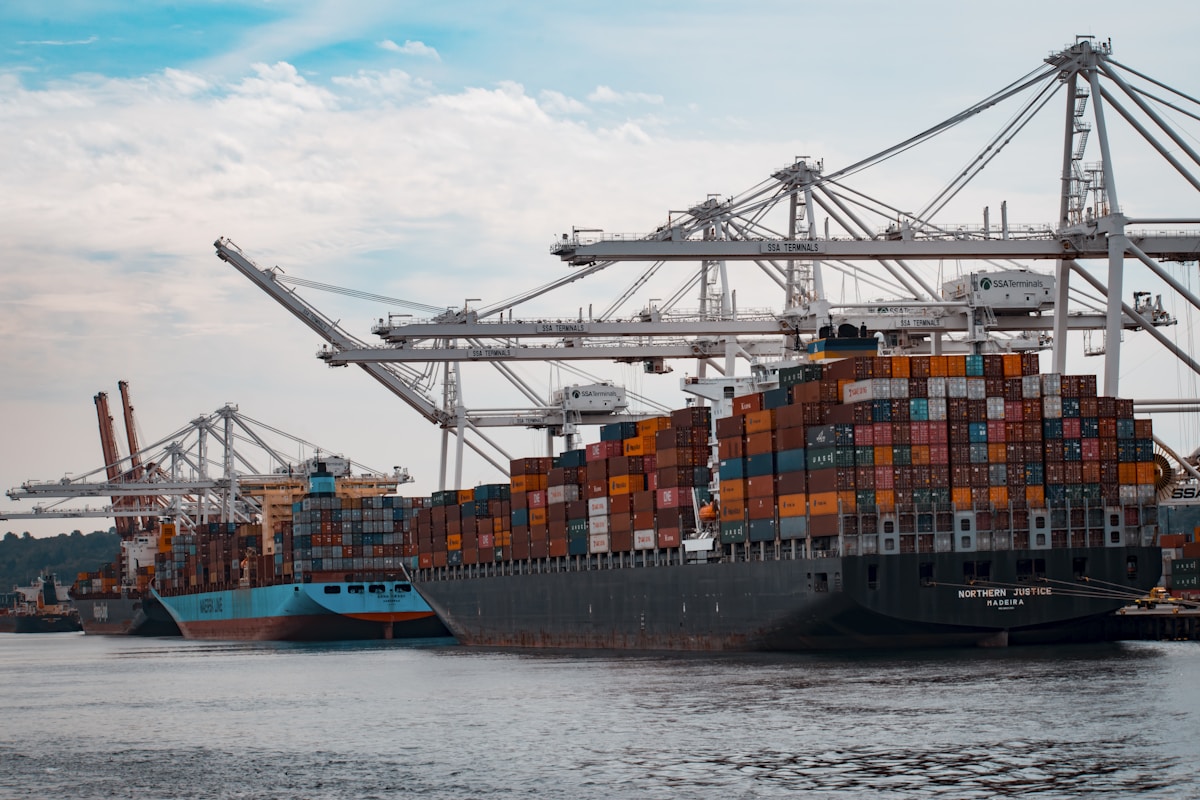
Since July 2018, Australia applies 10% GST to all imported goods regardless of value. Here is how it works in practice:
- GST (10%): Applied to the customs value (item price + shipping + insurance). Collected by the courier or at the post office.
- Customs duty: Only applies to goods valued over A$1000 (customs value). Rates vary by product category - typically 0–10% for consumer goods.
- Processing charge: Australia Post charges A$8.50 for parcels that require a formal customs entry. DHL and UPS include this in their brokerage fee.
For most personal imports under A$1000, you pay 10% GST and nothing else. The GST is often pre-collected by the platform or forwarder if you use a DDP service.
Example: A ¥2000 (≈A$420) order with ¥300 shipping = A$483 customs value × 10% GST = A$48.30 in tax. No duty because it is under A$1000.
Prohibited and Restricted Items for Australia
Australia has strict biosecurity laws. The following items from China are commonly confiscated or delayed:
- Food and plant material: Seeds, dried herbs, tea (some types), snacks with meat content, traditional medicine with plant/animal ingredients.
- Animal products: Leather goods without proper documentation, feathers, shells.
- Weapons and replicas: Airsoft guns (illegal in most Australian states), martial arts weapons, laser pointers above 1mW.
- Counterfeit goods: Australian Border Force actively seizes counterfeit branded items.
- Lithium batteries over 100Wh: Restricted on air freight; must go sea freight with proper declaration.
- Cosmetics with restricted ingredients: Some Chinese skincare contains ingredients banned in Australia (hydroquinone above 2%, mercury compounds).
The Australian Department of Agriculture biosecurity import conditions database (BICON) is the definitive reference for what requires a permit, treatment, or is outright prohibited.
Step-by-Step Shipping Checklist for Australian Buyers
Use this checklist before approving any shipment from your Chinese warehouse to Australia:
- Check item restrictions. Run each product category through BICON. Common traps: food items, traditional medicine, seeds included as freebies.
- Set accurate customs declaration. Use the actual purchase price. Under-declaration risks confiscation and fines under Australian customs law.
- Choose the right courier. DHL/UPS for speed and full tracking; EMS for balance; sea freight for bulk non-urgent goods.
- Consider DDP. If you want zero customs surprises, DDP services pre-pay GST. Slightly more expensive but eliminates the customs invoice step.
- Verify address format. Australian addresses need: name, unit/street number, street name, suburb, state abbreviation (NSW/VIC/QLD/SA/WA/TAS/NT/ACT), postcode. Missing state codes cause delivery failures.
- Add insurance for items over A$200. Courier liability limits are low (around A$100 for EMS). Forwarder insurance at 2–3% of value is worth it above this threshold.
- Save all documentation. Keep warehouse photos, seller invoices, and tracking numbers. You may need these for a customs query or damage claim.
For tracking your parcel through Chinese domestic logistics before it reaches the international courier, see our Chinese logistics tracking guide.
Common Problems Australian Buyers Hit
Based on support patterns from Australian buyers in 2026:
- "Held for biosecurity inspection": Usually triggered by food keywords in the declaration or organic material detected on X-ray. Resolution takes 5–15 business days. Avoid by not shipping food items or traditional medicine.
- "Customs invoice from Australia Post": This is the GST collection notice. Pay it online or at the post office to release your parcel. DDP services avoid this entirely.
- "Parcel returned to sender": Usually means a prohibited item was detected. The parcel goes back to the Chinese warehouse (if the forwarder accepts returns) or is destroyed. Prevention is the only real fix.
- "Tracking stops after customs": Normal for EMS and ePacket. Once handed to Australia Post, tracking updates can lag 2–5 days. Check the Australia Post tracking portal separately.
FAQ
How long does shipping from China to Australia actually take in 2026?
Express (DHL/UPS): 3–6 days door-to-door. EMS: 7–14 days. Economy postal: 15–25 days. Sea freight: 18–30 days including customs clearance. These are real-world averages including customs processing time, not just transit time.
Do I have to pay GST on everything I import from China?
Yes. Since 2018, Australia applies 10% GST to all imported goods regardless of value. There is no tax-free threshold for GST. Customs duty only kicks in above A$1000 customs value. Many DDP services and platforms (like AliExpress) pre-collect GST at checkout.
Can I ship lithium battery products from China to Australia?
Yes, with restrictions. Batteries under 100Wh (most phones, laptops, power banks under 27,000mAh) can go by air freight with proper declaration. Batteries over 100Wh must go sea freight. Loose lithium cells without a device are restricted on most air couriers. Always declare batteries accurately - undeclared batteries that are detected cause the entire parcel to be returned or destroyed.
Source: Australian Border Force - How to import for current duty and GST rules.
Reference: Australian Department of Agriculture - Biosecurity import conditions for prohibited and restricted items.
Carrier data: DHL Australia Express services for current 2026 service tiers and transit times.