A Real-World Pinduoduo Kitchen Storage Order Review: What We Checked Before Shipping Overseas
 Nicholas Chen
By Nicholas | CNCartGo Editorial Team
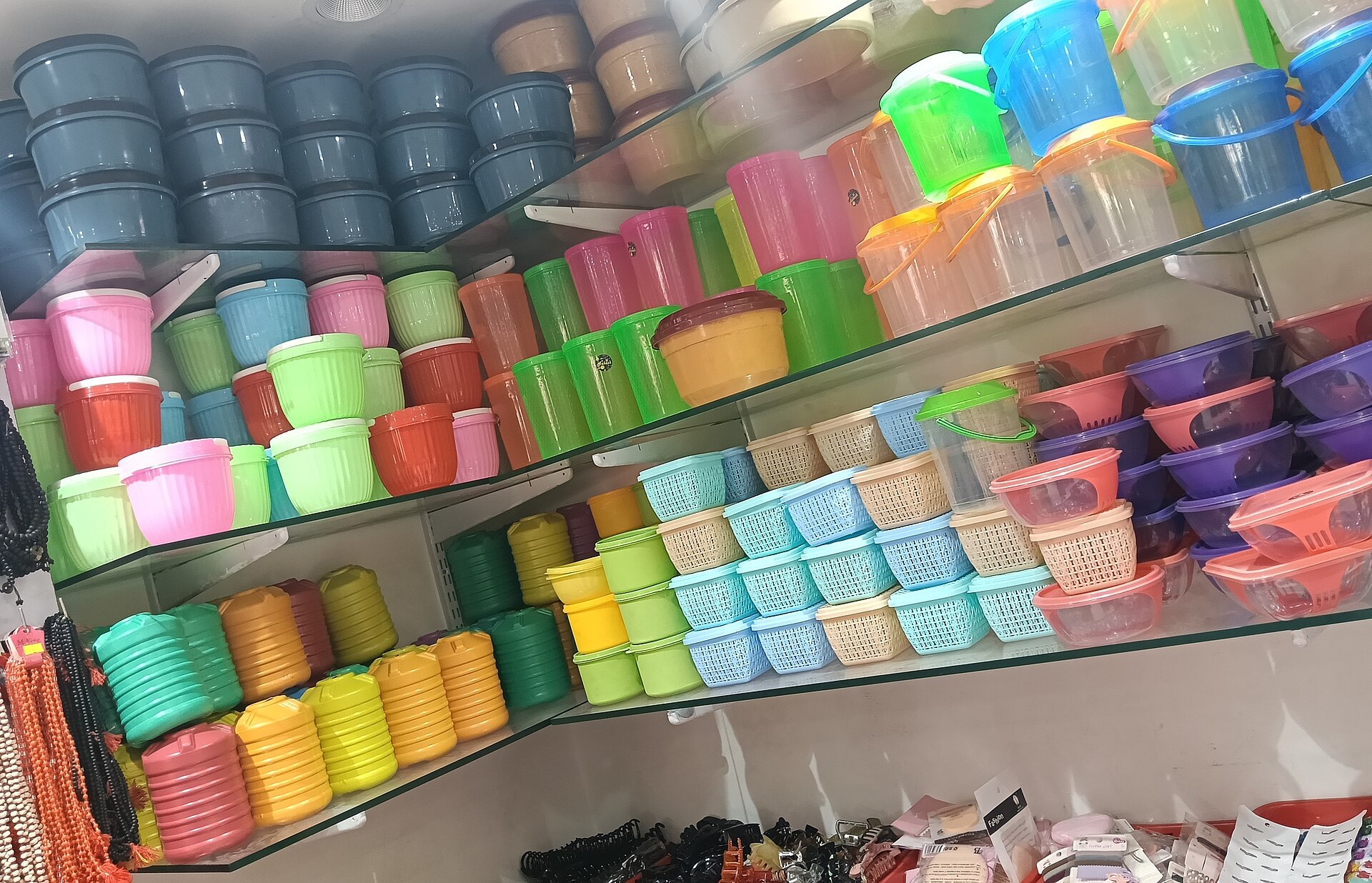
This Pinduoduo kitchen storage order review follows an anonymized real-world workflow pattern we use when an overseas buyer wants low-cost household goods from China but does not want a cheap order to become an expensive shipping mistake. The items were simple: plastic food containers, drawer organizers, and a few stackable boxes. The risk was not technical. The risk was approving the wrong size, wrong count, cracked lids, or a carton that wasted more freight volume than the products were worth.
That is why this review focuses on the parts buyers can actually control before the parcel leaves China: variant selection, seller parcel count, warehouse photos, repacking, and the final shipping decision.
Short Answer
The order was worth shipping, but only after two checks changed the plan. First, the warehouse confirmed that the order arrived in two domestic parcels, not one. Second, several thin organizer trays needed better placement inside the export carton so the corners would not take direct pressure. The buyer approved shipping after the count, visible condition, and repack method were clear.
Why This Was a Good Pinduoduo Test Order
Pinduoduo can be useful for low-cost household products, especially when the buyer wants practical items rather than branded goods. But the platform also creates a common problem for international buyers: the domestic price looks attractive, while the overseas shipping cost depends on volume, not just item value.
A basic Pinduoduo buying workflow for international buyers explains the broader process. This case was narrower. The buyer wanted to test whether small kitchen storage products were sensible to forward overseas, or whether the final carton would cost more than the order deserved.
We treated it as a test order, not a bulk sourcing project. That kept the decision practical: if the pieces matched the selected variants and packed efficiently, ship them. If they arrived in messy parcels with cracked lids or excessive empty volume, stop and reconsider.
The Order Profile
The buyer selected four product groups from one Pinduoduo seller: rectangular food containers, narrow drawer organizers, small lidded storage boxes, and a set of transparent dividers. The listing looked straightforward, but it offered several sizes under similar images. That is where many low-cost household orders go wrong. The buyer thinks they ordered a medium container set, while the selected option is a smaller size or a different lid style.
Before payment, we checked three details with the buyer:
- Selected variant: size, color, lid style, and pack quantity had to match the buyer's screenshot.
- Material expectation: low-cost plastic storage items are practical, but they should not be expected to feel like heavy commercial kitchenware.
- Shipping logic: bulky lightweight goods can be poor value if the final carton is mostly air.
The First Issue: Two Domestic Parcels, One Seller Order
When the order reached the warehouse, it arrived as two domestic parcels. That was not automatically a problem, but it was important. If the warehouse had checked only one parcel, the buyer could have shipped half the order and discovered the missing pieces after delivery overseas.
This is why parcel count checks matter before any export decision. The workflow is similar to the checklist in how to avoid parcel count errors before you ship from China: match the seller order, domestic tracking numbers, warehouse arrival records, and final item count before combining anything.
What the Warehouse Photos Needed to Prove
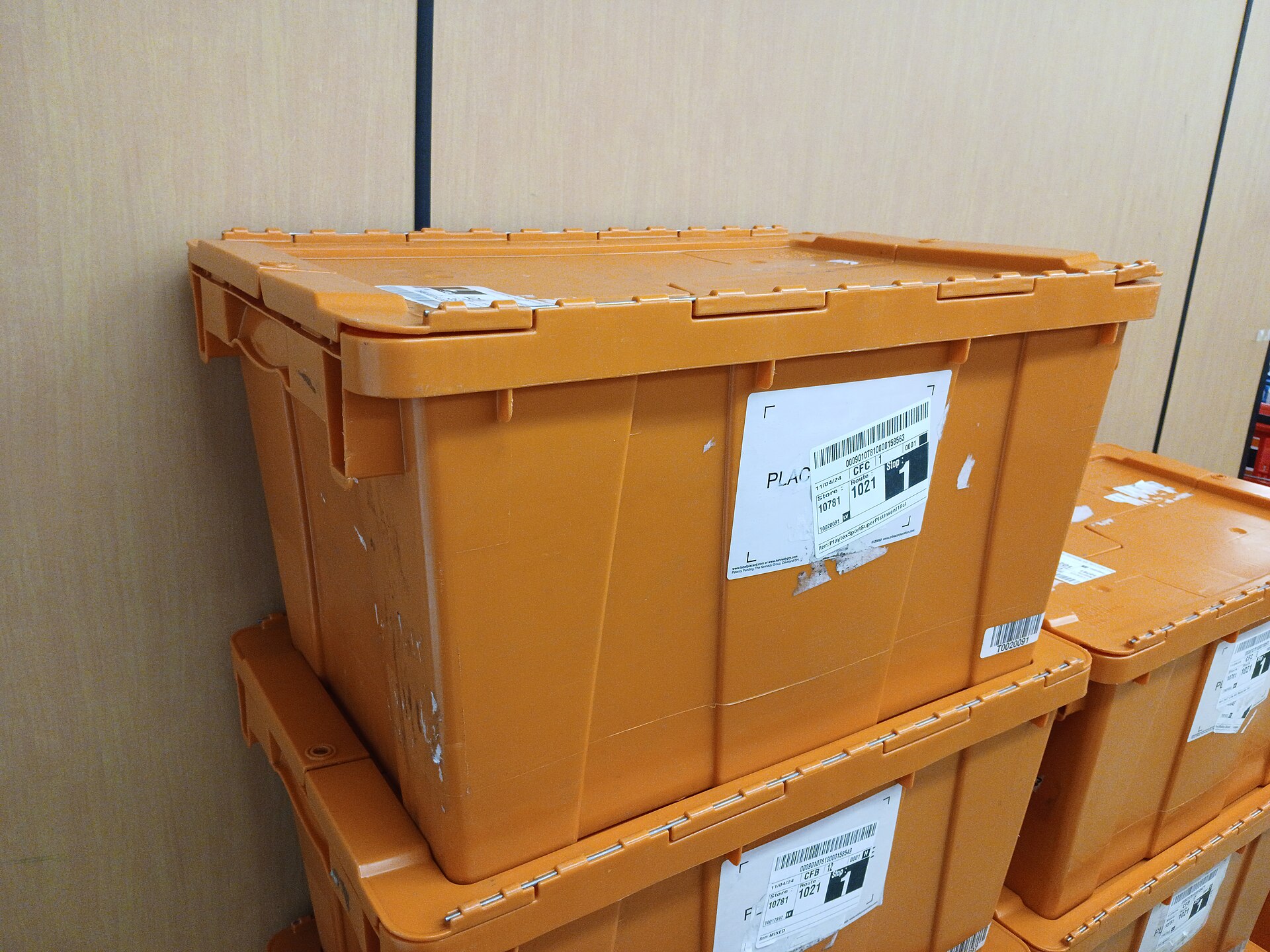
The warehouse photos were not meant to make the products look beautiful. They needed to answer practical questions: did the containers arrive in the selected sizes, did the lids match the bases, were any corners visibly cracked, and did the drawer organizers arrive as a complete set?
For this order, the most useful photo showed the containers grouped by type, with lids visible beside the bases. Another photo showed the organizer trays nested together so the buyer could judge whether the pack quantity looked correct. That is the same logic behind a reliable China warehouse inspection before shipping. Inspection should answer the decision question, not simply prove that a parcel exists.
The photos did not prove long-term durability. No pre-shipping photo can do that. They did prove that the order was not obviously incomplete, mismatched, or damaged before export.
The Small Problem We Flagged
One lidded box had light scuffing on the side. It was visible in the warehouse photo but did not affect use. We flagged it because cheap household goods often create a trust problem: a buyer may accept a minor mark if it is disclosed before shipping, but feel misled if it appears only after international delivery.
We also checked for missing small pieces. Dividers, clips, seals, and lids are easy to overlook because they may sit inside a larger container or under packing material. The broader checklist in how to avoid missing parts and accessories before shipping from China applies especially well to storage products.
What We Did Not Promise
We did not promise that every plastic piece would survive years of heavy kitchen use. That would be the wrong standard for this kind of Pinduoduo order. We also did not promise that the product would match a premium local brand. A warehouse can check visible condition, count, selected variants, and packing risk. It cannot test dishwasher durability, long-term lid tightness, or how the plastic will age after months of use.
That limitation should be clear before a buyer ships low-cost household goods overseas. The goal is to prevent avoidable mistakes, not to turn a budget product into a premium product.
Repacking Decision: Save Volume Without Creating Breakage Risk
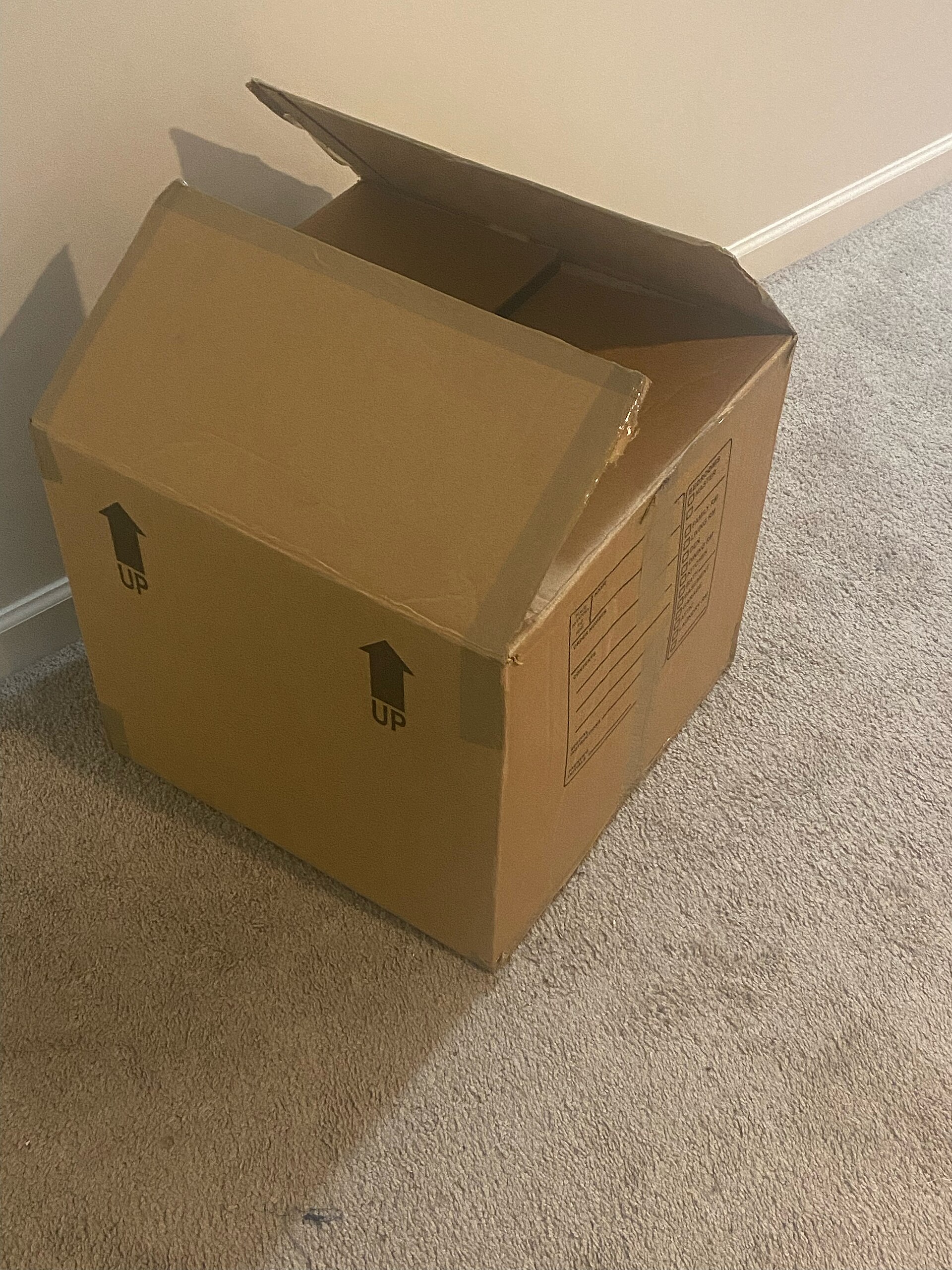
The original domestic parcels had too much empty space and light filler. Shipping them as received would have charged the buyer for volume that did not protect the order. But removing all packaging would have been careless because thin trays and plastic corners can crack if they move freely inside a larger carton.
The better repack was moderate: nest compatible containers, keep lids paired with bases, place thin organizers away from carton edges, and fill the remaining gaps so the pieces did not rattle. That follows the same principle explained in what to check before approving a warehouse repack from China: repacking should reduce wasted volume without creating a new damage risk.
Final Decision
The buyer approved shipping because the important uncertainties were resolved. Both domestic parcels arrived, the visible item count matched the order, the lids and bases appeared paired correctly, the scuffed piece was accepted, and the repack plan reduced waste while keeping enough protection for export handling.
The order was not exciting, and that is why it was useful. Many overseas buyers do not lose money on dramatic problems; they lose money on ordinary details that nobody checks until it is too late. With low-cost Pinduoduo household goods, the right question is not just "is the product cheap?" It is "will the correct, complete, usable product still make sense after inspection, packing, and international freight?"
Practical Takeaways for Pinduoduo Household Buyers
- Check the selected variant line before payment, especially for size, color, lid type, and pack quantity.
- Do not assume one seller order equals one warehouse parcel; confirm every domestic tracking number has arrived.
- Ask for photos that prove count, visible condition, and matching lids or accessories.
- Accept realistic limits: inspection cannot test long-term durability or premium quality.
- Use repacking to reduce empty volume, but do not leave thin plastic pieces loose inside the export carton.
For overseas buyers, a good Pinduoduo kitchen storage order is not just the cheapest listing. It is the order where the selected option is clear, the warehouse check answers the right questions, and the final carton protects the product without making the shipping cost unreasonable.